Fall is a prime season for prepping your yard and garden for the colder months ahead. It’s a time to plant, prune, and protect, ensuring your landscape thrives in the spring.
However, seemingly small gardening mistakes made in the fall can have long-term effects on the health and appearance of your yard.
To help you avoid issues that may arise in the future, here are eight common fall gardening mistakes that can harm your yard in the long run.
1. Skipping Soil Preparation
Neglecting to prepare your soil in the fall can lead to poor plant growth come spring. After a season of growth, the soil becomes depleted of nutrients and compacted, making it less hospitable to new plants.
Skipping soil amendment now means your yard will struggle to support healthy roots later.
What to Do: Add compost or organic matter to enrich your soil, loosen compaction, and improve drainage. Fall is the perfect time to test your soil and adjust pH levels as needed.
2. Overwatering or Underwatering
Fall temperatures can be tricky, leading to overwatering or underwatering your plants. Both extremes can have long-term consequences, like root rot from too much moisture or weakened plants from drought stress.
What to Do: Adjust your watering schedule based on weather conditions. As temperatures cool and rain becomes more frequent, reduce your watering but don’t let the soil dry out completely. Water early in the day to allow excess moisture to evaporate before nighttime.
3. Not Raking Leaves
While fallen leaves can be aesthetically pleasing, allowing too many leaves to sit on your lawn can suffocate the grass and create a breeding ground for mold, pests, and diseases. This can result in patchy, unhealthy grass when spring arrives.
What to Do: Rake leaves regularly or use a mulching mower to break them down into smaller pieces that can act as a natural fertilizer. A thin layer of mulched leaves will nourish your lawn without smothering it.
4. Pruning at the Wrong Time
Pruning is essential for maintaining healthy trees and shrubs, but doing it at the wrong time can be detrimental.
Pruning too late in the season can encourage new growth that won’t have time to harden before the cold, leaving the plant vulnerable to frost damage.
What to Do: Finish major pruning tasks in early fall. For late-season pruning, focus only on dead, damaged, or diseased branches, and leave major trimming until early spring.
5. Planting Too Late
Fall is an excellent time for planting, but planting too late in the season doesn’t give new plants enough time to establish their roots before the first frost.
This can result in weak plants that struggle to survive the winter and may not bloom or grow well in the spring.
What to Do: Plant perennials, trees, and shrubs in early to mid-fall to give them enough time to develop strong root systems before winter. If planting later, protect young plants with mulch or frost covers.
6. Ignoring Weeds
Many gardeners overlook weeding in the fall, but this mistake can lead to a yard overrun with weeds in the spring.
Weeds that are left unchecked during the fall go to seed, spreading rapidly and competing with your plants for nutrients and sunlight.
What to Do: Continue weeding through the fall months, removing weeds before they have a chance to set seed. Apply a layer of mulch to suppress weed growth and protect the soil during winter.
7. Neglecting to Aerate Your Lawn
Compacted soil prevents air, water, and nutrients from reaching your lawn’s roots, leading to weak and patchy grass.
Skipping aeration in the fall can result in poor lawn growth in the spring, leaving your yard susceptible to pests and diseases.
What to Do: Aerate your lawn in early fall to reduce compaction and promote healthy root growth. This also allows your lawn to absorb nutrients and water more efficiently throughout the winter months.
8. Forgetting to Mulch
Mulching is a key step in preparing your garden for winter. Failing to mulch in the fall can leave your plants vulnerable to extreme temperature fluctuations and frost damage.
Bare soil is more prone to erosion, nutrient loss, and weed growth.
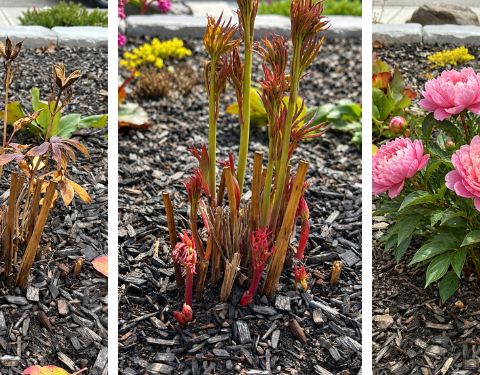
What to Do: Apply a thick layer of mulch around your plants, trees, and shrubs to insulate the soil, regulate moisture, and protect roots from freezing temperatures. Use organic mulch, like wood chips or straw, which will also improve soil health as it decomposes.
Avoiding these common fall gardening mistakes can save you time, money, and frustration in the long run.