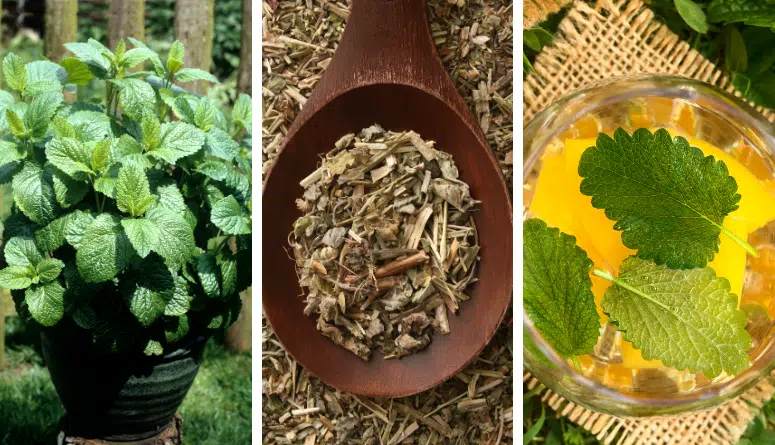
Lemon balm (Melissa officinalis) is a fragrant herb from the mint family that has been cherished for centuries for its calming effects, subtle citrus aroma, and wide range of medicinal and culinary uses.
Whether you’re an experienced gardener or just beginning to build your herbal garden, lemon balm is a plant worth adding to your green space.
Beyond its lovely scent and attractive appearance, lemon balm offers numerous benefits for health and home.
It’s an easy-to-grow perennial that thrives in various conditions, making it ideal for home gardens, pots, raised beds, or even indoor planters.
In this article, you’ll discover 12 powerful reasons why everyone should grow lemon balm – and how doing so can improve your well-being, boost your garden’s health, and enhance your culinary creations.
1. Lemon Balm is Incredibly Easy to Grow
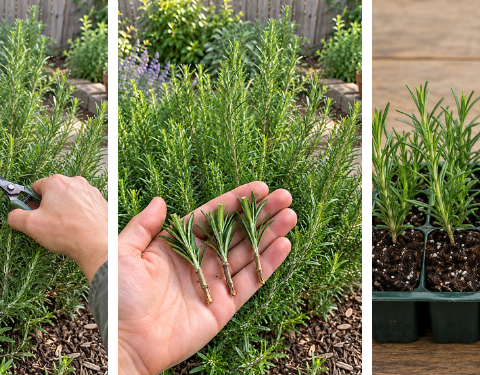
Lemon balm is one of the most beginner-friendly herbs. It tolerates poor soil, partial shade, and inconsistent watering. You can start it from seeds, cuttings, or divisions.
Once established, it forms a lush green mound that fills your garden with fragrance and beauty.
This herb thrives in USDA zones 4–9 and grows quickly during the warmer months. It can be planted in garden beds, containers, hanging baskets, or indoor pots.
With minimal effort, you’ll enjoy fresh leaves from spring through fall.
2. It Naturally Repels Mosquitoes and Other Pests
The strong citrusy aroma of lemon balm comes from compounds like citronellal, which are naturally repellent to mosquitoes, gnats, and some beetles.
This makes lemon balm a fantastic companion plant for the garden and a natural alternative to chemical bug sprays.
You can plant it near doorways, patios, or windows to help keep bugs away.
For an added boost, crush a few leaves and rub them on your skin for a quick, gentle repellent (always patch-test first).
3. Supports Stress Relief and Mental Well-Being
Lemon balm has been used since the Middle Ages to lift mood and ease anxiety. Modern studies back this up – lemon balm may help lower cortisol (the stress hormone), reduce feelings of nervousness, and improve overall mood.
Drinking lemon balm tea, inhaling its aroma, or taking it as a tincture may help relieve stress and mental fatigue.
Herbalists often use it to calm the mind, especially in combination with chamomile or lavender.
4. Aids Sleep and Combats Insomnia
Lemon balm’s calming effects also make it excellent for promoting restful sleep. It gently sedates the nervous system without leaving you groggy the next day.
Drinking lemon balm tea in the evening or adding it to a bedtime tincture blend can help people who have trouble falling or staying asleep.
It’s especially effective when combined with other sleep-supportive herbs like valerian root or passionflower.
5. Boosts Digestive Health
Lemon balm is a carminative herb, meaning it helps relieve gas, bloating, cramping, and indigestion.
Its natural bitterness stimulates bile production, which is key for breaking down fats and supporting liver function.
Drinking lemon balm tea after meals can soothe digestive discomfort, calm nausea, and support smoother digestion. It also helps reduce acid reflux and feelings of fullness after heavy meals.
6. Enhances Cognitive Function and Memory
Recent research shows that lemon balm may sharpen mental clarity, improve memory, and enhance focus.
This is likely due to its positive impact on neurotransmitter activity in the brain – particularly GABA, which helps regulate nerve signals and emotional balance.
Some small studies have suggested that lemon balm could help people with mild cognitive decline or symptoms of Alzheimer’s disease, although more research is needed.
Either way, its calming, mind-clearing properties make it a valuable ally for students, professionals, or anyone facing mental fatigue.
7. Soothes Cold Sores and Other Viral Infections
Lemon balm has potent antiviral properties. It is especially effective against herpes simplex virus (HSV-1), which causes cold sores.
Applying lemon balm cream or tincture directly to a cold sore can reduce pain, speed healing, and lower the risk of recurrence.
Drinking lemon balm tea or taking it in supplement form may also help fight off other viral infections by boosting the immune system and reducing inflammation.
8. Makes a Delicious and Healing Herbal Tea
Lemon balm tea is a staple in many herbal homes. It’s naturally caffeine-free and offers a light, lemony flavor with a soothing effect.
Fresh or dried leaves can be steeped alone or with other herbs like mint, lavender, or chamomile.
This tea can help with everything from indigestion to anxiety to headaches – or simply serve as a refreshing afternoon drink. You can also serve it chilled in summer as an herbal iced tea.
9. Improves Skin Health
Lemon balm contains antioxidants like rosmarinic acid, which help protect the skin from environmental stress and inflammation. Its antimicrobial and anti-inflammatory properties make it excellent for topical use.
Infused lemon balm oil or a lemon balm salve can be applied to eczema, acne, rashes, or insect bites to reduce redness, itching, and irritation. It’s also a gentle skin toner when used in hydrosols or infused waters.
10. Attracts Pollinators to Your Garden
While lemon balm repels unwanted pests, its small white flowers attract beneficial insects — especially bees. Beekeepers even use lemon balm to help attract swarms and calm bees.
Planting lemon balm near fruit trees or vegetable beds can increase pollination, leading to better yields. Its flowers appear in mid to late summer and are a magnet for native bees and hoverflies.
11. Perfect for Indoor and Small-Space Gardening
Don’t have a backyard? Lemon balm is perfect for balconies, windowsills, and countertop gardens. It grows well in containers and tolerates some neglect. Just make sure the pot has good drainage and receives a few hours of sunlight daily.
Indoor growers will appreciate its resilience and fragrant foliage. Frequent pruning will keep it compact and encourage fuller, bushier growth.
12. A Multipurpose Herb for Home Remedies and Recipes
Lemon balm is one of the most versatile herbs you can grow. Here are just a few ways to use all parts of the plant:
- Leaves (Fresh): Add to salads, smoothies, fruit bowls, or cocktails.
- Leaves (Dried): Use in teas, potpourri, sachets, or homemade bath soaks.
- Leaves (Infused): Make herbal oils, vinegars, syrups, or honey infusions.
- Tincture: Preserve the healing properties in alcohol or glycerin for year-round use.
- Flowers: Though small, the blossoms can be included in herbal blends or skin toners.
- Stems: Use in broth or infused waters for a mild lemony aroma.
How to Use Lemon Balm: A Complete Guide
1. Lemon Balm Tea (Fresh or Dried Leaves)
This is the most popular way to enjoy lemon balm’s calming and digestive benefits.
How to make it (fresh): Pick a handful of fresh lemon balm leaves (about 1 tbsp chopped per cup), rinse gently, and steep in hot (not boiling) water for 5–10 minutes. Strain and enjoy.
How to make it (dried): Use 1 teaspoon of dried lemon balm per cup of hot water. Steep for 5–8 minutes.
Benefits:
– Calms anxiety
– Supports sleep
– Eases digestive discomfort
– Soothes menstrual cramps
Tip: Add honey, lavender, chamomile, or mint for flavor and added benefits.
2. Infused Lemon Balm Oil (Topical Use)
This oil is excellent for skin care, massage, and minor wounds or inflammation.
How to make it: Fill a clean glass jar with dried lemon balm. Pour in a carrier oil (like olive oil, sweet almond, or jojoba) to cover completely. Seal and let infuse in a sunny window for 2–4 weeks. Strain and store in a dark bottle.
Uses:
– Apply to cold sores, eczema, or bug bites
– Use in massage blends to relax muscles
– Add to homemade creams or balms for calming skin care
3. Lemon Balm Tincture
A tincture is a concentrated liquid herbal extract – great for long-term storage and internal use.
How to make it: Chop fresh lemon balm, fill a clean glass jar halfway with it, and cover with 80–100 proof vodka. Let sit in a cool, dark place for 4–6 weeks. Shake gently every few days. Strain and store in a dark dropper bottle.
Dosage: 20–40 drops (about 1/2 to 1 dropperful) diluted in water or tea up to 3x daily for stress, digestive issues, or sleep.
4. Fresh in Cooking and Salads
Lemon balm has a mild citrus-mint flavor, making it a fantastic addition to recipes:
Add to:
– Green salads for a refreshing twist
– Fruit salads and yogurt bowls
– Chicken or fish dishes
– Lemonade, cocktails, mocktails, or infused water
– Smoothies and juices
Tips:
– Chop fresh leaves just before serving for the best flavor
– Avoid prolonged cooking – heat can dull the flavor
5. Lemon Balm Ice Cubes
Great for drinks and desserts!
How to make it: Finely chop lemon balm and place it into an ice cube tray. Fill with water or lemonade and freeze.
Use in:
– Iced teas
– Fruit punches
– Sparkling water
– Summer cocktails
6. Homemade Lemon Balm Honey
This calming honey is a perfect addition to teas, toast, or sore throats.
How to make it: Lightly bruise fresh lemon balm leaves and place in a jar. Cover with raw local honey. Let infuse for 2–4 weeks. Stir every few days. Strain or leave leaves in.
Uses:
– Stir into warm tea or water
– Use as a throat-soothing remedy
– Spread on biscuits or drizzle on desserts
7. Lemon Balm Vinegar (Culinary and Cleaning)
Infuse apple cider vinegar with lemon balm for a digestive tonic or an herbal cleaner.
How to make it: Fill a jar halfway with fresh leaves. Cover with apple cider vinegar. Let steep 2–4 weeks, then strain.
Uses:
– Mix 1–2 tsp into water before meals to support digestion
– Use as a base for homemade salad dressings
– Dilute with water (1:1) for a natural kitchen or window cleaner
8. Lemon Balm Bath Soak
Its natural oils are perfect for relaxing the body and mind.
How to make it: Add a handful of dried or fresh lemon balm to a muslin bag or cheesecloth. Place in warm bathwater and let steep as you soak.
Benefits:
– Calms nerves and muscles
– Eases tension headaches
– Soothes inflamed or dry skin
Tip: Add Epsom salt and dried lavender for a full spa effect.
9. Aromatherapy and Air Freshening
Lemon balm has a light, refreshing citrus-mint scent that works well in natural air fresheners and aromatherapy blends.
How to use:
– Dry the leaves and place them in sachets, linen bags, or potpourri bowls
– Simmer fresh leaves on the stove with lemon peels and cloves for a DIY home fragrance
– Add the essential oil (if available) to diffusers to reduce tension and uplift the mood
10. Cold Sore Treatment
Thanks to its antiviral properties, lemon balm is one of the best natural remedies for cold sores.
How to use it:
– Apply lemon balm infused oil or diluted tincture to the sore 2–3 times daily
– You can also use lemon balm lip balms or make your own using infused oil and beeswax
11. Preserve for Year-Round Use
To enjoy lemon balm all year, preserve your harvest.
Drying: Bundle and hang upside down in a cool, dry place. Once brittle, crumble and store in airtight jars.
Freezing: Chop leaves and freeze them in olive oil or water using ice cube trays.
Lemon balm is more than just a fragrant herb – it’s a garden essential, a medicinal marvel, and a joy to grow. With its long list of health benefits and garden perks, there’s no reason not to plant it.