Growing your own vegetables is one of the most rewarding and cost-effective ways to enjoy fresh, organic produce while connecting with nature.
Whether you have a large backyard or just a small balcony, starting a vegetable garden is easier than you think!
If you’re a beginner, you might feel overwhelmed, but don’t worry! By following these 10 essential tips, you’ll be on your way to a thriving vegetable garden that produces delicious, homegrown food all season long.
1. Choose the Right Location 📍☀️
The success of your vegetable garden depends on where you plant it.
Vegetables need the right conditions to grow strong and produce abundant harvests.
Key Considerations for Choosing a Garden Spot:
✔ Sunlight – Most vegetables need at least 6-8 hours of direct sunlight per day.
✔ Good Drainage – Avoid areas where water pools after rain, as soggy soil can rot plant roots.
✔ Protection from Wind – Strong winds can damage plants, so consider placing a barrier (e.g., a fence, hedge, or trellis).
✔ Convenience – Pick a location close to your home so you can easily water and tend to your garden.
💡 Pro Tip: If you don’t have an outdoor space, try using raised garden beds or containers on a balcony or patio!
2. Start Small & Choose Easy Vegetables 🌿🥒
As a beginner, it’s best to start with a small garden and gradually expand as you gain experience.
Easy Vegetables for Beginners:
🥕 Carrots – Simple to grow and require little maintenance.
🥬 Lettuce & Spinach – Fast-growing and can be harvested multiple times.
🍅 Cherry Tomatoes – Thrive in containers and produce abundant fruit.
🌶 Peppers – Low-maintenance and great for sunny gardens.
🥒 Cucumbers – Easy to grow and produce plenty of veggies.
🧅 Green Onions – Grow quickly and can be regrown from kitchen scraps!
💡 Pro Tip: Choose vegetables that you and your family love to eat—it makes gardening more exciting!
3. Prepare Your Soil for Success 🌱🌿
Healthy soil = healthy plants! Your soil should be rich in nutrients, well-draining, and aerated.
How to Improve Soil Quality:
✔ Test Your Soil – A soil test kit can tell you pH levels and nutrient content.
✔ Add Organic Matter – Mix in compost, aged manure, or peat moss to enrich the soil.
✔ Avoid Heavy Clay or Sandy Soil – Clay holds too much water, and sandy soil dries out too fast.
✔ Use Raised Beds – If your soil is poor, raised beds give you full control over soil quality.
💡 Pro Tip: Earthworms are a great sign of healthy, nutrient-rich soil!
4. Plan Your Garden Layout 📏🌻
Organizing your garden helps maximize space and sunlight while making it easier to care for your plants.
Types of Garden Layouts:
🛑 Row Planting – Best for large gardens with plenty of space.
🔲 Square Foot Gardening – Ideal for small spaces and raised beds (each plant gets its own square).
🌱 Companion Planting – Growing compatible plants together boosts growth and deters pests.
💡 Pro Tip: Keep taller plants (corn, tomatoes) at the back so they don’t block sunlight from shorter plants.
5. Water Wisely 💧
Watering is one of the most important factors in a successful vegetable garden. Too much or too little water can harm plants.
Best Practices for Watering:
✔ Water in the Morning – Helps prevent fungal diseases and evaporation loss.
✔ Deep, Infrequent Watering – Encourages deep root growth (1-2 inches per week).
✔ Use Mulch – Mulching retains moisture, prevents weeds, and regulates soil temperature.
✔ Avoid Overwatering – Soggy soil leads to root rot and fungal infections.
💡 Pro Tip: Stick your finger 1 inch into the soil—if it’s dry, it’s time to water!
6. Use Natural Fertilizers & Compost ♻️🌿
Your plants need nutrients to grow strong and produce healthy vegetables. Instead of using chemical fertilizers, try organic, natural alternatives.
Best Natural Fertilizers for Beginners:
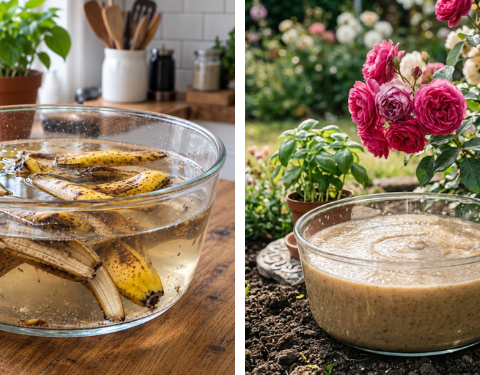
🍌 Banana Peels – Rich in potassium and phosphorus for flowering plants.
☕ Coffee Grounds – Great for acid-loving plants like tomatoes.
🥚 Crushed Eggshells – Provide calcium to prevent blossom-end rot.
🐟 Fish Emulsion – A powerful liquid fertilizer high in nitrogen.
💡 Pro Tip: Start a compost bin to recycle kitchen scraps into nutrient-rich fertilizer!
7. Protect Your Garden from Pests Naturally 🐛🐞
Pests and diseases can damage plants, but there are organic ways to prevent infestations without harmful chemicals.
Natural Pest Control Tips:
✔ Companion Planting – Marigolds, basil, and mint repel common pests.
✔ Neem Oil Spray – A natural insecticide that controls aphids, mites, and caterpillars.
✔ Hand-Picking Pests – Removing large pests (like caterpillars) by hand prevents infestations.
✔ Diatomaceous Earth – A safe, non-toxic powder that kills crawling insects.
💡 Pro Tip: Attract beneficial insects like ladybugs and praying mantises to naturally control pests!
8. Keep Weeds Under Control 🌾🚫
Weeds compete with your vegetables for water and nutrients. Keep them under control to help your garden thrive.
Best Ways to Prevent Weeds:
✔ Apply Mulch – A 2-3 inch layer of straw, leaves, or wood chips blocks weeds.
✔ Pull Weeds Regularly – Remove them before they spread.
✔ Use Landscape Fabric – Helps block weed growth in raised beds.
💡 Pro Tip: Never let weeds go to seed—one plant can produce thousands of seeds!
9. Harvest at the Right Time 🥕🍆
Picking vegetables at the right time ensures the best taste, texture, and nutrition.
Harvesting Tips for Popular Vegetables:
🍅 Tomatoes – Pick when bright red (or the correct color for the variety).
🥕 Carrots – Harvest when the tops are ¾ inch in diameter.
🌽 Corn – Ready when kernels release a milky fluid when pressed.
🥒 Cucumbers – Pick when firm and 6-8 inches long.
💡 Pro Tip: Frequent harvesting encourages plants to keep producing!
10. Keep Learning & Experimenting 📖🔎
Gardening is a lifelong learning experience—don’t be afraid to experiment!
✔ Join gardening forums and Facebook groups for advice.
✔ Keep a garden journal to track what works best.
✔ Try new vegetables and techniques each season.
💡 Pro Tip: Mistakes happen—learn from them and keep growing!
Starting a vegetable garden may seem challenging at first, but with the right knowledge and a little patience, you’ll soon be enjoying fresh, homegrown produce.