A thriving garden is every gardener’s dream, but nothing is more frustrating than seeing your plants fall victim to fungal infections, bacterial blight, and viral diseases.
Plant diseases can spread rapidly, damaging crops, flowers, and ornamental plants. However, with the right approach, you can prevent and eliminate plant diseases effectively.
In this guide, we’ll cover four proven methods to eliminate plant diseases and keep your garden healthy all season long.
1. Improve Soil Health and Drainage
Healthy soil is the foundation of a disease-free garden. Poor soil quality can lead to weakened plants, making them more susceptible to pathogens.
Improving soil health enhances plant immunity and prevents diseases from taking hold.
How to Improve Soil Health:
✔ Test Your Soil: Conduct a soil test to check pH levels and nutrient deficiencies.
✔ Use Organic Compost: Compost adds beneficial microbes and improves soil structure.
✔ Ensure Proper Drainage: Raised beds and adding sand or perlite prevent waterlogged soil, reducing the risk of root rot and fungal diseases.
✔ Practice Crop Rotation: Rotate vegetables and flowers each season to prevent disease buildup in the soil.
✔ Use Mulch Wisely: Organic mulch (such as straw or wood chips) helps retain moisture and suppresses soil-borne pathogens.
💡 Pro Tip: Avoid over-fertilizing, as excessive nitrogen can weaken plant defenses against diseases.
2. Remove and Destroy Infected Plants
When plant diseases appear, quick removal and disposal of infected plants are crucial.
Allowing diseased plants to remain in the garden increases the risk of disease spread to healthy plants.
How to Remove Diseased Plants Safely:
✔ Identify the Symptoms: Look for yellowing leaves, brown spots, mold, or stunted growth.
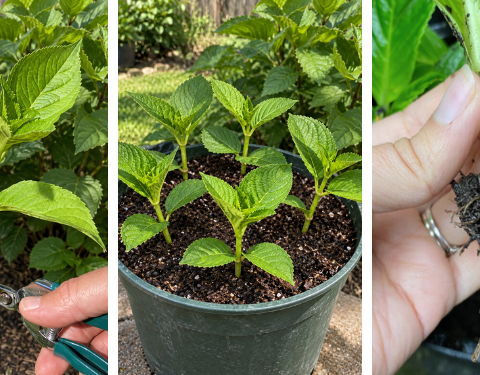
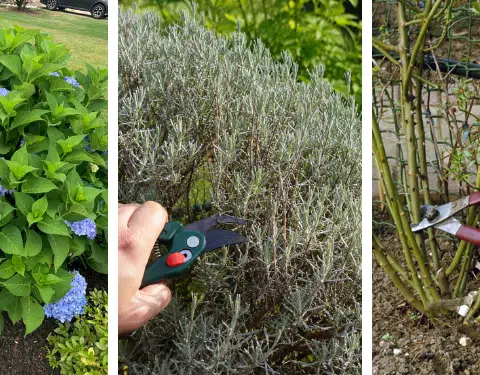
✔ Prune Affected Parts: Use clean, sterilized pruning shears to remove infected leaves, stems, or branches.
✔ Dispose Properly: Burn infected plant material or throw it in the trash—do not compost diseased plants, as some pathogens can survive composting.
✔ Disinfect Gardening Tools: Soak pruning shears and garden tools in a bleach solution (1 part bleach to 9 parts water) to prevent cross-contamination.
💡 Pro Tip: Always wear gloves and wash hands after handling diseased plants to prevent spreading infections.
3. Use Natural and Organic Disease Treatments
Instead of relying on chemical fungicides, you can use natural and organic solutions to prevent and treat plant diseases.
Many household items and organic treatments effectively combat fungal, bacterial, and viral infections.
Best Natural Disease Treatments:
✔ Neem Oil: Acts as a natural fungicide and insect repellent.
✔ Baking Soda Spray: Mix 1 tablespoon of baking soda with 1 gallon of water and a few drops of liquid soap to combat fungal diseases.
✔ Garlic and Onion Spray: Blend garlic, onion, and water to create an antifungal treatment.
✔ Hydrogen Peroxide Solution: Mix 3% hydrogen peroxide with water to kill bacteria and fungi.
✔ Milk Spray for Powdery Mildew: Dilute milk with water (1:9 ratio) and spray on plants to prevent and control powdery mildew.
💡 Bonus Tip: Regularly apply these organic sprays every 7-10 days, especially in humid conditions where diseases thrive.
4. Encourage Beneficial Insects and Companion Planting
Many garden pests carry diseases that infect plants. Introducing beneficial insects and using companion planting techniques can naturally prevent the spread of plant diseases.
How Beneficial Insects Help:
✔ Ladybugs and Lacewings: Feed on aphids and other sap-sucking pests that spread viruses.
✔ Parasitic Wasps: Control caterpillars and larvae that damage plant leaves.
✔ Bees and Butterflies: Improve pollination, leading to stronger plants with better disease resistance.
Best Companion Plants for Disease Prevention:
✔ Marigolds: Repel nematodes and harmful insects.
✔ Basil: Deters mosquitoes and tomato hornworms.
✔ Chives and Garlic: Reduce fungal infections in tomatoes and roses.
✔ Nasturtiums: Trap aphids away from valuable crops.
✔ Dill and Cilantro: Attract beneficial predatory insects that keep harmful pests under control.
💡 Pro Tip: Plant diverse crops in your garden to prevent monoculture-related disease outbreaks.
Preventing and eliminating plant diseases doesn’t have to involve harsh chemicals.
By focusing on soil health, removing infected plants, using organic treatments, and encouraging beneficial insects, you can create a thriving, disease-resistant garden.