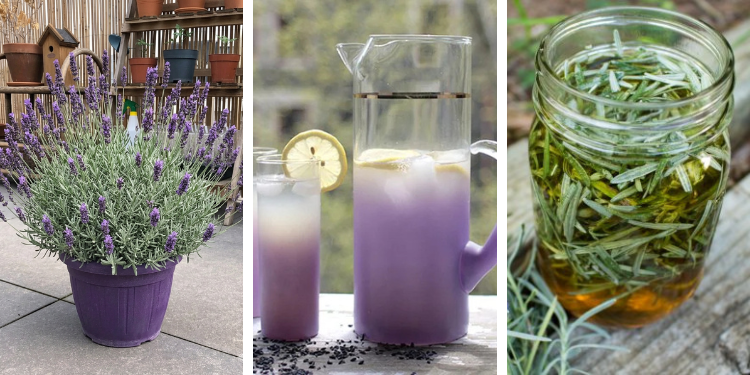
Few scents encapsulate the calm, grounding essence of summer quite like fresh lavender (Lavandula angustifolia).
When a mature lavender bush erupts into bloom, it transforms the garden into a humming oasis of deep purple wands and soothing fragrance.
However, that vibrant outdoor display is fleeting. As the heat of late summer intensifies, the blossoms inevitably begin to fade.
Capturing that soothing aromatic magic before it slips away is one of the most rewarding projects a home gardener can undertake.
Learning how to dry lavender correctly preserves not only the flower’s iconic color but also the rich essential oils locked within its tiny buds.
Once dried properly, your harvest transforms into a versatile domestic asset. From natural home remedies and stress-relieving self-care routines to artisanal culinary treats and eco-friendly cleaning solutions, a jar of homegrown dried lavender brings a touch of sustainable luxury to your home all year long.
The Critical Step: Timing Your Harvest
The secret to perfectly dried lavender doesn’t actually happen during the drying process – it starts with the harvest.
Many gardeners make the mistake of waiting until the entire stem is in full, glorious bloom before cutting. By that point, the plant has already poured its volatile oils into attracting pollinators, and the older petals will quickly drop off, turning brown and messy once dried.
To maximize color retention and lock in the highest concentration of fragrance, you must catch the plant at its chemical peak.
The Golden Rule of Lavender: Harvest when only the bottom one-third of the flowers on the spike have opened. The top two-thirds should still be tightly sealed, swollen buds. These unopened buds contain the highest concentration of essential oils and will hold their vivid purple hue indefinitely once dried.
Tips for a Perfect Cut:
-
The Best Time of Day: Cut your stems in the early morning, right after the morning dew has completely evaporated but before the intense midday sun bakes the volatile oils out of the foliage.
-
Where to Cut: Follow the flower stem down to where it meets the main mound of green leaves. Cut the stem long, leaving about an inch of green growth above the woody base. Never cut directly into the old, grey wood of a lavender plant, as this can permanently stunt or kill that section of the bush.
How to Dry Lavender: Step-by-Step
While modern shortcuts like food dehydrators or low-temperature ovens exist, the traditional air-drying method remains the gold standard.
It preserves the delicate shape of the buds and prevents the heat from degrading the therapeutic qualities of the essential oils.
15 Creative Ways to Use Dried Lavender
Once your glass jars are packed with clean, aromatic purple buds, you have a treasure trove of domestic options. Here are fifteen brilliant ways to put your lavender harvest to work around your home.
In the Apothecary & Self-Care
1. Deeply Relaxing Sleep Sachets
Tuck a handful of dried lavender buds into a small cotton or muslin pouch and place it inside your pillowcase.
The gentle friction of your head moving during the night releases subtle waves of linalool – the natural compound in lavender that calms the central nervous system, slows the heart rate, and induces deep, restorative sleep.
2. Soothing Oatmeal and Lavender Bath Soaks
Mix equal parts dried lavender buds, whole oats, and Epsom salts inside a clean sock or fabric pouch. Tie it tightly and drop it into a hot running bath.
The oats create a milky, skin-softening soak that calms itchy or sun-exposed skin, while the lavender steam relaxes tired muscles.
3. Stress-Relieving Facial Steams
Add two tablespoons of dried lavender buds to a large glass bowl of boiling water. Lean over the bowl with a towel draped over your head to trap the steam, inhaling deeply for five minutes.
The warm vapors open pores and cleanse the skin while providing immediate mental clarity.
4. Custom Lavender-Infused Healing Oils
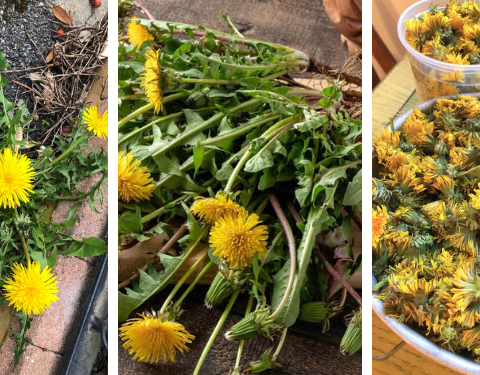
Fill a clean jar halfway with dried lavender buds and submerge them completely in a high-quality carrier oil like jojoba, sweet almond, or liquid coconut oil.
Let it steep in a dark cupboard for 4 to 6 weeks, shaking every few days. Strain out the buds and use the fragrant oil as a nourishing body moisturizer, massage oil, or split-end hair treatment.
5. Headache-Relieving Herbal Flax Liners
Sew a simple rectangular cotton pouch filled with a mixture of whole flaxseeds and dried lavender buds. Warm it gently in the microwave for 30 seconds or chill it in the freezer for an hour.
Place the pouch over your eyes or across the back of your neck to melt away tension headaches and sinus pressure.
Around the House & Cleaning
6. Eco-Friendly Deodorizing Carpet Powder
Pulse half a cup of dried lavender buds with two cups of baking soda in a food processor or blender until finely powdered.
Sprinkle this fragrant mixture generously over tired carpets, rugs, or fabric pet beds. Let it sit for 20 to 30 minutes to absorb trapped moisture and odors, then vacuum thoroughly.
7. Botanical Closet & Drawer Liners
Tuck small linen sachets filled with dried lavender into your clothing drawers, coat closets, and linen bins.
Lavender is a time-tested, completely natural alternative to chemical mothballs; its pungent essential oils smell beautiful to humans but are highly offensive to destructive clothes moths and silverfish.
8. Calming Linen and Ironing Water
Boil a quarter-cup of dried lavender buds in two cups of distilled water for five minutes. Let it cool completely, strain it through a fine coffee filter to remove all plant particles, and pour the liquid into a spray bottle.
Mist it lightly over fresh sheets, curtains, or use it in your steam iron to impart a crisp, clean scent to clothing.
9. All-Natural Lavender and Vinegar Surface Spray
Pack a quart-sized glass mason jar with dried lavender buds and fill it to the top with plain white cleaning vinegar. Let it infuse in a dark cabinet for two weeks until the liquid turns a deep purple-pink color.
Strain, dilute 50/50 with water, and use it as a powerful kitchen and bathroom counter spray that cuts through grime without harsh chemical fumes.
10. Long-Lasting Botanical Fire Starters
Don’t throw away the bare woody stems left over after stripping your lavender buds. Tie the dried stems together with kitchen twine into small bundles.
Toss a bundle into your fireplace or autumn campfire; as the woody resins catch fire, they emit a beautiful, sweet crackle and a pleasant aroma that deters evening mosquitoes.
In the Kitchen & Pantry
11. Artisanal Herbes de Provence Blend
Create your own classic French seasoning by blending equal parts dried lavender buds, rosemary, thyme, savory, oregano, and marjoram.
This sophisticated blend is phenomenal when rubbed onto roasted chicken, tossed with olive oil over root vegetables, or sprinkled into summer tomato stews.
12. Elegant Lavender Simple Syrup
Simmer one cup of water, one cup of sugar, and one tablespoon of culinary dried lavender buds for five minutes.
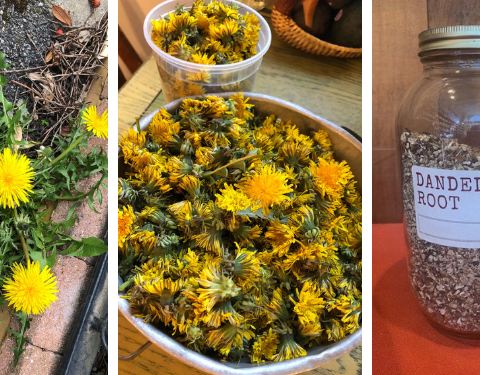
Remove from heat, let it steep until cool, and strain. Drizzle this syrup into fresh lemonade, iced lattes, or use it to brush between layers of a lemon sponge cake for a delicate floral note.
Lavender Simple Syrup Balance: 1 Cup Water + 1 Cup Granulated Sugar + 1 Tablespoon Dried Lavender Buds *Tip: Do not over-steep, or the syrup can develop a soapy, medicinal taste.
13. Soothing Evening Lavender-Chamomile Tea
Blend dried lavender buds with dried chamomile flowers and loose-leaf rooibos tea. Steep a teaspoon of this blend in hot water for five minutes, finishing with a drizzle of raw honey.
It makes a perfect, completely caffeine-free evening ritual to signal to your body that it is time to unwind.
14. Floral Infused Finishing Sugars
Layer dried lavender buds and granulated white sugar in a clean, airtight glass jar (roughly one teaspoon of lavender per cup of sugar).
Let the jar sit for two weeks, shaking it occasionally to distribute the oils. Sift out the buds if desired, and use the fragrant sugar to roll sugar cookies, sweeten shortbread, or top fresh summer berries.
15. Showstopping Edible Cake Garnishes
Keep a few small, intact dried lavender bundles specifically for presentation. Placed elegantly across a cheese board, tucked alongside fresh figs, or arranged on top of a frosted vanilla cake, they add an instant touch of professional, rustic magic to any culinary creation.
Knowing Your Cultivar: Culinary vs. Crafting
Before diving into the kitchen applications, it is helpful to note which type of lavender you harvested. While all true lavender is non-toxic, different varieties yield vastly different results:
| Lavender Type | Common Cultivars | Flavor Profile | Best Use Case |
| English Lavender (Lavandula angustifolia) | Munstead, Hidcote, Jean Davis | Sweet, delicate, fruity, low camphor | Baking, teas, simple syrups, direct culinary use |
| French / Hybrid Lavender (Lavandula x intermedia) | Grosso, Provence | Pungent, sharp, pine-like, high camphor | Sachets, carpet powders, oils, cleaning solutions, crafts |
By matching your specific harvest to its ideal domestic use and mastering the simple art of air-drying, you turn a brief summer bloom into a year-round resource that brings comfort, cleanliness, and joy to your everyday life.