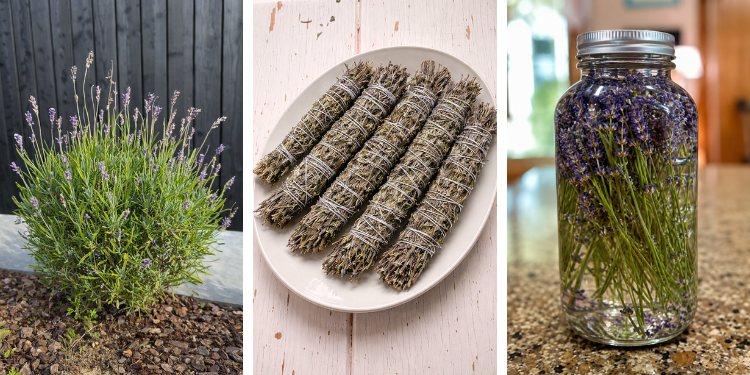
Few plants encapsulate the romance, utility, and sensory delight of a sun-drenched garden quite like lavender (Lavandula).
A staple of traditional cottage gardens and modern sustainable landscapes alike, this hardy Mediterranean perennial is loved worldwide for its silvery, evergreen foliage, striking purple flower spikes, and deeply relaxing fragrance.
Yet, many gardeners view lavender purely as an ornamental feature – something beautiful to look at on a warm summer afternoon, but otherwise passive. In reality, lavender is an exceptionally versatile workhorse of the botanical world.
The plant’s leaves, stems, and blossoms are packed with potent essential oils that offer incredible value across multiple facets of daily life.
Whether you cultivate a single container on a bright patio or tend a sweeping landscape border, introducing lavender into your garden ecosystem yields benefits far beyond simple aesthetics.
Here is an in-depth look at the four primary ecological and practical reasons to grow this incredible herb, followed by twenty brilliant, hands-on ways to utilize your annual harvest around your home.
4 Compelling Reasons to Grow Lavender
If you need inspiration to add this fragrant herb to your garden beds or containers, look at the unique ecological and structural advantages it brings to your home environment.
1. A Lifeline for Local Pollinators
Lavender blooms heavily from late spring through mid-summer, providing an invaluable, sugar-rich food source precisely when native insect populations are peaking.
The uniquely shaped tubular blossoms are packed with high-grade nectar that draws native bumblebees, honeybees, hoverflies, and butterflies to your yard.
By planting lavender, you establish a reliable ecological sanctuary that supports localized biodiversity.
Furthermore, this heavy influx of beneficial insects creates a powerful ripple effect throughout your yard: as bees are drawn in by the lavender, they will simultaneously visit and cross-pollinate your nearby backyard vegetable crops, leading to significantly higher yields of tomatoes, squash, and peppers.
2. Built-In Climate Resilience and Low Water Needs
As a native of the rocky, arid Mediterranean basin, lavender has evolved to survive under intense environmental pressures.
It possesses an exceptionally robust, deep-reaching root system that makes it highly drought-tolerant once established.
Lavender thrives in lean, nutrient-poor, sandy, or gravelly soils where other ornamental perennials would quickly wither from lack of nutrition or moisture.
By filling sunny borders or exposed slopes with lavender, you embrace water-conscious landscaping (xeriscaping).
Once established, it requires zero supplemental watering outside of prolonged droughts, allowing you to cut down on utility costs while maintaining a lush, visually striking garden feature.
3. Natural Forage Protection (Deer & Rabbit Resistant)
If local wildlife regularly treats your backyard garden beds like an open buffet, lavender functions as an effective, natural living shield.
The leaves and stems are packed with highly concentrated, pungent volatile aromatic oils, primarily linalool and linalyl acetate.
While humans find this scent incredibly soothing and therapeutic, browsing mammals like deer and rabbits find the intense aroma and resinous, pine-like texture highly unpalatable.
They will go out of their way to avoid browsing the plant. Planting a dense perimeter of lavender around vulnerable ornamental beds or vegetable patches acts as a sensory deterrent, safely steering hungry wildlife away from your prized plants without the need for harsh chemical animal repellents.
4. A Continuous, Multi-Year Harvest
Unlike annual herbs like basil or cilantro that must be replanted every spring, lavender is an enduring, woody subshrub.
With proper pruning to prevent the center from becoming overly woody or splitting, a single healthy plant will reward you with an abundant, ever-increasing harvest of flowers and fragrant leaves for ten to fifteen years.
It serves as a permanent, reliable source of raw materials for your home apothecary, kitchen, and cleaning routines, offering an exceptional return on a small initial investment.
20 Brilliant and Practical Ways to Use Your Lavender Harvest
From the kitchen to the linen closet, lavender’s distinct chemical and physical properties make it one of the most versatile crops you can harvest.
Creative Culinary Innovations
-
1. Floral Infused Sugar: Layer dried lavender buds with granulated sugar in an airtight jar for two weeks, shaking it every few days. Strain out the buds to leave behind a beautifully perfumed sugar that elevates delicate shortbread cookies, lemon scones, or spring cakes.
-
2. Artisanal Simple Syrup: Simmer equal parts sugar and water with a handful of fresh buds for ten minutes, then strain. This vibrant simple syrup is excellent for sweetening homemade iced lattes, fresh lemonades, or botanical evening mocktails.
-
3. Homemade Herbes de Provence: Blend dried lavender leaves and flowers with thyme, rosemary, savory, and marjoram. This classic French seasoning mix is perfect for tossing with olive oil over roasting summer root vegetables, potatoes, or grilled proteins.
-
4. Floral Infused Honey: Place a few dried sprigs into a jar of raw local honey and allow it to steep on a warm windowsill for two weeks. Once strained, this thick, aromatic honey makes a spectacular pairing drizzled over fresh goat cheese, charcuterie boards, or warm biscuits.
-
5. Grilling Aromatics: Don’t throw away the stiff, woody stems left over from your seasonal pruning. Soak them in water for thirty minutes, then toss them directly onto hot charcoal briquettes during the last few minutes of grilling to infuse food with a subtle, earthy, wood-smoke herbal note.
Natural Home & Laundry Solutions
-
6. Classic Linen Sachets: Fill small, breathable cotton or organza bags with dried lavender buds. Tucked inside dresser drawers, gym bags, or hung on hangers in closets, they keep clothes smelling crisp while functioning as a traditional, non-toxic moth deterrent.
-
7. Relaxing Ironing Spray: Simmer distilled water with lavender buds, cool completely, and strain into a clean spray bottle. Mist lightly over linens, curtains, and bedsheets while ironing to infuse the fibers with a long-lasting, clean scent.
-
8. Carpet Refreshing Powder: Combine a half-cup of baking soda with two tablespoons of finely crushed dried lavender buds. Sprinkle evenly over rugs, let sit for 20 minutes to absorb deep odors, and vacuum away to leave the room smelling fresh.
-
9. Botanical Countertop Cleaner: Infuse a glass jar of white cleaning vinegar with fresh lavender sprigs and lemon peels for two weeks. Strain and dilute 50/50 with water for a highly effective, antibacterial surface spray that cuts through grime without chemical fumes.
-
10. Fragrant Dryer Bundles: Tie a dense handful of dried lavender stalks tightly with cotton baker’s twine and toss it into the clothes dryer with your sheets and towels. A single bundle can be reused for three to four cycles to subtly scent laundry without single-use dryer sheets.
Home Apothecary & Self-Care
-
11. Grounding Sleep Tea: Blend equal parts dried lavender buds and chamomile flowers. Steep a tablespoon in boiling water for 10 minutes for a gentle, evening herbal infusion that signals the nervous system to wind down before bed.
-
12. Botanical Steam Facial: Place a handful of fresh or dried flowers into a large ceramic bowl of boiling water. Drape a large towel completely over your head to trap the steam, leaning over the bowl for 5 minutes to open pores and soothe dry skin.
-
13. Hydrotherapy Bath Salts: Mix one cup of coarse Epsom salt, a half-cup of sea salt, and two tablespoons of dried lavender buds. The warm water releases the plant’s essential oils, helping comfort sore, fatigued muscles after a long day of yard work.
-
14. Infused Nourishing Body Oil: Submerge dried lavender flowers in a carrier oil like sweet almond or jojoba oil inside a sealed glass jar. Leave it in a warm location for four weeks, strain through cheesecloth, and use as a calming moisturizer.
-
15. Quick Insect Bite Balm: Crush fresh lavender leaves between your fingertips to release the green plant juices and rub directly onto fresh mosquito bites. The natural anti-inflammatory compounds help reduce localized itching and swelling instantly.
Crafting, Decor, and Garden Utility
-
16. Traditional Dried Bouquets: Harvest fresh scapes just as the very bottom blossoms begin to open. Tie them in loose bundles with twine and hang them upside down in a dark, well-ventilated room for two weeks to create everlasting decorative arrangements that hold their color.
-
17. Botanical Pressed Art: Arrange individual fresh purple flowers flat between sheets of parchment paper inside a heavy book. After two weeks, use the preserved, paper-thin blossoms to decorate homemade greeting cards, resin coasters, or framed art.
-
18. Soothing Aromatherapy Eye Pillows: Fill a clean, soft fabric pouch with a mix of dried lavender buds and uncooked flaxseeds or organic rice. Sew the edge closed; when placed over tired eyes during relaxation, the weight and aroma provide immediate physical comfort.
-
19. Holiday Smudge Sticks & Wreaths: Weave long, flexible fresh lavender wands together with rosemary and sage, securing them with wire to form fragrant, living kitchen wreaths or dried aromatic fire starters for the winter fireplace.
-
20. Natural Pest-Deterrent Garden Mulch: Use the coarse, dried leaves and woody trimmings left over from your autumn pruning as a fragrant mulch layer around vulnerable garden vegetables to help deter crawling insect pests.
Harvesting Checklist for Peak Aromatics
To ensure your harvest has the maximum concentration of essential oils, follow this precise sequence when gathering your lavender:
Choosing the Right Variety: English vs. French
When planning your harvest uses, it helps to distinguish between the two primary types of lavender found in nurseries:
-
English Lavender (Lavandula angustifolia): This variety produces compact, sweet-scented flowers with a smooth, delicate aroma. It has a low concentration of camphor, making it the only type recommended for culinary uses like baking and syrups. Popular cultivars include ‘Munstead’ and ‘Hidcote’.
-
French/Spanish Lavender (Lavandula dentata / stoechas): These varieties feature showy, wing-like bracts at the top of the flower head. They produce a much higher concentration of camphor, giving them a sharp, pine-like, medicinal scent. While fantastic for pest control, cleaning sprays, and heavy decorative crafts, they taste soapy and bitter, and should be avoided in the kitchen.
Cultivating a thriving lavender plant is an exercise in mindful restraint.
By giving this resilient Mediterranean native exactly what it evolved to love – blistering sunshine, poor rocky soil, and minimal water – you set up an enduring system that gives back far more than it takes.