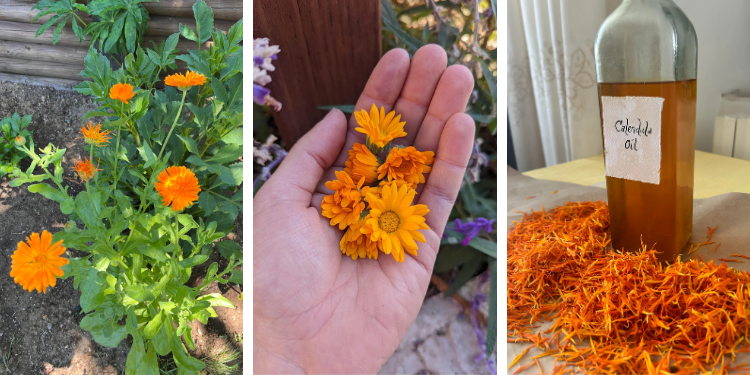
Commonly known as the Pot Marigold (though it is structurally distinct from common French or African marigolds of the Tagetes genus), calendula is a hardy annual that punches far above its weight class.
It features bright daisy-like flower heads that glow in shades of radiant gold, soft cream, and deep amber-orange.
But calling calendula a simple decorative flower is a massive understatement. It is a biological powerhouse that acts as a natural pest deterrent, a soil protector, an edible culinary delight, and a cornerstone of natural home wellness.
Whether you manage an expansive suburban vegetable patch, a compact urban balcony container display, or a relaxed backyard flower border, here are 12 undeniable reasons why every garden needs calendula.
1. A Legendary “Trap Crop” that Outsmarts Garden Pests
One of the greatest headaches for any backyard vegetable grower is dealing with destructive insects like aphids, thrips, and whiteflies, which suck the juices from tender tomato vines and pepper plants.
Calendula acts as a highly effective, sacrificial shield known as a trap crop.
The stems and leaves of the calendula plant are covered in microscopic glandular hairs that secrete a thick, intensely sticky, resinous sap.
Annoying pests are naturally drawn to the bright color of the plant, land on the stems, and find themselves physically glued in place, unable to move or reproduce.
By strategically planting a border of calendula around your high-value vegetables, you trap destructive bugs before they can ever reach your crops.
2. Magnetizing Beneficial Insects and Pollinator Crews
While calendula is a nightmare for destructive pests, it is an absolute paradise for the insects you want to invite into your landscape.
The wide, open, accessible center of the flower head is perfectly designed for a wide array of native pollinators.
Furthermore, it is a primary food source for beneficial predatory insects, such as hoverflies, ladybugs, and lacewings.
The adult phases of these insects feed heavily on calendula pollen and nectar, then lay their eggs directly nearby.
When their larvae hatch, they go to work devouring thousands of soft-bodied aphids, providing your garden with free, round-the-clock organic pest control.
3. It Blooms Straight Through Spring and Autumn Chills
Many popular garden annuals – such as zinnias, petunias, and basil – quickly turn black and melt away at the very first sign of an autumn frost. Calendula is an exceptionally tough cool-season survivor.
It handles frosty mornings with ease, comfortably surviving ambient temperature drops down to 25°F (-4°C) without losing its beautiful structure.
It is often the very first flower to burst into bloom in the chilly mud of early spring, and it remains a solitary, glowing beacon of gold in your garden beds late into November long after other plants have died back.
4. Edible Golden Petals for Your Culinary Creations
Historically dubbed “Poor Man’s Saffron,” calendula has a rich culinary history dating back to medieval Europe. The vibrant petals can be pulled fresh from the flower head and used as an edible garnish.
They possess a mild, slightly peppery, and tangy flavor profile that adds incredible visual style to summer salads, rice dishes, and open-faced sandwiches.
When dried and ground into a fine powder, the petals release a natural golden pigment that can be used to impart a beautiful, rich yellow hue to homemade cheeses, butter, and baked goods.
5. An Inexpensive, Effortless Visual Groundcover
Building a lush, full garden can quickly become an expensive project if you rely entirely on purchasing plastic nursery pots every spring. Calendula is one of the easiest, most economical plants to grow directly from seed.
The curved, distinct seeds look like miniature crescent moons or dried caterpillars and germinate rapidly in raw soil within 5 to 7 days.
Because the plants naturally grow into dense, low-branching clumps roughly 12 to 24 inches tall, they quickly fill empty spaces, creating a solid carpet of green foliage that blocks out sunlight and helps suppress weeds.
6. A Natural Underground Defense Against Bad Nematodes
The benefits of growing calendula aren’t just limited to what you can see above the ground; this plant performs vital structural work deep within the soil matrix.
The root system of Calendula officinalis naturally secretes specific biochemical compounds into the surrounding root zone (the rhizosphere).
These natural secretions are highly toxic to destructive root-knot nematodes – microscopic soil-dwelling roundworms that attack the roots of tomatoes, potatoes, and carrots, causing stunted growth and yellow leaves.
Planting calendula as a companion throughout your vegetable beds helps clean and sanitize the soil zone naturally.
7. It Is a Master of Polite Self-Seeding
Once you buy a single packet of high-quality calendula seeds and plant them on your property, you will likely never have to pay for them again.
As the flower heads finish blooming, they drop a wealth of seeds directly into the surrounding soil.
Unlike invasive weeds that try to choke out your garden, calendula is a highly polite self-seeder. The small winter-hardy seeds sit quietly in the soil through the winter months and sprout precisely when the ground warms up the following spring.
If they pop up in an inconvenient spot, their shallow roots make them incredibly easy to pull up or transplant elsewhere.
8. Exceptional Adaptability to Every Soil Type
Many high-end ornamental flowers require pristine, perfectly balanced, and highly amended sandy loam soils to keep from rotting or stunting. Calendula is famously unbothered by poor growing conditions.
While it certainly appreciates good drainage, it handles heavy clay, lean sandy soil, and slightly alkaline pH levels without skipping a beat.
It is an exceptional pioneer plant for filling difficult clay banks, gravel walkways, or nutrient-depleted raised beds where other ornamental plants struggle to take root.
9. The Ideal Companion Plant for Heavy Feeders
In the practice of companion planting, certain combinations work beautifully because they don’t compete for the same resources.
Calendula is a shallow-rooted annual that pairs perfectly with “heavy-feeding” vegetable crops that possess deep taproots or expansive root networks, such as broccoli, kale, cabbage, and tomatoes.
Because it occupies a completely different layer of the soil stratum, it can grow tightly alongside your vegetables, providing pest protection and shade to keep the soil cool without stealing vital nutrients or moisture away from your main food harvest.
10. Continuous Harvest Potential via “Cut-and-Come-Again” Mechanics
Some flowers give you a single burst of color and are done for the season, but calendula operates on a highly efficient “cut-and-come-again” growth pattern. The plant features a natural instinct to reproduce by setting seed.
When you regularly snip off the open flower heads to use in your kitchen or home projects, you disrupt this seeding process.
The plant immediately redirects its internal energy sideways, triggering a wave of latent growth buds to break open along the stem.
The more you harvest calendula, the harder it works to reward you with double the amount of fresh new blossoms.
11. It Acts as a Visual “Soil Moisture Indicator”
Because calendula leaves are wide, soft, and highly responsive to water pressure within the plant (turgor pressure), they serve as excellent natural warning signs for your irrigation routine.
When the top two inches of your garden soil dry out completely, the outer leaves of the calendula plant will flag and droop slightly before your precious tomatoes or peppers show signs of stress.
This clear visual cue lets you know it’s time to turn on the hose, allowing you to catch dry spells early before your high-value crops suffer permanent damage or blossom drop.
12. A Cornerstone Ingredient for Natural Hand Creams and Salves
Beyond the kitchen and the garden gate, calendula is highly respected for its historic applications in traditional skincare.
The sticky resins, flavonoids, and carotenoids concentrated inside the flower heads are intensely soothing to dry, irritated skin.
Gardeners who spend hours working in the dirt with bare hands often suffer from dry, cracked skin and minor scratches.
By harvesting your abundant summer calendula crop, you can easily craft a deeply restorative, protective salve that immediately goes to work moisturizing tired hands.
The Herbalist’s Sequence: How to Make a Simple Calendula Infused Oil
To bring the soothing properties of your calendula harvest indoors, you can easily create a beautiful, golden infused oil that serves as the perfect base for home-cooked lotions, lip balms, or soothing skin rubs. Follow this simple, step-by-step extraction sequence:
If this article inspired you to start growing medicinal plants like calendula, the Medicinal Garden Kit is a wonderful place to begin.
Inside you’ll find 2,409 non-GMO seeds, a detailed Herbal Medicinal Guide, and 2 FREE bonuses to help you grow a wide variety of traditional medicinal herbs with confidence.
Whether you’re interested in growing herbs for teas, infused oils, salves, tinctures, or simply creating a more useful and self-sufficient garden, this kit includes everything you need to get started.
Calendula is just one of many remarkable plants included in the collection. If you’re ready to grow your own backyard pharmacy, take a look at the Medicinal Garden Kit.