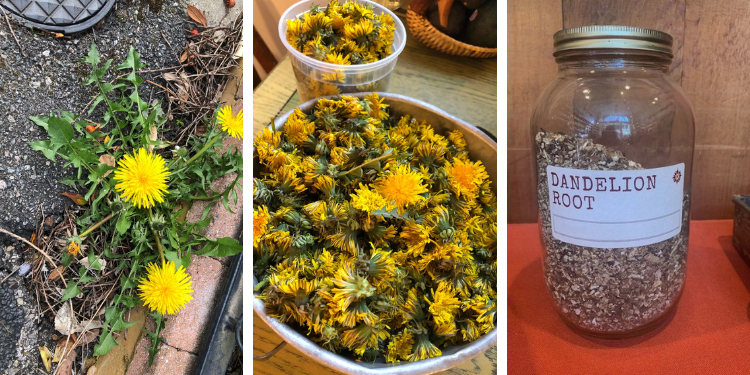
To modern suburbanites, the golden blossom of the dandelion (Taraxacum officinale) is often viewed as a persistent pest – an unwanted intruder in manicured lawns.
Yet across ancient civilizations, from Traditional Chinese Medicine (TCM) to European and Arabian herbalism, this ubiquitous plant was cultivated as a revered botanical medicine.
Its French name, dent-de-lion (“lion’s tooth”), references its jagged leaves, while its traditional French nickname, pissenlit (“pee in bed”), candidly acknowledges its potent diuretic properties.
Far from being a nuisance weed, every single part of the dandelion – from its bright yellow petals down to its deep taproot – is an edible, nutrient-dense power plant packed with polyphenols, essential minerals, prebiotics, and bioactive compounds. Modern clinical pharmacology is now validating what traditional healers knew centuries ago.
Here is a detailed exploration of how dandelion interacts with human physiology, why ancient cultures prized it, and how to safely incorporate it into your routine.
The Historical Legacy: A Worldwide Botanical Staple
Dandelions were brought across the Atlantic on the Mayflower by early European settlers not by accident, but as an indispensable crop.
-
Arabian Medicine (10th Century): Persian physicians such as Avicenna documented dandelion in medical texts as a vital remedy for hepatic congestion, spleen disorders, and chronic digestive inflammation.
-
Traditional Chinese Medicine (Pu Gong Ying): For thousands of years, TCM practitioners used dandelion to “clear heat” and detoxify the liver and stomach channels, frequently applying fresh preparations topically for skin inflammation.
-
European Herbal Tradition: European monastic physicians utilized dandelion root tea as a liver tonic, kidney flush, and spring blood purifier to reverse winter nutrient deficiencies.
5 Primary Physiological Impacts of Dandelion on the Body
Modern science reveals that different plant organs contain distinct bioactive chemical profiles:
1. Natural Diuresis Without Potassium Depletion
Pharmaceutical diuretics (water pills) often force the kidneys to excrete water and sodium, but they carry a major drawback: they strip the body of vital potassium, leading to muscle cramps and electrolyte imbalances.
- The Potassium Replacement Mechanism: Dandelion leaves act as a natural, potent diuretic (aquaretic). Research published in the Journal of Alternative and Complementary Medicine demonstrated that dandelion leaf extract significantly increases fluid excretion within hours.
- Built-in Balance: Uniquely, dandelion leaves are one of the richest plant sources of potassium. As the plant stimulates kidney fluid clearance, it simultaneously replenishes potassium levels, maintaining ideal electrolyte stability.
2. Liver Stimulation and Bile Production (Choleretic Action)
The taproot of the dandelion contains high concentrations of bitter compounds known as sesquiterpene lactones (including taraxacin).
-
Bile Synthesis: When these bitter compounds hit taste receptors on the tongue, they trigger a neural signal that stimulates the liver to produce bile and prompts the gallbladder to release stored bile into the small intestine.
-
Fat Emulsification: Increased bile flow accelerates the breakdown of dietary fats, enhances the clearance of bilirubin, and improves Phase II liver detoxification, aiding in the processing of metabolic waste.
3. Gut Microbiome Support via Inulin Prebiotics
Dandelion root harvested in autumn contains up to 40% inulin by weight.
-
Microbiome Nourishment: Inulin is a soluble prebiotic fiber that human enzymes cannot digest. It passes untouched into the colon, where it serves as food for beneficial gut flora such as Bifidobacteria.
-
Blood Sugar Regulation: Inulin slows gastric emptying and carbohydrate absorption, blunting post-meal blood glucose spikes and enhancing overall insulin sensitivity.
4. High-Capacity Antioxidant Defense
Dandelions are packed with powerful antioxidants that protect cells against oxidative stress:
-
Chicoric and Chlorogenic Acid: These phenolic compounds inhibit carbohydrate-cleaving enzymes (alpha-glucosidase), aiding in blood sugar management and reducing systemic inflammation.
-
Lutein and Beta-Carotene: Dandelion greens contain more Vitamin A and beta-carotene per gram than spinach, supplying vital compounds that protect ocular tissues from macular degeneration.
5. Smooth Muscle Relaxation and Anti-Inflammatory Effects
The plant contains concentrated taraxasterol, a phytosterol that helps regulate the immune response by suppressing pro-inflammatory signaling pathways (such as NF-kB).
This helps calm chronic low-grade tissue inflammation and alleviates mild joint stiffness.
Plant Part Anatomical Breakdown
| Plant Part | Key Compounds | Primary Body Target | Best Culinary / Health Use |
| Leaves (Greens) | Potassium, Vitamin K, Lutein, Chicoric Acid | Kidneys, Eyes, Blood Pressure | Raw in salads, sautéed with garlic |
| Taproot | Inulin, Taraxacin, Sesquiterpenes | Liver, Gallbladder, Gut Microbiome | Decoction tea, roasted coffee alternative |
| Flowers (Petals) | Flavonoids, Polyphenols, Carotenoids | Immune system, Skin tissue | Infused syrups, botanical jellies, teas |
| Latex (Stem Sap) | Polyisoprene compounds | Skin application (External only) | Traditional topical for mild warts |
How to Prepare Dandelion Safely at Home
To experience dandelion’s therapeutic benefits without bitterness or gastrointestinal distress, follow these preparation steps:
Safety Warning & Contraindications: While dandelion is generally safe, individuals with gallbladder blockages, acute gallstones, or severe bile duct obstruction should avoid dandelion root, as stimulating bile flow can cause complications. Additionally, because dandelion is part of the Asteraceae plant family (alongside ragweed, daisies, and marigolds), individuals with severe ragweed allergies should use caution.
The common dandelion is one of nature’s most misunderstood botanical gifts.