For generations, homeowners have engaged in a quiet, relentless war against the wild plants that colonize their lawns.
Millions of dollars are spent annually on chemical herbicides, specialized tools, and synthetic fertilizers designed to achieve a singular, manicured ideal: a seamless carpet of uniform green grass. In this quest for suburban perfection, biodiversity is treated as the ultimate enemy.
Yet, if you pause and look closely at the edges of your driveway, tucked into the patches of thin soil near your garden beds, or interspersed directly within the turf, you will likely spot a resilient survivor.
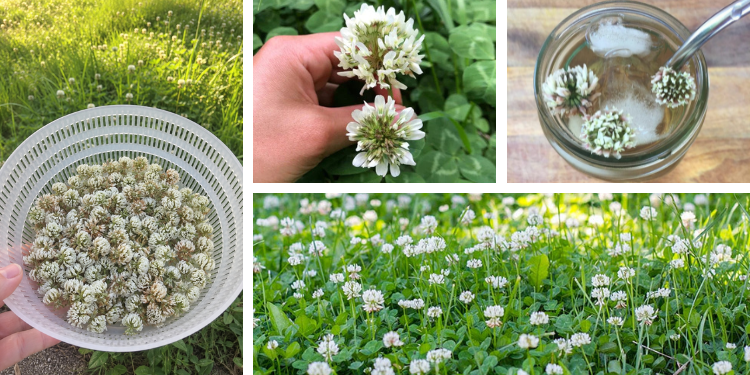
It is a humble, low-growing plant featuring iconic three-part leaves and round, pom-pom-like white flower heads that seem to pop up overnight.
To the untrained eye conditioned by modern lawn-care commercials, it is just another pesky weed destined for a dose of chemical weed killer.
To clinical herbalists, foraging experts, and traditional wellness practitioners, however, this plant is one of nature’s most magnificent, versatile gifts: White Clover (Trifolium repens).
The Nutritional Profile: A Hiding Superfood
Before diving into the medicinal applications of Trifolium repens, it is essential to look at its fundamental nutritional density.
We often buy exotic greens from the grocery store, completely unaware that a highly nutritious plant is growing right outside our backdoor.
When harvested young, the three-lobed leaves of white clover are exceptionally rich in highly digestible plant proteins.
Gram for gram, clover leaves contain nutritional values that rival cultivated alfalfa. Concurrently, the plant concentrates impressive levels of vital micronutrients:
-
Beta-Carotene (Vitamin A): Supports cellular vision health and mucosal membrane immunity.
-
Ascorbic Acid (Vitamin C): A powerful antioxidant that fortifies the human immune response and stabilizes collagen production.
-
Calcium and Magnesium: Vital macro-minerals required for optimal bone density and neuromuscular relaxation.
-
Bio-Available Trace Minerals: Including copper, iron, zinc, and manganese, drawn up from the deep subsoil by the clover’s robust taproot network.
The Core Health Benefits of White Clover
In traditional Western folk medicine and indigenous American ethnobotany, white clover was highly valued for its multi-systemic therapeutic actions. Modern plant chemistry helps explain why these historical remedies achieved such consistent success.
1. Advanced Lymphatic Drainage and Blood Purification
In historical herbalism, white clover is primarily classified as an alterative – an herb that gradually restores proper metabolic and eliminology functions to the body, colloquially known as a “blood purifier.”
Clover contains specific phytochemicals that stimulate the movement of the lymphatic system. Your lymphatic system is the body’s internal drainage network, responsible for clearing away cellular waste, stagnant fluids, and metabolic byproducts.
By encouraging lymphatic flow, white clover infusions help resolve swollen lymph nodes, reduce systemic fluid retention, and clear up sluggish skin conditions like eczema and chronic psoriasis from the inside out.
2. Deep Respiratory Relief for Stubborn Coughs
The flower heads of white clover contain natural antispasmodic and expectorant compounds. When prepared as a warm infusion, these active molecules target the smooth muscle tissues of the respiratory tract.
For individuals dealing with dry, hacking winter coughs, spasmodic bronchitis, or tight chest congestion, white clover tea behaves as a gentle relaxant.
It calms the underlying cough reflex while simultaneously thinning thick, trapped mucus, allowing the respiratory cilia to flush it out of the lungs with far greater ease.
3. A Rich Source of Protective Isoflavones
Much like its botanical cousin, Red Clover (Trifolium pratense), white clover blossoms contain isoflavones – a class of highly protective polyphenolic compounds.
Isoflavones function as potent antioxidants that neutralize cellular free radicals before they can cause oxidative damage to DNA networks.
Furthermore, these molecules function as mild phytoestrogens, gently binding to estrogen receptors in the human body to assist in balancing fluctuating hormone levels during menstrual transitions and menopause.
4. Immune Fortification and Wound Recovery
The high concentration of natural tannins and salicylates (the natural blueprint for aspirin) within white clover flowers provides excellent anti-inflammatory and mild analgesic properties.
Drinking the tea during seasonal transitions helps fortify the immune response against common environmental invaders.
Topically, a cooled infusion or a raw plant poultice can be applied to minor skin scrapes, sunburns, or insect bites to rapidly reduce heat, localized swelling, and throbbing pain.
| Therapeutic Benefit | Primary Active Component | Main Target System | Clinical Outcome |
| Lymphatic Drainage | Phytosterols & Alkaloids | Lymphatic Network | Reduces fluid stagnation, clears skin |
| Expectorant Action | Antispasmodic Oils | Respiratory Tract | Calms dry coughs, thins chest mucus |
| Hormonal Balance | Plant Isoflavones | Endocrine System | Minimizes menopausal heat and spikes |
| Topical Soothing | Tannins & Salicylates | Dermal Tissues | Reduces skin inflammation, stops weeping |
4 Ways to Use White Clover in Everyday Life
If you have confirmed that your yard has a clean patch of white clover completely free from chemical weed killers, synthetic fertilizers, and pet traffic, you can integrate this wild botanical into your daily routine using four distinct methods.
1. The Classic Honey-Scented Wellness Tea
The easiest and most common way to experience the internal health benefits of white clover is by brewing a simple water infusion.
The blossoms yield a beautiful, pale golden tea with a naturally sweet, clean flavor profile reminiscent of fresh-cut hay and wildflower honey.
-
How to Brew: Place 1 to 2 tablespoons of dried white clover flower heads (or a small handful of clean, fresh blossoms) into a ceramic mug. Pour 8 ounces of hot water (around 200°F) directly over the flowers. Cover the mug with a small saucer immediately to prevent the volatile botanical compounds from escaping with the steam. Let the tea steep for 10 to 12 minutes. Strain out the blossoms, add a tiny drop of raw honey if desired, and drink warm.
2. A Restorative Skin-Soothing Tonic
For managing localized skin conditions, minor sunburns, or facial redness, a concentrated cold-water clover extraction works beautifully as a chemical-free cosmetic compress.
-
How to Prepare: Simmer half a cup of fresh white clover flowers and leaves in two cups of pure filtered water for fifteen minutes. Allow the mixture to cool completely to room temperature, then strain the liquid through fine cheesecloth into a glass jar. Soak a clean cotton washcloth in the chilled liquid and lay it directly over irritated skin, swollen joints, or tired under-eye areas for 15 minutes to rapidly pull out cellular heat and inflammation.
3. Nutrient-Dense Kitchen Culinary Additions
The young, tender, pre-flowering green leaves of white clover make an excellent, vitamin-rich addition to everyday meals.
Because they are exceptionally dense in plant protein and minerals, they can be utilized as a direct substitute for domestic spinach or parsley.
-
In the Kitchen: Harvest the small green leaves before the white flowers open, as they become slightly bitter and tough later in the season. Rinse them thoroughly in cold water. Chop them finely and toss them into fresh summer salads, blend them into morning green smoothies, or sauté them lightly with a bit of olive oil and fresh garlic as a nutritious side dish.
4. An Emergency Field Poultice for Bug Bites
When working outdoors in the garden, minor mishaps like bee stings, mosquito bites, or stinging nettle scrapes are bound to happen. Wild white clover is a fantastic first-aid asset hiding right beneath your feet.
-
Application: Harvest a small handful of fresh clover leaves and blossoms. Crush them thoroughly between your palms, or bruise them with a clean stone, to break the cellular walls and release the rich, green, juice-laden interior. Apply this moist pulp directly over the active bug bite or sting. The natural astringent tannins will quickly draw out the venom, while the native salicylates numb the immediate itching and burning sensations.
Step-by-Step Guide: Harvesting and Preserving White Clover
To ensure you have access to white clover’s health benefits long after winter frosts arrive, you can easily preserve the blossoms at their absolute peak of seasonal potency.
Crucial Identification Rules and Foraging Safety
Whenever you harvest wild plants for food or wellness, absolute accuracy in identification is a matter of safety. White clover is distinct, but basic safety steps must always be observed:
-
The Leaf Chevron: Examine the three oval leaflets carefully. True white clover (Trifolium repens) typically features a distinct, pale whitish-green “V” or crescent-shaped watermark on the upper face of each leaf, known as a chevron.
-
The Naked Stem: Ensure the flower stems are completely naked, rising independently straight up from the creeping ground runners (stolons), rather than branching out from thick leafy stalks.
-
Avoid Chemical Zones: Never harvest clover from yards treated with synthetic chemical weed killers, roadside ditches exposed to heavy car exhaust, or high-traffic pet zones. Look for clean, wild patches.
-
The Mold Prohibition: Never consume or brew clover blossoms that have turned brown or damp during storage. Improperly dried clover can develop a specific mold that interacts with the plant’s natural chemistry to create an anticoagulant compound, which can interfere with blood clotting. Keep your dried stash bone-dry.
The next time you walk across your lawn and spot a cluster of round white blossoms swaying above a sea of three-lobed green leaves, don’t rush to eliminate them with chemical sprays.
Take a moment to appreciate the incredible resilience, nutritional density, and deep healing history packed into that tiny, uninvited guest.