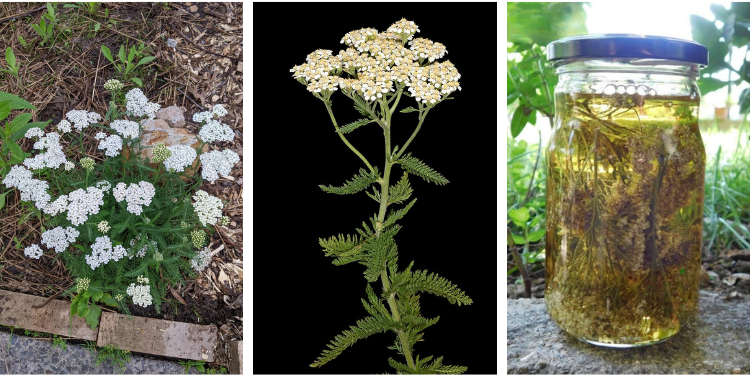
Among the vast array of perennials available to the modern grower, few plants possess the rich history, rugged resilience, and sheer ecological utility of yarrow (Achillea millefolium).
Named after the mythical Greek hero Achilles – who famously used the herb to staunch the bleeding wounds of his soldiers on the battlefields of Troy – yarrow has evolved from an ancient battlefield medicine into an absolute necessity for the sustainable, organic backyard gardener.
With its feathery, fern-like green foliage, striking flat-topped flower clusters, and an ability to thrive where other plants wither, yarrow is far more than a pretty face in a perennial border.
It is a dynamic accumulator of soil nutrients, a biological pest controller, a companion planting powerhouse, and a drought-tolerant champion all rolled into one.
Furthermore, its benefits extend far beyond the soil. Yarrow is a time-tested herbal ally packed with health-promoting properties that you can easily utilize right from your kitchen.
Whether you are looking to revitalize poor soil, attract a small army of beneficial insects, or cultivate a natural home apothecary, here are 12 practical reasons why yarrow deserves a permanent home in your garden beds this season.
12 Reasons to Plant Yarrow in Your Garden
1. Unmatched Drought and Heat Resilience
As climate patterns shift and summer water restrictions become a common reality, cultivating a water-wise landscape is a practical necessity.
Yarrow is a native prairie plant built to endure intense heat and prolonged dry spells. Its finely divided, feathery leaves feature minimal surface area, dramatically reducing water loss via evaporation.
Once its root system is established, yarrow can comfortably survive on natural rainfall alone, remaining lush and vibrant while surrounding turfgrass turns brown and dormant.
2. A Living “Dynamic Accumulator” of Soil Nutrients
One of yarrow’s greatest hidden talents lies beneath the soil surface. Yarrow possesses a deep, extensive mining root system that penetrates far into the hard subsoil layers that standard vegetable roots can never reach.
As these roots travel downward, they absorb locked-up trace minerals and nutrients – specifically potassium, phosphorus, calcium, copper, and magnesium.
The plant stores these minerals directly within its leafy green tissue. When the foliage dies back or is pruned, it drops to the earth, decomposes, and releases these vital nutrients right into the topsoil layer where shallow-rooted plants can easily feast on them.
3. The Ultimate Compost Pile Accelerator
Because yarrow foliage is uniquely dense in trace minerals and rich in volatile essential oils, it acts as a natural biochemical activator when added to a backyard compost bin.
Tossing fresh yarrow clippings into a slow, cool compost pile introduces a massive burst of cellular nutrients that feed and rapidly multiply beneficial decomposing bacteria.
This micro-biological explosion generates intense internal heat, causing coarse brown leaves, twigs, and kitchen scraps to break down into rich, crumbly black gold up to twice as fast as an unassisted pile.
4. An Open Invitation for Beneficial Insect Armies
If you want to eliminate harmful pests like aphids, thrips, and hornworms from your vegetable garden without resorting to dangerous chemical sprays, you need to recruit nature’s own predators. Yarrow is arguably the single most effective insectary plant you can grow.
Unlike tubular flowers that restrict access, yarrow’s flat-topped flower clusters (umbels) are made up of hundreds of tiny, shallow blossoms.
This open architecture provides the perfect landing pad and an easily accessible source of nectar and pollen for microscopic beneficial predators, including ladybugs, lacewings, hoverflies, and predatory parasitic wasps.
The adult wasps sip the nectar for energy, then hunt down and lay eggs inside the destructive caterpillars eating your prize tomatoes.
5. Built-In Resistance to Deer and Rabbits
Few things are as frustrating as waking up to find your newly planted perennials chewed down to bare nubs by foraging deer or neighborhood rabbits.
Fortunately, yarrow comes equipped with an entirely natural, built-in defense mechanism. The entire plant is saturated with high concentrations of aromatic compounds, including chamaezulene and cineole.
These oils give the crushed leaves a sharp, pungent, medicinal scent that browsing mammals find deeply unpalatable and highly distressing to their sensitive olfactory systems. They will consistently bypass your yarrow borders in search of less fragrant forage.
6. Heavy-Duty Weed Suppression and Living Mulch
Yarrow spreads reliably over time through a network of horizontal underground rhizomes, forming a dense, interlocking, subterranean mat.
Above ground, its thick, carpet-like tufts of feathery basal foliage grow so tightly together that they physically block out sunlight from hitting the soil surface.
By planting yarrow along the edges of your garden beds or as a path border, you create a highly effective living mulch barrier that chokes out aggressive weed seeds before they ever have a chance to germinate.
7. Excellent Clay and Soil Conditioning
If your property is plagued by heavy, sticky, compacted clay soil that turns into a brick-like consistency during dry summer spells, yarrow can help.
Its tough, fibrous root structures are incredibly opportunistic, drilling into microscopic fissures in the clay. As the roots expand, die off, and regenerate, they naturally create channels through the compacted earth.
This introduces vital oxygen deep into the root zone, improves overall water drainage, and encourages beneficial earthworms to migrate into the area, transforming stubborn clay into loose, fertile loam over time.
8. Continuous Blooms Across a Long Season
While many perennials flash their colors for a brief two-to-three-week window and then retire into a wall of plain green leaves, yarrow is a remarkably generous performer.
It typically begins launching its initial flower stalks in early summer and will continue pushing out fresh color continuously through mid-autumn.
Its blossoms are incredibly durable, holding their structural shape and vivid color for weeks on the stem before gently fading into attractive, architectural dried seed heads that provide valuable winter visual interest.
9. A True Lifetime Companion for Fruit Trees
In permaculture design, yarrow is considered a mandatory component of any successful “fruit tree guild.” Planting a ring of yarrow directly beneath the drip line of an apple, pear, or peach tree provides three simultaneous benefits: Its deep roots mine nutrients to feed the tree; its low foliage suppresses grass and weeds that compete for moisture; and its blossoms attract the exact pollinators needed to fertilize the tree’s spring fruit blossoms.
It forms a self-sustaining, multi-layered ecosystem that reduces the need for external fertilizers and inputs.
10. Exceptional Structural Diversity for Cutting Gardens
For those who love creating fresh home floral arrangements, yarrow is a top-tier cutting asset. Its stiff, perfectly straight, leafless flower stems make it incredibly easy to insert into structural bouquets.
Because the flower heads are wide, flat, and horizontal, they provide an excellent visual contrast to spike-shaped flowers (like delphiniums) or rounded blossoms (like roses). Furthermore, yarrow has an exceptional vase life, easily lasting up to two weeks in clean water without drooping.
11. Effortless and Forgiving Root Propagation
Once you purchase a single yarrow plant, you never need to buy another one again. Yarrow responds beautifully to root division.
Every two to three years, a healthy yarrow patch will become dense and crowded. In early spring or autumn, you can simply slice through the center of the root clump with a sharp spade, lift a section out, and replant it elsewhere in your yard.
The plant heals rapidly from this disruption, and within a few weeks, both divided sections will bounce back thicker and more vigorous than before.
12. A Safe Haven for Late-Season Pollinators
As the crisp days of autumn arrive and summer annuals begin to wither and die, native bumblebees, honeybees, and migrating monarch butterflies find themselves facing a severe food shortage.
Because yarrow continues blooming late into the season, it serves as a vital, high-energy nectar station. Allowing your yarrow to stand through October provides a critical lifeline that helps native pollinators stock up on resources before winter hibernation or long migratory flights.
The Health Benefits of Yarrow
Beyond its exceptional performance in the garden, yarrow is a cornerstone of traditional western herbalism.
The aerial parts of the plant – the leaves and the flowers – are rich in flavonoids, alkaloids, and volatile oils (like azulene) that give the plant its bitter, aromatic, and therapeutic properties.
-
Supports Digestive Health: As a classic “bitter” herb, yarrow stimulates the secretion of bile and digestive enzymes, helping to ease bloating, gas, and minor stomach cramps.
-
Regulates Circulation and Cardiovascular Flow: Yarrow has amphoteric properties regarding circulation, meaning it can both help tone blood vessels and promote healthy blood flow. It is traditionally used to improve stagnant circulatory conditions.
-
Aids Wound Healing (Vulnerary): True to its name Achillea, yarrow is highly valued for its ability to clean minor cuts, soothe inflamed skin, and assist the body’s natural tissue repair mechanisms when applied topically.
-
Manages Fevers (Diaphoretic): Drunk as a hot tea, yarrow promotes sweating. In traditional folk medicine, it is a go-to remedy at the first sign of a cold or fever to help the body naturally vent heat through the skin.
How to Use Yarrow (Home Herbal Recipes)
To get the most out of your home harvest, ensure you use the common white or yellow varieties (Achillea millefolium) for consumption, as highly cultivated ornamental pink or purple varieties may have lower concentrations of therapeutic essential oils.
Recipe 1: Traditional Sweating & Digestive Tea
This is the classic way to enjoy yarrow. It is bitter, so pairing it with honey and peppermint makes it highly palatable.
-
Ingredients:
-
1 teaspoon dried yarrow leaves and flowers (or 2 teaspoons fresh)
-
1 teaspoon dried peppermint leaves (helps cut the bitterness and adds digestive support)
-
1 cup boiling water
-
Raw honey to taste
-
-
Instructions: Place the yarrow and peppermint in a tea infuser or mug. Pour boiling water over the herbs, cover tightly with a saucer (to trap the volatile, steam-borne essential oils), and steep for 10 minutes. Strain, stir in honey, and sip warm before bed or after a heavy meal.
Recipe 2: Soothing Skin & First-Aid Salve
This topical salve is perfect for minor scrapes, bug bites, chapped hands, or minor garden scratches.
Safety and Smart Usage Guidelines
While yarrow is highly beneficial, a few safety precautions should always be observed:
Pregnancy Warning: Yarrow should completely be avoided internally during pregnancy, as it can act as a uterine stimulant.
Allergy Alert: People who are highly sensitive to plants in the Asteraceae (daisy/ragweed) family may experience mild contact dermatitis when handling fresh yarrow.
Identification: If foraging wild yarrow instead of planting nursery-verified stock, ensure proper identification, as yarrow can look superficially similar to toxic water hemlock or poison hemlock.
If this article inspired you to start growing medicinal plants like yarrow, the Medicinal Garden Kit is a wonderful place to begin.
Inside you’ll find 2,409 non-GMO seeds, a detailed Herbal Medicinal Guide, and 2 FREE bonuses to help you grow a wide variety of traditional medicinal herbs with confidence.
Whether you’re interested in growing herbs for teas, tinctures, salves, infused oils, or simply becoming more self-sufficient, this kit includes everything you need to get started.
If you’re ready to grow your own backyard pharmacy, take a look at the Medicinal Garden Kit.