Whenever I walk through my garden in the early morning, there is one plant that always makes me pause. It isn’t the flashiest flower in the bed, nor does it have the sweet, intoxicating scent of traditional roses.
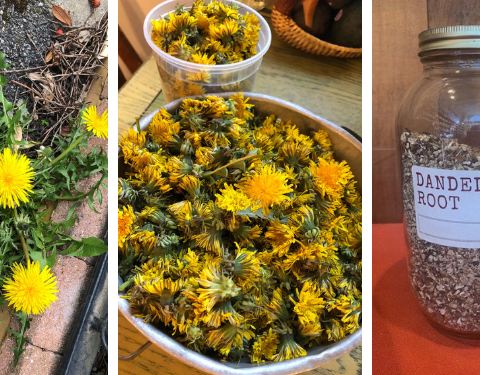
It is yarrow (Achillea millefolium), with its feathery, fern-like green leaves and sturdy clusters of tiny white flowers. To a passing stranger, it might look like a simple wildflower.
But to me, and to generations of healers before us, it is a living piece of history – and one of the most powerful natural tools you can ever cultivate.
It’s been used on battlefields, in kitchens, and in folk remedies for centuries. Some swear by its ability to heal wounds and calm the body – but there’s one use hardly anyone talks about… and it’s probably growing wild near you.
Long before we could run to a neighborhood pharmacy for every minor scrape, burn, or seasonal fever, our ancestors looked directly to the soil.
Among all the flora they gathered, yarrow held a legendary, near-sacred status, earning evocative nicknames like “soldier’s woundwort,” “nosebleed,” and most famously, the “battlefield plant”.
The Ancient Legend of the Battlefield
The history of yarrow goes back thousands of years. Its botanical name, Achillea, directly references Achilles, the mythical Greek hero of the Trojan War.
As the stories go, Achilles was taught the secrets of herbal lore by the centaur Chiron, and he used yarrow on the battlefield to staunch the bleeding and heal the deep wounds of his fallen soldiers.
This wasn’t just myth, though. Throughout history – from the battlefields of ancient Rome to the trenches of the American Civil War – soldiers carried dried yarrow in their satchels.
When a fighter suffered a deep cut, the crushed leaves or powder of this resilient plant were applied directly to the wound.
Yarrow contains natural alkaloids that actively promote blood clotting, acting as a quick styptic. For a warrior miles away from safety, yarrow was quite literally the difference between life and death.
Why My Garden is Never Without It
Thankfully, we aren’t marching onto ancient battlefields today. But when I began building my own home remedy garden, yarrow was the very first herb I wanted to plant. Why?
Because the modern household has its own minor “battlefields”. Whether it’s a slip of the knife while chopping vegetables in the kitchen, a scraped knee from a child playing outside, or a nasty burn after a long afternoon in the sun, yarrow is my immediate go-to resource.
When made into a simple poultice or a soothing salve, yarrow works wonders on skin recovery. But its benefits go far beyond topical care.
A warm cup of yarrow tea is a traditional remedy I rely on at the first sign of a seasonal chill, as it gently helps the body regulate its temperature and clear out toxins naturally.
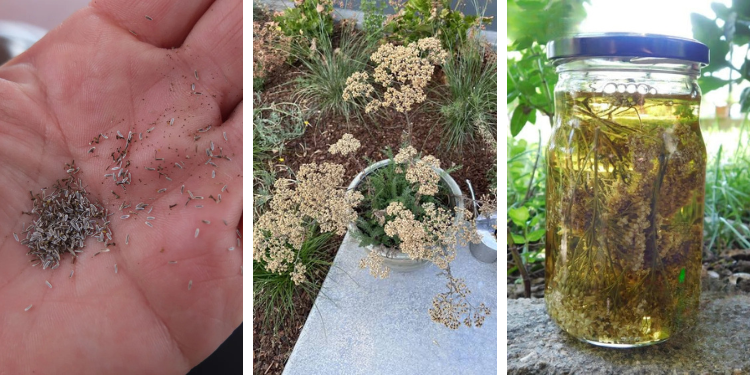
If you’ve ever wanted to be more self-reliant and prepared for life’s everyday emergencies, I highly recommend starting your own small medicine garden. I actually grew my current patch using the heirloom seeds from the Medicinal Garden Kit, which includes 2,409 non-GMO seeds from a selection of traditional medicinal plants and herbs, including yarrow and other backyard pharmacy favorites
An Unsung Hero for Your Soil
While history books remember it as the ultimate “soldier’s herb” capable of sealing wounds mid-battle, modern science is finding that this backyard plant does something incredible for your surrounding garden ecosystem that most people completely overlook.
Beyond its traditional wellness properties, yarrow is an absolute dream for anyone trying to build a healthy, chemical-free backyard garden.
It is what gardeners call a “dynamic accumulator”. Its deep roots draw up valuable nutrients and minerals from deep within the earth, sharing them with the surrounding topsoil.
When its leaves drop or when you chop it back for mulch, it acts as a rich, organic fertilizer for neighboring plants.
Furthermore, those beautiful, flat flower heads attract dozens of beneficial insects – like ladybugs, lacewings, and hoverflies – that eat the pests trying to destroy your vegetables. It’s a natural, built-in line of defense for your entire backyard.
The Power of Self-Reliance in Changing Times
When you look at how much the average person relies on global supply chains for the most basic wellness items, it can feel a little unnerving.
If there is one thing that growing my own herbs has taught me, it’s that true peace of mind doesn’t come from a crowded store shelf or an over-the-counter bottle. It comes from knowing exactly what is in your backyard and understanding how to use it.
Yarrow doesn’t ask for much. It thrives in poor soil, handles drought like a champion, and returns year after year to offer its protection.
It is a quiet reminder that nature has already provided the blueprints for our resilience; we just have to be willing to plant the seeds.
Cultivating Your Own Peace of Mind
Growing yarrow taught me that true health and preparedness don’t always have to come from a commercial store shelf.
Sometimes, the best things we can give our families are grown right outside our back door, nurtured by our own hands.
If you are ready to discover the incredible resilience of plants like yarrow, calendula, chamomile, and lavender, you don’t need a massive farm or years of experience. You can easily start small.
I highly recommend taking a look at this complete Medicinal Garden Kit and Herbal Guide. It gives you the exact seeds, instructions, and confidence you need to cultivate your own backyard pharmacy, ensuring your family always has access to the powerful remedies that generations before us relied upon.