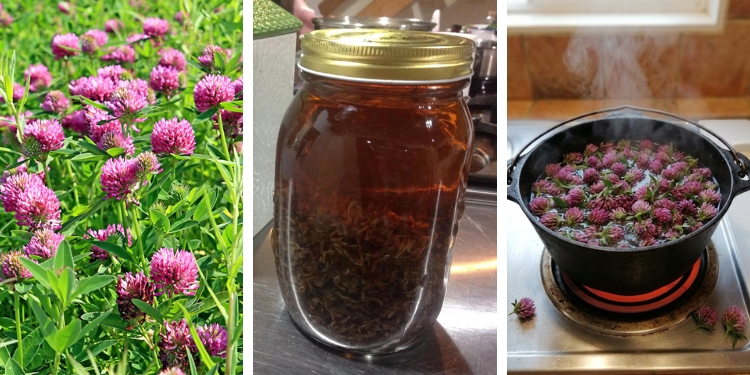
For centuries, traditional herbalists have looked to the vibrant pink-purple blossoms nodding in open meadows as a cornerstone of wellness.
Trifolium pratense, commonly known as red clover, is far more than a familiar wild legume or a simple cover crop used by gardeners to fix nitrogen in the soil.
It is a deeply respected botanical remedy with a rich history spanning both Eastern and Western herbal traditions.
Often gathered in the peak of summer when the blossoms are dense and sweet, red clover serves as a multi-layered tonic.
Today, modern science is catching up to generations of folk wisdom, uncovering the specific plant compounds that allow this humble meadow flower to support hormonal balance, skin vitality, cardiovascular health, and natural detoxification pathways.
The Nutrient Profile of Red Clover
To understand why red clover is so profoundly restorative, we have to look closely at its phytochemical makeup.
It is one of nature’s richest sources of isoflavones – a class of phytoestrogens (plant-based compounds) that can mimic or modulate estrogen in the human body.
While many are familiar with the isoflavones found in soy, red clover actually contains a wider, more bioavailable spectrum, including formononetin, biochanin A, daidzein, and genistein.
Beyond phytoestrogens, the blossoms carry an impressive array of foundational nutrients that support daily vitality:
-
Vitamins: High in Vitamin C, thiamine (B1), niacin (B3), and beta-carotene.
-
Minerals: Rich in highly absorbable calcium, magnesium, potassium, chromium, and phosphorus.
-
Antioxidants: Packed with volatile oils, resins, and tocopherols that neutralize oxidative stress.
15 Amazing Benefits of Red Clover
1. Eases Menopausal Hot Flashes
The most prominent modern application of red clover is its ability to smooth the hormonal transitions of menopause.
Because its isoflavones bind gently to estrogen receptors, they can help mitigate the sudden temperature spikes known as hot flashes.
Studies suggest that standard extracts can significantly reduce both the frequency and intensity of night sweats, providing a natural alternative for women seeking comfort during this transition.
2. Supports Bone Mineral Density
As estrogen levels decline during menopause, women face an accelerated risk of bone loss and osteoporosis. The phytoestrogens in red clover act as mild cellular messengers, signaling bone-building cells to stay active.
By mimicking the protective effects of endogenous estrogen, red clover helps maintain bone structure and slows down the thinning of skeletal tissue.
3. Promotes Radiant Skin and Eases Eczema
In traditional Western herbalism, red clover is celebrated as an “alterative” or blood purifier. Herbalists believe that skin eruptions like eczema, psoriasis, and chronic rashes are often signs of stagnation in the body’s elimination organs.
By supporting lymphatic flow and liver clearing, red clover addresses the root causes of skin distress, resulting in a clearer, more resilient complexion. Topically, its anti-inflammatory properties soothe irritated, red, or itchy tissues.
4. Enhances Cardiovascular and Arterial Health
Healthy arteries must remain flexible and elastic to pump blood efficiently throughout the body. Red clover has been shown to improve arterial compliance – the ability of blood vessels to expand and contract with each pulse.
This reduces the workload on the heart. Additionally, its antioxidant profile helps protect blood vessels from plaque-inducing oxidative damage.
5. Optimizes Cholesterol Profiles
Maintaining a healthy balance between “good” HDL cholesterol and “bad” LDL cholesterol is vital for long-term longevity.
Clinical observations indicate that the active isoflavones in red clover help raise protective HDL levels while preventing the oxidation of LDL particles, supporting clean circulation and overall metabolic wellness.
6. Stimulates Lymphatic Drainage and Detoxification
The lymphatic system is the body’s internal drainage network, responsible for clearing cellular waste, dead pathogens, and fluid buildup.
Red clover is a premier lymphatic stimulant. It helps “unstuck” swollen lymph nodes, thins out sluggish fluids, and facilitates the smooth transfer of cellular waste to the primary elimination organs.
7. Soothes Spasmodic Coughs and Respiratory Congestion
Historically, red clover syrup was a staple remedy for whooping cough, bronchitis, and stubborn dry hacking. It possesses natural antispasmodic properties that relax the muscles of the respiratory tract.
Acting as a mild expectorant, it thins out stubborn mucus in the lungs and bronchi, making it easier to clear stubborn congestion.
8. Nurtures Healthy Hair and Scalp
The benefits of red clover extend directly to hair care, particularly for those experiencing thinning or scalp inflammation.
Applied as a topical rinse or infused oil, red clover extract blocks the enzyme 5-alpha-reductase, which is tied to the production of DHT – a hormone responsible for pattern hair loss. It also calms dandruff and fortifies the hair matrix from the follicle up.
9. Supports Healthy Liver and Kidney Function
Because it gently promotes both urination (mild diuretic effect) and bile production, red clover ensures that the kidneys and liver are working optimally.
By accelerating the filtration and removal of metabolic byproducts, it keeps the body’s internal environment balanced and clear.
10. Modulates Inflammation Pathways
Chronic, low-grade inflammation is a primary driver behind many modern wellness complaints, from joint discomfort to digestive issues.
Red clover contains natural anti-inflammatory agents that help down-regulate pro-inflammatory cytokines, easing systemic stress on soft tissues and joints.
11. Promotes Deep Rest and Emotional Calm
The physical tension that accompanies hormonal imbalances or a sluggish lymphatic system often translates into restless sleep and anxiety.
By stabilizing estrogen patterns and providing a dense source of muscle-relaxing magnesium, a warm cup of red clover tea in the evening acts as a gentle, grounding nervine that coaxes the nervous system into a state of rest.
12. Supports Safe Cellular Growth
The specific isoflavones genistein and biochanin A found in red clover have been studied extensively in vitro for their role in cellular protection.
These compounds encourage healthy cell division cycles and support apoptosis—the body’s natural mechanism for identifying and safely dismantling damaged or abnormal cells before they can replicate.
13. Strengthens Immunological Response
With its high concentration of Vitamin C and bioflavonoids, red clover offers steady support to the immune system.
By neutralizing free radicals and ensuring clean lymphatic circulation, it allows white blood cells to travel quickly and efficiently throughout the body to meet immune challenges.
14. Eases Monthly Menstrual Discomfort
It isn’t just menopausal women who benefit from red clover’s affinity for the endocrine system.
Women dealing with estrogen dominance – which can manifest as heavy periods, severe cramps, and tender breasts before their cycle – find that red clover helps balance out these extremes, leading to a much smoother, more predictable monthly cycle.
15. Aids Wound Healing and Tissue Repair
When applied topically as a poultice, salve, or wash, red clover accelerates the repair of minor cuts, abrasions, and shallow burns.
Its naturally occurring nutrients stimulate local circulation, supplying fresh oxygen and repair factors to the site of skin damage while keeping localized bacterial activity at bay.
How to Prepare and Use Red Clover
To enjoy the therapeutic potential of red clover, it is essential to prepare it correctly. Because different preparation methods extract different plant compounds, you can easily tailor your approach to meet your specific wellness goals.
Traditional Long-Infusion Tea
A standard quick steep will yield a lovely, fragrant beverage, but an overnight herbal infusion is necessary to draw out the deep mineral content and dense isoflavones.
-
The Ratio: Place 1 ounce of dried red clover blossoms (roughly one loose cup) into a quart-sized glass mason jar.
-
The Steep: Fill the jar to the brim with boiling water, screw the lid on tightly, and let it sit on the counter for 4 to 8 hours (overnight is ideal).
-
The Usage: Strain the deep amber liquid. Drink 1 to 2 cups daily, either chilled or gently reheated. Keep the remainder stored in the refrigerator for up to 3 days.
Healing Red Clover Infused Oil
For topical skin irritations, eczema, or scalp massages, creating a customized botanical oil is highly effective.
-
The Setup: Fill a clean, bone-dry glass jar halfway with dried red clover blossoms. Pour high-quality organic olive oil or jojoba oil over the herbs until they are submerged under at least an inch of oil.
-
The Infusion: Secure the lid and place the jar in a warm, sunny window for 4 to 6 weeks, shaking daily. Alternatively, place the jar in a warm water bath on low heat for 48 hours for a faster extraction.
-
The Finish: Strain through cheesecloth and transfer the infused oil into a dark amber glass bottle. Apply directly to dry skin patches or use as a pre-shampoo scalp treatment.
Safety Guidelines and Smart Use
While red clover is exceptionally gentle and safe for the vast majority of people, its potent phytoestrogen content and natural chemical makeup require a few simple precautions:
Hormone-Sensitive Conditions: Because red clover can mimic estrogen, individuals with a history of estrogen-dependent conditions (such as specific breast or uterine histories) should consult their healthcare provider before using it long-term.
Blood Thinning Considerations: Red clover contains trace amounts of natural coumarins, which can have a very mild blood-thinning effect. If you are scheduled for surgery or are currently taking prescription blood thinners, discontinue use at least two weeks prior.
Pregnancy and Nursing: Due to its active influence on the endocrine system, therapeutic doses of red clover are generally avoided during pregnancy and breastfeeding.
By integrating this nourishing meadow flower into your routine – whether through an overnight mineral-rich infusion, a soothing topical oil, or a calming evening tea – you tap into a time-tested botanical tradition that gently restores balance, clears stagnation, and nurtures vitality from the inside out.