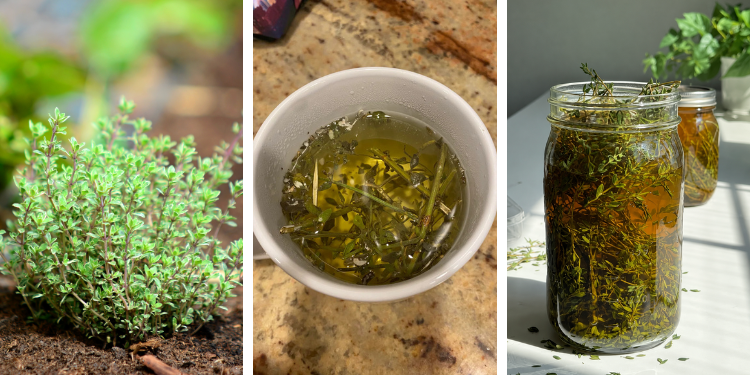
For centuries, thyme (Thymus vulgaris) has been revered as a symbol of courage, a staple of traditional medicine, and an indispensable culinary asset.
While many modern gardeners view it simply as a reliable kitchen herb to toss into a Sunday roast, this low-growing, aromatic subshrub is actually a powerhouse of utility.
Thyme is incredibly resilient, thriving in poor soils and baking sun where more delicate herbs quickly wither.
Whether you are looking to maximize your backyard ecosystem, create a sustainable low-water landscape, or build a natural home apothecary, thyme deserves a permanent place in your garden.
4 Compelling Reasons to Grow Thyme
1. The Ultimate Low-Maintenance, Drought-Hardy Groundcover
Hailing from the rocky, sun-baked hillsides of the Mediterranean, thyme is hardwired to survive on minimal moisture.
Once its fibrous root system is established, it becomes exceptionally drought-tolerant. Varieties like creeping thyme (Thymus serpyllum) form dense, low-growing mats that hug the earth, making them an eco-friendly alternative to water-guzzling grass lawns.
It handles foot traffic gracefully, releasing a soothing, herbaceous aroma every time it is stepped on.
2. A Magnet for Beneficial Pollinators
When thyme erupts into bloom during the mid-summer months, its tiny white, pink, or lavender flowers cover the plant like a blanket.
These blossoms are rich in high-quality nectar, making thyme one of the absolute best plants for attracting honeybees, bumblebees, and predatory wasps.
By placing thyme near your vegetable beds, you will significantly boost the pollination rates – and yields – of your tomatoes, peppers, and squash.
3. Natural Pest Deterrent for Your Garden
While bees love the flowers, destructive garden pests are repelled by the intense concentration of volatile essential oils found within thyme’s tiny leaves.
Thyme contains high levels of thymol, a natural compound that confuses and repels masking pests like cabbage loopers, whiteflies, hornworms, and even aphids.
Planting it as a companion next to vulnerable brassicas or roses creates an aromatic shield that protects your garden naturally.
4. Year-Round Harvesting Potential
Unlike delicate annual herbs like basil or cilantro that turn to mush at the first sign of a frost, thyme is a tough, woody perennial. In many temperate growing zones, it remains evergreen throughout the winter months.
Even when buried under a light layer of snow, you can brush it aside and harvest fresh, flavorful sprigs for a warming winter stew, ensuring your kitchen never runs dry of fresh herbs.
20 Brilliant Ways to Use Thyme
Now that your garden is overflowing with this fragrant herb, it’s time to put it to work. From the kitchen to the medicine cabinet and the cleaning closet, here are twenty ways to unlock thyme’s full potential.
In the Kitchen & Pantry
1. The Foundation of Bouquet Garni
Tie a few sprigs of fresh thyme together with parsley stalks and a bay leaf using kitchen twine. Drop this classic French bundle into stocks, bone broths, and long-simmering sauces, removing it just before serving to impart a deep, layered earthiness.
2. Craft an Artisanal Za’atar Blend
Mix dried thyme with toasted sesame seeds, tangy sumac, and sea salt. This classic Middle Eastern condiment is phenomenal when drizzled with olive oil on warm flatbread, tossed over roasted chickpeas, or used as a dry rub for grilled meats.
3. Infuse Aromatic Herbed Oils
Fill a clean, dry glass jar with slightly bruised fresh thyme sprigs and cover them completely with high-quality extra virgin olive oil.
Let it steep in a cool, dark cupboard for two weeks, then strain. Use this flavorful oil to finish fresh salads, roasted potatoes, or warm focaccia.
4. Brighten Up with Lemon-Thyme Butter
Finely mince fresh lemon thyme leaves and mash them into softened, unsalted grass-fed butter along with a pinch of sea salt and lemon zest. Roll the butter into a log using parchment paper and freeze.
Slice off a disk to melt over freshly grilled fish, seared steaks, or steamed asparagus.
5. Elevate Roasted Root Vegetables
Toss hearty chunks of carrots, parsnips, sweet potatoes, and onions with olive oil, sea salt, and a generous handful of stripped thyme leaves before roasting at high heat.
Thyme’s savory notes cut through the natural sugars of the vegetables as they caramelize.
6. Preserved Herb Savor Cubes
If you have a massive harvest before a big storm, chop the leaves finely, pack them into silicone ice cube trays, and fill the remaining space with olive oil or melted ghee.
Freeze solid, then pop the cubes into a freezer bag. Drop a cube directly into a hot skillet to jumpstart any savory dish.
7. Sophisticated Botanical Mocktails & Cocktails
Simmer equal parts sugar and water with a cup of fresh thyme sprigs to create a rich botanical simple syrup. Pair this syrup with fresh grapefruit juice, club soda, and a squeeze of lime for an incredibly refreshing, adult-flavored summer beverage.
Classic Thyme Simple Syrup Ratio: 1 Cup Water + 1 Cup Sugar + 1/2 Cup Fresh Thyme Sprigs Simmer for 5 minutes, steep until cool, strain, and refrigerate.
In the Home Apothecary & Self-Care Routine
8. Soothing Herbal Steam for Congestion
Thymol is a well-documented, powerful natural expectorant. Drop a handful of fresh or dried thyme leaves into a large bowl of boiling water.
Drape a towel over your head, lean over the bowl, and inhale the aromatic steam deeply for 5 to 10 minutes to help open stubborn sinuses and loosen chest congestion.
9. Calming Honey Syrup for Tickly Throats
Simmer fresh thyme sprigs in water for 10 minutes, strain out the plant material, and let the liquid cool to room temperature.
Mix the remaining herbal water thoroughly with raw, unpasteurized honey. Take a spoonful of this traditional syrup to coat and soothe a scratchy, dry nighttime cough.
10. Antibacterial Botanical Mouthwash
Steep a tablespoon of dried thyme in a cup of boiling water until completely cold, then strain. Use this mineral-rich, antibacterial infusion as a daily oral rinse to fight bad breath, soothe bleeding gums, and support general oral hygiene without the sting of alcohol.
11. Purifying Face Facial Toner
Because of its natural astringent and antimicrobial properties, thyme is highly effective at clearing up stubborn, acne-prone skin.
Steep fresh thyme in witch hazel for two weeks, strain, and apply with a organic cotton pad to clear away excess sebum and soothe inflammation.
12. Clarifying Hair and Scalp Rinse
Brew a strong pot of thyme tea, let it cool completely, and use it as a final rinse after your standard shampoo routine.
Thyme stimulates circulation to the hair follicles, balances oil production on the scalp, and naturally combats the yeast responsible for dandruff.
13. Deeply Restorative Herbal Bath Soak
Tie a large handful of thyme sprigs and Epsom salts inside a muslin pouch or clean sock and drop it into a hot running bath.
The volatile oils will release into the water, helping to ease tight, aching muscles after a long day of yard work while calming an overactive mind.
14. First-Aid Botanical Salve
Infuse dried thyme leaves into sweet almond oil or olive oil over low heat for several hours, strain, and thicken the liquid with melted beeswax.
Pour into small tins to create a portable, all-natural first-aid ointment for minor cuts, scrapes, and insect bites.
Around the House & Everyday Life
15. All-Natural Antibacterial Countertop Spray
Pack a glass quart jar with fresh thyme stems and fill it to the brim with plain white cleaning vinegar. Let it infuse in a dark spot for three to four weeks until the liquid turns a rich amber color.
Strain, dilute 50/50 with water, and use it as a powerful, grease-cutting kitchen and bathroom spray that smells like a fresh meadow.
16. Fragrant Deodorizing Carpet Powder
Pulse dried thyme leaves with baking soda in a blender until finely powdered. Sprinkle this aromatic mix generously over stale carpets or fabric pet beds, let it sit for 20 minutes to absorb trapped odors, and vacuum thoroughly.
17. Scented Drawer Sachets to Ward Off Moths
Fill small linen pouches with dried thyme, lavender, and rosemary leaves. Tuck these sachets into your clothing drawers, linen closets, or winter wool storage bins.
The herbs leave clothes smelling beautifully fresh while naturally deterring destructive clothes moths.
18. Decorative, Long-Lasting Wreaths
The flexible, woody stems of mature thyme plants can easily be woven together to create beautiful, rustic mini-wreaths.
Hang them in your kitchen as a functional piece of living decor; as the stems dry in place, you can pluck leaves directly off the wall for cooking.
19. Natural Repellent Smudge for Campfires
When enjoying an evening outdoors, toss a few large bundles of fresh or dried thyme directly onto the glowing embers of your fire pit or campfire.
The dense, thymol-rich smoke acts as an incredibly effective, completely natural shield against mosquitoes and biting gnats.
20. Elegant, Edible Plate Garnishes
When hosting a dinner party, skip the basic parsley leaf. Use delicate, flowering sprigs of creeping or variegated lemon thyme to garnish dessert plates, cheese boards, or roasted platters. It adds an instant touch of professional, domestic magic to any presentation.
Mastering the Harvest for Maximum Potency
To get the absolute most out of your thyme, timing is everything. Follow this simple sequence to ensure your harvest is packed with the highest possible concentration of therapeutic essential oils:
By integrating this tough, rewarding perennial into your landscape and mastering these simple domestic applications, you transform a basic garden filler into a cornerstone of self-sufficiency, flavor, and wellness.