If you’ve ever grown vegetables, you know pests are part of the process. Aphids cluster on tender stems. Beetles chew leaves overnight.
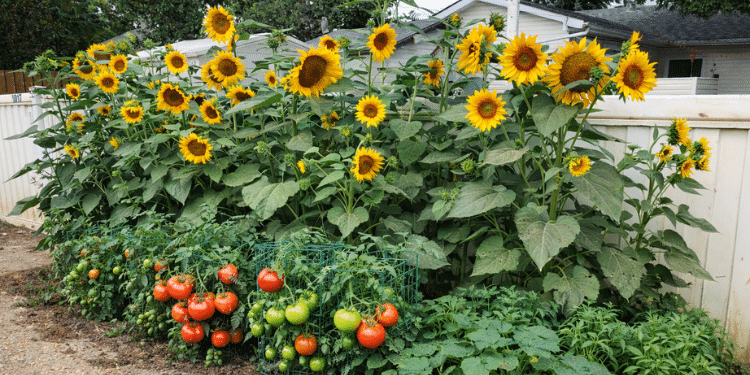
Caterpillars seem to appear out of nowhere. While chemical controls exist, many gardeners prefer a more natural strategy – and one surprisingly powerful method involves planting Sunflower near your vegetable beds.
Sunflowers are more than ornamental giants. They can serve as “trap crops,” meaning they attract certain pests away from your vegetables.
At the same time, they support pollinators, improve soil structure, and create microclimates that benefit nearby plants.
What Is a Trap Crop?
A trap crop is a plant intentionally grown to attract pests away from your main crop. Instead of trying to eliminate every insect, you redirect them.
Trap cropping works because:
- Certain insects prefer specific plants.
- They will choose the trap crop over vegetables.
- You can then manage or remove pests more easily.
Sunflowers are particularly effective because they are tall, visible, nectar-rich, and attractive to many insects.
How Sunflowers Function as Trap Crops
Sunflowers act as a magnet for several common garden pests, including:
- Aphids
- Leaf-footed bugs
- Stink bugs
- Certain beetles
- Caterpillars
Many of these pests are drawn to sunflower leaves and stems before moving into vegetable crops.
By planting sunflowers strategically, you give pests a preferred alternative target – ideally away from tomatoes, peppers, cucumbers, and squash.
1. Sunflowers Attract Aphids Away from Vegetables
Aphids are among the most common vegetable garden pests. They multiply rapidly and cluster on tender new growth.
Sunflowers are especially attractive to aphids. When planted near vegetable beds, aphids often settle on sunflower stems first.
This benefits your vegetables in two ways:
- Aphid pressure on crops may decrease.
- Ladybugs and other beneficial insects gather on sunflowers to feed.
The result is a concentrated pest zone that is easier to monitor and control.
2. They Draw in Beneficial Insects
Sunflowers produce abundant pollen and nectar. This attracts pollinators like bees and butterflies, but also predatory insects such as:
- Lady beetles
- Lacewings
- Parasitic wasps
These beneficial insects feed on aphids, caterpillars, and other pests.
By planting sunflowers near your vegetable patch, you create a beneficial insect hub that helps regulate pest populations naturally.
3. They Divert Stink Bugs and Leaf-Footed Bugs
Stink bugs and leaf-footed bugs are notorious for damaging tomatoes and peppers. They pierce fruit and cause blemishes or deformities.
Sunflowers often attract these bugs first, especially when planted slightly ahead of vegetable planting.
This diversion allows gardeners to monitor sunflower plants closely and remove pests manually before they migrate.
4. Sunflowers Improve Pollination
Vegetables like cucumbers, squash, and pumpkins rely heavily on pollinators.
By planting sunflowers nearby, you increase pollinator traffic in the area. Bees drawn to sunflower blooms often visit nearby vegetable flowers as well.
Improved pollination leads to:
- Better fruit set
- Higher yields
- More uniform vegetables
Even though sunflowers are primarily wind-pollinated, their nectar-rich flowers still attract bees.
5. They Create Natural Windbreaks
Tall sunflower varieties can grow 6–10 feet high. When planted on the north or west side of your vegetable patch, they act as windbreaks.
Reduced wind stress can:
- Protect delicate seedlings
- Reduce soil moisture evaporation
- Prevent broken stems
- Improve plant stability
This is particularly helpful in open or exposed gardens.
6. They Provide Partial Shade During Extreme Heat
In very hot climates, certain vegetables suffer under intense midday sun.
Strategically planted sunflowers can cast light, dappled shade that protects heat-sensitive crops like lettuce and spinach.
Timing and placement are critical. Avoid shading sun-loving vegetables like tomatoes excessively.
7. They Improve Soil Structure
Sunflowers develop deep taproots that penetrate compacted soil layers.
These roots:
- Improve soil aeration
- Increase water infiltration
- Reduce compaction
When sunflowers die back, their decomposing roots leave channels in the soil, benefiting future crops.
8. They Act as Visual Pest Indicators
Because pests are often attracted to sunflowers first, they serve as early warning systems.
If aphids or beetles appear on sunflower leaves, you know pest pressure is increasing in the garden.
This allows proactive management before vegetables are heavily damaged.
How to Use Sunflowers as a Trap Crop Properly
Trap cropping requires strategy. Simply scattering sunflowers randomly may not work effectively.
Plant Placement
Plant sunflowers around the perimeter of your vegetable patch, particularly:
- Along borders
- On the side where prevailing winds bring insects
- Near vulnerable crops like tomatoes
Timing Matters
Sow sunflowers slightly earlier than vegetables. If they are already established when pests arrive, they are more likely to attract attention first.
Choose the Right Variety
Both tall and branching varieties can work. Taller varieties create better wind protection, while branching types provide more flower heads for beneficial insects.
Managing Pests on Sunflowers
Trap cropping only works if pests are managed once concentrated.
Options include:
- Handpicking insects
- Spraying with water to remove aphids
- Pruning heavily infested leaves
- Encouraging natural predators
Avoid allowing pest populations to build excessively, as they may spread back to vegetables.
Common Mistakes Gardeners Make
Planting too few sunflowers may not provide enough attraction to function effectively.
Allowing trap crops to become neglected can result in pest migration.
Planting sunflowers too close to vegetable roots may compete for nutrients and water.
Spacing and monitoring are essential.
Best Vegetables to Pair with Sunflowers
Sunflowers work particularly well near:
- Tomatoes
- Peppers
- Cucumbers
- Squash
- Beans
Avoid planting directly adjacent to crops that require heavy nutrients without supplemental feeding, as sunflowers are moderate feeders.
Additional Benefits Beyond Pest Control
Sunflowers add beauty and vertical interest to the garden. Their bright blooms improve garden aesthetics and attract birds later in the season when seeds mature.
They also support biodiversity, creating a more balanced garden ecosystem.
Are There Any Downsides?
Sunflowers can compete for nutrients and water if planted too densely.
Very tall varieties may cast unwanted shade.
They may attract birds that feed on seeds, although this can be beneficial.
Careful planning minimizes these concerns.
Planting sunflowers near your vegetable patch is more than decorative – it’s strategic.
By using the trap crop method, you redirect pests, attract beneficial insects, improve pollination, enhance soil health, and protect vegetables naturally.