Most people know sage as a fragrant culinary herb, or as the star of smudging rituals used to cleanse a home of bad energy.
But what many don’t realize is that gardeners have been hanging sage bundles near their garden beds for centuries, and the meaning behind this practice is far older than modern house-cleansing trends.
Across cultures – from Native American traditions to Mediterranean folklore – sage has been considered a sacred plant with the power to purify, protect, and attract good health.
When you see a gardener hanging sage near their vegetable patch, greenhouse, fruit trees, or raised beds, it’s not just for decoration.
It is part of an ancient belief system that blends spirituality, energy, plant communication, protection, and even practical gardening wisdom.
Sage: A Plant With a Sacred Reputation
Sage (Salvia officinalis) has been cherished for thousands of years. Its very name comes from the Latin salvare, meaning “to heal,” “to save,” or “to make whole.”
Ancient cultures believed that sage wasn’t just a herb – it was a powerful spiritual ally.
In many traditional beliefs, sage represents:
- Purification
- Protection
- Wisdom
- Healing
- Spiritual clarity
- Restoration of balance
These symbolic meanings made sage an important plant in temples, sacred sites, ritual spaces, and medicine gardens.
Over time, these beliefs naturally extended to the home garden, where people relied on their crops for survival.
Why Gardeners Hang Sage Bundles Near Garden Beds
While the reasons vary depending on tradition, there are several deep-rooted beliefs that have carried through history. Here are the most significant ones – and why they still matter today.
1. Sage Bundles Are Believed to Protect the Garden From Negative Energy
For many cultures, gardens are considered living spiritual spaces. Plants absorb, respond to, and react to energy – both positive and negative.
Hanging a sage bundle near the garden is meant to:
- Clear stagnant or harmful energy
- Protect the plants from unseen negativity
- Create a calm, harmonious growing space
- Encourage healthy, balanced growth
Gardeners who follow traditional or spiritual practices often believe that plants grow better when emotional or energetic “interference” is removed.
Sage, known for its strong cleansing properties, is seen as a guardian of the garden’s life force.
2. It Honors the Ancient Tradition of Appeasing the Land
Long before modern agriculture existed, farmers believed that the land itself was alive – an entity deserving respect, gratitude, and offerings.
In many cultures:
- Herbs were hung in fields to bless the soil
- Plants were offered to garden spirits or land deities
- Sage was burned or displayed to thank the earth for its abundance
Hanging sage bundles connects gardeners to this ancient belief: the idea that a thriving garden requires not only physical care, but spiritual respect.
3. Sage Is Believed to Attract Positive Energy and Growth
Just as sage is used to remove negative energy, it is also believed to attract positive energy.
Gardeners hang sage bundles to bring in:
- Good luck
- Abundance
- Prosperous growth
- Strong harvests
- Healthy plant vibrations
Some believe sage emits a frequency that encourages plant vitality and strengthens their natural resilience.
Even if someone doesn’t fully embrace the metaphysical side, many gardeners say hanging sage helps them set positive intentions for their garden.
4. Sage Bundles Are Used for Blessing the New Growing Season
At the start of spring – or whenever seeds or seedlings are planted – gardeners in many traditions perform a blessing ritual. This usually includes:
- Burning sage
- Hanging sage bundles
- Walking through the garden with the smoke
- Speaking words of protection or gratitude
These rituals mark the beginning of the garden’s “life cycle,” setting the tone for the season. Sage bundles serve as both symbolic offerings and reminders of the gardener’s intentions.
5. In Some Traditions, Sage Is Thought to Repel Harmful Spirits or Forces
Folklore around the world teaches that certain plants help protect crops from supernatural harm. Sage is one of the most powerful “guardian herbs” in these traditions.
Depending on the culture, sage bundles may be used to ward off:
- Evil spirits
- Bad luck
- Envious energy
- Ill intentions from outsiders
- Misfortune or crop failure
This protective meaning is one of the strongest reasons sage is hung near gardens throughout history.
6. Sage Bundles Have Practical Pest-Repelling Properties (A Bonus Benefit)
While the primary reasons are symbolic and spiritual, sage also offers a practical benefit: its strong aroma helps deter certain pests.
Sage naturally repels:
- Mosquitoes
- Carrot flies
- Cabbage moths
- Ants
- Some beetles
While hanging a bundle won’t replace full pest management, it adds a subtle layer of natural protection that gardeners appreciate.
7. It Helps the Gardener Stay Connected to Their Plants on a Deeper Level
Gardening is more than planting seeds – it’s a relationship with nature. Many gardeners use sage bundles as a way to stay grounded, mindful, and emotionally connected to their garden.
Seeing the bundle each day acts as a reminder to:
- Pause
- Observe
- Respect
- Appreciate the garden’s energy and rhythm
This mindfulness creates a deeper bond between the gardener and their plants, often resulting in better care, more patience, and a stronger sense of presence.
8. Sage Represents Wisdom – A Symbol Every Gardener Values
In ancient symbolism, sage is considered the plant of wisdom. Its silver-green leaves were associated with clarity, intuition, and intelligent decision-making.
For gardeners, hanging sage bundles symbolizes:
- Learning from the land
- Making wise choices for soil and plants
- Trusting intuition when working with nature
- Honoring traditional knowledge
It is a small but powerful symbol of thoughtful, respectful growing practices.
9. Sage Bundles Mark Space as Sacred
To many gardeners, the garden is more than a hobby – it is a sanctuary. Hanging sage bundles transforms the area into a sacred space for:
- Reflection
- Healing
- Creativity
- Grounding
- Emotional balance
Plants tend to thrive when the gardener interacts with the garden in a peaceful, intentional way – and sage bundles help set that atmosphere.
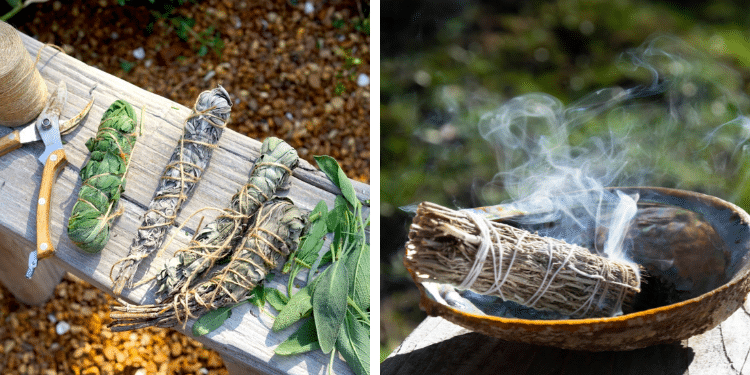
How Gardeners Traditionally Prepare and Use Sage Bundles
While each culture has its own method, the most common traditional steps include:
- Harvesting sage with gratitude
- Bundling the stems tightly with natural twine
- Allowing the bundle to dry completely
- Hanging it near entrances, corners, or central points of the garden
- Replacing it once it fades or becomes brittle
Some gardeners also burn the end lightly to let the smoke drift gently over the soil or plants.
Do You Need To Believe in the Spiritual Meaning for It To Work?
Not at all. Many gardeners hang sage simply because:
- They like the symbolism
- It reminds them of nature’s wisdom
- They enjoy the beauty and fragrance
- It encourages mindfulness
- It helps repel pests
- It keeps them connected to tradition
Whether you view it as spiritual, symbolic, cultural, or simply aesthetic, sage bundles bring a sense of calm and intention to the garden.
The tradition of hanging sage bundles near garden beds is more than a superstition – it’s a powerful reminder that gardening is not just physical labor, but a deeply spiritual act.
It reflects a timeless belief that plants respond to energy, intention, and human presence.