Lavender is one of the world’s most beloved plants – known for its soothing fragrance, calming oils, and beautiful purple blooms. But its magic doesn’t end once the flowers dry.
In fact, dried lavender is one of the most underrated tools you can use in your garden. Scattering dried lavender around your plants has powerful natural benefits, from attracting pollinators to repelling pests and supporting a healthier garden ecosystem.
Whether you grow your own lavender or buy dried bundles, this naturally fragrant herb becomes a multi-purpose garden ally long after it’s harvested.
For gardeners who prefer eco-friendly pest control and want to reduce chemical use, dried lavender is an incredibly effective, sustainable option.
1. Dried Lavender Attracts Pollinators Long After Bloom Season Ends
Fresh lavender blooms are famous for attracting bees, butterflies, bumblebees, and beneficial insects – but most people don’t know that the scent remains strong even after drying.
Lavender contains natural aromatic oils that slowly release over time, and these oils continue to draw pollinators to your garden beds. Scattering dried lavender around flowering plants helps:
- Guide bees toward blooming crops
- Increase pollination for fruits and vegetables
- Attract butterflies and beneficial insects
- Support declining pollinator populations
- Extend the “pollinator season” beyond fresh blooms
Even when dried, lavender still carries enough fragrance to act as a natural beacon for bees searching for nectar-rich areas of the garden.
Perfect for:
- Vegetable gardens
- Flower beds
- Fruit trees
- Berry bushes
- Herb gardens
By inviting more pollinators into your garden, dried lavender helps improve crop yields, fruit set, and overall plant health.
2. It Naturally Repels Pests – Especially Mosquitoes, Moths & Aphids
Lavender is one of nature’s strongest botanical insect repellents. Dried lavender contains the same compounds found in fresh lavender – linalool and camphor – which repel many destructive pests.
When scattered around plants, dried lavender helps deter:
- Mosquitoes
- Moths
- Aphids
- Flea beetles
- Whiteflies
- Leafhoppers
- Ants
- Gnats
These pests dislike lavender’s strong scent, and they avoid areas where it is concentrated. Gardeners who scatter dried lavender around vulnerable plants often notice fewer leaf-chewing pests and reduced insect damage.
Especially helpful around:
- Roses (aphids hate lavender)
- Tomatoes
- Cabbage family crops
- Peppers
- Herbs
- Flowering annuals
- Entryways and patios
If you’re looking for a gentle, chemical-free way to protect your garden, dried lavender is one of the easiest and most pleasant-smelling solutions available.
3. Dried Lavender Improves Soil & Supports Microbial Balance
While lavender is best known for its fragrance, it also contains natural antimicrobial and antifungal properties that help keep soil healthy.
As dried lavender breaks down into the soil, it contributes organic matter and beneficial compounds that support a balanced soil ecosystem.
Adding dried lavender to the garden can help:
- Reduce fungal growth on soil surfaces
- Keep moisture levels more balanced
- Improve soil structure as it decomposes
- Contribute trace nutrients back into the ground
- Support beneficial insects and microbes
Lavender decomposes slowly, making it a gentle, long-lasting amendment that nourishes the soil without attracting pests or causing mold.
Great for:
- Raised beds
- Container gardens
- Flower borders
- Herb beds
- Around perennials
Compared to synthetic fertilizers or harsh treatments, dried lavender enriches the garden naturally and safely.
4. It Deters Rodents & Larger Pests Naturally
Lavender’s scent may be heavenly to us, but many mammals strongly dislike it. Scattering dried lavender in areas where rodents are active is an effective way to keep them away without traps or poison.
Lavender naturally repels:
- Mice
- Rats
- Voles
- Rabbits (in many cases)
- Squirrels (helps reduce digging)
These animals have sensitive noses and prefer not to walk over or dig through scented plant material.
Sprinkle dried lavender:
- Around garden beds
- At the base of fruit trees
- In pathways where voles travel
- Beneath bird feeders
- In the corners of sheds
- Around the edges of the house
For gardeners dealing with rodent issues, this simple step can help protect crops more safely and sustainably than chemical repellents.
5. Lavender Improves Garden Fragrance & Helps Calm the Environment
Your garden benefits from the aromatic oils in dried lavender – not just physically, but emotionally.
Lavender is known for its calming, soothing scent, and scattering dried lavender creates a gentle aroma that drifts through the garden, especially after watering or warm afternoons.
This contributes to:
- A more relaxing garden atmosphere
- A pleasant scent around patios and seating areas
- Natural deodorizing for compost spots or animal areas
- A peaceful environment for meditation or outdoor work
Gardeners often say that the simple act of scattering lavender makes their outdoor space feel more serene. It’s one of the easiest ways to bring aromatherapy into the garden naturally.
How to Scatter Dried Lavender in the Garden
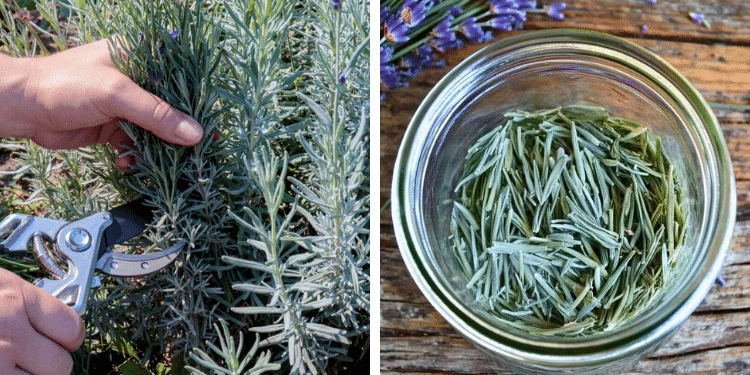
Using dried lavender in your garden is incredibly simple. You can use:
- Crumbled dried flowers
- Whole dried stems
- Leftover lavender buds from craft projects
- Lavender from old bouquets
- Homegrown dried lavender
Best ways to apply it:
1. Scatter a handful around plant bases
Perfect for roses, vegetables, herbs, and beds prone to pests.
2. Mix it lightly into the top layer of soil
Helps release fragrance while improving soil texture.
3. Create lavender “rings” around sensitive plants
Acts like a natural scented barrier against insects and rodents.
4. Add it to mulch
Mix lavender with wood chips, straw, hay, or pine needles.
5. Toss dried stems under shrubs or fruit trees
They break down slowly and enrich the soil.
6. Place in breathable bags along garden edges
Perfect for patios or areas where you want stronger pest control.
How Long Does Dried Lavender Last Outdoors?
Dried lavender holds its scent for 2–3 months outdoors, depending on:
- Rainfall
- Heat
- Sun exposure
- Wind
After the scent fades, it still benefits the soil as a slow-decomposing organic material. You can refresh your garden by adding new dried lavender as needed.
Can You Use Old Lavender? Absolutely.
Even lavender that no longer smells strong indoors will still release scent when crushed, warmed by the sun, or exposed to moisture.
Instead of throwing it away, use it outdoors where it can serve a purpose.
Plants That Benefit Most From Dried Lavender
Some plants especially love having lavender scattered around them, either because of pest protection or increased pollinator activity.
Best matches include:
- Roses
- Tomatoes
- Peppers
- Lavender plants themselves
- Cabbage, kale, and broccoli
- Herbs: oregano, basil, thyme, rosemary
- Berry bushes
- Fruit trees
- Marigolds, zinnias, and cosmos
These plants gain both protection and increased pollination when lavender is nearby.
Scattering dried lavender in the garden is one of the simplest, most natural ways to support pollinators, repel harmful pests, enrich the soil, and create a more beautiful, aromatic outdoor space.