Clover may look small and simple, but this humble three-leaf plant is one of the most powerful natural allies your garden can have.
Whether it’s enriching the soil, feeding pollinators, improving lawn health, or reducing your workload, clover works quietly behind the scenes to transform any landscape into a thriving ecosystem.
For generations, gardeners have overlooked clover – pulling it out of lawns and treating it as a nuisance. But today, more people are rediscovering the incredible benefits of this resilient plant.
Clover is nutrient-rich, eco-friendly, drought-tolerant, and beloved by bees, making it one of the smartest additions you can make to your yard.
What Makes Clover So Special?
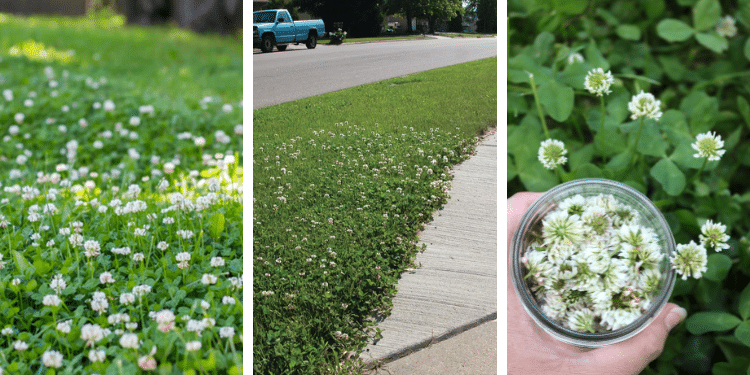
Clover (Trifolium species) is a low-growing, nitrogen-fixing plant widely used in meadows, pastureland, and natural lawns.
It flourishes in poor soil, spreads quickly without becoming invasive (most species), and requires minimal care.
But beyond its simple appearance, clover is a soil-building powerhouse and an essential food source for pollinators.
Here’s why clover is becoming the new favorite of sustainable gardeners:
- Naturally fixes nitrogen into the soil
- Attracts pollinators like bees and butterflies
- Grows densely, suppressing weeds
- Handles drought better than grass
- Stays green even in poor soil
- Soft underfoot, making it great for lawns
- Requires far less mowing and watering than turfgrass
1. Clover Restores Soil by Fixing Natural Nitrogen
The biggest reason farmers and gardeners love clover is simple: Clover feeds the soil.
Clover is a legume, which means it forms a symbiotic relationship with special soil bacteria (rhizobia). These bacteria live on clover roots and naturally convert atmospheric nitrogen into plant-available fertilizer.
This nitrogen becomes food not just for clover, but for all surrounding plants. That means:
- Healthier soil over time
- Less need for chemical fertilizer
- Stronger plant growth
- Better moisture retention
A lawn mixed with clover stays greener with less watering because nitrogen-rich soil helps grass grow deeper, more resilient roots.
Clover can add up to 2 pounds of nitrogen per 1,000 square feet of soil – completely naturally.
2. Clover Attracts and Feeds Pollinators All Season Long
If you want a buzzing, thriving garden, clover is one of the best plants you can grow.
Clover flowers are rich in nectar and pollen, creating a natural buffet for:
- Honeybees
- Bumblebees
- Solitary bees
- Butterflies
- Hoverflies
Because clover grows and blooms repeatedly throughout spring and summer, it provides continuous food, especially during gaps when other garden flowers stop blooming.
This makes clover one of the simplest ways to support declining bee populations. A yard full of clover blooms is a sign of a healthy ecosystem.
3. Clover Suppresses Weeds Naturally
If you want fewer weeds, plant more clover.
Clover grows thick and low, creating a dense carpet that:
- Blocks sunlight from reaching weed seeds
- Outcompetes dandelions, thistles, and crabgrass
- Reduces the need for herbicides
- Fills bare patches where weeds would normally take over
Adding clover to your lawn or garden beds cuts down your weeding time dramatically.
4. Clover Stays Green Even in Heat and Drought
While traditional grass wilts and turns brown in summer heat, clover stays soft, green, and resilient. It has deep roots compared to turfgrass, allowing it to:
- Withstand drought
- Stay vibrant with very little water
- Bounce back quickly after dryness
Clover lawns require about 50% less water than standard lawns, making them ideal for dry, hot climates.
5. Clover Improves Your Lawn Without Any Effort
If your lawn has yellow patches, thinning grass, or compacted soil, clover can help repair it naturally.
It can grow in:
- Poor, sandy, or clay soil
- Low-nutrient conditions
- High foot traffic areas
- Compacted ground
As it spreads, clover loosens soil, enriches it with nitrogen, and improves drainage – turning weak lawns into lush, green carpets.
Many gardeners choose microclover, a smaller cultivar that mixes beautifully with turfgrass for a low-maintenance, self-feeding lawn.
6. Clover Is a Magnet for Beneficial Insects
Beyond pollinators, clover attracts:
- Predatory wasps (that eat pests)
- Ladybugs
- Lacewings
- Ground beetles
These insects help naturally control aphids, mites, and many garden pests.
By planting clover, you’re creating a balanced ecosystem that requires fewer pesticides and supports natural biodiversity.
7. Clover Supports Wildlife and Adds Beauty
Clover isn’t just practical – it’s beautiful. Its delicate white, pink, or red blooms create a charming meadow-like effect in gardens and lawns.
Birds also enjoy clover as a food source, and small mammals use clover patches for shelter. A clover-rich yard becomes an inviting habitat for many forms of wildlife.
Best Types of Clover for Gardens and Lawns
Different species of clover offer different benefits. Here are the most popular:
White Clover (Trifolium repens)
- Best for lawns
- Low-growing
- Blooms frequently
- Extremely hardy
Microclover (a cultivar of white clover)
- Tiny leaves
- Blends seamlessly into turfgrass
- Stays neat and uniform
Red Clover (Trifolium pratense)
- Taller
- Great for pollinators
- Popular cover crop
Crimson Clover (Trifolium incarnatum)
- Stunning red blooms
- Excellent soil builder
- Used as a nitrogen-fixing ground cover
Choose the variety based on your garden’s needs – whether it’s nitrogen fixing, weed suppression, pollinator feeding, or lawn improvement.
How to Plant Clover in Your Yard or Garden
Clover is one of the easiest plants to establish.
1. Prepare the soil lightly.
Remove debris and loosen the top 1–2 inches of soil.
2. Mix seeds with sand for even distribution.
Clover seeds are tiny – mixing helps spread them evenly.
3. Broadcast the seeds.
Scatter by hand or use a spreader.
4. Water gently but consistently.
Moisture is essential until seeds sprout (7–10 days).
5. Avoid mowing until established.
Once clover is 3–4 inches tall, you can mow lightly if desired.
Clover naturally fills gaps and spreads on its own, so your lawn or garden will get fuller over time.
Common Myths About Clover – Debunked
Myth 1: Clover is a weed.
Truth: Clover used to be included in lawn seed mixes because it improves lawn health.
Myth 2: Clover attracts pests.
Truth: Clover attracts beneficial insects that help control pests.
Myth 3: Clover makes the lawn look messy.
Truth: Microclover blends beautifully with grass and looks greener year-round.
Myth 4: Clover takes over lawns.
Truth: It grows only to a modest height and coexists with grass.
Clover is far more than a small plant with lucky connotations – it’s a natural fertilizer, pollinator food source, soil healer, weed suppressor, and water saver.