When most people think of cinnamon, they picture it sprinkled over oatmeal, baked into apple pie, or steeped in tea.
But this sweet, warming spice has a secret life beyond the kitchen. In the garden, cinnamon transforms into a natural, eco-friendly remedy for some of the most common problems every gardener faces.
Cinnamon (from the inner bark of Cinnamomum trees) is packed with antifungal, antibacterial, and insect-repelling compounds.
These same properties that made it prized in traditional medicine for thousands of years also make it a powerful ally for plants.
Instead of reaching for chemical sprays and synthetic products, you can turn to cinnamon to protect, heal, and boost your garden naturally.
1. Preventing Damping-Off Disease in Seedlings
One of the most frustrating experiences for gardeners is sowing seeds, watching them sprout with excitement, only to see the delicate seedlings collapse and rot at the soil line.
This is known as damping-off disease, a fungal problem caused by pathogens like Pythium, Rhizoctonia, and Fusarium.
How Cinnamon Helps
Cinnamon has potent antifungal properties thanks to cinnamaldehyde, its main active compound.
Sprinkling cinnamon over seed-starting soil can inhibit fungal spores and stop them from spreading.
Unlike chemical fungicides, cinnamon is gentle and won’t harm young seedlings.
How to Use It
- Sprinkle a thin layer of ground cinnamon directly on top of the soil after sowing seeds.
- You can also mix 1–2 teaspoons of cinnamon into the potting mix before planting.
- Repeat lightly if you notice signs of mold or fungus in the seed trays.
Not only will this keep damping-off at bay, but it also reduces the growth of green slime algae that often appears on moist seed-starting mixes.
2. Healing Plant Wounds After Pruning
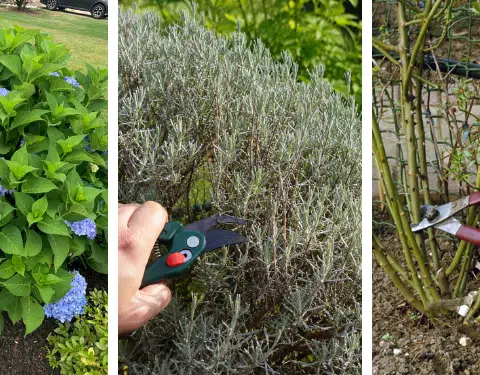
Every time you prune, cut, or accidentally damage a plant, it creates an open wound that can become an entry point for bacteria and fungi.
While plants are naturally resilient, infections can weaken them or even kill tender stems.
How Cinnamon Helps
Cinnamon acts like a natural antiseptic. When applied to fresh cuts, it prevents fungal and bacterial infections while also drying out the wound so it heals faster.
How to Use It
- After pruning roses, fruit trees, or houseplants, dip a cotton swab into ground cinnamon.
- Dab it directly onto the cut ends of stems or branches.
- For larger cuts (like fruit tree branches), dust the area generously with cinnamon powder.
This method is especially helpful for houseplants like orchids, which are highly susceptible to fungal infections after trimming dead roots or flower spikes.
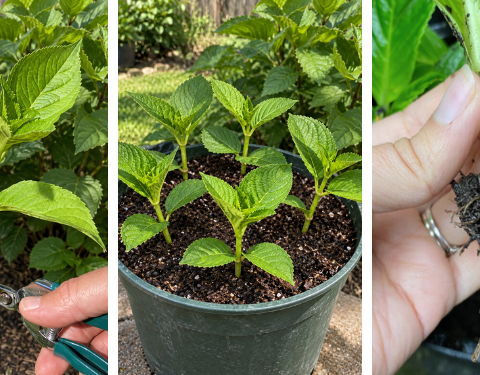
3. Natural Rooting Hormone for Cuttings
If you’ve ever propagated plants from cuttings, you know that encouraging new roots can sometimes be tricky.
Commercial rooting hormones work, but they’re often synthetic. Cinnamon offers a natural alternative.
How Cinnamon Helps
Cinnamon stimulates root growth and protects cuttings from fungal diseases that can cause rot before they root.
It’s not as powerful as synthetic hormones, but when paired with proper care, it’s an excellent natural choice.
How to Use It
- Dip the cut end of your plant cutting into water, then roll it in ground cinnamon.
- Plant the cutting in moist, well-draining soil.
- Keep the soil consistently damp but not soggy.
This technique works beautifully for herbs like basil and rosemary, as well as ornamentals like pothos, coleus, and African violets.
4. Repelling Ants Naturally
Ants aren’t always harmful in the garden, but when they invade your pots, build mounds in your beds, or protect aphids for their honeydew, they become a problem.
How Cinnamon Helps
Ants hate cinnamon. The spice disrupts their scent trails, making it difficult for them to communicate and navigate.
While it doesn’t kill ants outright, it repels them effectively without toxic chemicals.
How to Use It
- Sprinkle a line of cinnamon powder along windowsills, doorways, or around plant bases to block ant access.
- For potted plants infested with ants, dust the soil surface with cinnamon.
- You can also mix cinnamon oil with water (a few drops per cup) and spray it along ant trails.
This simple trick keeps ants away and prevents them from farming aphids on your plants.
5. Deterring Fungal Infections on Leaves
Powdery mildew, black spot, rust – fungal diseases are among the biggest headaches for gardeners. They disfigure leaves, stunt growth, and spread quickly in damp conditions.
How Cinnamon Helps
Cinnamon’s antifungal compounds can be turned into a simple cinnamon spray that protects foliage from fungal infections.
While it won’t cure an advanced outbreak, it can slow and prevent the spread in early stages.
How to Make Cinnamon Spray
- Mix 1 tablespoon of cinnamon powder in 2 cups of warm water.
- Let the mixture sit overnight to infuse.
- Strain through a coffee filter or cheesecloth to remove solids.
- Pour into a spray bottle and mist leaves, especially the undersides where fungi often hide.
Apply every 7–10 days or after rainfall. This works well for cucumbers, squash, roses, and herbs prone to powdery mildew.
6. Keeping Houseplant Soil Fresh and Mold-Free
If you grow houseplants, you’ve likely seen white fuzzy mold forming on the soil surface. While usually harmless, it’s unsightly and can indicate poor air circulation or excessive moisture.
How Cinnamon Helps
Cinnamon is a natural mold inhibitor. Dusting it over the soil kills mold spores and helps keep the surface clean and healthy.
How to Use It
- Sprinkle a thin layer of cinnamon powder evenly over the potting soil surface.
- Improve airflow by placing plants in brighter spots and reducing overwatering.
- Repeat as needed if mold returns.
This trick works for orchids, succulents, and any indoor plant prone to moldy soil.
Bonus Uses for Cinnamon in the Garden
While the six main problems above are the most notable, cinnamon has extra hidden powers in the garden:
- Discourages mosquitoes when sprinkled around patios.
- Keeps squirrels away from bulbs when dusted over planting holes.
- Prevents mushrooms in lawns by mixing cinnamon powder with water and drenching affected areas.
- Improves compost health by reducing mold growth.
Growing Tips: Making the Most of Cinnamon in Your Garden
- Use ground cinnamon (not sticks) for best results. Freshly ground organic cinnamon works especially well.
- Avoid overuse. A light dusting or diluted spray is more effective than heavy piles, which can clog soil.
- Combine with other natural remedies. Cinnamon pairs well with neem oil, vinegar sprays, or diatomaceous earth for a holistic approach.
- Store properly. Keep cinnamon in an airtight container in a cool, dry place to preserve potency.

Who knew that something as simple as a spice jar could solve so many gardening problems?
Cinnamon truly is a gardener’s secret weapon.
From protecting fragile seedlings to repelling ants and healing plant wounds, it provides eco-friendly solutions that are safe for you, your plants, and the environment.