Hanging baskets are a fantastic way to enhance the front of your home while also providing fresh, homegrown produce.
They serve as both decorative elements and functional storage for delicious, homegrown food.
These edible hanging baskets are not only visually appealing but also add nutrition and flavor to your kitchen!
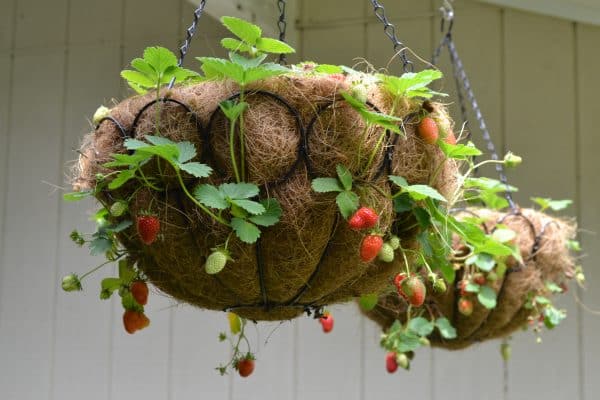
1. Strawberries
Growing strawberries in hanging baskets is one of the best ways to showcase these juicy red fruits.
Whether you choose small alpine strawberries or larger varieties, they thrive in baskets and make harvesting easy.
Ensure the baskets get plenty of sunlight and regular watering for an abundant yield.
Care Tips:
- Use well-draining soil and a container with drainage holes.
- Water consistently, keeping the soil moist but not waterlogged.
- Fertilize with a balanced organic fertilizer every few weeks.
2. Cherry Tomatoes
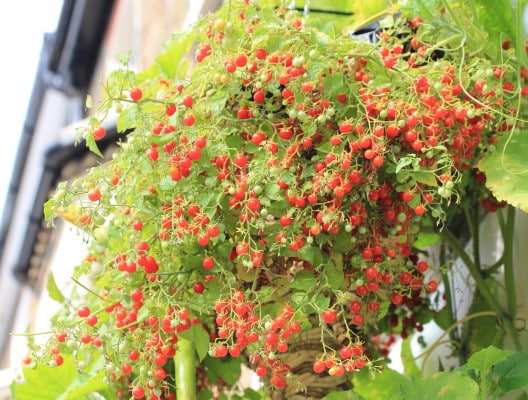
Cherry tomatoes are perfect for hanging baskets, providing an endless supply of sweet, juicy fruit.
Pair them with basil for a companion planting duo that enhances both flavor and productivity.
Ensure your tomato plants get ample sunlight and avoid overcrowding them for the best results.
Care Tips:
- Use a deep basket (at least 12 inches) to support root growth.
- Water daily in warm weather, ensuring even moisture.
- Provide support with small stakes or a trellis if needed.
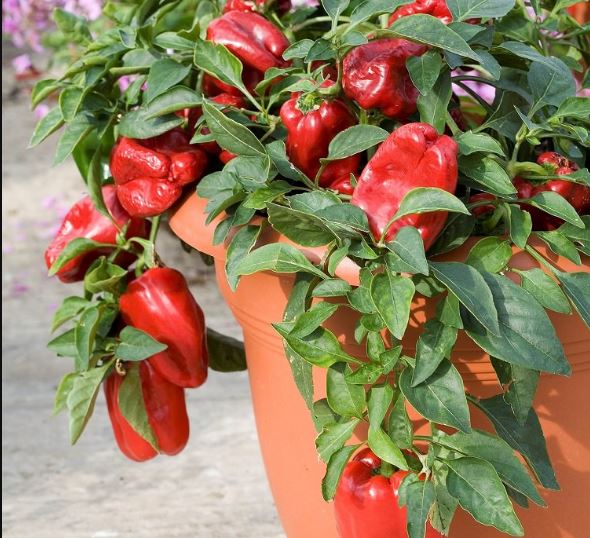
3. Bell Peppers
Bell peppers come in a variety of colors, making them a vibrant addition to any hanging basket.
Compact varieties are best suited for small-space growing, ensuring a manageable but bountiful harvest.
These versatile plants thrive with well-draining soil and frequent feeding.
Care Tips:
- Keep in a location with 6-8 hours of sunlight per day.
- Use a potting mix rich in compost for better growth.
- Prune occasionally to encourage more fruiting.
4. Chili Peppers
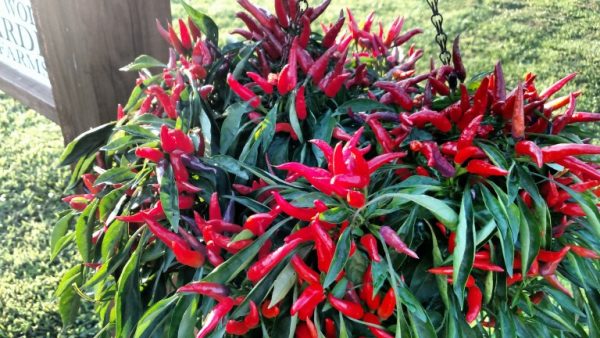
Add some spice to your home garden with chili peppers! These heat-packed beauties grow well in hanging baskets, producing fruits in shades of red, yellow, orange, and green.
Not only do they make an eye-catching display, but they also offer a continuous supply of fresh chilies year-round.
Care Tips:
- Choose compact or dwarf chili varieties.
- Water regularly but avoid overwatering to prevent root rot.
- Harvest peppers regularly to encourage more production.
5. Peas
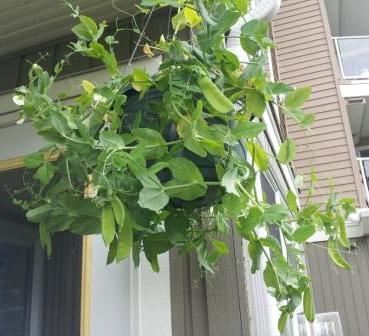
Peas are an excellent choice for hanging baskets, adding lush green vines and vibrant pods. Choose from green or purple-podded varieties and consider mixing them for a stunning visual effect.
Peas also fix nitrogen in the soil, benefiting nearby plants and improving overall soil health.
Care Tips:
- Support vines with a mini trellis or string.
- Keep soil moist but not overly wet.
- Harvest young pods for a sweeter taste.
6. Beans
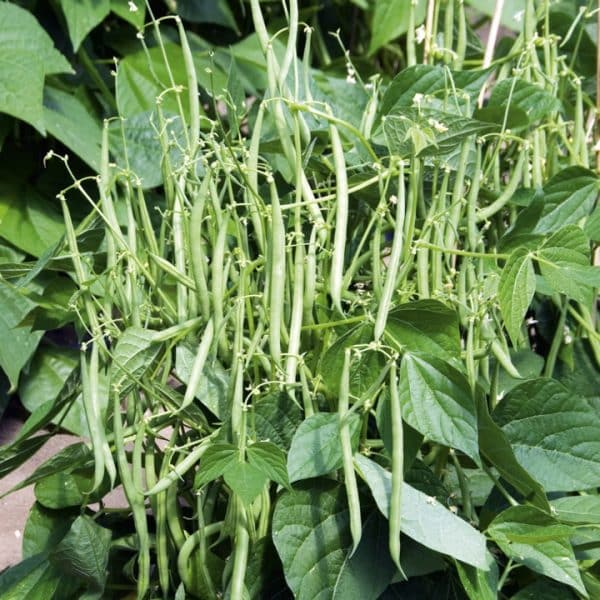
Runner beans thrive in hanging baskets, producing eye-catching scarlet flowers and nutritious beans.
They require deep pots for root growth and need consistent watering.
Their cascading vines make them an attractive and functional addition to your vertical garden.
Care Tips:
- Use a strong hanging basket to support the weight of growing beans.
- Provide a stake or trellis for the vines.
- Water regularly, especially in hot weather.
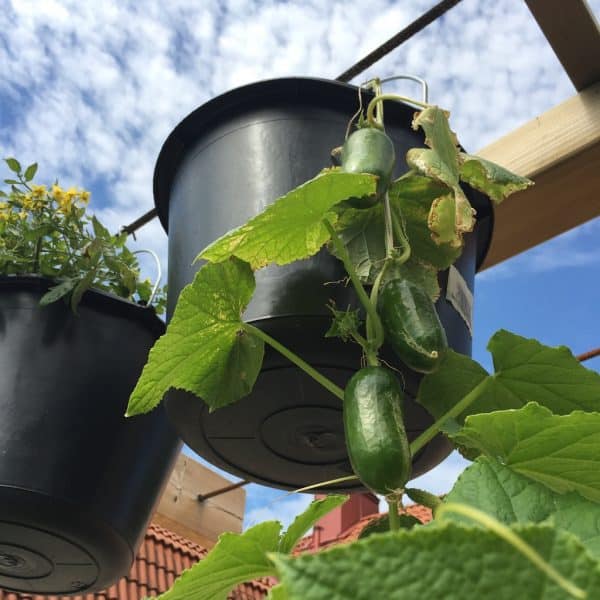
7. Cucumbers
Cucumbers can be grown in hanging baskets with a sturdy support structure to accommodate their weight.
Bush varieties work best in baskets, providing crunchy and refreshing cucumbers without taking up much space. Keep the soil moist but not waterlogged for the best results.
Care Tips:
- Choose smaller, compact cucumber varieties like ‘Bush Champion’.
- Keep baskets in full sun for maximum yield.
- Harvest frequently to encourage more fruiting.
8. Courgettes (Zucchini)
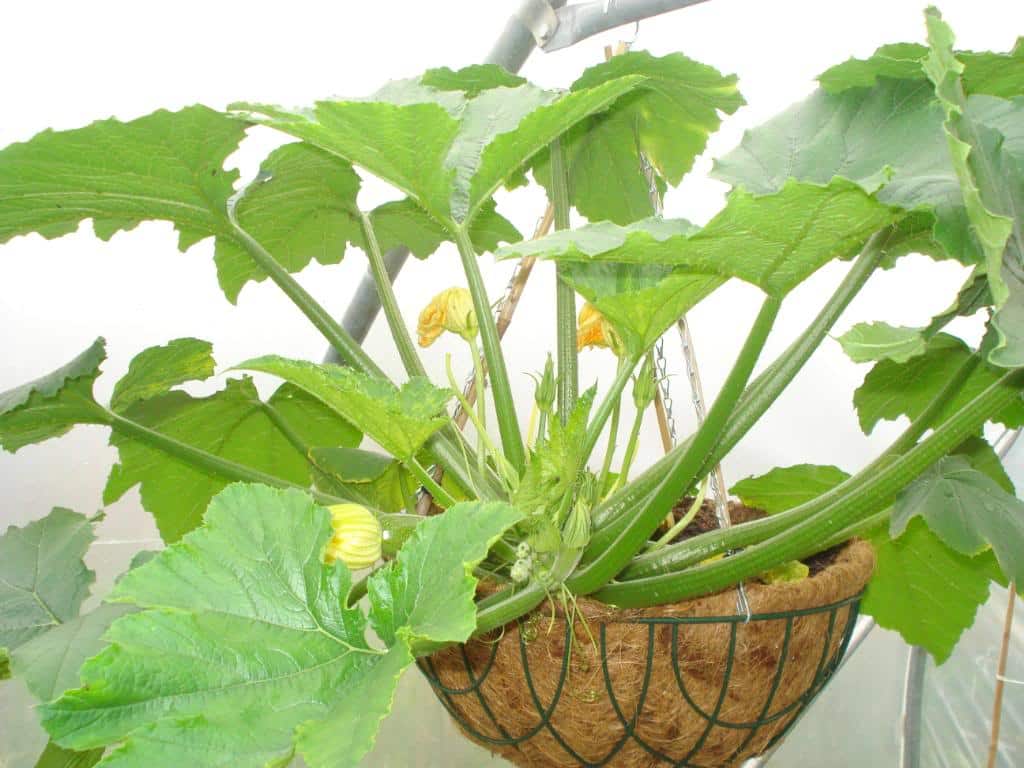
A large hanging basket is ideal for courgettes, which will reward you with beautiful yellow flowers and delicious produce.
Courgettes require ample space and sturdy baskets to accommodate their weight. With proper care, they will flourish and provide a continuous harvest.
Care Tips:
- Ensure baskets have strong supports.
- Hand-pollinate flowers for better fruit development.
- Water deeply to keep the soil moist.
9. Mixed Salad Leaves
A variety of salad greens—such as lettuce, spinach, and arugula—grow exceptionally well in hanging baskets.
Mixing them with edible flowers like pansies or violets adds a pop of color to your display while providing a flavorful harvest for salads.
Care Tips:
- Harvest leaves frequently to encourage new growth.
- Keep soil consistently moist but not soggy.
- Grow in partial shade to avoid bolting in hot weather.
10. Radishes
Radishes are quick-growing vegetables that thrive in hanging baskets. Harvest them while small for a crisp, peppery flavor.
As they mature, some plants will produce seed pods that offer a pea-like freshness, making them an interesting addition to your meals.
Care Tips:
- Space seeds properly to prevent overcrowding.
- Keep soil evenly moist for tender radishes.
- Harvest within 25-30 days for best taste.
11. Nasturtiums
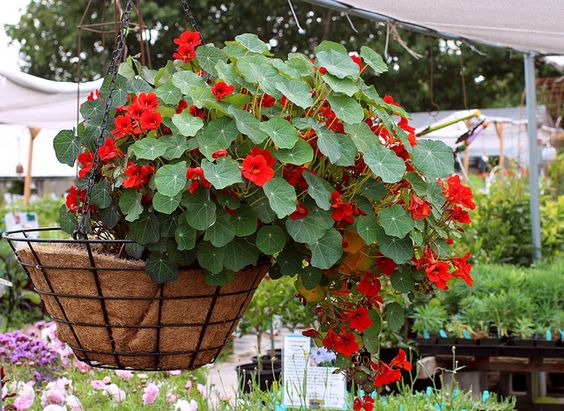
Nasturtiums are not only beautiful but also edible. Their trailing vines are filled with colorful, vibrant flowers that make any hanging basket pop.
Both the leaves and flowers have a slightly spicy, peppery taste, and their seed pods can be used as a caper substitute in dishes.
Care Tips:
- Grow in well-draining soil with moderate watering.
- Avoid over-fertilizing to prevent excessive leaf growth.
- Harvest leaves and flowers for a spicy, salad addition.
12. Thyme
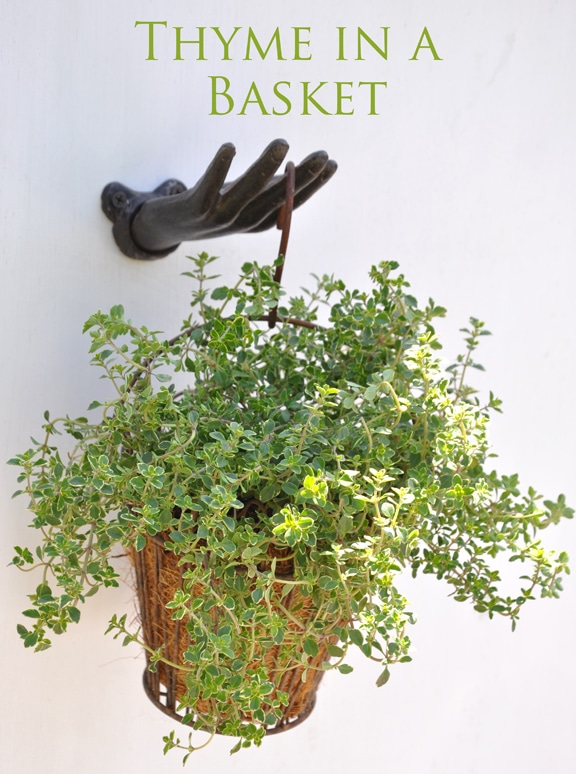
Thyme is a hardy herb that thrives in hanging baskets. Alongside other Mediterranean herbs like rosemary, marjoram, oregano, and basil, thyme enhances the aroma and taste of home-cooked dishes.
It prefers well-drained soil and moderate watering to maintain its robust growth.
Care Tips:
- Prune regularly to maintain shape and encourage growth.
- Avoid overwatering; thyme thrives in drier conditions.
- Provide full sun exposure for best flavor.
Tips for Growing Edible Hanging Baskets Successfully
- Choose the Right Container: Ensure your hanging baskets are large enough to support root growth.
- Use High-Quality Soil: A nutrient-rich, well-draining potting mix will keep plants healthy.
- Water Regularly: Hanging baskets dry out quickly, so monitor moisture levels frequently.
- Provide Adequate Sunlight: Most edible plants require at least 6 hours of sunlight per day.
- Fertilize Occasionally: A slow-release or liquid organic fertilizer will help maintain steady growth.
By incorporating these edible plants into your hanging baskets, you’ll enjoy a space-saving, visually appealing, and productive garden that supplies fresh ingredients for your kitchen year-round.