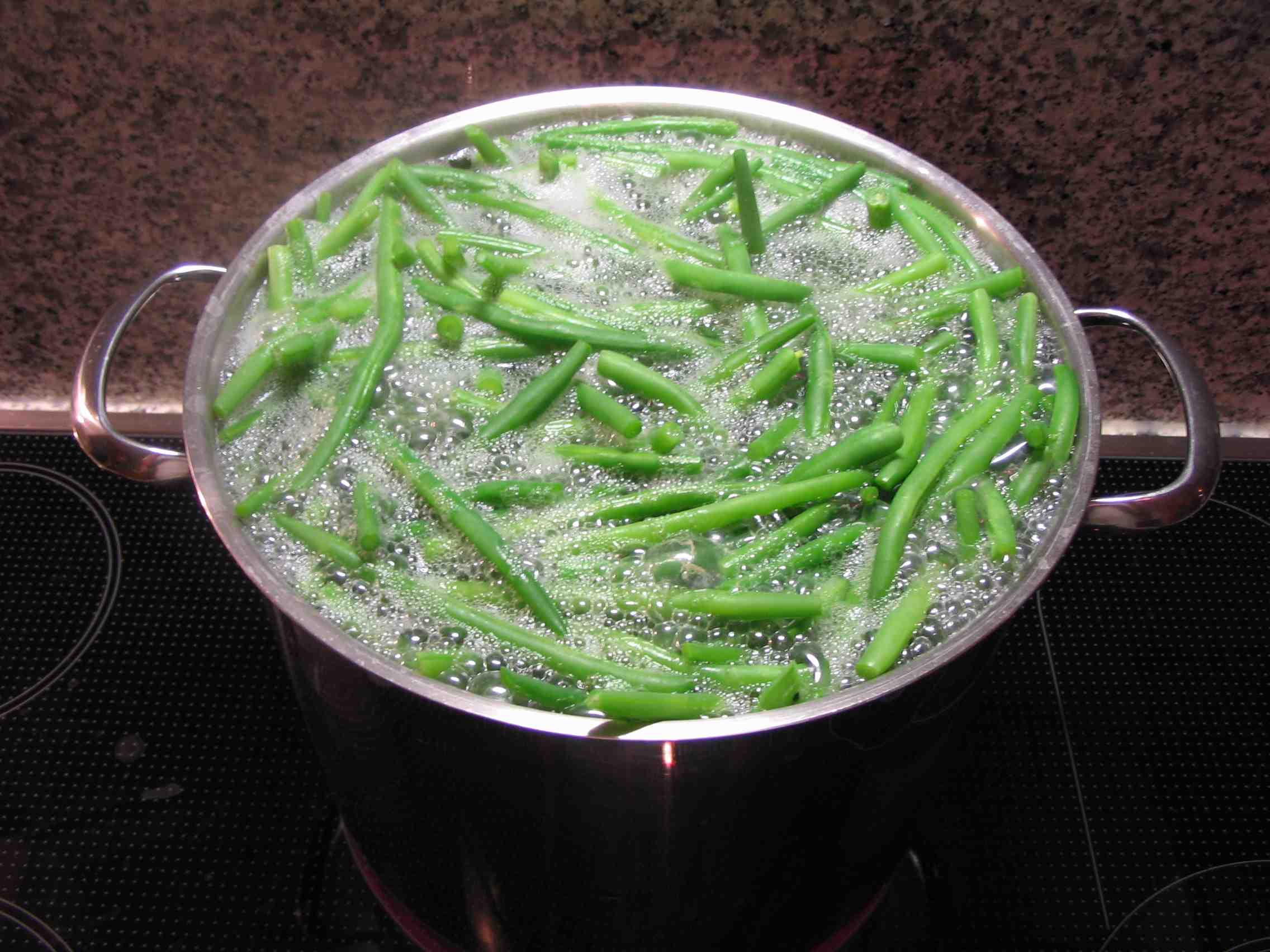
Most people cook vegetables, drain the water, and pour it straight down the sink without a second thought. But what if that leftover liquid was actually liquid gold for your garden?
The water you use to boil vegetables is packed with vitamins, minerals, and trace nutrients that leach out of the veggies during cooking.
Instead of discarding it, you can recycle this natural byproduct into a nutrient-rich tonic for your plants.
What’s in Vegetable Water?
When you boil vegetables, heat and water draw out a variety of compounds.
While the exact composition depends on the vegetables, most cooking water contains:
- Potassium: Encourages strong stems and flower production.
- Calcium: Strengthens cell walls, prevents blossom end rot.
- Magnesium: Essential for chlorophyll and photosynthesis.
- Iron: Prevents leaf yellowing (chlorosis).
- Vitamins (C, B-complex): Boost overall plant resilience.
- Trace minerals (zinc, copper, manganese): Improve root and flower development.
Essentially, vegetable water is a mild, all-purpose liquid fertilizer made at no extra cost.
Benefits of Using Vegetable Water in the Garden
1. Natural Fertilizer
Instead of buying expensive store-bought feeds, you can give plants a free nutrient boost.
2. Improved Soil Microbiology
Mineral-rich water feeds beneficial microbes, which in turn improve soil fertility.
3. Boosts Compost Piles
Pouring cooled vegetable water into compost adds moisture and trace nutrients, speeding decomposition.
4. Strengthens Seedlings
Diluted vegetable water is perfect for fragile seedlings, offering nutrients in a gentle form.
5. Sustainable and Zero-Waste
You recycle what would otherwise go down the drain – saving resources and supporting eco-friendly gardening.
How to Use Vegetable Water Correctly
Step 1: Cool the Water
Always let it cool to room temperature. Pouring hot water on plants can scald roots.
Step 2: Check for Salt
If you added salt while cooking, do not use the water. Salt harms soil and plant roots.
Step 3: Dilution (Optional)
For sensitive plants, dilute with fresh water (1:1) to reduce concentration.
Step 4: Application Methods
- Direct Watering: Pour around the base of plants.
- Foliar Spray: Strain water, pour into a spray bottle, mist leaves for fast nutrient absorption.
- Compost Booster: Add to compost pile for microbial activity.
Best Plants for Vegetable Water
Certain plants thrive when given extra nutrient-rich water:
- Leafy Greens (spinach, lettuce, kale): Benefit from magnesium and nitrogen.
- Fruit-Bearing Plants (tomatoes, peppers, cucumbers): Love potassium and calcium.
- Flowers (roses, gardenias, hydrangeas): Potassium encourages more blooms.
- Potted Houseplants: Gentle boost without strong chemicals.
Special Recipes for Different Vegetables
Potato Water
Rich in starch → stimulates beneficial microbes. Great for root crops.
Carrot Water
High in potassium → supports flower and fruit development.
Spinach or Kale Water
Magnesium-rich → boosts green leafy growth.
Bean Water
Protein traces help soil microbes thrive.
Broccoli & Cabbage Water
Sulfur content → improves disease resistance.
Common Mistakes to Avoid
- Using Salted Water: This kills plants. Only use unsalted.
- Using Oil- or Butter-Laden Water: Grease coats soil and suffocates roots.
- Overusing: Too much concentrated water may cause nutrient imbalance.
- Storing Too Long: Use within 24 hours, or refrigerate for up to 2 days. Otherwise, it ferments.
Advanced Gardening Hacks
- Freeze Vegetable Water Cubes – Store cooled water in ice cube trays, then melt and use when needed.
- Ferment for Plant Tonic – Leave vegetable water with a spoonful of molasses for a few days to create a microbial-rich brew.
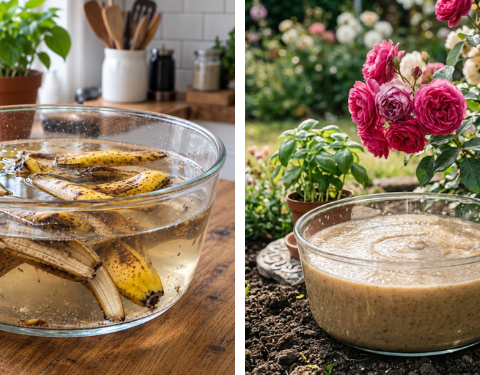
- Mix with Banana Peel Tea – Boost potassium even more for flowering plants.
- Use as Seed Soak – Soak seeds overnight in cooled vegetable water for quicker germination.
Vegetable Water vs. Commercial Fertilizer
| Feature | Vegetable Water | Store Fertilizer |
|---|---|---|
| Cost | Free | Expensive |
| Nutrient Range | Gentle, broad spectrum | Strong, targeted |
| Safety | 100% natural | Overuse can burn plants |
| Sustainability | Zero-waste | Resource-intensive production |
Real-Life Testimonials
- Home gardeners report fewer yellow leaves in tomatoes when watering weekly with potato water.
- Houseplant enthusiasts use spinach water as a foliar spray and see richer green leaves.
- Eco-conscious growers save gallons of water weekly by reusing veggie water instead of pouring it away.
FAQs
Can I use pasta or rice water instead?
Yes, as long as it’s unsalted. Starch feeds soil microbes.
What if my vegetable water smells bad after a day?
Discard it in compost – it ferments quickly.
How often should I use it?
Once or twice a week is enough. Alternate with regular watering.
Will vegetable water attract pests?
No, unless it’s left to rot. Always use fresh or refrigerated.
The water from boiled vegetables is a hidden gardening resource most people waste.
Packed with nutrients like potassium, magnesium, and calcium, it acts as a natural fertilizer that improves soil health, boosts plant growth, and enhances flowering – all at no cost.
The next time you drain carrots, potatoes, or spinach, don’t pour the liquid down the sink. Cool it, save it, and pour it on your plants.