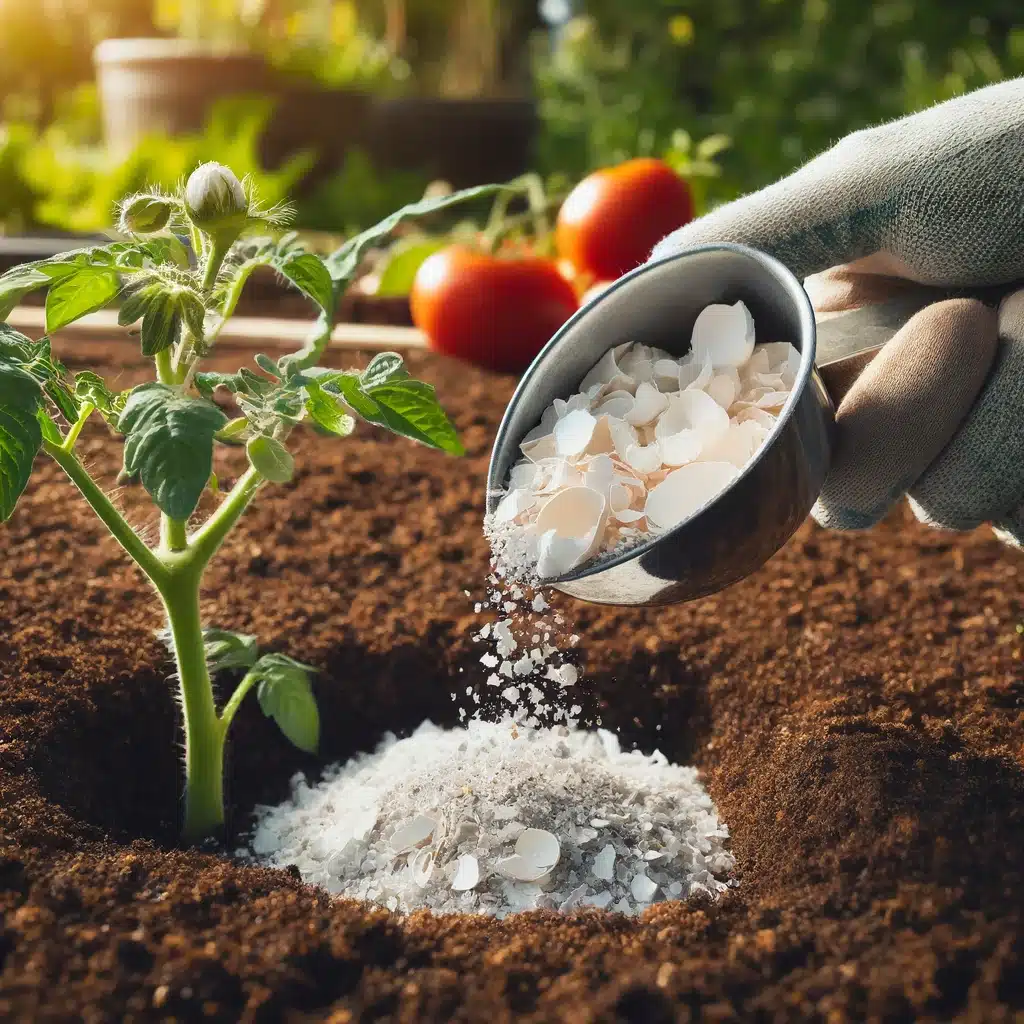
Tomatoes are one of the most popular and rewarding plants to grow in a garden. Whether you’re a seasoned gardener or a beginner, achieving a thriving tomato plant with a heavy yield can be both fun and challenging.
With the right techniques and a bit of effort, you can enjoy juicy, flavorful tomatoes straight from your garden.
Here’s the ultimate guide to growing tomatoes like a pro, ensuring thriving plants and bountiful harvests.
Choosing the Right Tomato Variety
Before planting, it’s essential to select a tomato variety that suits your garden’s conditions and your culinary needs. Tomatoes come in two main types:
1. Determinate (Bush Tomatoes):
- These plants grow to a specific height and produce all their fruit at once.
- Ideal for small gardens or container planting.
- Popular varieties include “Roma” and “Patio Princess.”
2. Indeterminate (Vining Tomatoes):
- These plants continue to grow and produce fruit throughout the season.
- Require staking or caging for support.
- Popular varieties include “Beefsteak” and “Cherry Tomatoes.”
Preparing the Soil
Tomatoes thrive in nutrient-rich, well-draining soil. Proper soil preparation is key to healthy plants and heavy yields.
1. Test and Amend the Soil:
- Aim for a soil pH between 6.0 and 6.8.
- Add compost or well-rotted manure to improve soil fertility and structure.
2. Ensure Good Drainage:
- Avoid waterlogged areas. Raised beds or containers with drainage holes are excellent options for growing tomatoes.
3. Add Organic Matter:
- Mix in bone meal or rock phosphate to boost phosphorus levels, essential for root development and flowering.
Planting Tomatoes the Right Way
Proper planting techniques ensure strong root systems and vigorous growth.
1. Timing is Everything:
- Plant tomatoes after the last frost date when the soil temperature is consistently above 60°F (16°C).
2. Deep Planting:
- Bury two-thirds of the tomato plant’s stem in the soil. This encourages the plant to grow additional roots along the buried stem, leading to a stronger foundation.
3. Spacing:
- Space determinate varieties 18-24 inches apart and indeterminate varieties 24-36 inches apart to ensure proper airflow and reduce disease risk.
4. Use Companion Plants:
- Pair tomatoes with basil, marigolds, or garlic to deter pests and improve growth.
Watering Tomatoes
Tomatoes require consistent watering for healthy growth and fruit production. However, overwatering can lead to problems like root rot and splitting fruit.
1. Water Deeply and Consistently:
- Provide 1-2 inches of water per week, depending on weather conditions.
- Water deeply at the base of the plant to encourage deep root growth.
2. Mulch to Retain Moisture:
- Apply a 2-3 inch layer of mulch around the base of the plants to conserve soil moisture, regulate temperature, and prevent weeds.
3. Avoid Overhead Watering:
- Watering the leaves can promote fungal diseases. Use a soaker hose or drip irrigation system for efficient watering.
Fertilizing for Heavy Yields
Tomatoes are heavy feeders and require regular fertilization to produce abundant fruit.
1. Start with a Balanced Fertilizer:
- Use a fertilizer with equal amounts of nitrogen, phosphorus, and potassium during the early growth stage.
2. Switch to Low-Nitrogen Fertilizer:
- Once flowers appear, use a fertilizer higher in phosphorus and potassium to promote flowering and fruiting.
3. Feed Regularly:
- Apply fertilizer every 2-4 weeks throughout the growing season.
- Avoid over-fertilizing, as too much nitrogen can lead to excessive foliage growth at the expense of fruit production.
Supporting Tomato Plants
Providing adequate support for your tomato plants prevents sprawling, reduces disease risk, and makes harvesting easier.
1. Staking:
- Drive a sturdy stake into the ground next to each plant and tie the stem loosely to the stake as it grows.
2. Caging:
- Use tomato cages to support the plants as they grow taller. This is particularly useful for indeterminate varieties.
3. Pruning:
- Remove suckers (small shoots that grow between the main stem and branches) to direct energy toward fruit production.
- Prune the lower leaves to improve airflow and reduce the risk of fungal diseases.
Managing Pests and Diseases
Tomatoes are susceptible to various pests and diseases. Early intervention is crucial for maintaining healthy plants.
Common Pests:
- Aphids:
- Spray with insecticidal soap or introduce ladybugs.
- Tomato Hornworms:
- Handpick and remove these large green caterpillars.
- Whiteflies:
- Use yellow sticky traps to control their population.
Common Diseases:
- Blight:
- Remove affected leaves and apply a copper-based fungicide.
- Powdery Mildew:
- Increase airflow and spray with a mixture of water and baking soda.
- Root Rot:
- Avoid overwatering and ensure proper drainage.
Harvesting Tomatoes
Knowing when and how to harvest tomatoes ensures maximum flavor and freshness.
1. Pick at Peak Ripeness:
- Harvest tomatoes when they are fully colored and slightly firm to the touch.
- For varieties like cherry tomatoes, wait until they detach easily from the vine.
2. Store Properly:
- Store ripe tomatoes at room temperature to maintain their flavor and texture.
- Avoid refrigerating unless the tomatoes are overripe or cut, as cold temperatures can diminish their taste.
Maximizing Yield with Additional Tips
- Rotate Crops:
- Avoid planting tomatoes in the same spot every year to prevent soil-borne diseases.
- Pinch Off Early Flowers:
- Remove the first set of flowers to encourage the plant to focus on root and foliage growth.
- Use Epsom Salt:
- Mix 1 tablespoon of Epsom salt with a gallon of water and apply to the base of the plants once a month to boost magnesium levels.
- Plant Successively:
- Stagger planting times to enjoy a continuous harvest throughout the season.
Growing tomatoes like a pro requires a combination of preparation, care, and attention to detail.
By choosing the right variety, providing proper support, and managing pests and diseases effectively, you can enjoy thriving plants and a bountiful harvest.