Gardeners are a resourceful bunch. We love to find clever ways to stretch a dollar, reduce waste, and make gardening more sustainable.
One of the most underrated materials sitting around most homes is the humble newspaper.
Newspapers are inexpensive, readily available, and surprisingly versatile in the garden. Sadly, many end up in landfills, where they can take decades to break down under anaerobic conditions.
By putting old newspapers to use in your yard, you’re not only saving money but also helping the environment.
Here are 9 brilliant ways to use newspaper in your garden, transforming yesterday’s news into a valuable gardening tool.
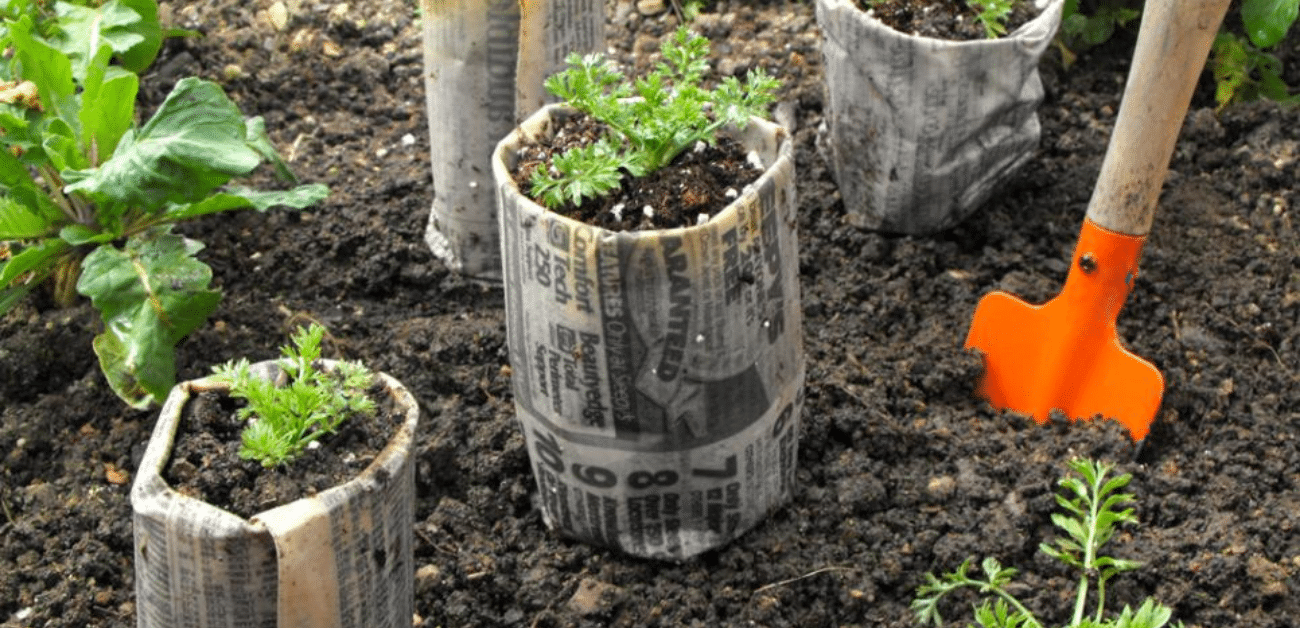
1. Newspaper Pots for Starting Seeds
Newspaper pots are a fantastic way to start seeds without buying plastic containers.
They’re biodegradable, allowing you to plant seedlings directly into the soil without disturbing their delicate roots.
How to make newspaper pots:
- Cut newspaper into strips about 4 inches wide.
- Wrap each strip around a small jar or bottle to form a cylinder.
- Fold the bottom edges inward to create a base.
- Slide the paper pot off the jar and fill with potting mix.
For a more advanced approach, gardeners sometimes make paper pulp pots:
- Tear newspaper into small pieces and soak in water for 24 hours.
- Blend into a pulp.
- Press pulp into molds (like small cups).
- Let dry completely before filling with soil.
Kids love helping with newspaper pots – it’s a fun craft and a gentle lesson in sustainable gardening.
2. Newspaper Liners for Container Gardens
If you garden in pots or planters, newspaper is an excellent liner.
- Cut circles or squares to fit the bottoms of pots.
- Place several layers inside before adding soil.
The newspaper helps:
- Slow moisture loss from soil.
- Prevent soil from washing out through drainage holes.
- Block weed seeds from sneaking in.
Unlike plastic liners, newspaper biodegrades over time, improving soil health rather than harming it.
3. Newspaper in the Compost Bin
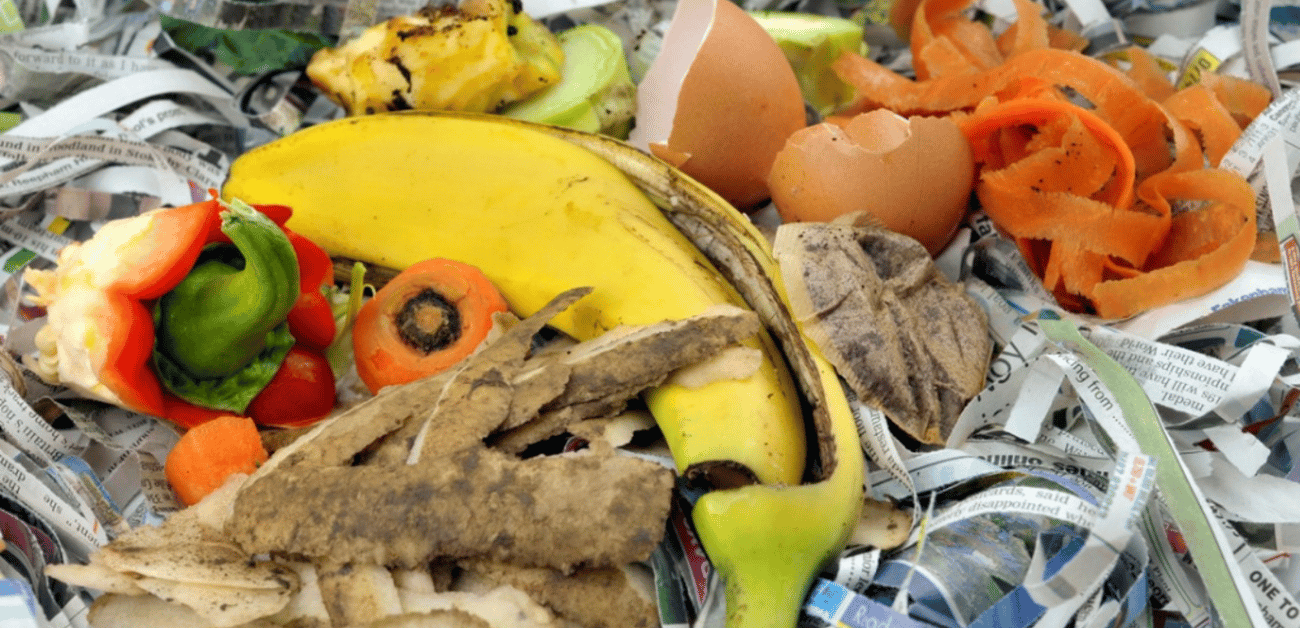
Composting is crucial for sustainable gardening, but many gardeners struggle with smelly compost piles due to excess green material (like kitchen scraps) rich in nitrogen.
Shredded newspaper is the perfect solution – it’s a great source of carbon (known as “browns”) that helps balance nitrogen levels.
How to use newspaper in compost:
- Shred or tear newspaper into strips.
- Mix evenly with kitchen scraps and garden waste.
Balanced compost should have roughly 2-3 parts carbon-rich materials for every 1 part nitrogen-rich material.
Adding newspaper helps prevent odors, creates better airflow, and speeds up decomposition.
4. Newspaper as Bedding for Worm Bins
If you’ve ventured into vermicomposting (worm composting), you know worms need bedding to live in. Shredded newspaper makes an excellent medium.
How to prepare newspaper bedding:
- Shred newspaper into thin strips.
- Avoid glossy pages, which may contain harmful inks.
- Moisten the paper until it feels like a wrung-out sponge.
Worms burrow into the newspaper while munching on it and any kitchen scraps you provide. Newspaper bedding helps keep the bin moist, absorb odors, and regulate temperature.
5. Newspaper for Lasagna Gardening and Weed Control
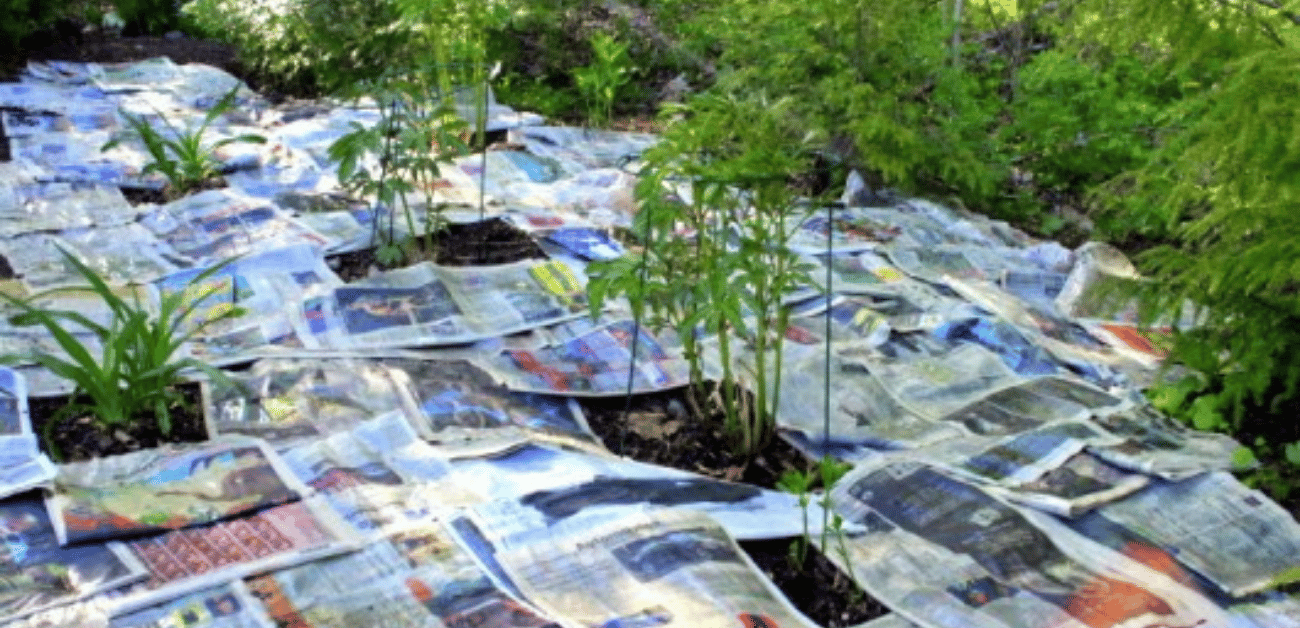
Lasagna gardening, or sheet mulching, is a gardening method that builds new planting beds directly on top of grass or weeds. Newspaper plays a crucial role as a weed barrier.
How to use newspaper for lasagna gardening:
- Lay down 5-10 sheets of newspaper over grass or weeds.
- Overlap edges to block sunlight completely.
- Wet the newspaper thoroughly.
- Top with layers of compost, soil, straw, and mulch.
The newspaper smothers weeds, breaks down over time, and enriches the soil. For smaller garden areas or flower beds, lay newspaper around plants, cover with mulch, and watch weeds disappear.
6. Newspaper for Frost Protection
Cold nights can damage tender garden plants, even during spring and fall. Newspaper offers a quick, budget-friendly shield.
How to use newspaper to protect plants:
- Drape single sheets over plants at dusk.
- Secure with clothespins, stones, or lightweight stakes.
- Remove coverings in the morning once temperatures rise.
Gardeners can also line cold frames with newspaper for extra insulation during chilly weather.
7. Storing Tender Bulbs with Newspaper
Tender bulbs like dahlias, gladiolus, and begonias often need to be lifted and stored over winter in colder climates.
Newspaper is an eco-friendly alternative to peat moss for protecting these delicate bulbs.
How to store bulbs in newspaper:
- Gently clean bulbs after digging them up.
- Wrap each bulb loosely in newspaper to keep them dry and cushioned.
- Place wrapped bulbs in a cardboard box or ventilated container.
- Store in a cool, dark place until spring.
This same technique works for wrapping and storing harvested vegetables such as tomatoes, squash, and eggplants, preventing bruising and extending shelf life.
8. Cleaning Garden Tools with Newspaper
Rust is a gardener’s nemesis. Newspaper comes in handy for cleaning tools after a long day in the garden.
How to clean tools with newspaper:
- Wipe off soil and moisture with newspaper sheets.
- For extra protection, dip tools in a bucket of sand mixed with oil after cleaning.
Using newspaper helps keep your tools rust-free and ready for the next gardening session.
9. Newspaper as Insect Traps
Many garden pests like slugs, pill bugs, and earwigs are nocturnal and seek cool, damp hiding places during the day.
How to trap pests with newspaper:
- Moisten sheets of newspaper.
- Roll or crumple them and place around garden beds in the evening.
- Check in the morning and discard the papers with the pests inside.
This simple method helps reduce pest populations without chemical pesticides.
Why Use Newspaper in the Garden?
Newspaper is:
- Affordable
- Biodegradable
- Readily available
- A sustainable alternative to synthetic gardening products
Modern black-and-white newspapers are printed with soy-based inks, making them safe for garden use. However, always avoid glossy or colored inserts, which may contain harmful chemicals.
Recycling newspaper in your garden is one of the easiest ways to practice sustainability while saving money.
From seed-starting pots to compost balancing, frost protection, and natural pest control, newspaper proves itself a gardener’s versatile ally.