Gardeners everywhere know the frustration of watching pests chew through leaves or diseases ravage plants they’ve nurtured for months.
While chemical pesticides might seem like an easy fix, they can harm beneficial insects, pollute the environment, and create long-term resistance in pests.
For those seeking a safer, natural alternative, neem oil has emerged as one of the most effective solutions for controlling garden pests and diseases.
Derived from the seeds of the neem tree (Azadirachta indica), neem oil has been used for centuries in India and other parts of Asia for agriculture, medicine, and personal care.
In gardening, it’s prized for its ability to act as both an insecticide and a fungicide while remaining safe for people, pets, and beneficial insects when used correctly.
What is Neem Oil?
Neem oil is a yellow to brown vegetable oil pressed from the seeds of the neem tree. Its potency comes from active compounds, particularly azadirachtin, which disrupts the life cycle of insects, making it difficult for them to feed, grow, or reproduce.
Neem oil is:
- Biodegradable and eco-friendly
- Safe for beneficial insects like bees and ladybugs (when not sprayed directly on them)
- Effective against a wide range of pests and diseases
- Suitable for organic gardening
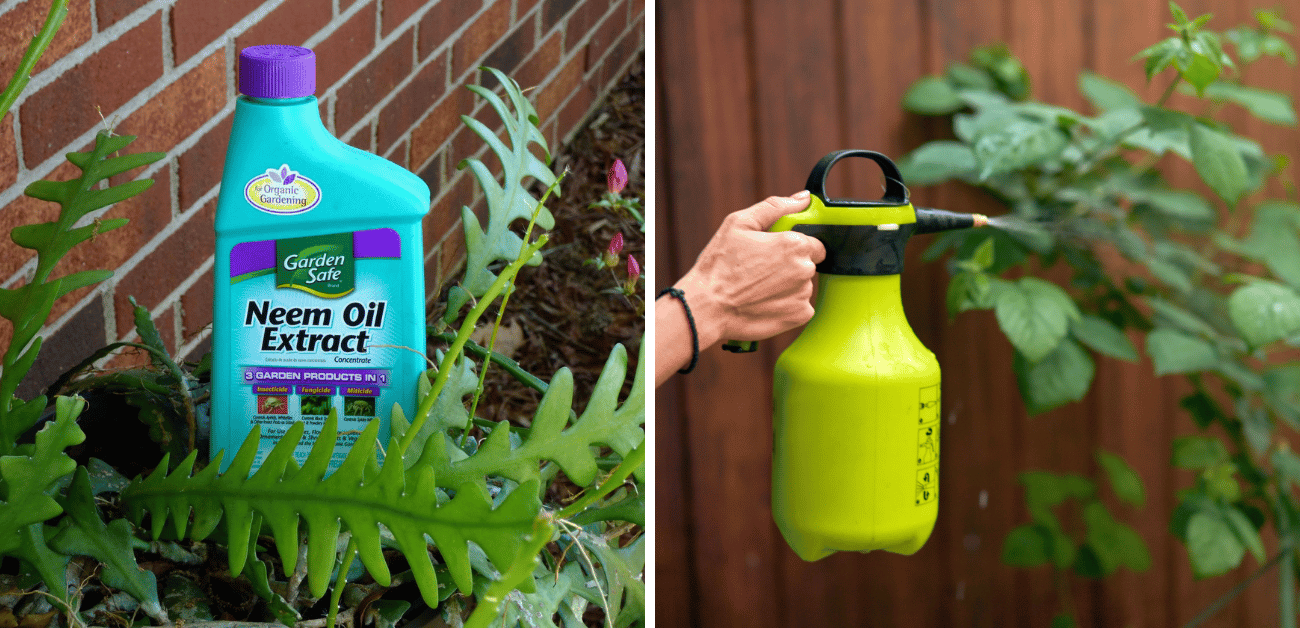
How Does Neem Oil Work?
Neem oil doesn’t kill pests on contact like many chemical sprays.
Instead, it works in several ways:
- Acts as an antifeedant, making plants unappealing to insects.
- Disrupts hormonal systems in insects, preventing growth and reproduction.
- Suffocates soft-bodied insects like aphids and mites when sprayed directly.
- Inhibits the germination and growth of many fungal pathogens.
This multi-pronged action makes it harder for pests and diseases to develop resistance to neem oil.
Pests Controlled by Neem Oil
Neem oil is effective against a wide variety of garden pests. Some of the most common include:
Aphids
These tiny insects cluster on new growth, sucking sap and causing distorted leaves. Neem oil reduces aphid populations by disrupting feeding and reproduction.
Whiteflies
Whiteflies hide beneath leaves and can rapidly infest plants. Neem oil makes leaves unpalatable, deterring whiteflies from feeding and laying eggs.
Spider Mites
Spider mites thrive in hot, dry conditions and create fine webs on plants. Neem oil suffocates them and reduces egg viability.
Mealybugs
These cottony pests feed on plant sap, weakening growth. Neem oil is effective at penetrating their protective coating.
Thrips
Thrips cause silvery patches on leaves and damage flower buds. Neem oil discourages feeding and disrupts thrips’ life cycle.
Caterpillars
While neem oil doesn’t always kill caterpillars instantly, it reduces feeding and growth, preventing extensive damage.
Leafminers
Neem oil interrupts leafminers’ feeding patterns and reduces larval survival.
Scale Insects
Some scale insects are sensitive to neem oil, especially during their crawler stage when they’re most vulnerable.
Japanese Beetles
Neem oil can deter feeding and inhibit egg laying, although it’s less effective against heavy infestations.
Fungal Diseases Controlled by Neem Oil
Neem oil is not just for insects – it also helps manage many fungal diseases:
Powdery Mildew
Characterized by a white, powdery coating on leaves, powdery mildew thrives in humid conditions. Neem oil prevents spore germination and spread.
Black Spot
Common in roses, black spot causes dark leaf spots and defoliation. Neem oil applied regularly can slow its development.
Rust
Rust diseases create reddish-brown pustules on leaves. Neem oil helps reduce spore production and infection rates.
Downy Mildew
Yellow patches and downy growth on leaf undersides signal this disease. Neem oil inhibits growth and spread.
Anthracnose
Causing sunken lesions on leaves and fruit, anthracnose can be suppressed by neem oil treatments.
Leaf Spot Diseases
Many fungal leaf spots respond to neem oil, which limits fungal growth and protects new foliage.
Benefits of Neem Oil for Gardeners
Neem oil is valued by gardeners for several important reasons:
- Safe for humans and pets when used as directed;
- Minimal impact on beneficial insects when sprayed at appropriate times;
- Can be used up to the day of harvest on edible crops;
- Helps manage both insects and fungal pathogens;
- Breaks down quickly in sunlight, reducing environmental risk;
- Can be part of organic gardening practices.
How to Use Neem Oil in the Garden
Proper application is key to neem oil’s success. Here’s how to use it effectively:
Mixing Neem Oil
Neem oil must be mixed with water and an emulsifier, like mild dish soap, to blend oil and water evenly.
Basic Neem Oil Spray Recipe
- 1-2 teaspoons of neem oil per quart of water
- A few drops of liquid dish soap
Mix the soap into the water first, then slowly add neem oil while stirring. Pour into a spray bottle or garden sprayer.
When to Apply Neem Oil
Timing your application helps avoid harming beneficial insects and ensures maximum effectiveness:
- Apply in early morning or evening when temperatures are cooler.
- Avoid spraying in midday sun to prevent leaf burn.
- Do not spray open blossoms where pollinators are active.
How to Spray Neem Oil
- Thoroughly cover all leaf surfaces, especially undersides where pests hide.
- Reapply every 7-14 days or after heavy rain.
- For fungal issues, apply as a preventive measure during humid conditions.
Safety Precautions with Neem Oil
Neem oil is generally safe, but precautions help ensure proper use:
- Wear gloves and eye protection when mixing and spraying.
- Keep pets and children away during application until the spray dries.
- Test a small area on sensitive plants before widespread use to check for leaf burn.
- Store neem oil in a cool, dark place to maintain potency.
Integrating Neem Oil into Organic Pest Management
Neem oil works best as part of an integrated pest management (IPM) plan:
- Encourage beneficial insects like ladybugs and lacewings.
- Rotate crops each season to reduce disease pressure.
- Remove diseased leaves promptly.
- Use floating row covers to keep pests off young plants.
- Keep the garden clean of debris where pests may overwinter.
Combining neem oil with other good gardening practices helps keep your plants healthy without overreliance on any single product.
Neem Oil for Indoor Plants
Neem oil is equally useful for houseplants, helping control pests like fungus gnats, spider mites, and mealybugs.
Indoor application tips:
- Test on a small leaf section to check sensitivity.
- Spray in a well-ventilated area.
- Wipe leaves gently after spraying to remove excess oil.
Potential Drawbacks of Neem Oil
While neem oil is highly effective, it’s not without some limitations:
- May cause leaf burn if applied in hot, sunny conditions.
- Has a distinctive smell some people find unpleasant.
- Works best on young, small insects rather than mature pests.
- Must be reapplied regularly to maintain protection.
Despite these considerations, neem oil remains one of the most trusted and versatile organic solutions for pest and disease management.
Choosing Quality Neem Oil Products
Not all neem oil products are created equal.
Look for:
- Cold-pressed, 100% pure neem oil for the highest concentration of active compounds.
- Products labeled for organic gardening.
- Neem oil that lists azadirachtin content, as this compound is critical for pest control.
Premixed neem sprays are available for convenience, but mixing your own often yields fresher, more potent solutions.
Environmental Considerations
Neem oil is biodegradable and breaks down quickly in sunlight and soil, leaving no harmful residue. It’s considered safe for beneficial insects, soil health, and waterways when used correctly.
However, like any garden treatment, neem oil should be applied thoughtfully to minimize impact on non-target organisms.
Frequently Asked Questions About Neem Oil
Can neem oil harm beneficial insects?
Neem oil is less toxic to beneficial insects like bees and ladybugs because it must be ingested to be effective. Spraying early morning or evening when pollinators are less active helps avoid direct contact.
How soon can I harvest after using neem oil?
Neem oil can be used up to the day of harvest, but it’s wise to rinse produce thoroughly before eating.
Can neem oil be used on edible crops?
Yes, neem oil is safe for most vegetables, fruits, and herbs. Follow label instructions and avoid overspraying edible parts right before harvest.
Does neem oil prevent all garden diseases?
Neem oil is effective against many fungal pathogens but may not control advanced infections. It works best as a preventive treatment.
Can I use neem oil indoors?
Yes, neem oil is safe for houseplants and helps manage indoor pests. Use with proper ventilation and avoid heavy residues on leaves.
Neem oil is a powerful tool for any gardener seeking a natural way to protect plants from pests and diseases.
With its versatile action against insects and fungi, minimal impact on beneficial creatures, and compatibility with organic gardening, it’s no wonder neem oil has become a staple in gardens around the world.