As the crisp air sets in and daylight shortens, November may seem like the end of the gardening year.
But for smart and prepared gardeners, this month is actually a time of quiet transformation – a time to protect, prepare, and plan.
Whether you’re in a frost-prone region or enjoying a mild climate, there’s still plenty to do in the garden during November.
From cleaning up and protecting plants to sowing winter crops and preparing for spring, this comprehensive guide will walk you through the best November garden tasks to keep your garden thriving year-round.
Why November Is Important in the Gardening Calendar
November bridges the active growing season and the dormancy of winter. The soil is still workable in many areas, and while most plants slow down, your preparations now set the stage for a healthy and productive spring garden.
November is also a time to reflect on what worked in your garden, fix mistakes, tidy things up, and prepare your plants – and soil – for the colder months ahead.
1. Clear Dead Plants and Clean Up Garden Beds
By November, most summer crops and annual flowers have finished for the year. Remove any dead, diseased, or spent plants from your beds.
This helps prevent pests and fungal diseases from overwintering in decaying plant matter.
- Pull up old vegetable plants, especially tomatoes, peppers, and squash.
- Remove annuals that have stopped blooming.
- Leave some seed heads (like coneflowers or sunflowers) if you want to feed birds.
- Dispose of diseased plant debris – don’t compost it.
This cleanup gives your garden a fresh start and helps maintain soil health.
2. Add Mulch to Protect the Soil
One of the most effective things you can do in November is apply mulch. A thick layer of organic mulch insulates the soil, reduces temperature fluctuations, and protects plant roots during winter.
- Use shredded leaves, straw, pine needles, or wood chips.
- Spread mulch 2 to 4 inches thick around shrubs, trees, and perennials.
- Avoid piling mulch against plant stems or trunks to prevent rot.
Mulching now also suppresses winter weeds and improves soil structure as it breaks down.
3. Plant Garlic, Shallots, and Overwintering Onions
If the ground isn’t frozen, November is a prime time to plant garlic cloves, shallots, and certain varieties of onions.
- Choose firm, disease-free bulbs for planting.
- Separate garlic cloves and plant them 2 inches deep and 6 inches apart.
- Water lightly after planting and mulch to keep them insulated.
These crops will quietly establish roots over winter and be ready for strong spring growth.
4. Sow Winter Crops and Cover Crops
If you have a cold frame, polytunnel, or live in a mild climate, November is still time to sow certain winter vegetables.
Cool-season crops to sow:
- Spinach
- Winter lettuce
- Mizuna
- Mustard greens
- Radishes
In colder areas, sow cover crops like winter rye, clover, or vetch. These green manures protect your soil, prevent erosion, and improve fertility when tilled in next spring.
5. Rake Leaves and Make Leaf Mold or Compost
Fallen leaves are a valuable resource for any garden. Instead of bagging them up for the trash, rake and repurpose them.
- Shred leaves and add them to your compost bin.
- Pile them in a corner to break down into leaf mold, a rich soil amendment.
- Use them as mulch on garden beds and around trees.
Avoid using leaves from black walnut or plants treated with herbicides, which can harm your garden.
6. Take Hardwood Cuttings for Propagation
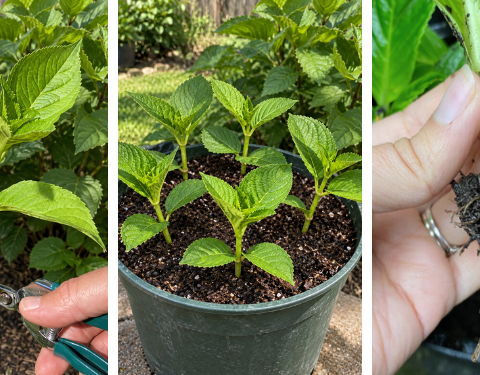
November is the perfect time to propagate shrubs and trees from hardwood cuttings.
Plants suitable for hardwood cuttings include:
- Currants (red, black, white)
- Gooseberries
- Dogwood
- Forsythia
- Honeysuckle
- Willow
- Roses
Steps:
- Select healthy, pencil-thick stems from this year’s growth.
- Cut them into 6–10 inch sections with clean, sharp pruners.
- Dip the base in rooting hormone (optional).
- Plant them in pots or directly in well-drained soil.
- Label and leave them in a sheltered spot until spring.
Hardwood cuttings take longer to root but require minimal maintenance.
7. Divide and Replant Perennials
Dividing perennials in November helps rejuvenate tired plants, prevent overcrowding, and create new plants for free.
Divide when:
- The plant has outgrown its space
- It blooms less or shows signs of decline
- You want to expand your planting
Best perennials to divide in November:
- Daylilies
- Hostas
- Irises
- Peonies (early in the month)
- Ornamental grasses
Water new divisions well and mulch around them for winter protection.
8. Protect Tender Plants from Frost
Frost-sensitive plants need attention before the first hard freeze.
- Move container plants like citrus, geraniums, and herbs indoors or to a greenhouse.
- Cover garden plants with horticultural fleece or cloches during cold snaps.
- Add mulch around the base of borderline-hardy perennials.
If growing in Zones 7 and below, dig up tender bulbs like dahlias and cannas, dry them, and store in a cool, dark place.
9. Prepare Garden Tools and Equipment
November is the month to pack away tools and gear for winter. Well-maintained tools will last longer and perform better next season.
- Clean dirt from tools and blades.
- Sharpen pruners, shears, and mower blades.
- Wipe metal parts with oil to prevent rust.
- Empty and store hoses, watering cans, and irrigation systems.
- Store pots, planters, and garden furniture in a shed or garage to avoid freeze damage.
Drain fuel from gas-powered tools or add stabilizer to prevent issues over winter.
10. Feed the Birds and Support Garden Wildlife
As natural food becomes scarce, wildlife will appreciate your help.
- Hang bird feeders with seeds, suet, or fat balls.
- Provide fresh water and keep birdbaths ice-free.
- Avoid tidying up all garden corners – leave piles of twigs, seed heads, and fallen leaves for shelter.
Supporting beneficial wildlife now ensures they return in spring to pollinate plants and keep pests in check.
11. Plan and Order for Next Season
With the growing season winding down, use the quieter days of November to plan for the future.
- Review your garden journal or notes from the past season.
- Map out crop rotations and garden layouts.
- Order seed catalogs or browse online for next year’s varieties.
- Sketch new designs or projects, like raised beds or pollinator gardens.
The more you plan now, the more successful your spring start will be.
12. Indoor Gardening in November
If outdoor gardening slows down, November is the perfect time to enjoy indoor plant care and indoor seed starting.
- Start herbs like basil, chives, and parsley on sunny windowsills.
- Grow microgreens for quick, nutritious harvests.
- Begin planning seed-starting schedules for early spring.
Caring for houseplants also becomes more important:
- Reduce watering
- Clean leaves to aid photosynthesis
- Move plants closer to light sources
13. November Lawn and Tree Care
Don’t forget your lawn and larger landscape plants.
- Rake leaves to prevent mold or smothering grass.
- Apply autumn lawn feed in early November if the soil is still warm.
- Prune dead or crossing branches from trees to reduce wind damage risk.
Avoid heavy pruning of trees and shrubs until dormancy is deeper (usually December or January).
Regional Tips: Gardening by Climate Zone
Northern/Cold Climates (Zones 3–6)
- Focus on cleanup, composting, and protecting beds with mulch.
- Pull in container plants and overwinter bulbs indoors.
- Finish fall planting early before the ground freezes.
Mild Climates (Zones 7–10)
- Plant cool-season crops like lettuce, carrots, and broccoli.
- Keep weeding and mulching as growth may continue.
- Watch for pests that thrive in mild winters.
While the garden may appear to sleep in November, it’s actually undergoing a subtle transformation. This is the month of preparation – of tucking things in, laying the groundwork, and caring for what’s already grown.
By completing the tasks outlined in this guide, you’ll not only protect your garden through the winter but also prime it for a vigorous and successful spring.