Tomatoes are arguably the crown jewel of summer gardening.
Whether it’s the deep red of a beefsteak, the juicy bite of a cherry tomato, or the colorful burst of a yellow heirloom, growing your own tomatoes is one of the most rewarding parts of any garden. But they aren’t the easiest plant to master.
While tomato plants are hardy and adaptable, they still have their quirks. Overwatering, the wrong location, poor pruning habits – small mistakes can snowball into disappointing harvests.
In this detailed guide, we’ll go through 15 common tomato growing mistakes and, more importantly, how to avoid them.
Whether you’re a beginner or a seasoned gardener, these insights will help you get plump, juicy tomatoes all season long.
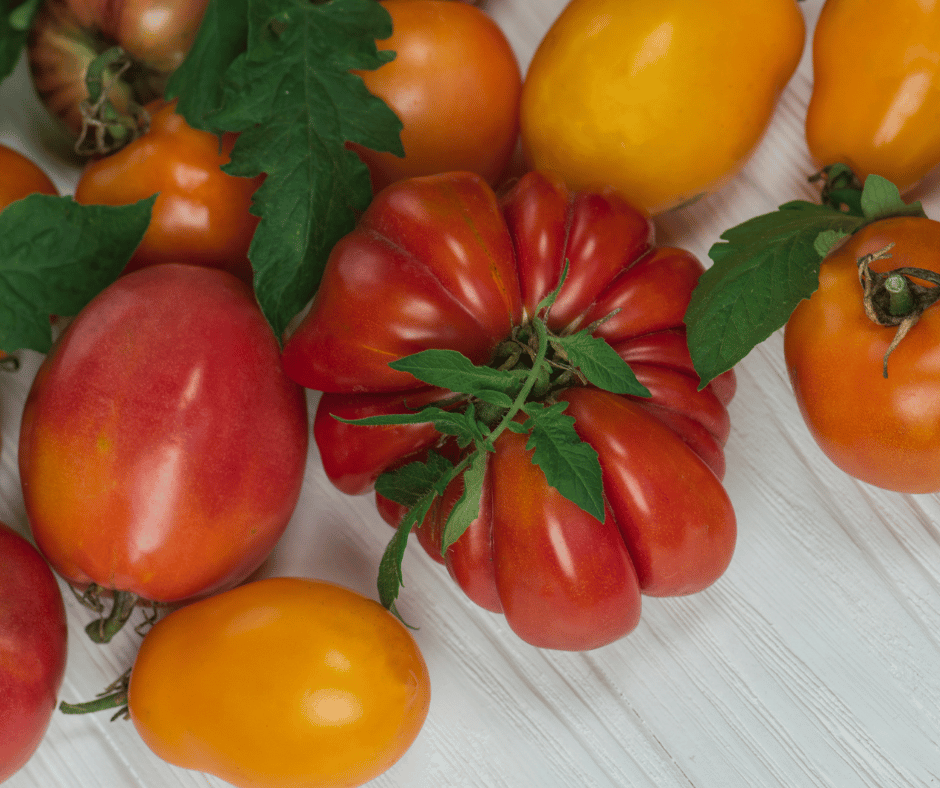
1. Choosing the Wrong Tomato Variety
It’s easy to grab the first tomato seedling you see at the nursery – but not every variety thrives in every garden.
Tomatoes come in many shapes, sizes, colors, and growth habits. The key is to match your variety with your garden space, your climate, and your purpose.
Indeterminate vs. Determinate: Indeterminate tomatoes grow tall and produce fruit over time – ideal for vertical spaces and cages. Determinate types stay compact and ripen all at once – better for small containers or limited garden beds.
Climate Consideration: Some heirlooms struggle in humid regions, while hybrid varieties may resist disease better.
Purpose: Want to make pasta sauce? Go for Roma or San Marzano. Love snacking straight from the vine? Cherry and grape tomatoes are perfect.
Taking the time to research varieties pays off when you’re harvesting sweet, sun-ripened fruits matched perfectly to your needs.
2. Skipping the Seed-Starting Phase
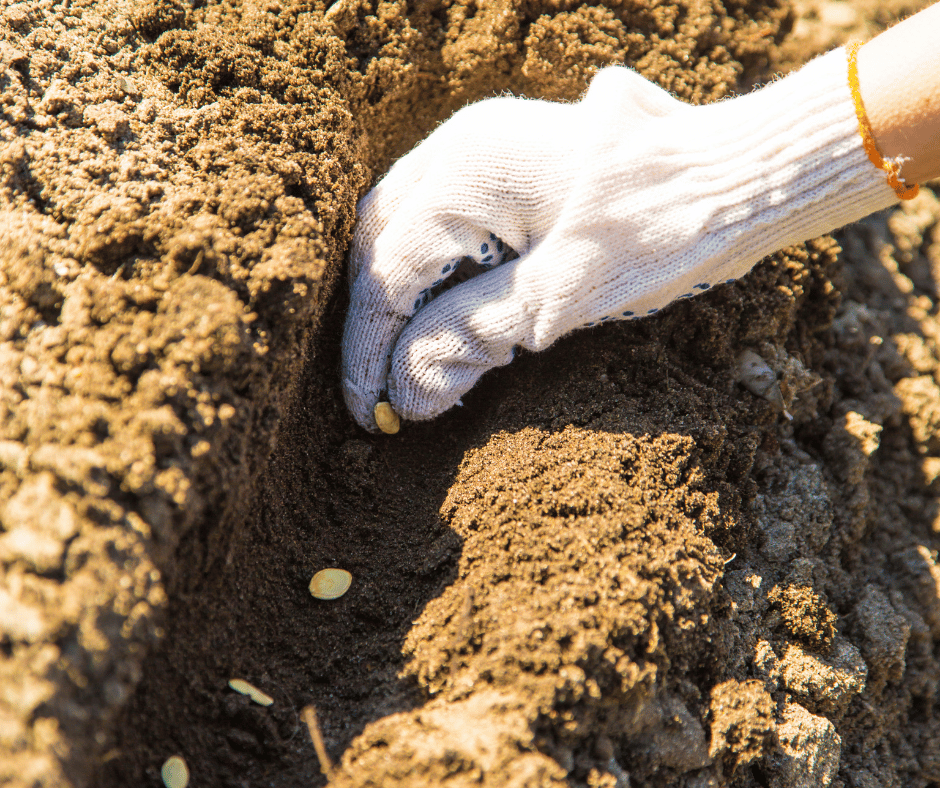
While buying starter plants is convenient, starting tomatoes from seed gives you total control over variety and growing conditions. It also opens the door to rare and heirloom types.
Start seeds indoors 6–8 weeks before your last frost date. Use sterile seed-starting mix, bottom heat (seedling heat mats), and grow lights to give seedlings a strong start.
Pro tip: Label everything! Different tomato varieties can look identical when young.
3. Failing to Harden Off Seedlings
Hardening off is the process of slowly introducing indoor-grown plants to outdoor conditions. Skip this step, and your young tomato plants may go into shock.
About 7–10 days before transplanting:
- Place seedlings outside in partial shade for a few hours each day
- Gradually increase sunlight and outdoor exposure
- Bring them in at night if temperatures drop too low
This reduces transplant shock and strengthens your plants before they meet the elements.
4. Planting Too Early in the Season
Tomatoes are sun lovers. Planting them before the last frost – or in soil that’s too cold – can lead to stunted growth or even plant death.
Wait until:
- Soil temperatures are consistently above 60°F (15°C)
- Nighttime lows are reliably above 50°F (10°C)
Cold soil also reduces nutrient uptake, weakening plants from the start. Patience pays off with stronger roots and faster fruiting later on.
5. Picking the Wrong Location
Tomatoes thrive in full sun – they need at least 6–8 hours per day to grow and fruit well.
Avoid:
- Shady spots under trees or near fences
- Areas with poor airflow (can increase disease risk)
- Overcrowded beds where plants compete for sun
Tomatoes also love well-drained, fertile soil. Raised beds or amended garden plots work best.
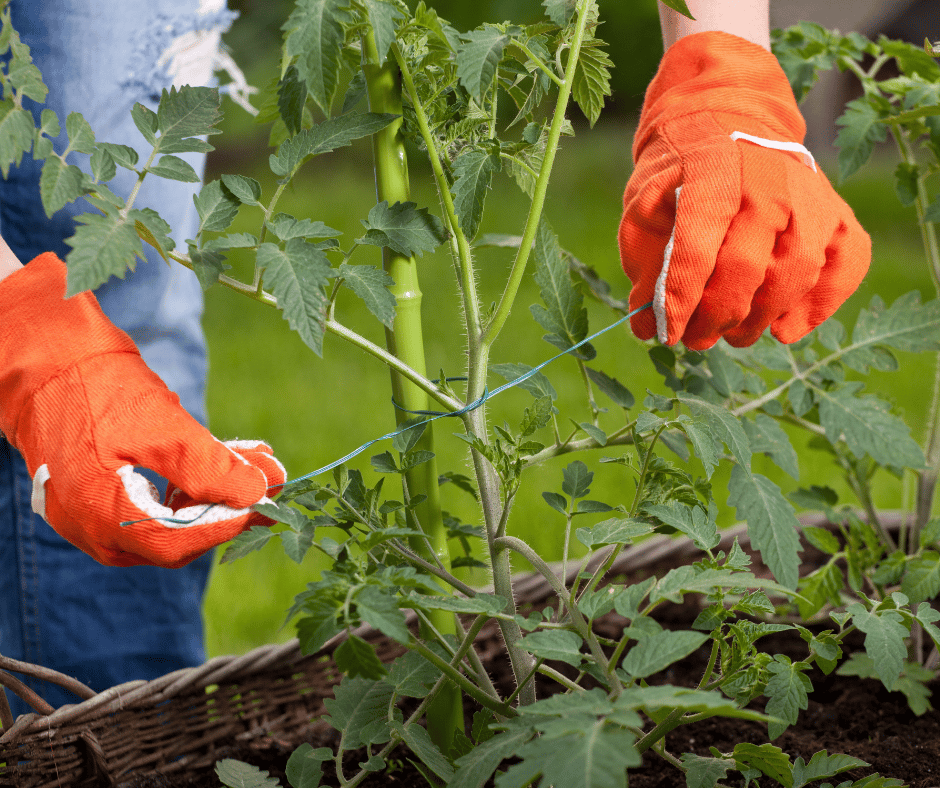
6. Skipping the Support System
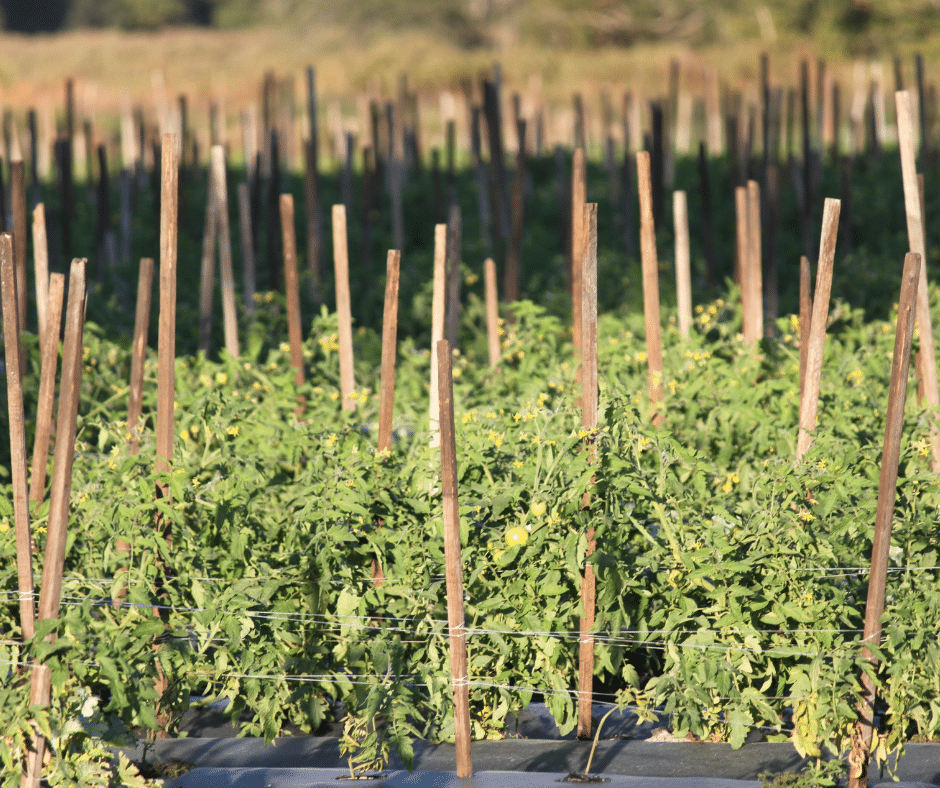
Tomatoes can’t stand tall on their own. Without support, they’ll sprawl on the ground, making them more prone to disease and pests.
Common options:
- Tomato cages (great for determinate types)
- Stakes (simple and vertical for tight spaces)
- Trellises or string supports (for indeterminate varieties)
Train them early, when they’re small. Waiting too long can damage stems and cause breakage when trying to lift heavy, fruit-laden vines.
7. Ignoring Pruning Practices
Pruning isn’t just for aesthetics – it boosts airflow, reduces disease, and directs energy into fruit production.
Key pruning tips:
- Remove suckers (those small shoots that grow between the stem and branches) to avoid a tangled mess
- Trim lower leaves to prevent soil splash and early blight
- Remove yellowing or diseased leaves promptly
But don’t overdo it – some leaf cover is needed to protect fruits from sunscald.
8. Watering the Wrong Way
Inconsistent watering is the root cause of several tomato problems:
- Blossom-end rot (a calcium uptake issue from dry spells)
- Cracking (from sudden overwatering)
- Disease (from wet foliage)
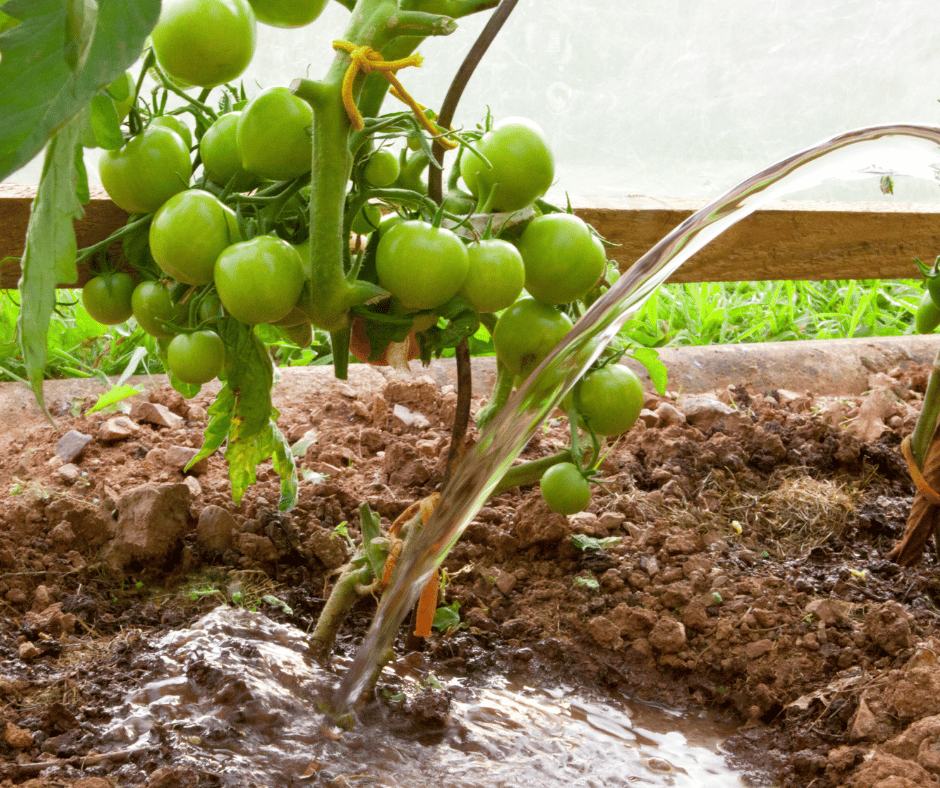
Best practices:
- Water deeply and consistently at the base of the plant
- Avoid watering overhead
- Mulch around plants to retain moisture and prevent splash-up
Aim for 1–2 inches of water per week, adjusting for rainfall and heat.
9. Not Using Mulch
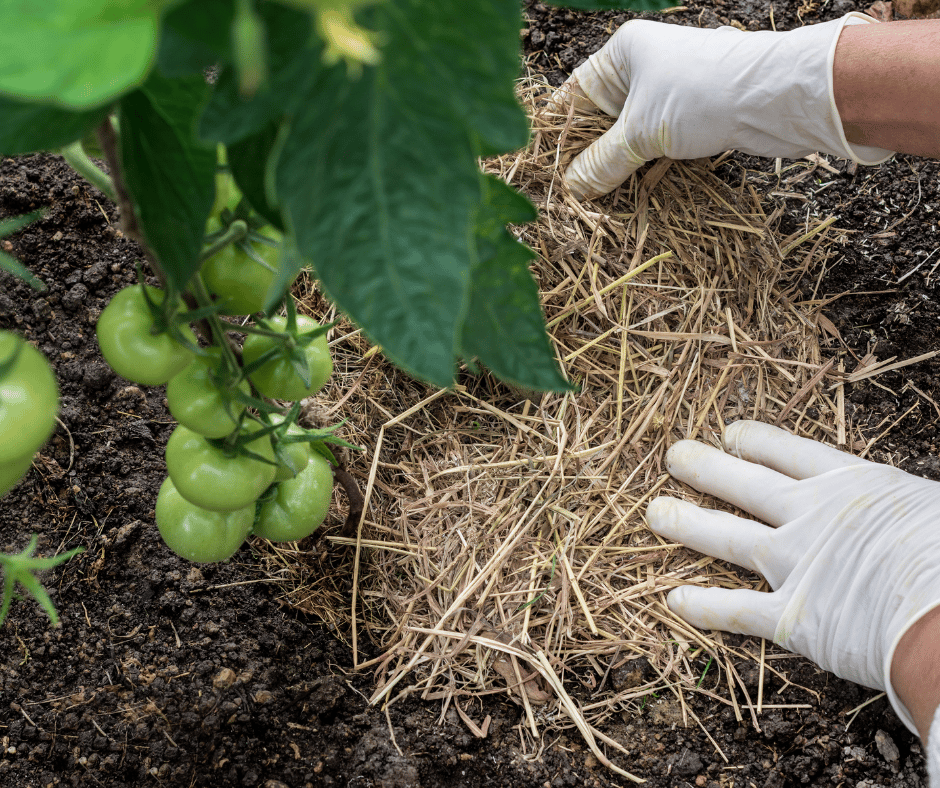
A thick layer of mulch around your tomato plants makes a world of difference.
Benefits of mulching:
- Stabilizes soil temperature
- Prevents evaporation
- Blocks weed growth
- Stops disease spores from splashing up
Use organic mulches like straw, shredded leaves, or untreated grass clippings. Apply 2–3 inches around the base of the plant, keeping it a few inches away from the stem.
10. Over-Fertilizing or Using the Wrong Fertilizer
Tomatoes need nutrients, but too much of the wrong kind – especially nitrogen – will cause excessive leafy growth at the expense of fruit.
For a healthy balance:
- Use a fertilizer with a lower nitrogen ratio (like 5-10-10)
- Avoid frequent feedings early in the season
- Add compost to improve soil naturally
During flowering, switch to a phosphorus- and potassium-rich fertilizer to support blossom and fruit growth.
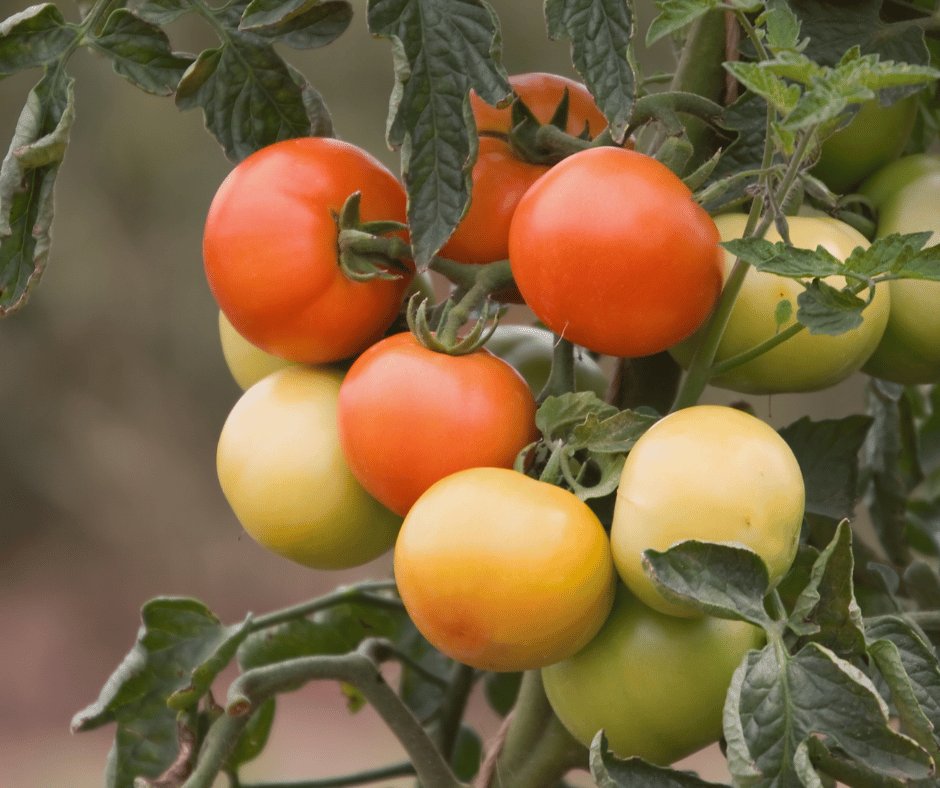
11. Forgetting About Green Tomatoes
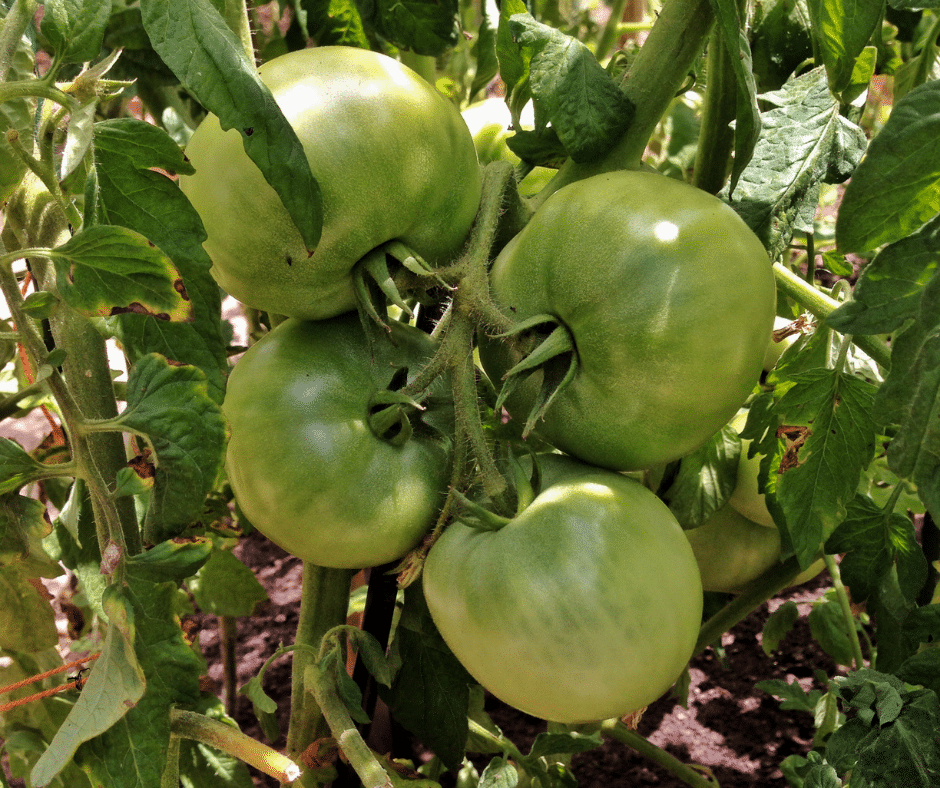
As fall approaches, you’ll likely have clusters of green tomatoes that haven’t ripened yet.
To help them mature:
- Pinch off new flowers and suckers about 30 days before first frost
- Cut back excess foliage to allow more light to the fruit
- Harvest nearly mature green tomatoes and let them ripen indoors
This practice focuses the plant’s energy on finishing what it started – your final harvest.
12. Watering From Above
Overhead watering causes wet foliage, which invites fungal diseases like early blight and powdery mildew.
Instead:
- Use drip irrigation, soaker hoses, or a watering wand at soil level
- Water early in the day to allow evaporation of excess moisture
Dry leaves = healthier tomatoes.
13. Adding Too Much Nitrogen
A little nitrogen goes a long way. Overdoing it leads to:
- Big, leafy plants with little fruit
- Delayed flowering
- Increased pest attraction
Early in the season, some nitrogen is good – but switch to balanced or phosphorus-rich fertilizers once flowering begins.
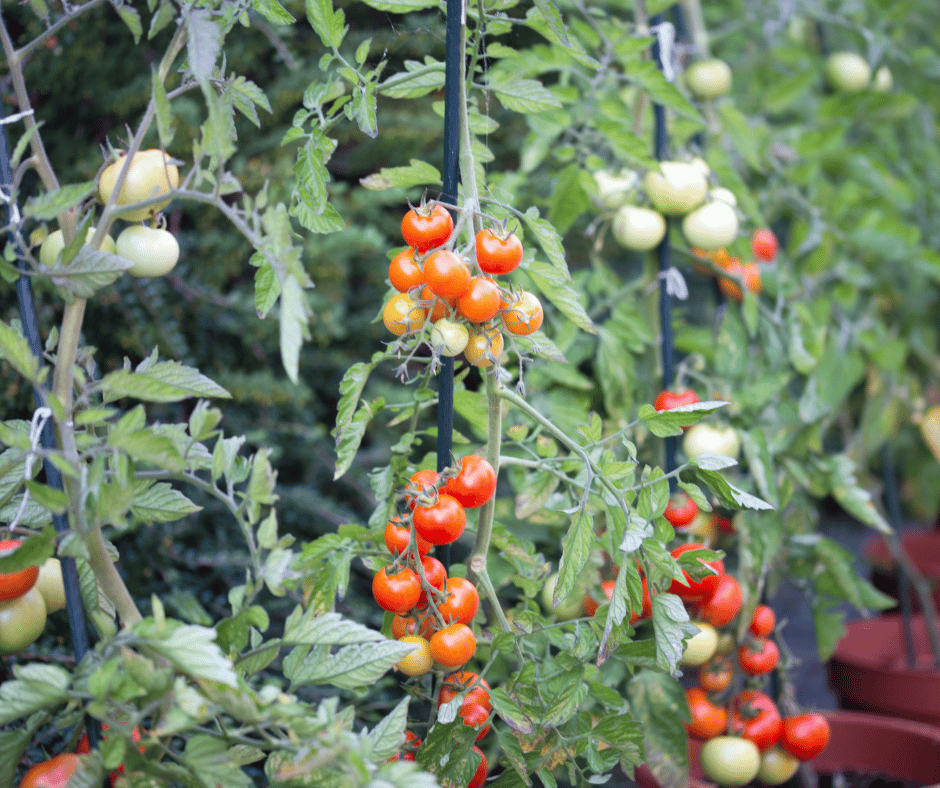
14. Overcrowding Tomato Plants
Tomatoes need airflow. Too many plants jammed into a small space leads to:
- Poor pollination
- Greater pest pressure
- Higher risk of disease
Follow spacing guidelines:
- Indeterminate types: 24–36 inches apart
- Determinate types: 18–24 inches apart
Give them room to breathe, grow, and shine.
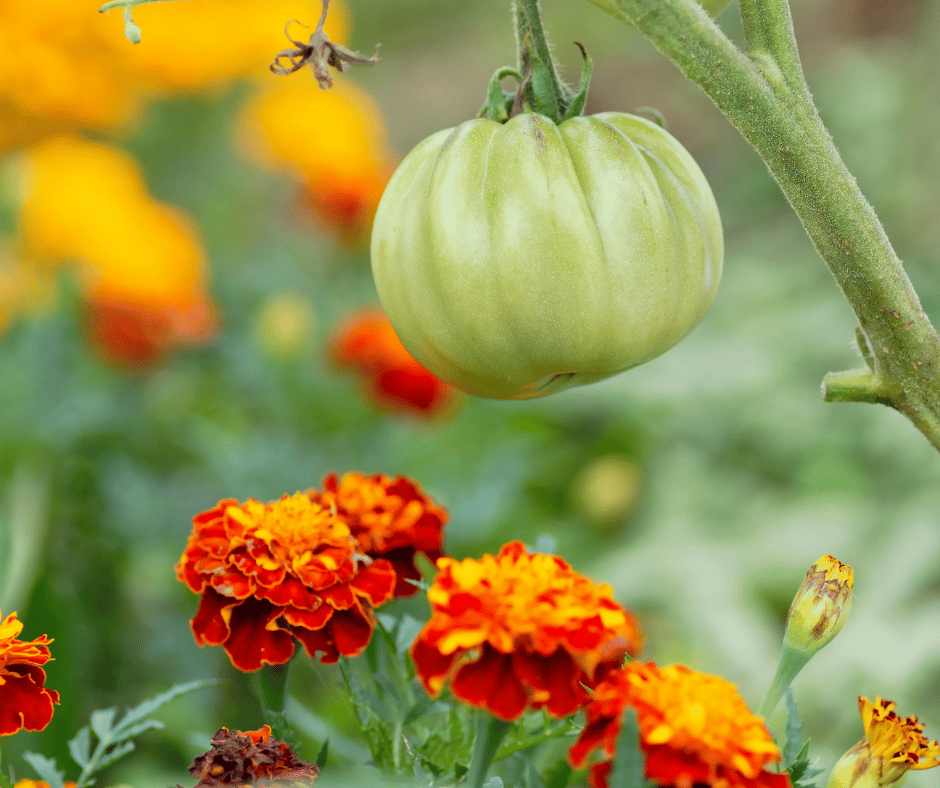
Tomatoes are a great addition to any garden, whether you grow them solo or in pairs. The key is finding the right companions for your plants so they can get their nutrients and thrive!
15. Letting Extra Tomatoes Go to Waste
With the right care, tomato plants can be prolific – and that abundance can quickly turn into overwhelm.
What to do with extras:
- Freeze or can tomatoes for sauces and soups
- Dry cherry tomatoes for snacks or salads
- Share with neighbors, family, or local food banks
Bonus idea: Make a slow-roasted tomato paste and freeze in cubes for flavor-packed winter cooking.
Tomatoes may not be the easiest plant to grow, but they’re certainly one of the most satisfying.
With just a little planning and the avoidance of common pitfalls, you can enjoy a garden bursting with color, flavor, and juicy red (or yellow, or purple!) fruit.