Hydrangeas are among the most beloved flowering shrubs in gardens across the world.
Their vibrant blooms, which range from pastel pinks to electric blues and snowy whites, can transform a bland space into a floral masterpiece.
But while these hardy plants are often considered beginner-friendly, growing lush, healthy hydrangeas year after year does take some know-how.
If your hydrangeas aren’t blooming as they should or worse, dying back – it’s very likely you’re unknowingly making one or more common mistakes. Fortunately, once you understand what these are, they’re easy to correct.
In this guide, we’ll walk through the top 5 mistakes gardeners make when caring for hydrangeas and how to fix each one.
Whether you’re growing mophead, lacecap, panicle, oakleaf, or smooth hydrangeas, avoiding these pitfalls will help you grow stronger plants with fuller blooms season after season.
Mistake #1: Pruning at the Wrong Time
Why It’s a Problem
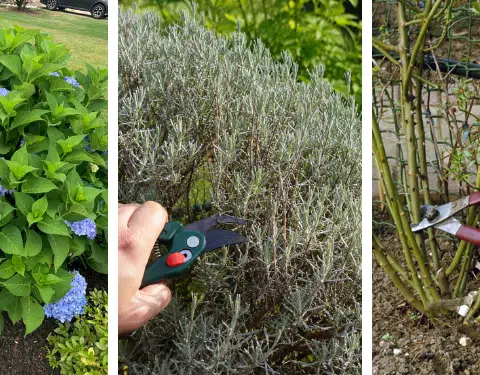
One of the most frequent reasons hydrangeas fail to bloom is incorrect pruning.
Many varieties bloom on “old wood” – meaning the previous year’s growth. If you prune in late fall or early spring, you’re likely removing the very stems that would produce next season’s flowers.
The Fix: Know Your Variety
To prune correctly, you must first identify what type of hydrangea you have:
- Hydrangea macrophylla (Bigleaf): Blooms on old wood.
- Hydrangea quercifolia (Oakleaf): Blooms on old wood.
- Hydrangea arborescens (Smooth): Blooms on new wood.
- Hydrangea paniculata (Panicle): Blooms on new wood.
- Hydrangea serrata (Mountain): Blooms on old wood.
When to prune:
- Old wood bloomers: Prune immediately after blooming (usually mid to late summer).
- New wood bloomers: Prune in late winter or early spring before new growth appears.
If you’re unsure, avoid heavy pruning and stick to deadheading old flowers after blooming. You can also wait a full year to observe your plant’s flowering behavior and determine its type.
Mistake #2: Planting in the Wrong Spot
Why It’s a Problem
Hydrangeas thrive in specific light and soil conditions. Placing them in the wrong location can lead to stunted growth, scorched leaves, fewer flowers, or even death due to improper drainage or sunlight exposure.
The Fix: Choose the Right Location
Hydrangeas are shade-tolerant but not shade-loving. Most varieties perform best with:
- Morning sun and afternoon shade. Too much intense sunlight (especially in southern climates) can stress the plant.
- Well-draining, moist soil. Hydrangeas hate “wet feet” (constant soggy soil), but they also need consistent moisture.
Location tips:
- If leaves are scorched or wilting mid-day, your plant is likely getting too much sun.
- If the stems are weak or blooms are sparse, it might need more light.
Before planting, amend your soil with organic matter like compost and perform a drainage test to ensure water doesn’t pool at the roots.
Mistake #3: Overwatering or Underwatering
Why It’s a Problem
Hydrangeas are moisture lovers – but only to a point. Too much water can lead to root rot, while too little causes drooping leaves, crispy edges, and poor flowering.
The Fix: Follow a Consistent Watering Schedule
Hydrangeas need:
- 1 to 2 inches of water per week, either through rainfall or supplemental watering.
- Extra water during droughts or heatwaves.
- Mulch (2–3 inches of bark or straw) to help retain soil moisture.
Signs of overwatering:
- Yellowing leaves
- Mushy stems
- Root rot smell
Signs of underwatering:
- Wilting leaves that don’t perk up in the evening
- Brown, crispy leaf edges
Use a moisture meter or simply stick your finger 2 inches into the soil – if it feels dry, it’s time to water.
Mistake #4: Ignoring Soil pH and Fertilizer Needs
Why It’s a Problem
Hydrangeas are unique because their flower color (in some varieties) changes based on soil pH.
But more importantly, imbalanced soil chemistry can lead to nutrient deficiencies, weak stems, and lackluster blooms.
The Fix: Test and Adjust Your Soil
Start with a soil pH test – available at garden centers or online. Here’s what it tells you:
- pH below 6.0: Acidic soil = blue blooms
- pH above 7.0: Alkaline soil = pink blooms
- pH around 6.0–6.5: Purple or mixed blooms
To change bloom color:
- Blue blooms: Add aluminum sulfate or peat moss.
- Pink blooms: Add lime to raise pH.
Beyond color, fertilizer plays a key role in healthy growth. But too much nitrogen can lead to leafy growth at the expense of flowers.
Fertilizer tips:
- Use a balanced, slow-release fertilizer like 10-10-10 in early spring.
- Avoid high-nitrogen lawn fertilizers near hydrangea beds.
- Apply again after blooming to support next year’s growth (but not after August).
Mistake #5: Not Protecting Plants from Harsh Weather
Why It’s a Problem
Late spring frosts, winter desiccation, and intense summer heat can all wreak havoc on your hydrangeas.
Frost can kill new buds, while strong winds and ice can break stems.
The Fix: Seasonal Protection Strategies
Hydrangeas are hardy, but certain varieties are more vulnerable to the elements:
- Bigleaf and mountain hydrangeas often lose buds to late frosts.
- Panicle and smooth hydrangeas are much more cold-tolerant.
Protection tips:
- In spring: If frost is predicted, cover the plant overnight with a sheet or garden fabric.
- In summer: Water deeply during heatwaves and use mulch to retain moisture.
- In winter: Wrap vulnerable varieties with burlap or a chicken-wire cage filled with straw or leaves to insulate against freezing temps.
If you’re in USDA Zone 5 or colder, consider planting cold-hardy hydrangeas like Hydrangea paniculata or Hydrangea arborescens.
Bonus Tips for Lush, Blooming Hydrangeas
1. Deadhead Spent Blooms
Deadheading encourages more blooms and keeps your plant looking tidy. Simply snip off the faded flowers above a healthy set of leaves.
2. Mulch Regularly
Mulch not only retains moisture but also helps regulate soil temperature and suppress weeds. Apply 2–3 inches of organic mulch in spring and top off in late summer.
3. Divide Overgrown Plants
Older hydrangeas that become too large or crowded may stop blooming. Every 5–7 years, dig and divide the root ball in early spring or fall to reinvigorate the plant.
4. Choose the Right Variety for Your Region
If you live in a colder zone, avoid bigleaf hydrangeas unless they are cold-hardy cultivars like ‘Endless Summer’. Panicle and smooth hydrangeas are better suited for colder climates.
5. Don’t Overcrowd Your Plants
Hydrangeas need room to breathe. If air circulation is poor, your plant is at higher risk for mildew and rot. Give each plant at least 3–5 feet of spacing, depending on the variety.
Hydrangeas may be forgiving, but avoiding these five major mistakes will take your garden from struggling to spectacular.
The key is knowing your variety, understanding its unique needs, and responding to what your plant is telling you – whether that’s drooping leaves, discolored blooms, or delayed flowering.
By pruning at the right time, planting in the ideal spot, maintaining balanced soil and water, and protecting against harsh weather, your hydrangeas can thrive and fill your yard with color and charm for years to come.