Raised bed gardening has quickly become a favorite among gardeners of all skill levels.
Whether you’re working with limited space, poor soil quality, or simply want to elevate your gardening game, raised beds offer countless advantages.
From better soil control and improved drainage to fewer weeds and easier access, the benefits are hard to beat.
However, to fully reap those benefits, it’s important to set up and maintain your raised beds the right way.
Here are 10 expert-backed tips to help you achieve thriving raised bed gardens year-round.
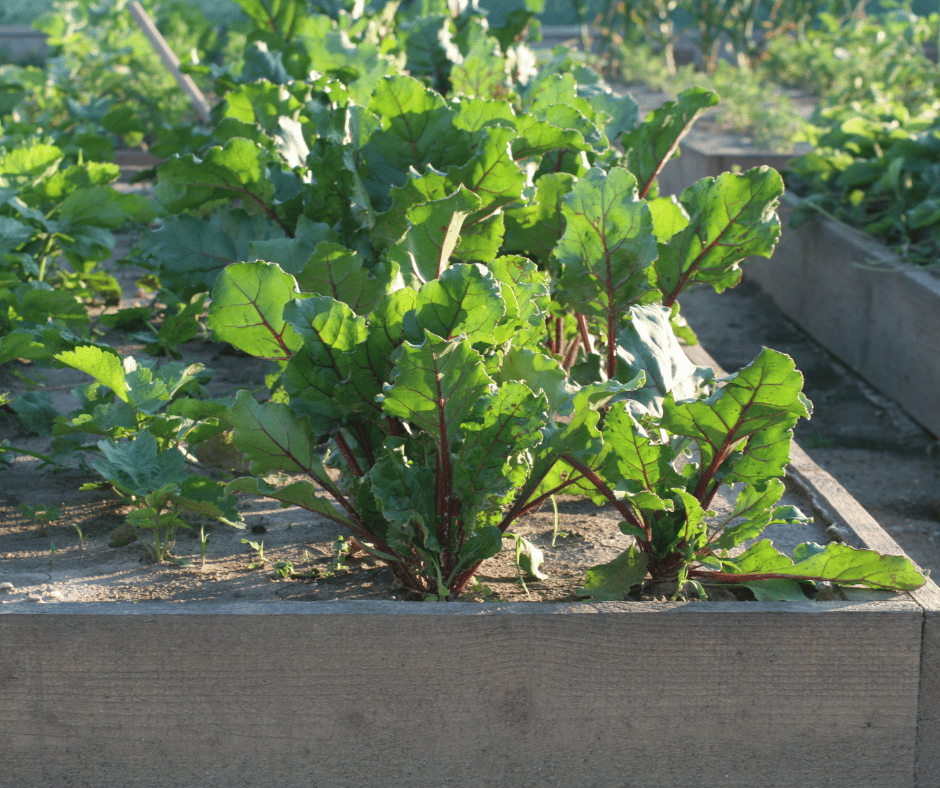
1. Choose the Right Location
The foundation of a productive raised bed garden is choosing the right spot. Most vegetables and flowers require at least 6 to 8 hours of direct sunlight per day.
Look for a location that receives ample morning and afternoon sun. Avoid areas shaded by buildings, trees, or fences.
Access is just as important. You should be able to reach all parts of the bed easily from the sides.
Raised beds are typically no wider than 4 feet so you can reach the center without stepping on the soil, which would cause compaction.
2. Select the Best Materials for Your Beds
Raised beds can be built from a variety of materials: wood, stone, brick, concrete blocks, or even galvanized steel. Cedar and redwood are popular choices for wooden beds because they naturally resist rot and insects.
Avoid treated lumber if you’re growing edibles, as older pressure-treated wood may leach harmful chemicals into the soil.
For budget-friendly beds, untreated pine or repurposed materials like old bricks or pallets can work well, though they may not last as long.
3. Optimize the Bed Dimensions
Standard raised beds are 4 feet wide and 8 feet long, but you can customize dimensions based on your space.
Depth is critical: beds should be at least 10 to 12 inches deep to accommodate the roots of most vegetables.
Deeper beds (up to 18 inches) are ideal for root crops like carrots and potatoes or for gardens placed on hard surfaces like concrete.
4. Build Healthy Soil from the Start
The soil in raised beds warms up faster in spring, drains better, and can be tailored to your plants’ needs.
A great raised bed mix typically contains:
- 50% high-quality topsoil
- 30% compost (mushroom compost, kitchen compost, or aged manure)
- 20% aerators like perlite, vermiculite, or coarse sand
You can also add organic amendments like bone meal, blood meal, worm castings, or rock phosphate based on your plants’ requirements.
Regularly replenish your soil’s nutrients by top-dressing with compost or using organic fertilizers.
5. Use Mulch to Control Weeds and Moisture
Mulching is a raised bed gardener’s best friend. Use a 2- to 3-inch layer of organic mulch – such as shredded leaves, straw, or wood chips – to help retain soil moisture, suppress weeds, and regulate soil temperature.
It also adds organic matter as it breaks down.
Avoid synthetic mulches in raised beds, especially when growing food crops.
6. Water Consistently and Efficiently
Raised beds can dry out more quickly than in-ground beds. Regular watering is essential, especially during hot or windy weather.
The best way to water raised beds is with drip irrigation or a soaker hose to deliver water directly to the roots without waste.
Check soil moisture frequently by sticking your finger into the soil. If it’s dry 1–2 inches down, it’s time to water. Avoid overhead watering that can promote disease, especially in dense plantings.
7. Plan for Crop Rotation and Companion Planting
To keep your soil healthy and productive, rotate your crops each season. Avoid planting the same type of vegetable (like tomatoes or peppers) in the same spot year after year.
Rotation helps prevent soil depletion and reduces the buildup of pests and diseases.
Practice companion planting to maximize space and naturally deter pests. For example, plant basil near tomatoes, or marigolds near leafy greens to keep aphids at bay.
8. Protect Against Pests and Critters
Raised beds are easier to protect from pests than in-ground gardens. Install row covers or netting to keep out insects, birds, and animals.
If burrowing critters like gophers or moles are an issue, line the bottom of your bed with hardware cloth before filling it with soil.
Handpick larger pests like cabbage worms or beetles, and use organic pest control methods like neem oil, diatomaceous earth, or insecticidal soap when needed.
9. Maximize Your Space with Vertical Gardening
Take advantage of vertical space by adding trellises, obelisks, or cages to grow vining crops like beans, cucumbers, or peas.
This frees up soil space for other plants, improves air circulation, and makes harvesting easier.
Use sturdy supports anchored deep into the bed. Lightweight mesh or twine can guide delicate vines upward without damage.
10. Extend Your Growing Season
Raised beds warm up more quickly in spring and drain faster after rain, allowing for earlier planting.
To extend your harvest into the cooler months, use simple season extenders like cold frames, row covers, or hoop houses.
You can even grow cool-season crops like spinach, kale, and radishes late into fall or over winter in milder climates.
Bonus: Maintain Your Beds Regularly
To keep your raised bed garden productive year after year, practice regular maintenance:
- Remove spent plants promptly
- Top off soil with compost or organic matter
- Check and repair wood or structural materials
- Monitor for pests and diseases
A little attention throughout the season will keep your raised beds thriving for years to come.
Raised bed gardening offers convenience, productivity, and aesthetic appeal.
By following these tips – choosing the right location, building quality soil, and maintaining healthy practices – you can grow a garden that not only looks beautiful but produces abundant harvests season after season.
Whether you’re a beginner or seasoned green thumb, raised bed gardening can elevate your growing game. Start small, stay consistent, and watch your garden flourish.