Starting a garden may seem like a daunting task, but what if you could grow a thriving vegetable and herb patch using ingredients straight from your refrigerator?
It’s easier than ever to cultivate plants at home, and many everyday kitchen scraps can be transformed into lush, productive greenery with just a little patience and the right approach.
The secret is choosing water-friendly fruits and vegetables and using plant cuttings to clone new growth.
By allowing these cuttings to develop roots in water before transferring them into soil, you can simplify the gardening process and enjoy fresh, homegrown produce with minimal effort.
Why Grow Plants in Water?
Growing plants in water, also known as hydroponics, is a sustainable and convenient method that offers multiple benefits:
- Low Maintenance: No soil means no weeding, and fewer pests.
- Cost-Effective: Save money by regrowing plants from kitchen scraps.
- Cleaner Growth Environment: No mess from soil spills.
- Great for Small Spaces: Perfect for apartment dwellers or urban gardeners.
- Sustainable and Eco-Friendly: Reduces food waste and water consumption.
With the right conditions, many plants and fruits can be successfully propagated in water. Below are 20 of the best options to try at home.
20 Plants and Fruits That Grow in Water
1. Garlic
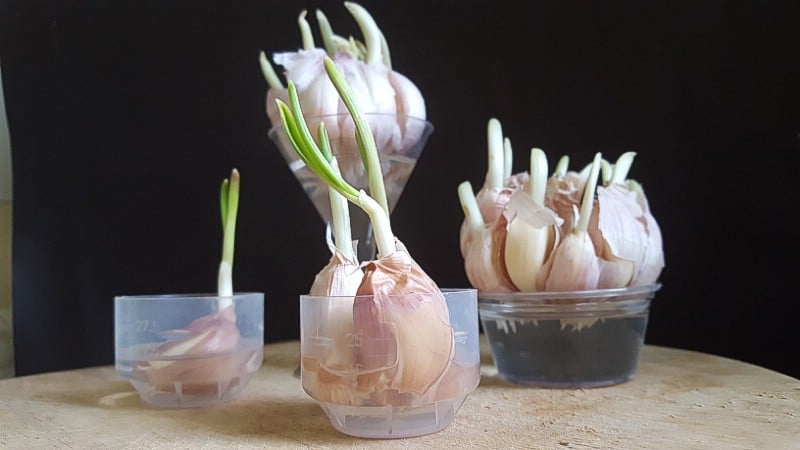
Why It Works: Garlic cloves sprout quickly when placed in water, making them an easy and rewarding crop to regrow.
How to Grow:
- Place a garlic clove in a small cup with a shallow layer of water.
- Wait for green shoots to emerge and cut them when they reach 3 inches high.
- Use these sprouts as a flavorful garnish or transplant them into soil for full garlic bulbs.
2. Lemongrass
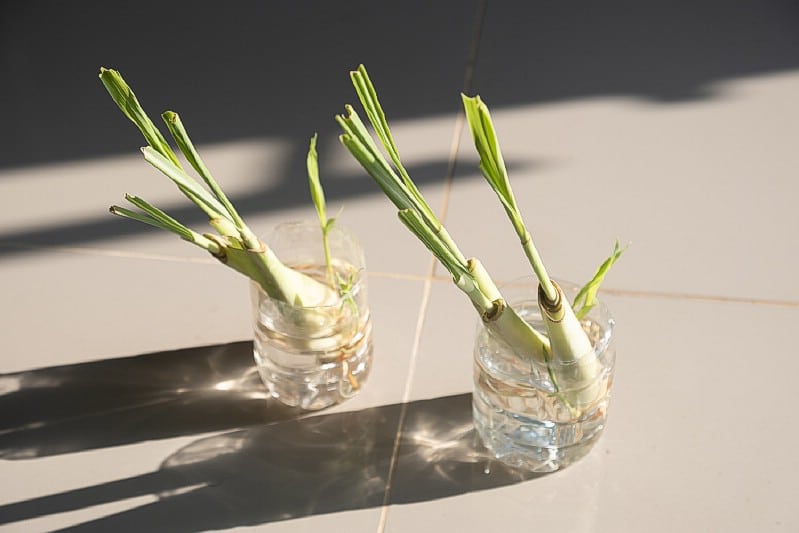
Why It Works: Lemongrass thrives in water, regenerating from its stalk with minimal effort.
How to Grow:
- Remove the leaves and place the stalk in a jar with an inch of water.
- Within a few weeks, new shoots and roots will emerge.
- Once the plant is well-established, transplant it into soil for a continual harvest.
3. Sweet Potatoes
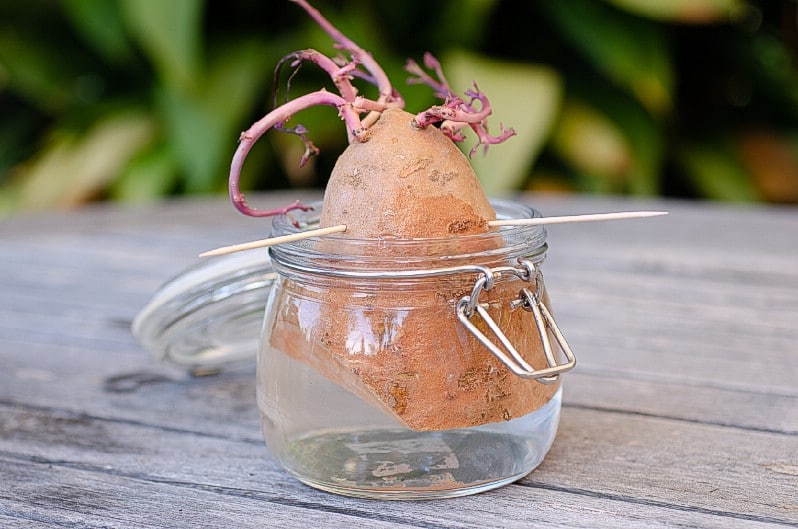
Why It Works: Sweet potatoes grow abundant vines that can be used as ornamental plants or propagated for additional crops.
How to Grow:
- Suspend a cut sweet potato half-submerged in water using toothpicks.
- Roots will develop from the submerged portion while vines grow above.
- Once strong roots form, plant in soil for further growth.
4. Marjoram
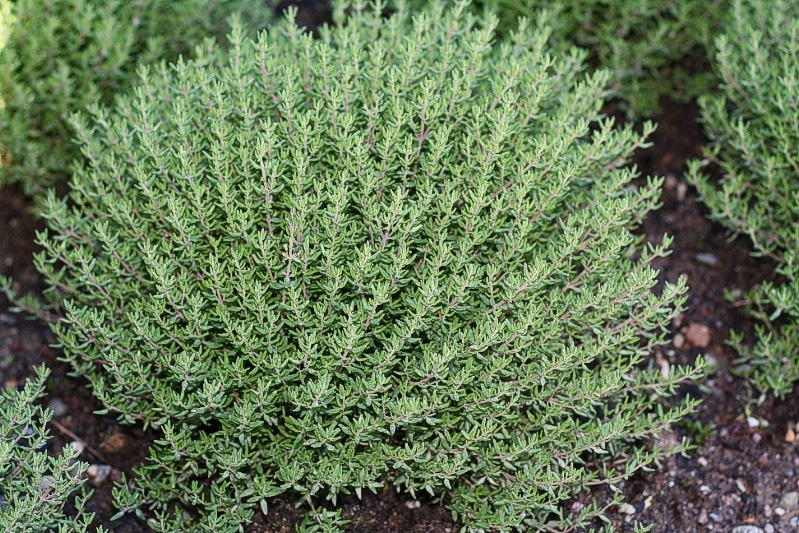
Why It Works: Marjoram is a fragrant herb that flourishes when propagated in water.
How to Grow:
- Take a cutting and place the stem in water, ensuring only the bottom portion is submerged.
- Change the water regularly to prevent bacteria growth.
- Once roots appear, transfer the plant into well-draining soil.
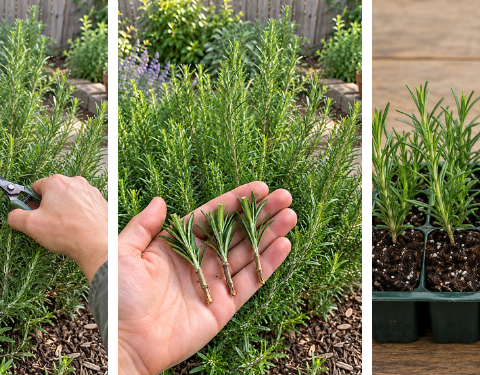
5. Rosemary
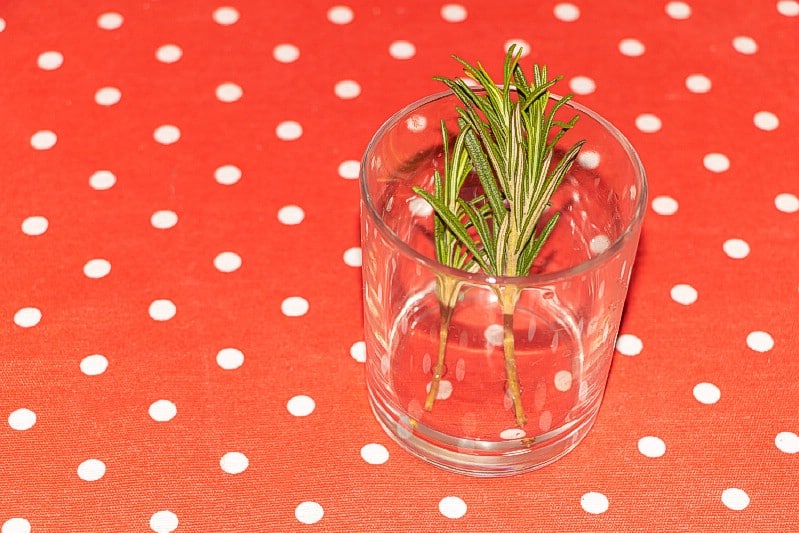
Why It Works: Rosemary is a slow-rooting but hardy herb that thrives in water before being transferred to soil.
How to Grow:
- Place cuttings in a jar of water and keep in a sunny location.
- Change the water every few days to prevent rot.
- Once strong roots develop, plant in a container or outdoor garden.
6. Lettuce
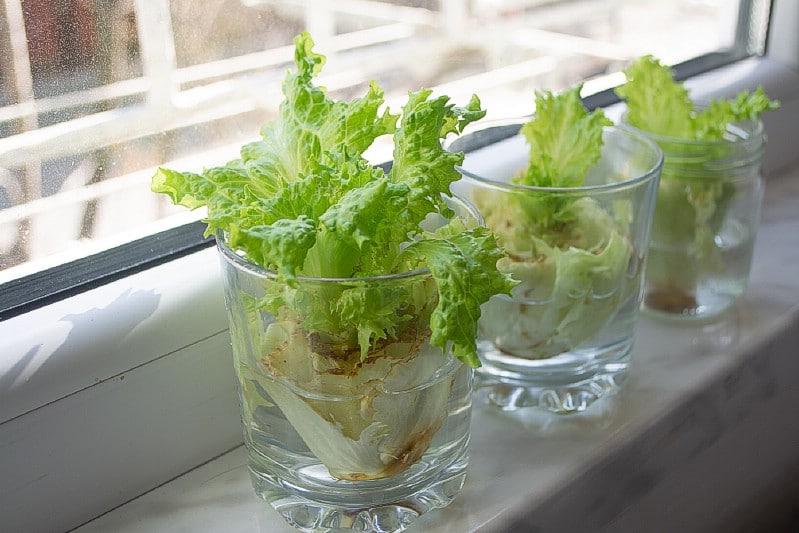
Why It Works: Lettuce can regenerate new leaves from leftover stems when placed in water.
How to Grow:
- Place the base of a used lettuce head in a shallow dish with water.
- Set in a sunny spot and change water every other day.
- After a few weeks, transplant into soil or continue harvesting leaves.
7. Peppers
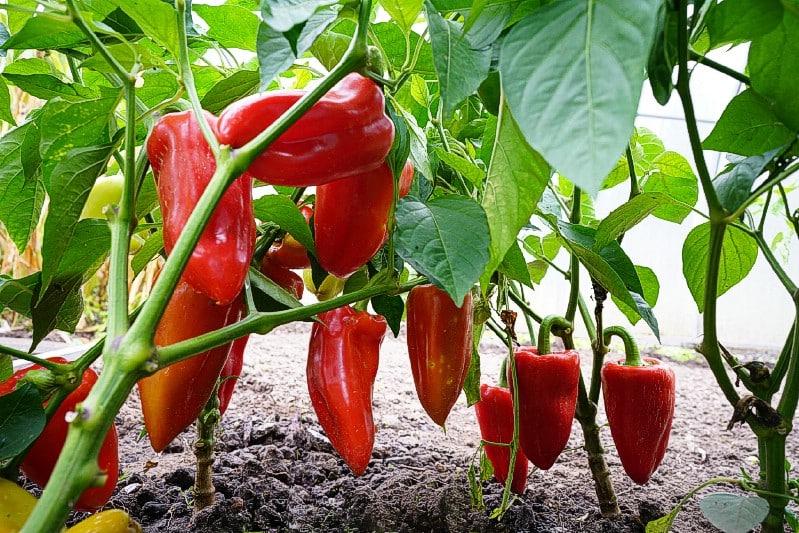
Why It Works: Pepper plants can be propagated from cuttings, producing new plants that bear fruit.
How to Grow:
- Cut a section of the stem and place it in water.
- Cover with plastic wrap to maintain humidity.
- Once roots develop, plant in soil for continued growth.
8. Carrots
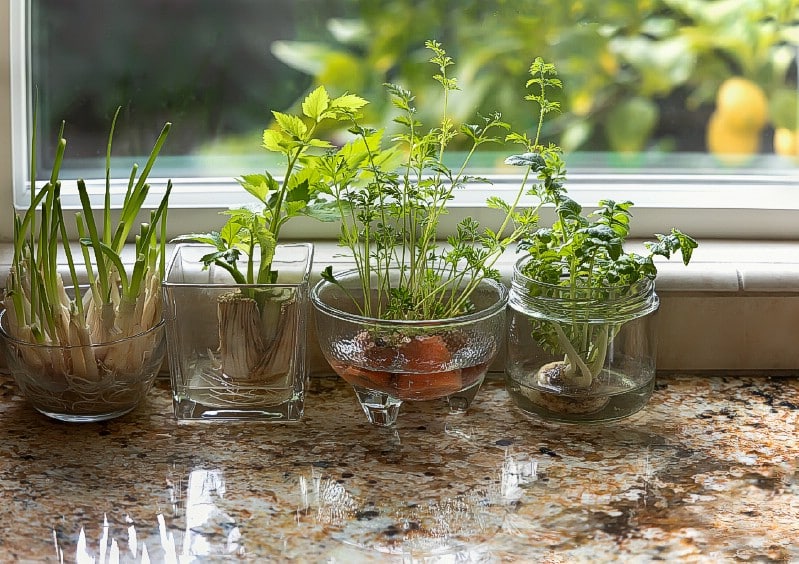
Why It Works: Carrot tops regrow leafy greens that can be used in salads and garnishes.
How to Grow:
- Place cut carrot tops in a shallow bowl of water.
- Change the water regularly to keep it fresh.
- Use the regrown greens as an edible garnish.
9. Pineapple

Why It Works: Pineapples can be regrown from their tops, though patience is required for fruit production.
How to Grow:
- Cut off the top of a pineapple and remove excess fruit flesh.
- Suspend the crown in water using toothpicks.
- Once roots form, transplant into soil for long-term growth.
10. Lavender
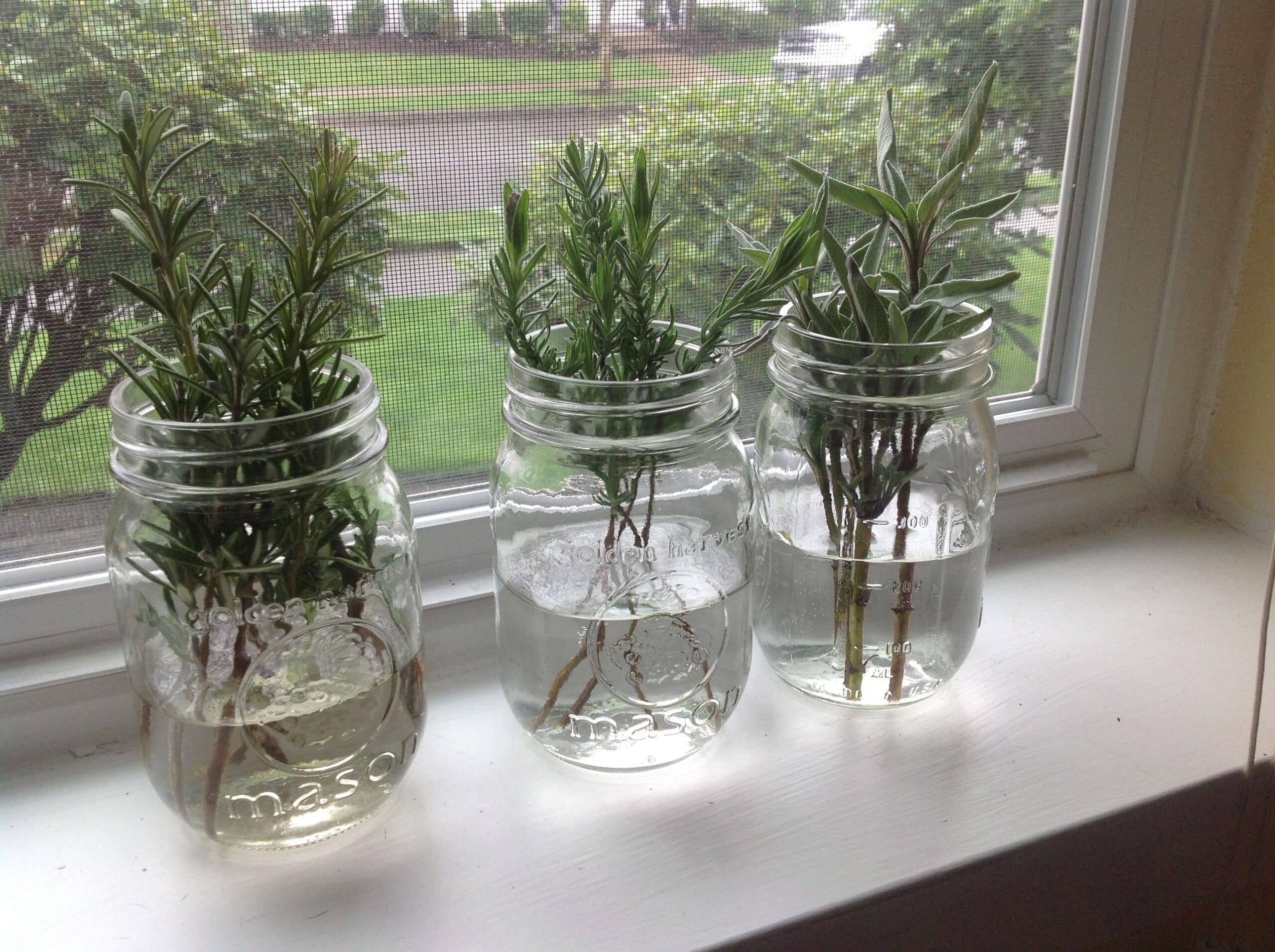
Why It Works: Lavender cuttings root well in water before being transplanted into soil.
How to Grow:
- Take a stem cutting and place it in water.
- Keep in a sunny location and replace water every few days.
- Transfer to soil when roots appear.
11. Avocado
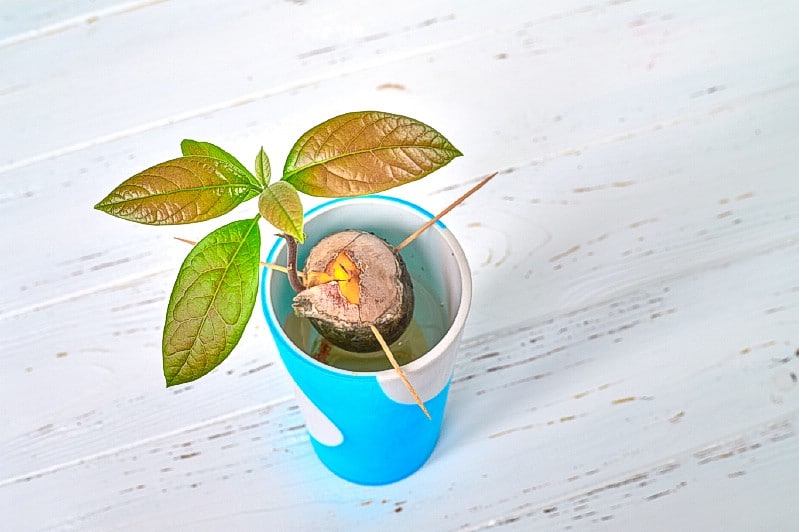
Why It Works: Avocado pits can be germinated in water, producing small trees that can eventually bear fruit.
How to Grow:
- Suspend an avocado seed in water using toothpicks.
- Place in a sunny area and wait for roots and stems to form.
- Transplant into soil once the plant is strong enough.
12. Mint
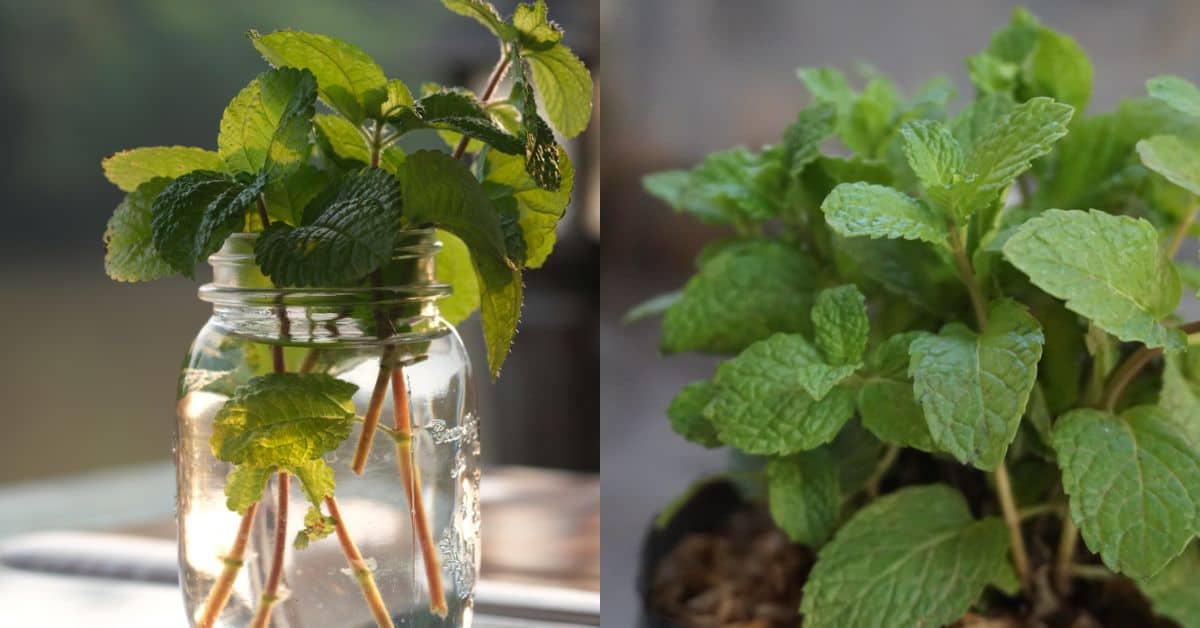
Why It Works: Mint is one of the easiest herbs to grow in water and thrives indoors.
How to Grow:
- Place cuttings in a water-filled container with good light.
- Change the water frequently to prevent bacterial buildup.
- Transfer to soil for stronger growth.
13. Celery
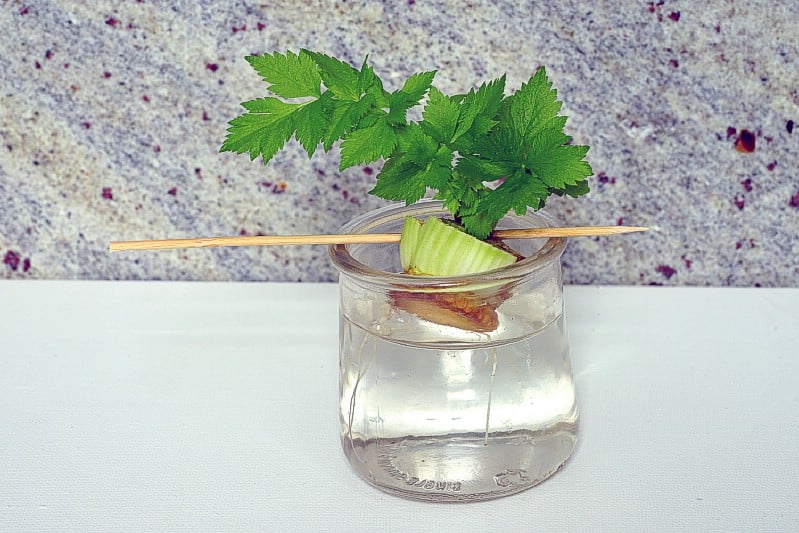
Why It Works: Celery can regrow from the base of a store-bought stalk.
How to Grow:
- Place the bottom of a celery bunch in water.
- Once new leaves and roots form, transfer to soil.
14. Spinach
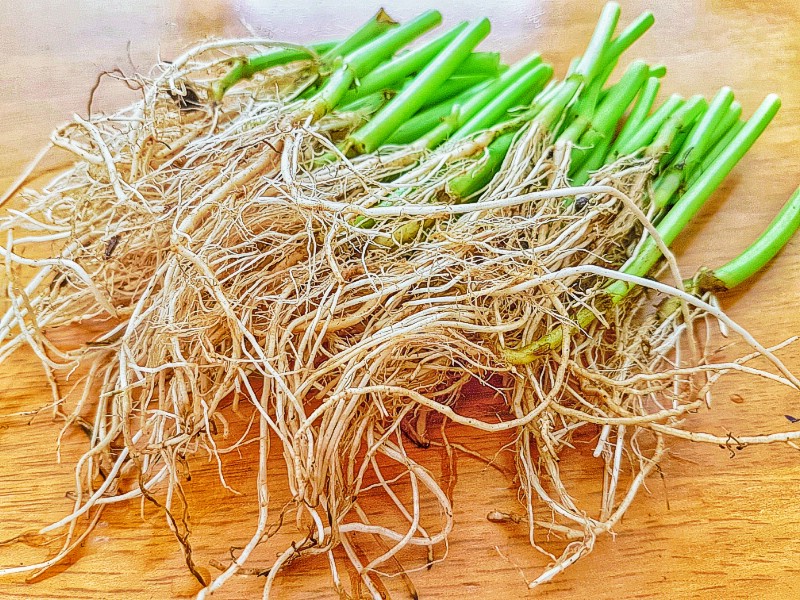
Why It Works: Spinach seeds can be germinated in water before planting in soil.
How to Grow:
- Soak spinach seeds in water to encourage germination.
- Once sprouted, plant them in soil for growth.
15. Potatoes
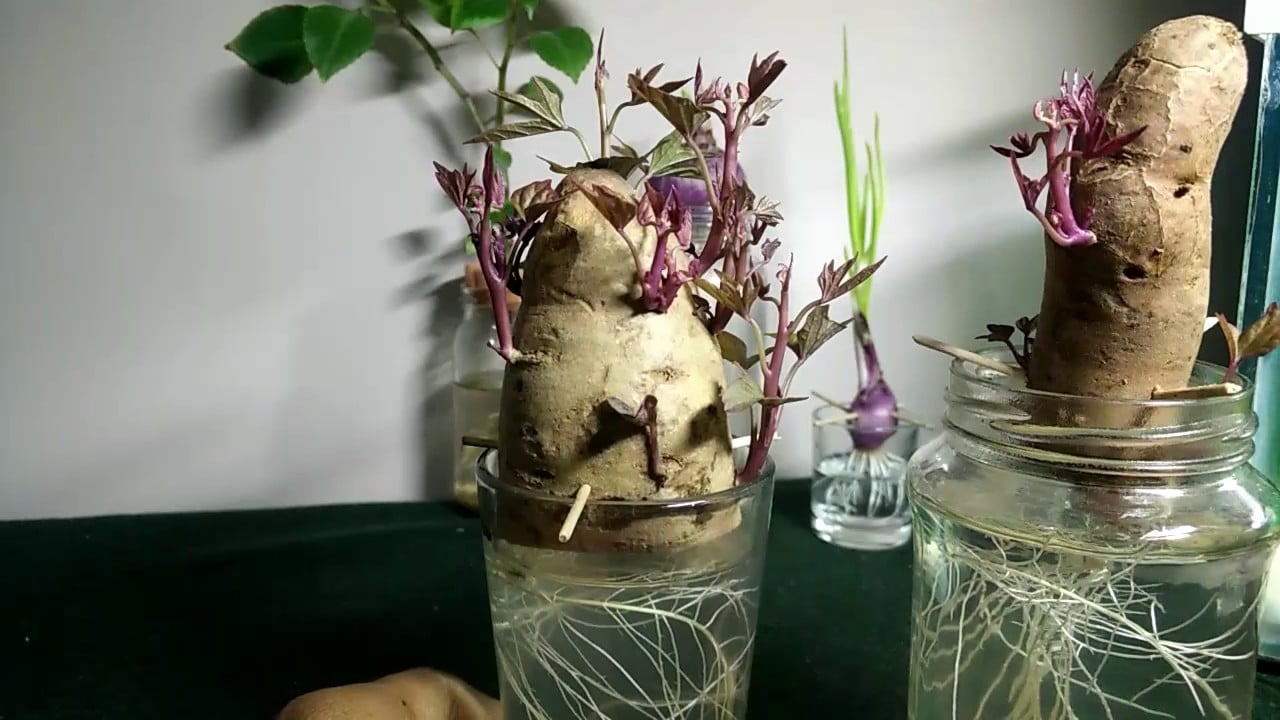
Why It Works: Potatoes can sprout and root in water before planting.
How to Grow:
- Suspend a cut potato in water using toothpicks.
- Once roots develop, plant in soil.
16. Bok Choy
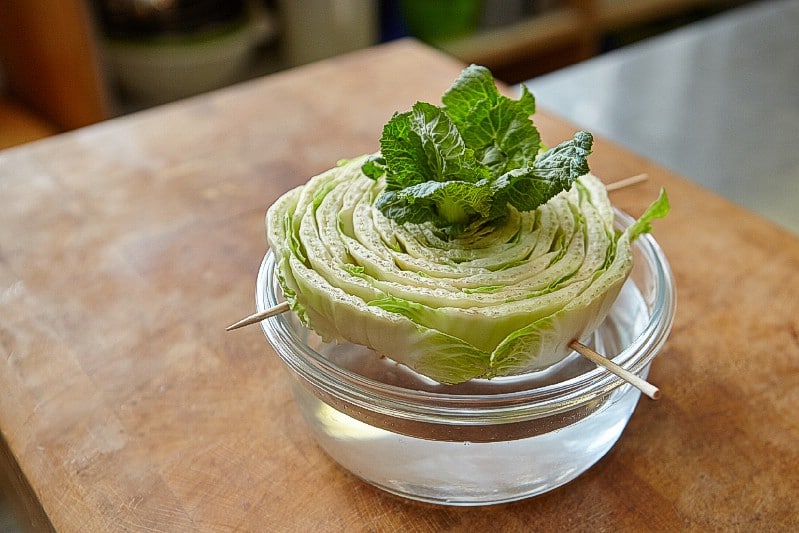
Why It Works: Bok choy can regrow from its base when placed in water, making it an excellent choice for continuous harvesting.
How to Grow:
- Place the bottom portion of a bok choy head in a shallow dish of water.
- Keep in a bright location and change the water every couple of days.
- In about a week, new leaves will sprout, and roots will form.
- Transplant into soil for larger growth.
17. Mangoes
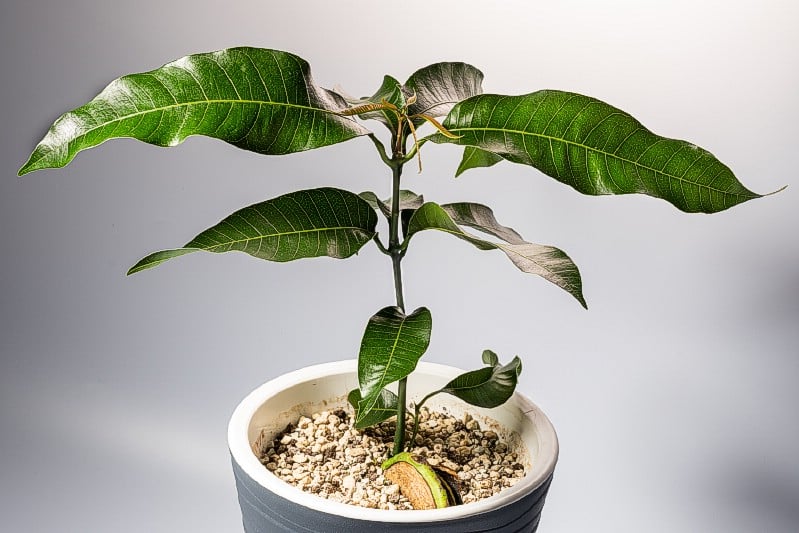
Why It Works: Mango seeds can be sprouted in water before transferring to soil to grow into trees.
How to Grow:
- Remove the husk from a mango seed and soak the seed in water.
- Keep in a warm, sunny location and change water regularly.
- After sprouting, transplant into a pot with soil for further growth.
18. Cabbage
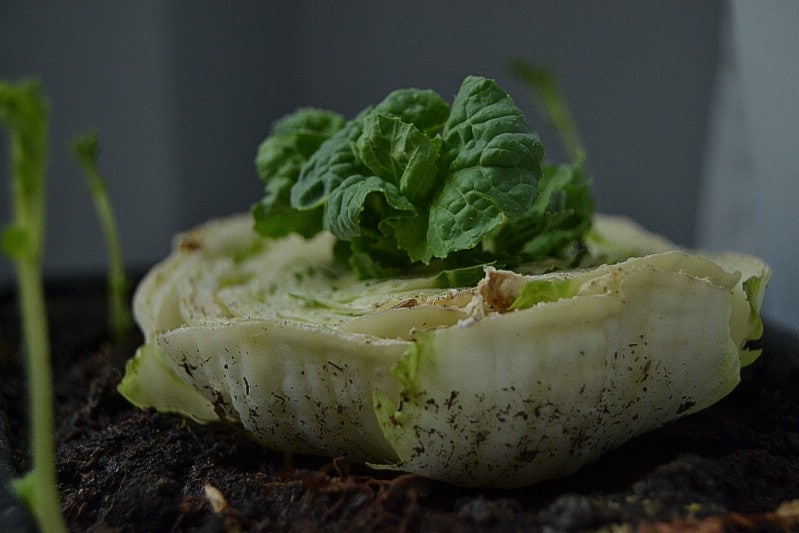
Why It Works: Cabbage can regrow from scraps, making it a great water-based plant.
How to Grow:
- Place the bottom part of a cabbage head in a bowl of shallow water.
- Keep in a sunny area and change the water every few days.
- Once new leaves appear, transplant into soil for a fuller head.
19. Ginger
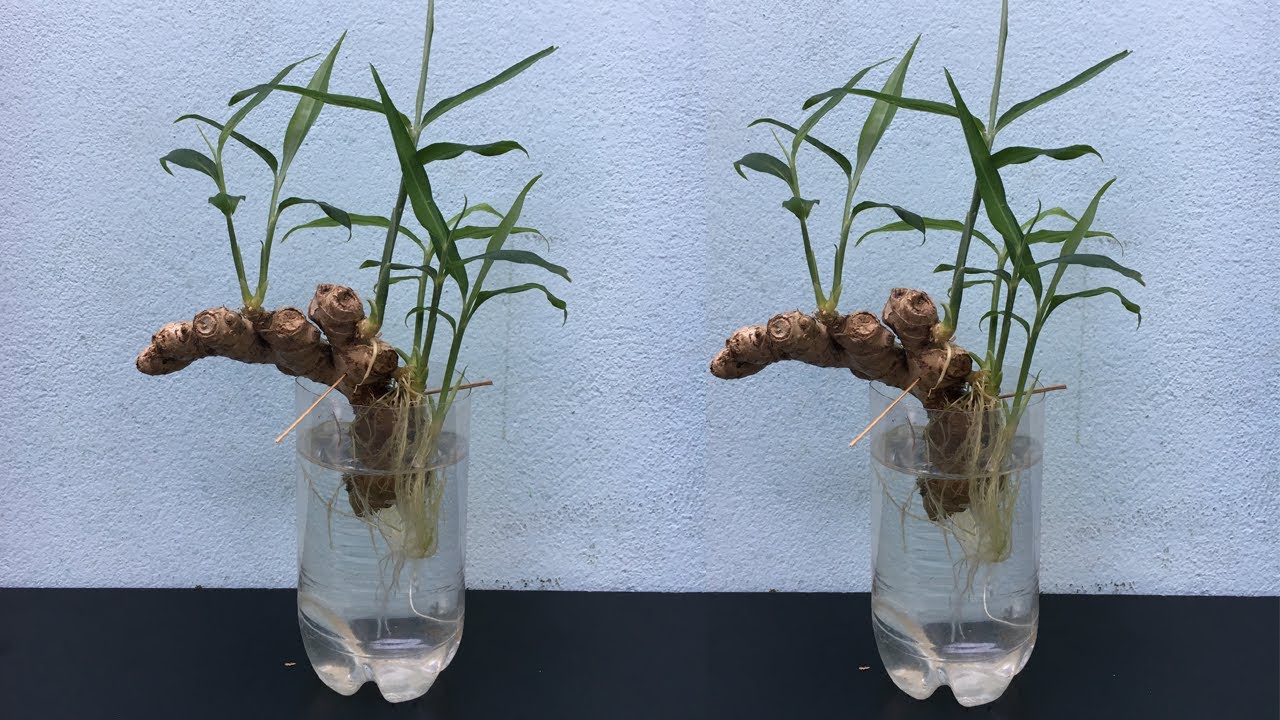
Why It Works: Ginger root sprouts easily and thrives in water before transferring to soil.
How to Grow:
- Soak a piece of fresh ginger root in water for a few days.
- Once small sprouts appear, transfer to a shallow dish of water.
- Keep in a warm location until roots are well established, then plant in soil.
20. Basil
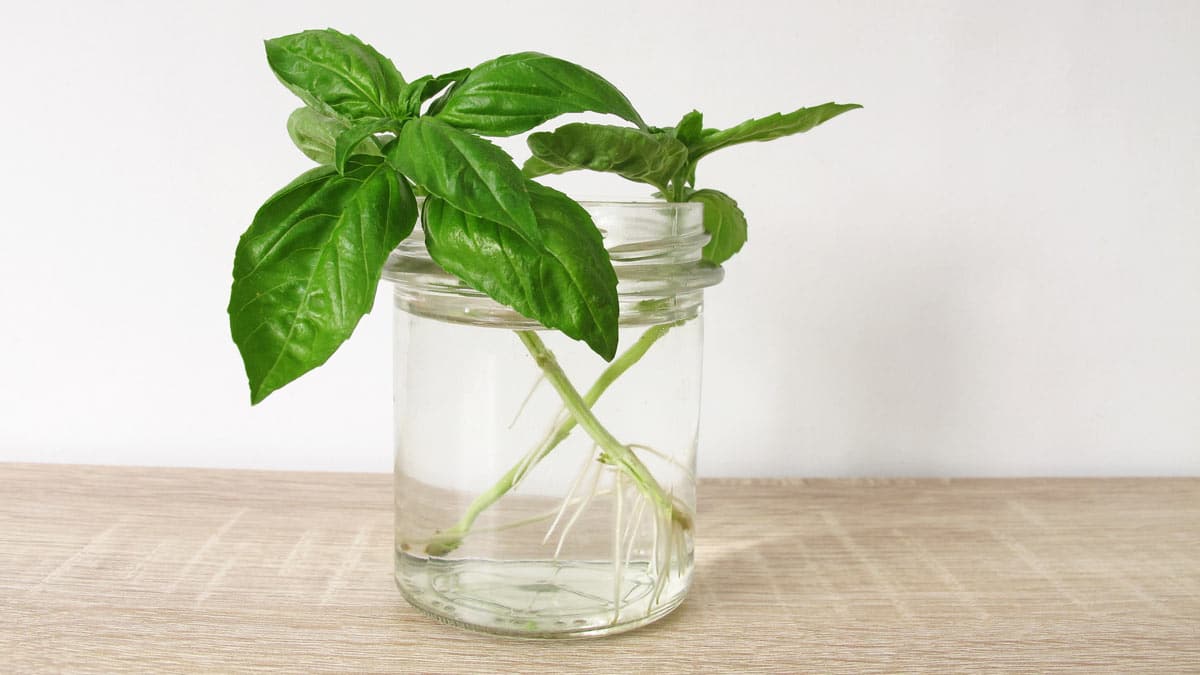
Why It Works: Basil is an easy-to-grow herb that thrives in water.
How to Grow:
- Take cuttings from an existing basil plant and place in a jar of water.
- Keep in a warm, sunny spot and refresh the water every few days.
- Once roots develop, continue growing in water or transplant into soil.
Water gardening is an easy, cost-effective way to grow fresh herbs, vegetables, and even fruits.
Whether using kitchen scraps or hydroponic setups, this method offers a sustainable way to enjoy homegrown produce without the hassle of soil.