August is a pivotal month in the gardening calendar. While the peak of summer heat can pose challenges, it’s also a time to prepare for the upcoming fall season and ensure your garden remains productive and beautiful.
Here are ten essential tasks to tackle in your garden in August.
1. Harvest Summer Crops
Why It’s Important
Many summer crops reach their peak in August. Harvesting them promptly ensures you enjoy the best flavors and make room for new plantings.
Tips:
- Tomatoes: Pick when fully ripe but still firm.
- Cucumbers and Zucchini: Harvest regularly to encourage continuous production.
- Beans and Peppers: Collect when they reach the desired size and color.
2. Plant Fall Crops
Why It’s Important
Planting fall crops in August ensures they have enough time to mature before the first frost.
Tips:
- Leafy Greens: Sow seeds for spinach, kale, and lettuce.
- Root Vegetables: Plant carrots, beets, and radishes.
- Brassicas: Start broccoli, cauliflower, and cabbage.
3. Deadhead Flowers
Why It’s Important
Deadheading spent flowers encourages new blooms and extends the flowering season.
Tips:
- Annuals: Pinch off faded blooms of marigolds, petunias, and zinnias.
- Perennials: Remove spent flowers from plants like coneflowers and daisies.
4. Water Wisely
Why It’s Important
August can be hot and dry, making efficient watering crucial to keep your plants healthy.
Tips:
- Morning Watering: Water early in the day to reduce evaporation and prevent disease.
- Deep Watering: Ensure water reaches the roots by watering slowly and deeply.
- Mulch: Apply mulch to retain moisture and keep the soil cool.
5. Control Weeds
Why It’s Important
Weeds compete with your plants for nutrients and water, making it essential to keep them in check.
Tips:
- Regular Weeding: Pull weeds regularly before they set seed.
- Mulch: Use mulch to suppress weed growth.
- Hoeing: Hoe around plants to disrupt weed seedlings.
6. Prune Summer-Blooming Shrubs
Why It’s Important
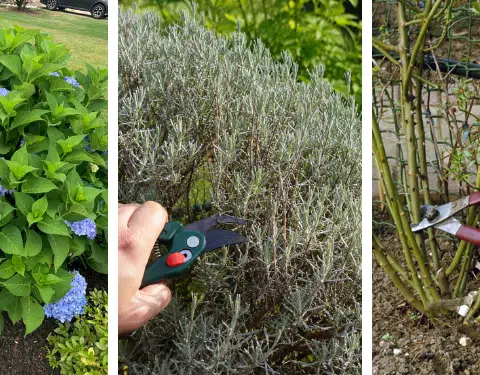
Pruning summer-blooming shrubs after they finish flowering helps maintain their shape and encourages healthy growth.
Tips:
- Timing: Prune immediately after flowering.
- Tools: Use clean, sharp tools to make precise cuts.
- Technique: Remove dead or damaged branches and shape the plant as desired.
7. Fertilize Late Summer Bloomers
Why It’s Important
Feeding late summer bloomers ensures they have the nutrients needed for a strong finish to the growing season.
Tips:
- Balanced Fertilizer: Use a balanced fertilizer or one high in phosphorus to promote blooming.
- Application: Follow package instructions for application rates.
- Watering: Water the plants after fertilizing to help the nutrients reach the roots.
8. Monitor for Pests and Diseases
Why It’s Important
Pests and diseases can quickly damage plants if left unchecked. Regular monitoring helps catch problems early.
Tips:
- Inspection: Check plants regularly for signs of pests or disease.
- Natural Remedies: Use natural pest control methods like neem oil or insecticidal soap.
- Remove Affected Plants: Remove and dispose of heavily infested or diseased plants to prevent spread.
9. Prepare for Overwintering
Why It’s Important
August is a good time to start thinking about how to protect tender plants during the winter.
Tips:
- Containers: Move container plants to sheltered locations.
- Mulch: Apply a thick layer of mulch around the base of plants to insulate roots.
- Cold Frames: Consider building or preparing cold frames to extend the growing season.
10. Plan for Spring
Why It’s Important
Planning ahead ensures you have everything ready for a successful spring garden.
Tips:
- Bulbs: Order spring-flowering bulbs like tulips and daffodils.
- Seed Catalogs: Review seed catalogs and make a list of what to plant next year.
- Garden Layout: Sketch out your garden layout to plan crop rotation and companion planting.
August is a busy month in the garden, with a mix of harvesting, planting, and preparing for the next season.
By following these ten tips, you can ensure your garden remains productive and healthy through the end of summer and into the fall.