If you’re short on space but still dream of growing your own fruits and vegetables, edible vine plants are the perfect solution.
These climbers grow vertically, making them ideal for container gardening, balcony spaces, raised beds, or compact backyards.
Whether climbing a trellis, crawling over fences, or decorating garden arches, edible vines transform vertical surfaces into productive green walls that deliver both beauty and bounty.
From juicy grapes and sweet passionfruit to nutrient-rich bitter melon and heirloom tomatoes, the range of edible vines available to small-space gardeners is impressive.
Many of these vines are not only space-saving but also perennial, meaning they’ll come back year after year with the right care.
Others are fast-growing annuals that will reward you with a generous harvest in just one growing season.
Let’s dive into 10 amazing edible vine plants for small gardens, including how to grow them, where to plant them, and tips to maximize your harvest.
FRUIT VINES
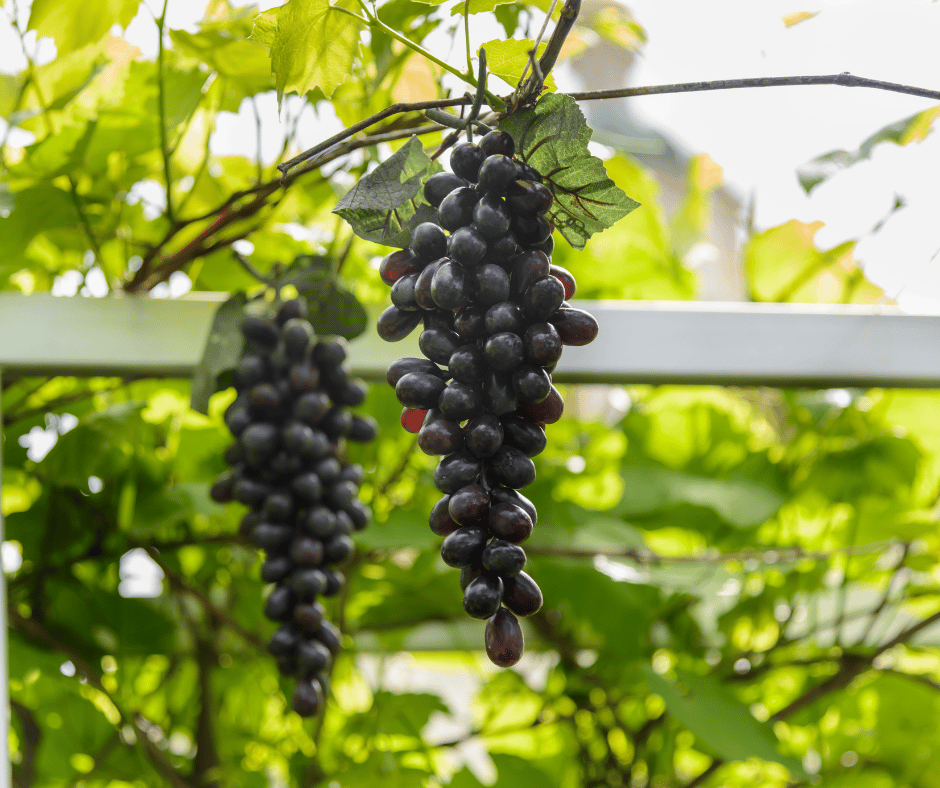
1. Grapes (Vitis vinifera)
Why Grow It: Grapevines are among the most rewarding vertical fruits for small gardens. Their lush foliage, curling tendrils, and juicy clusters of fruit make them a beautiful and functional addition to any trellis or arbor.
Growing Tips:
- Climate: Grapes thrive in warm, sunny climates. They need at least 6-8 hours of direct sunlight per day.
- Soil: Well-draining soil with a neutral to slightly acidic pH.
- Spacing: Allow at least 6-10 feet between vines.
- Maintenance: Grapes require annual pruning during dormancy to maintain shape, manage size, and encourage fruit production.
- Harvest: Most grape varieties start producing fruit after 2-3 years.
Best Varieties: Concord, Niagara, Flame Seedless, Thompson Seedless.
2. Passionfruit (Passiflora edulis)
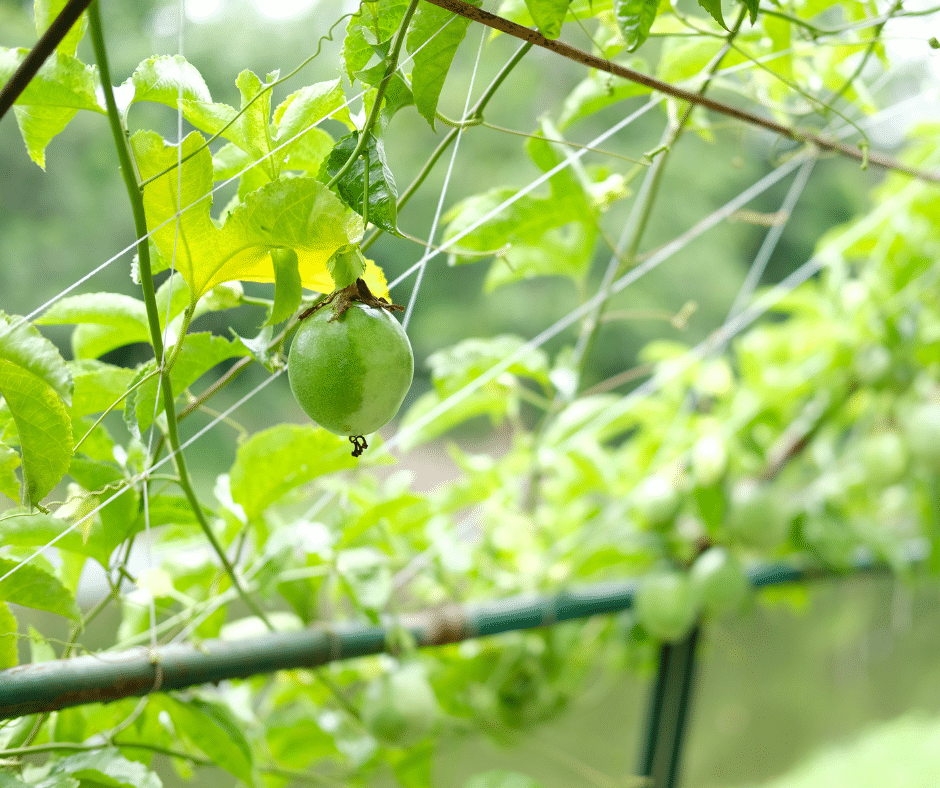
Why Grow It: Passionfruit vines produce exotic, aromatic fruits packed with vitamins A and C. The plant’s unique purple or white flowers are stunning and attract pollinators.
Growing Tips:
- Climate: Passionfruit prefers warm subtropical or tropical climates but can be grown in containers in cooler zones.
- Support: Grow it on a sturdy fence, trellis, or pergola.
- Soil: Fertile, well-draining soil with organic compost.
- Watering: Needs regular watering, especially during flowering and fruiting.
- Harvest: Expect fruit within 12–18 months of planting.
Tip: Prune after fruiting to control vine growth and stimulate new flowers.
3. Raspberries (Rubus idaeus)
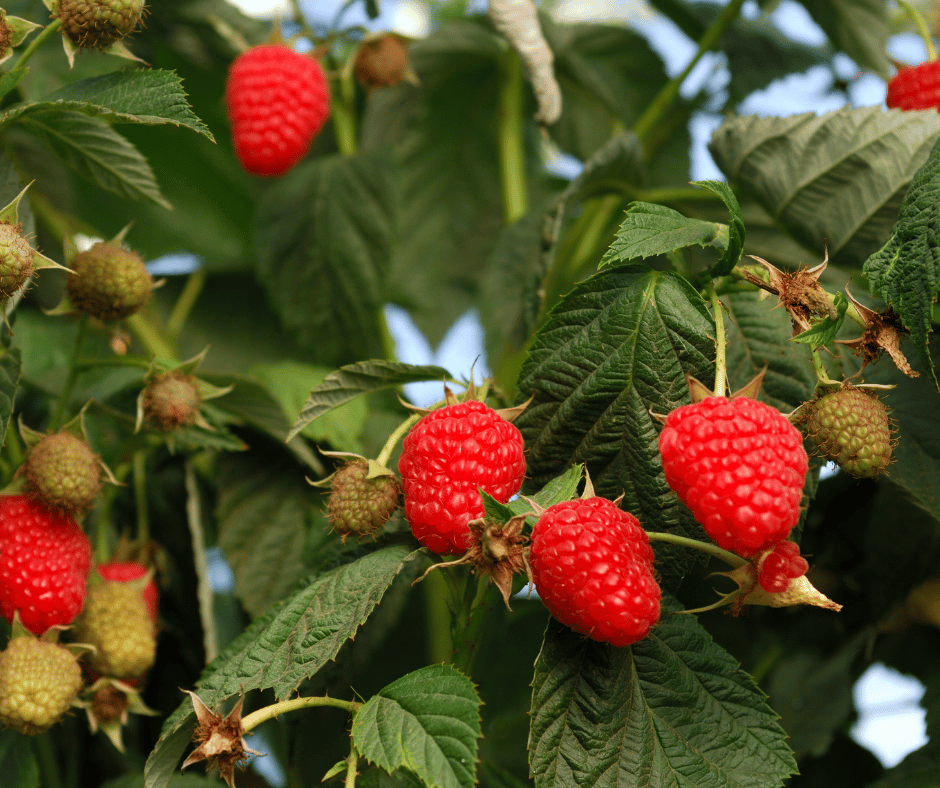
Why Grow It: Raspberries are high in fiber and antioxidants, and when grown vertically, they’re easier to harvest and manage.
Growing Tips:
- Climate: Prefers temperate regions; plant in early spring.
- Support: Use vertical supports or trellises.
- Soil: Moist, slightly acidic soil rich in organic matter.
- Spacing: 18–24 inches between plants.
- Maintenance: Thin canes yearly to encourage airflow and prevent disease.
Types: Summer-bearing (harvest in June-July) and everbearing (harvest multiple times).
4. Blackberries (Rubus fruticosus)
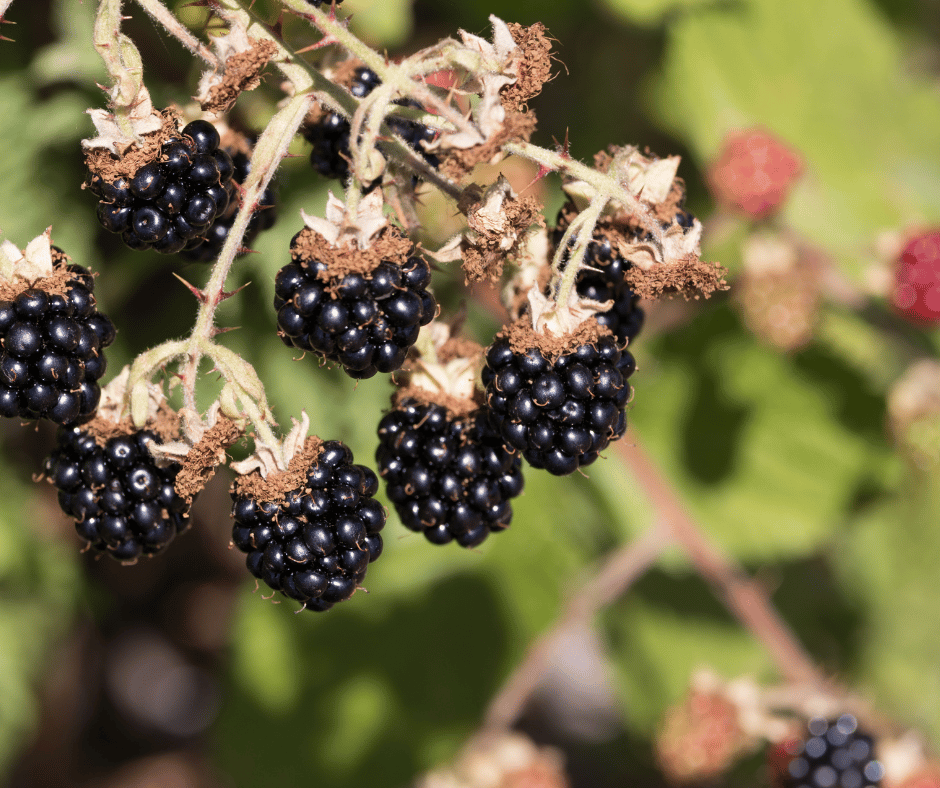
Why Grow It: Like raspberries, blackberries are vigorous growers and can yield pounds of fruit per plant. Trellising helps control their thorny canes.
Growing Tips:
- Climate: Hardy and adaptable; full sun is best.
- Pruning: Cut back old fruiting canes each winter.
- Watering: Regular watering, especially during dry spells.
- Harvest: Fruits typically ripen midsummer through fall.
Pro Tip: Choose thornless varieties for easier maintenance, like ‘Navaho’ or ‘Arapaho’.
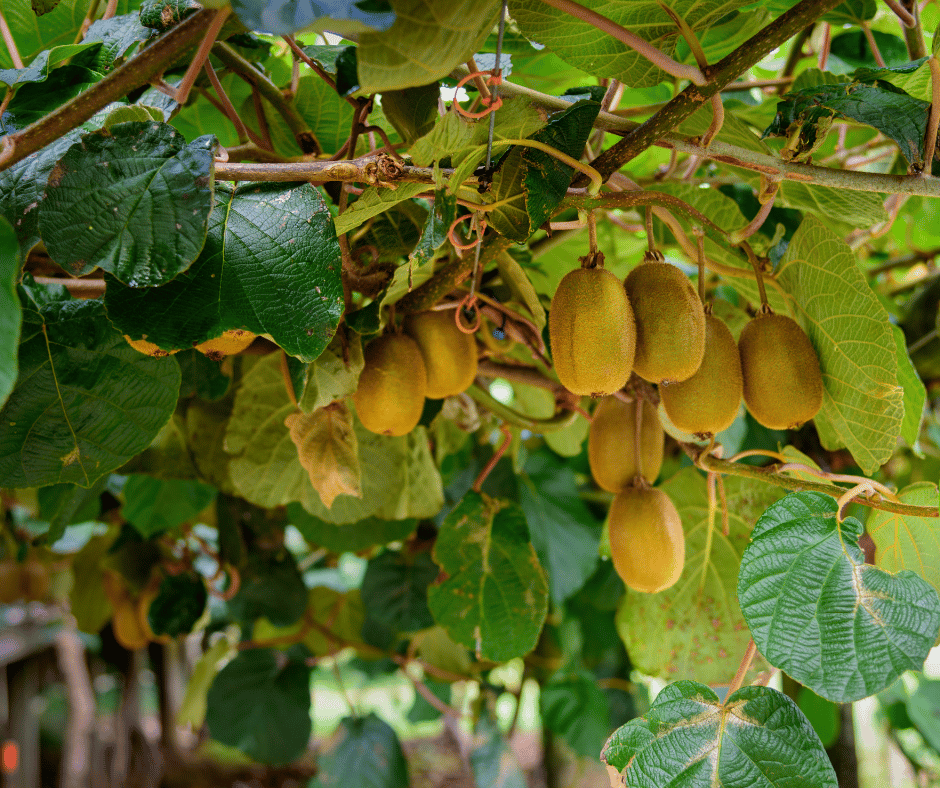
5. Kiwi (Actinidia deliciosa or A. arguta)
Why Grow It: Kiwifruit vines are vigorous climbers with striking foliage and sweet, tangy fruit. Hardy kiwi varieties can survive in colder climates.
Growing Tips:
- Pollination: You’ll need both male and female plants unless you choose self-fertile types like ‘Issai’.
- Support: Requires a strong trellis or pergola.
- Sunlight: Full sun with shelter from wind.
- Watering: Keep soil moist, especially during flowering.
Growth Time: May take 3–5 years to bear fruit.
6. Melons (Cucumis melo, Citrullus lanatus)
Why Grow It: Melons like cantaloupes and honeydews can be grown vertically with some extra support for the heavy fruit. Their sprawling vines can be trained up a trellis, saving valuable garden space.
Growing Tips:
- Support: Use slings made of old fabric or mesh bags to cradle maturing melons.
- Climate: Needs warmth and full sun.
- Soil: Fertile, well-drained soil with plenty of compost.
- Watering: Water deeply but less frequently to encourage deep root systems.
Varieties to Try: Sugar Baby (watermelon), Charentais (cantaloupe), Honeydew.
VEGETABLE VINES
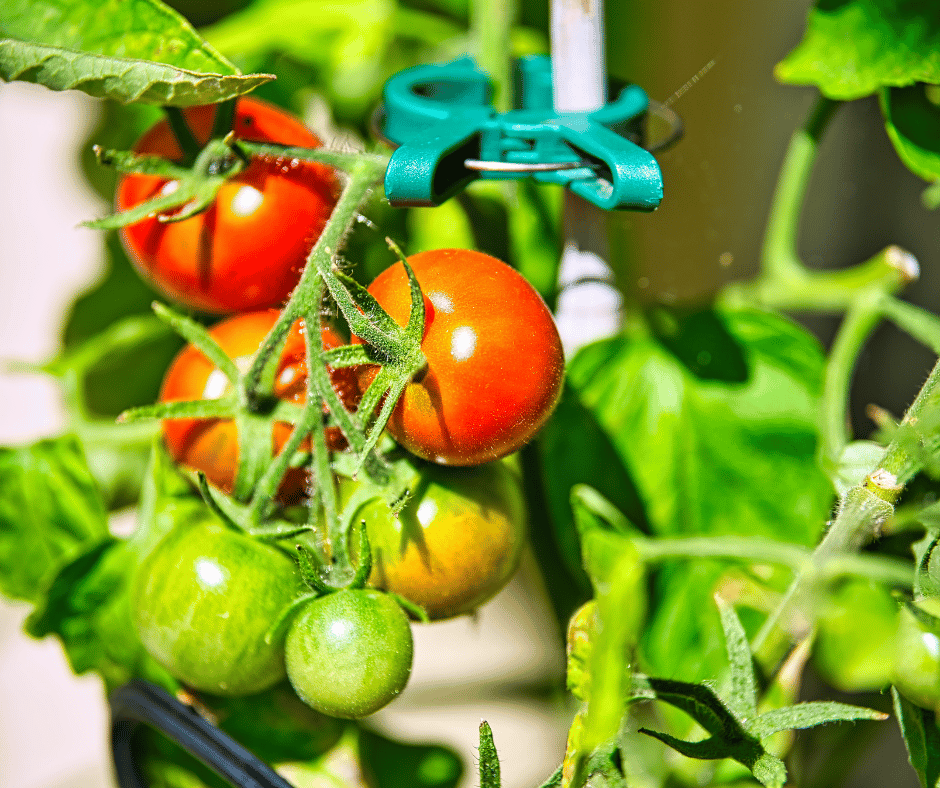
7. Tomatoes (Solanum lycopersicum)
Why Grow It: Tomatoes are staple garden crops that can be trained vertically using cages, stakes, or trellises. This reduces disease, improves airflow, and makes harvesting a breeze.
Growing Tips:
- Varieties: Choose indeterminate types like ‘Roma’, ‘Cherokee Purple’, or ‘Beefsteak’.
- Sunlight: At least 6 hours of full sun daily.
- Soil: Loose, fertile soil with good drainage.
- Watering: Keep soil consistently moist; water at the base to avoid fungal issues.
- Feeding: Use tomato-specific fertilizer every 2–3 weeks during fruiting.
Pro Tip: Remove suckers to encourage fruit production instead of foliage.
8. Cucumbers (Cucumis sativus)
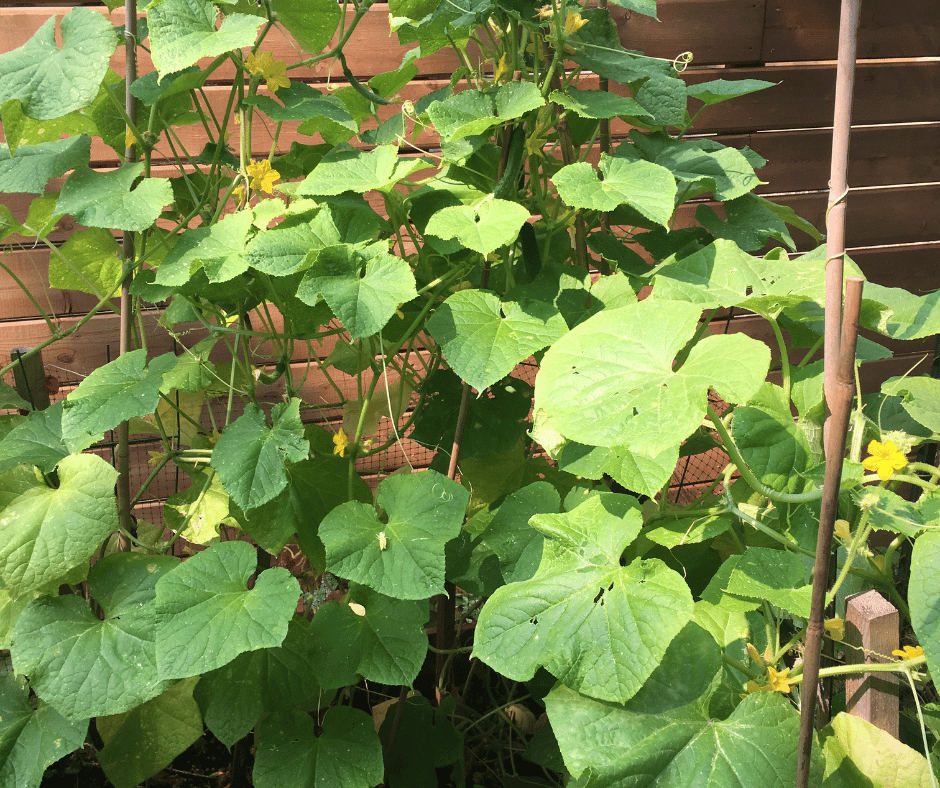
Why Grow It: Cucumbers thrive when grown vertically and benefit from increased airflow and cleaner fruit. Trellising also minimizes disease and pest issues.
Growing Tips:
- Support: Use a wire trellis, A-frame, or netting.
- Planting: Sow seeds directly in warm soil or start indoors.
- Pollination: Some cucumber varieties are parthenocarpic and don’t require pollination.
- Harvest: Pick when they’re young and firm for best taste.
Varieties to Try: ‘Marketmore’, ‘Lemon Cucumber’, ‘Burpless’.
9. Pumpkins (Cucurbita pepo)
Why Grow It: While large pumpkins require space, miniature and small varieties can be trained vertically. This saves ground space while creating a unique visual display.
Growing Tips:
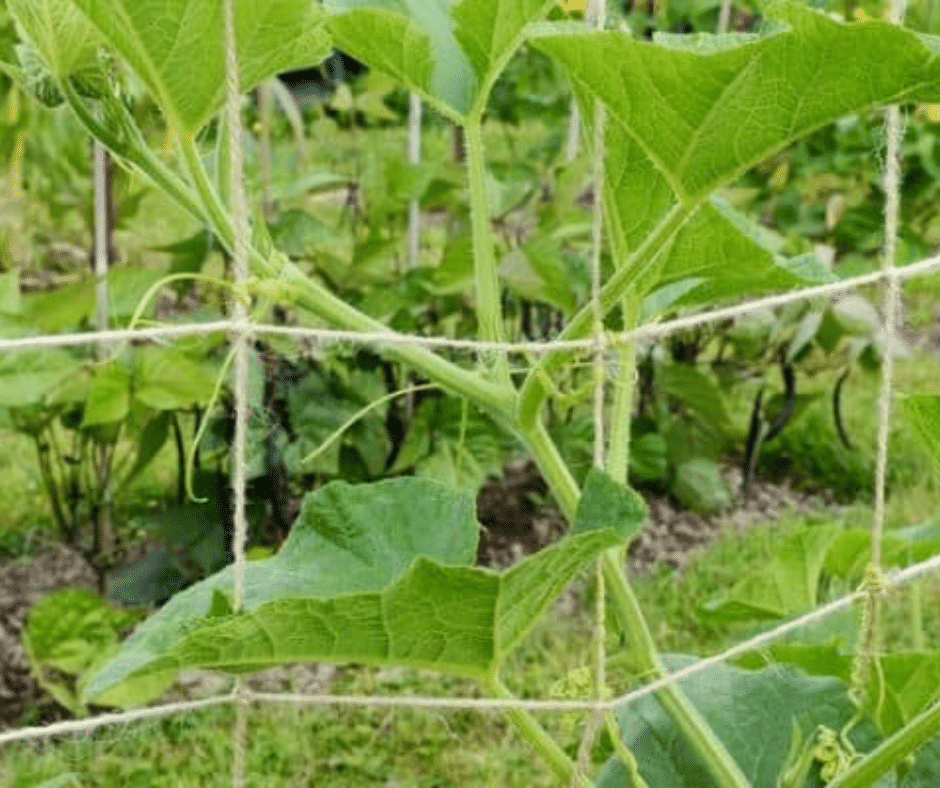
- Trellising: Use a strong support structure and sling heavier fruits.
- Soil: Rich, well-draining soil with plenty of compost.
- Watering: Consistent deep watering is essential.
- Harvest Time: 75 to 100 days depending on variety.
Best Small Varieties: ‘Jack Be Little’, ‘Baby Boo’, ‘Sugar Pie’.
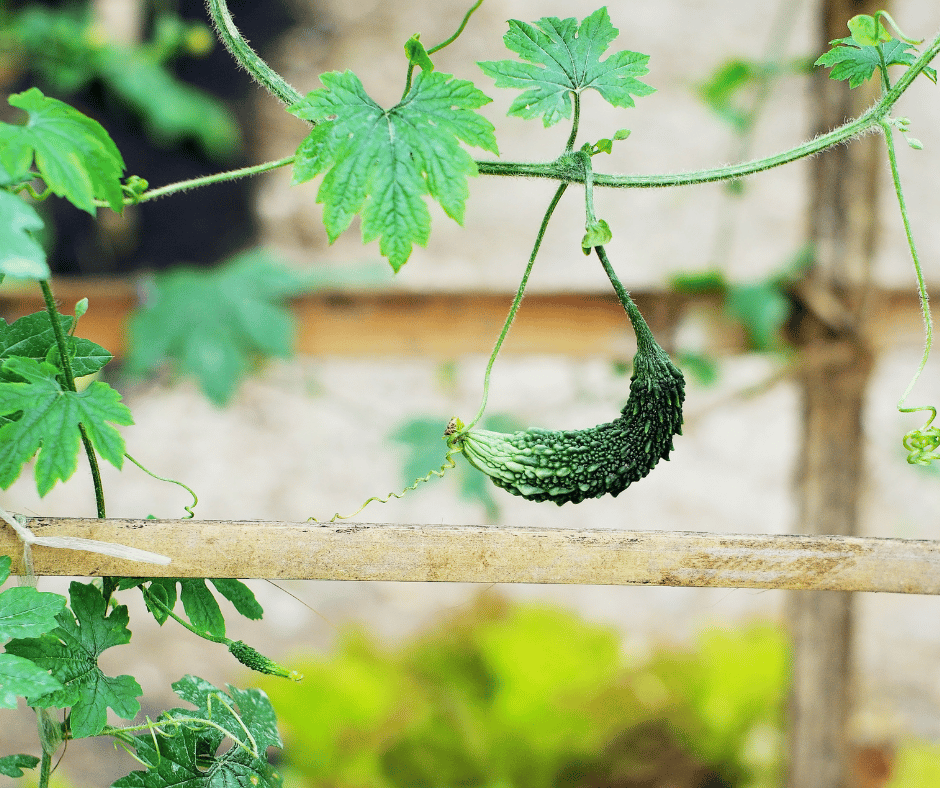
10. Bitter Melon (Momordica charantia)
Why Grow It: Bitter melon is a tropical vine known for its unique, warty appearance and medicinal properties. It’s popular in Asian cuisine and grows well on fences or trellises.
Growing Tips:
- Climate: Prefers warm, humid conditions.
- Soil: Fertile and well-draining.
- Sunlight: Full sun exposure.
- Harvesting: Pick when green, about 4–6 inches long, before turning yellow and bitterer.
Bonus: Bitter melon is known to help manage blood sugar levels naturally.
Benefits of Growing Edible Vines in Small Gardens
- Maximize Vertical Space: Perfect for balconies, patios, and small backyards.
- Reduce Soil-Borne Disease: Keeping plants off the ground minimizes rot and pest exposure.
- Better Air Circulation: Helps reduce fungal infections like powdery mildew.
- Easy Harvesting: Fruit is more accessible and visible.
- Visual Appeal: Vining plants beautify fences, walls, and arbors.
You don’t need acres of land to grow a diverse, productive edible garden. With these 10 edible vines, even the smallest garden or patio can transform into a vertical paradise bursting with flavor and nutrition.
Whether you’re growing juicy grapes on a pergola or harvesting cucumbers from a trellised raised bed, edible vines offer an efficient, attractive, and highly rewarding way to grow your own food at home.