Houseplants are more than just decorative accents – they purify indoor air, bring nature closer, and create a peaceful ambiance. But to stay lush and healthy, they need proper nourishment.
Over time, nutrients in potting soil become depleted. That’s where fertilizers come in. Rather than relying on synthetic options, natural fertilizers provide gentle, sustainable nutrition to your plants – improving soil structure, feeding beneficial microbes, and keeping your home chemical-free.
This guide covers everything you need to know about 10 highly effective natural fertilizers for houseplants, how to use them, which plants benefit most, and additional tips for sustainable indoor gardening.
Why Natural Fertilizers Are Better for Houseplants
Natural fertilizers come from organic materials – such as food scraps, minerals, plant extracts, or animal byproducts.
Unlike synthetic fertilizers that can lead to salt buildup, nutrient burn, and microbial disruption, organic fertilizers work gradually, nourishing both the plant and the soil ecosystem.
Here’s why natural fertilizers are ideal:
- Pet and child-safe: Many natural fertilizers are non-toxic.
- Eco-friendly: No chemical runoff, safer disposal, and lower carbon footprint.
- Soil-enhancing: Improves texture, pH balance, and microbial life.
- Cost-effective: Many can be made at home from kitchen waste.
- Long-lasting: Slow-release nutrients reduce the need for frequent feeding.
Now let’s dive into the 10 best natural fertilizers you can use for healthier, happier houseplants.
1. Banana Peels
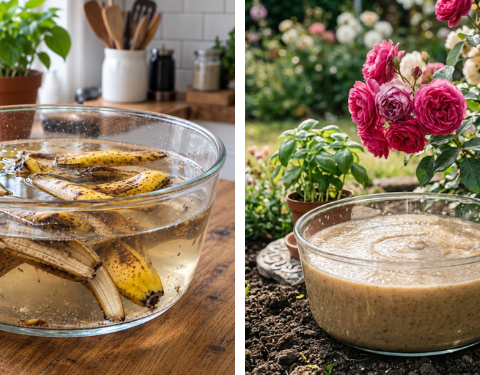
Banana peels contain potassium, phosphorus, calcium, and magnesium – key nutrients that support flowering, root health, and cell function.
How to Use:
- Chop the peels and bury them an inch below the soil surface.
- Blend peels with water and pour around the plant base.
- Dry and powder the peels to mix into potting soil.
Best for: Peace lilies, pothos, African violets, and hibiscus.
2. Coffee Grounds
Used coffee grounds are nitrogen-rich, great for boosting leaf growth and maintaining vibrant green foliage. They also improve soil aeration and attract earthworms (if used in outdoor compost).
How to Use:
- Let grounds dry completely.
- Sprinkle a thin layer over the potting mix.
- Mix with compost or dilute in water as a mild liquid feed.
Caution: Use sparingly. Overuse can cause acidity.
Best for: Spider plants, ferns, jade plants, and philodendrons.
3. Eggshells
Eggshells provide calcium and trace minerals to strengthen plant cell walls and prevent deficiencies like blossom-end rot.
How to Use:
- Rinse and dry shells.
- Crush into small bits or powder and mix into soil.
- Soak in water for 3-4 days to create a calcium-rich tea.
Best for: Tomatoes, basil, succulents, and house herbs.
4. Epsom Salt
Epsom salt contains magnesium and sulfur – essential for photosynthesis and enzyme function.
How to Use:
- Mix 1 tablespoon into 1 gallon of water.
- Apply monthly to foliage or soil.
- Foliar spray can revive yellowing leaves.
Best for: Peppers, palms, citrus, and flowering plants.
5. Aquarium Water
Water from a freshwater fish tank is rich in nitrates, phosphorus, and beneficial microbes, making it a superb houseplant fertilizer.
How to Use:
- Use aged, untreated water during regular watering.
- Avoid if the aquarium has chemical treatments or high ammonia levels.
Best for: Philodendron, pothos, dracaena, and leafy greens.
6. Compost Tea
This ‘superfood’ for plants boosts nutrient uptake, microbial activity, and disease resistance.
How to Use:
- Add compost to a cloth bag and soak in water for 1–2 days.
- Stir occasionally and strain before applying to soil.
Best for: All indoor houseplants, especially hungry feeders like monstera and fiddle-leaf figs.
7. Molasses
Molasses contains iron, calcium, potassium, and acts as a carbohydrate source for soil microbes. It also helps revive depleted or lifeless soil.
How to Use:
- Use 1 tablespoon unsulfured molasses in 1 gallon of warm water.
- Apply monthly.
Best for: Flowering plants, orchids, and vegetables grown indoors.
8. Green Tea
Green tea is mildly acidic and offers small doses of potassium, phosphorus, and antioxidants—perfect for acid-loving houseplants.
How to Use:
- Brew weak green tea (1 bag per quart of water).
- Cool and use monthly in place of regular watering.
Best for: Azaleas, ferns, pothos, orchids, and peace lilies.
9. Wood Ash
Wood ash (from untreated hardwoods) is rich in potassium and calcium and helps neutralize acidic soils.
How to Use:
- Sprinkle lightly on the soil surface.
- Mix thoroughly to prevent root burn.
- Avoid on acid-loving plants.
Best for: ZZ plants, spider plants, and other neutral-to-alkaline preferring plants.
10. Seaweed or Kelp Extract
Seaweed is loaded with micronutrients, amino acids, and growth hormones that improve root development, pest resistance, and nutrient absorption.
How to Use:
- Use store-bought liquid kelp diluted as directed.
- Apply monthly as a foliar spray or soil drench.
Best for: Palms, monsteras, rubber plants, and tropicals.
Bonus Natural Fertilizers
- Worm Castings: Excellent source of slow-release nutrients and beneficial bacteria.
- Diluted Manure Tea: Only use well-aged or composted manure soaked in water.
- Kitchen Scrap Blender Mix: Blend banana peels, veggie scraps, and eggshells with water.
Additional Tips for Natural Houseplant Feeding
- Start Small: Test one fertilizer at a time to monitor plant response.
- Consistency is Key: Natural fertilizers work slowly – feed regularly but sparingly.
- Avoid Overfeeding: Too much organic matter can lead to rot or pest issues.
- Improve Drainage: Most natural fertilizers work best in well-draining soil.
- Use pH Testers: Monitor pH, especially when using coffee grounds, green tea, or wood ash.
- Combine With Compost: Mixing fertilizers with compost enhances effectiveness.
Creating a DIY Fertilizer Routine
To keep things easy, create a monthly feeding schedule:
- Week 1: Water with compost tea.
- Week 2: Add coffee grounds or banana peel puree.
- Week 3: Apply green tea or molasses mix.
- Week 4: Use seaweed extract or Epsom salt solution.
Rotate combinations based on plant needs—foliage, flowering, or root health.
Caring for houseplants doesn’t require expensive chemical fertilizers. With items you already have in your kitchen or garden – banana peels, molasses, tea bags, or eggshells – you can naturally nourish your plants.
These fertilizers don’t just feed your greenery; they enrich your potting soil, support healthy roots, and promote resilience to disease and pests.
By integrating these DIY natural fertilizers into your plant care routine, you’ll cultivate not just beautiful plants, but a sustainable indoor garden ecosystem.
So go ahead – brew some compost tea, save those banana peels, and give your houseplants the wholesome nutrition they deserve.