Companion planting is a time-tested gardening technique where strategically pairing plants together can enhance growth, improve pest control, increase yields, and enrich the soil. By selecting plants that benefit one another, you can create a more resilient and productive garden.
This method goes beyond just nutrient sharing—it incorporates pest management, pollination, disease prevention, and even space optimization.
Whether you are growing vegetables, herbs, or flowers, companion planting can help your garden thrive naturally, without synthetic pesticides or fertilizers.
Use this companion planting chart as a guide to design your garden for maximum success!
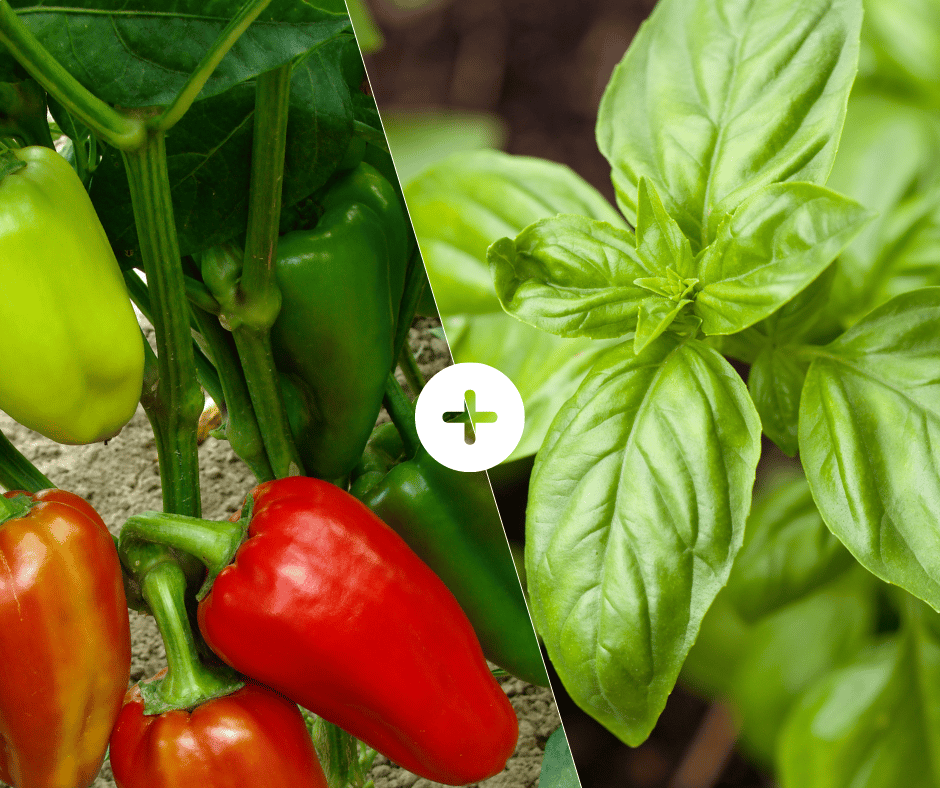
1. Peppers and Basil
Why It Works: Basil repels common pepper pests like aphids, spider mites, and thrips while enhancing the flavor of the peppers.
Avoid Planting Near: Beans (as they can stunt pepper growth).
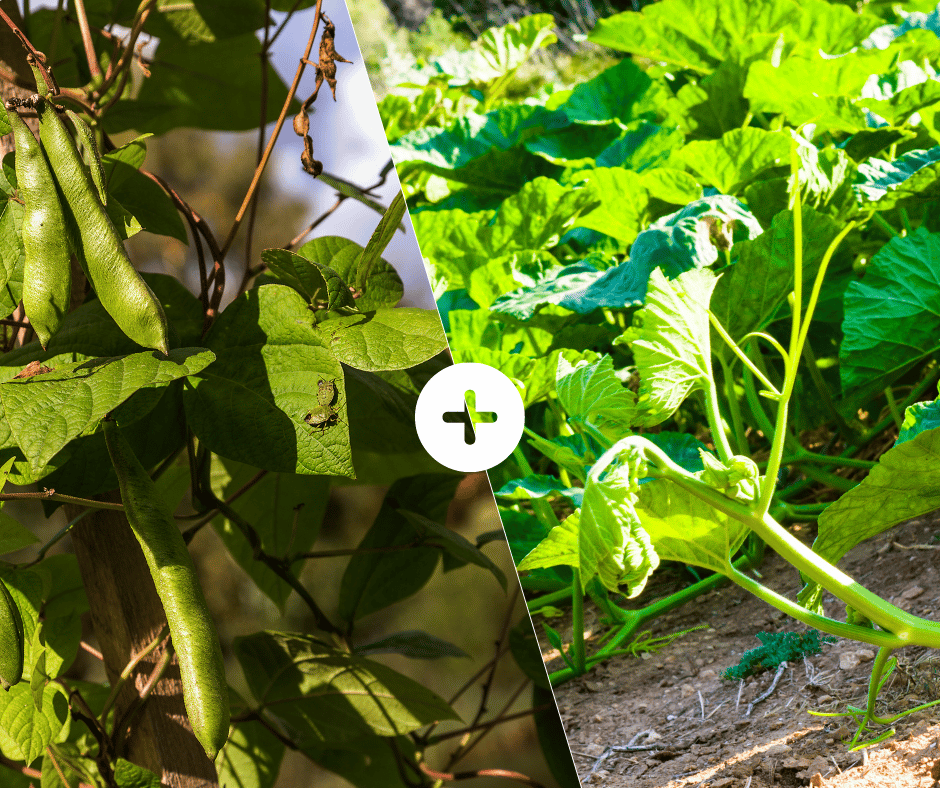
2. Beans, Corn, and Pumpkins (The Three Sisters)
Why It Works:
- Beans fix nitrogen into the soil, enriching it for corn and pumpkins.
- Corn acts as a natural trellis for climbing bean vines.
- Pumpkins provide ground cover, acting as living mulch to prevent weeds and retain soil moisture.
Avoid Planting Near: Potatoes (as they compete for nutrients).
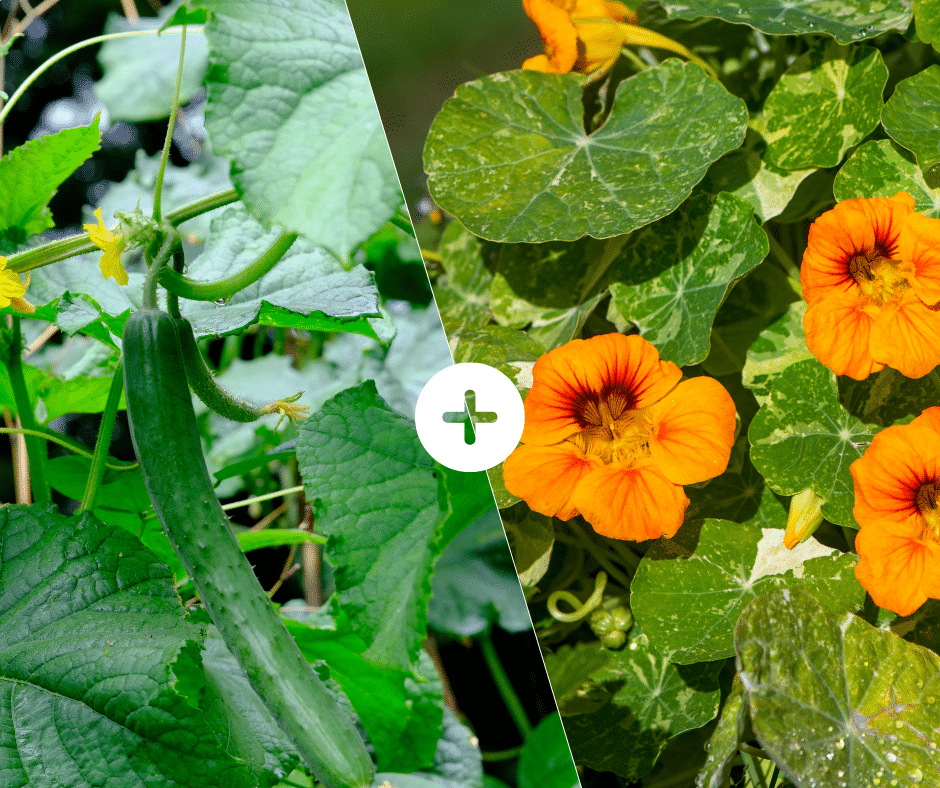
3. Cucumbers and Nasturtiums
Why It Works: Nasturtiums repel cucumber beetles and aphids while also attracting pollinators for better fruit production.
Avoid Planting Near: Aromatic herbs like sage, as they can stunt cucumber growth.
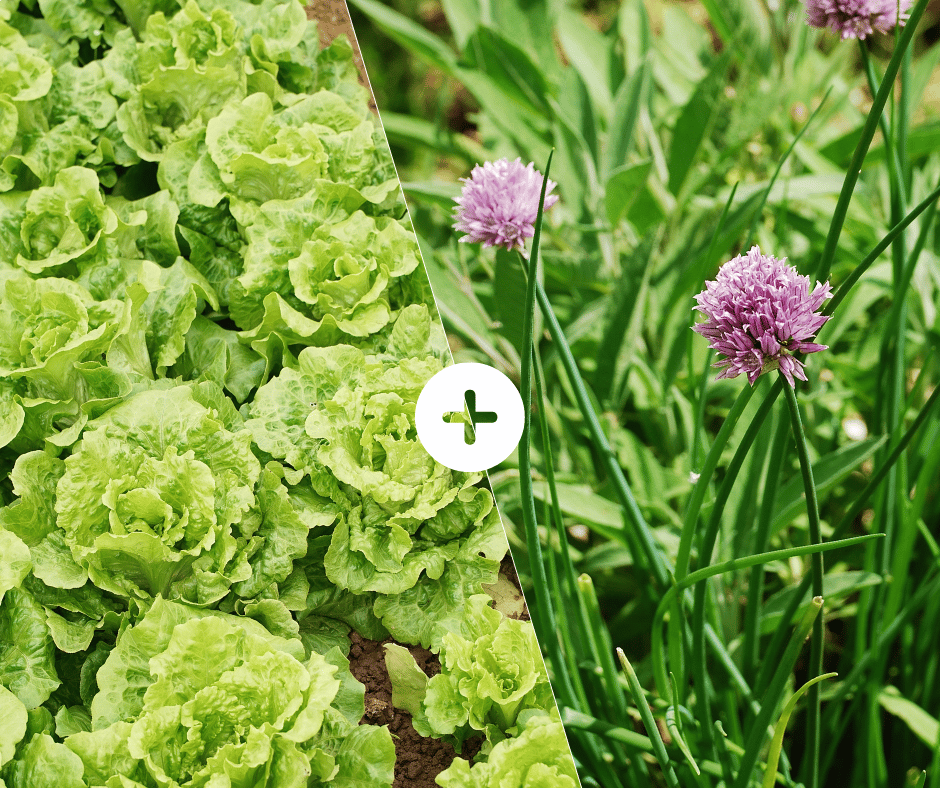
4. Lettuce and Chives
Why It Works: The strong scent of chives repels aphids, one of the most common pests that attack lettuce.
Avoid Planting Near: Cabbage family crops (as they attract similar pests).
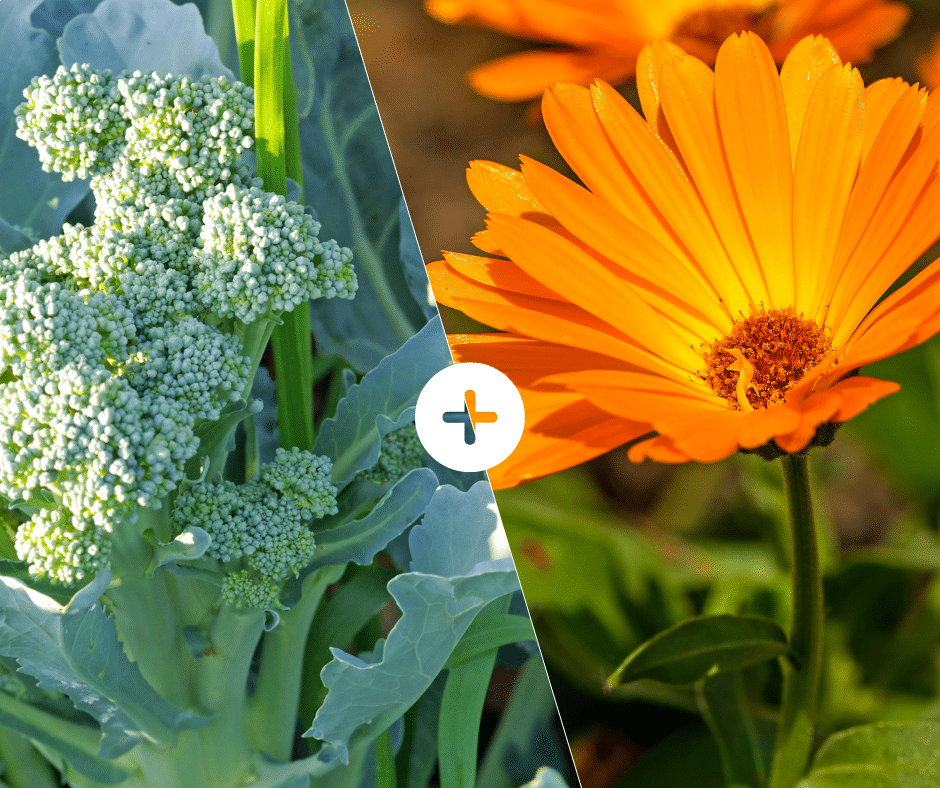
5. Broccoli and Calendula (Pot Marigold)
Why It Works:
- Calendula repels aphids and attracts ladybugs, which are natural predators of aphids.
- It improves soil health and enhances broccoli growth.
Avoid Planting Near: Strawberries (as they can compete for nutrients).
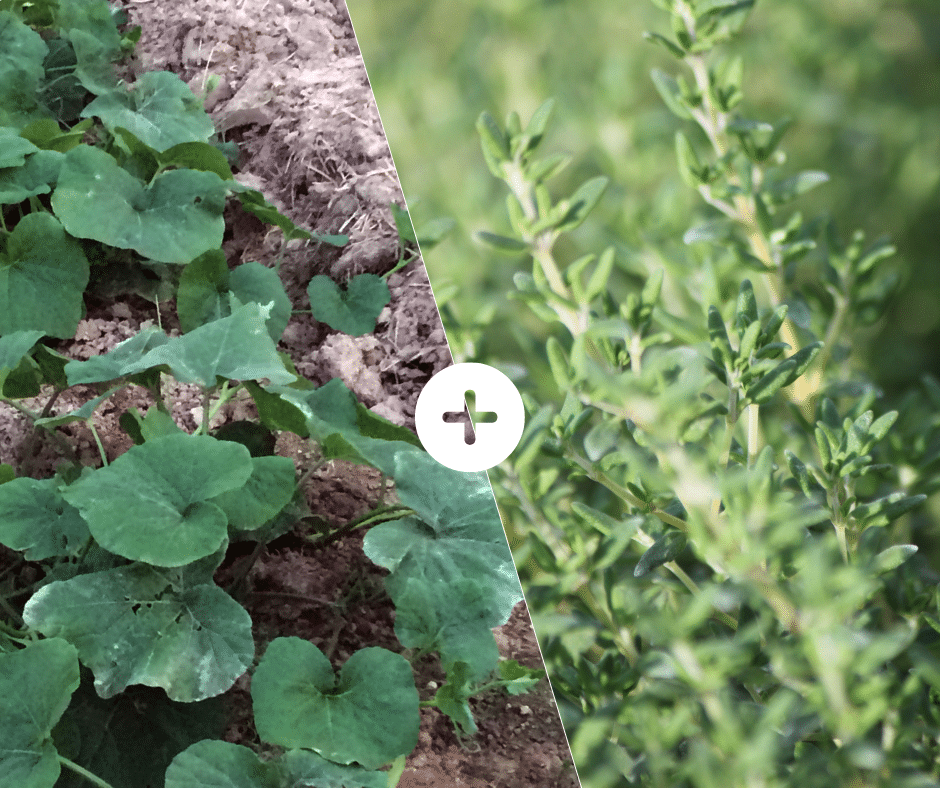
6. Squash and Flowering Herbs (Thyme, Dill, Oregano)
Why It Works:
- Herbs attract pollinators, boosting squash fruit production.
- Thyme repels squash beetles and aphids.
Avoid Planting Near: Potatoes (as they attract similar pests).
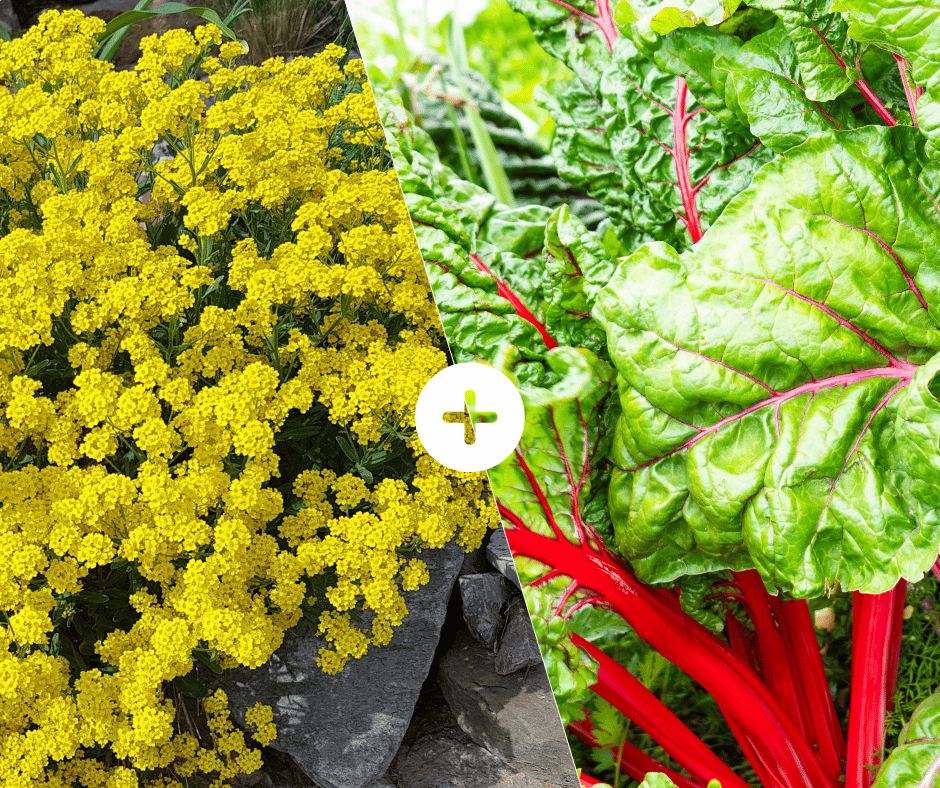
7. Alyssum and Swiss Chard
Why It Works: Alyssum attracts hoverflies, which are beneficial insects that eat aphids, protecting Swiss chard from pest infestations.
Avoid Planting Near: None—alyssum is beneficial for most crops!
8. Tomatoes and Lettuce
Why It Works: Tomatoes provide shade for lettuce, which helps extend the growing season by preventing bolting in hot weather.
Avoid Planting Near: Corn (as it competes for space and nutrients).

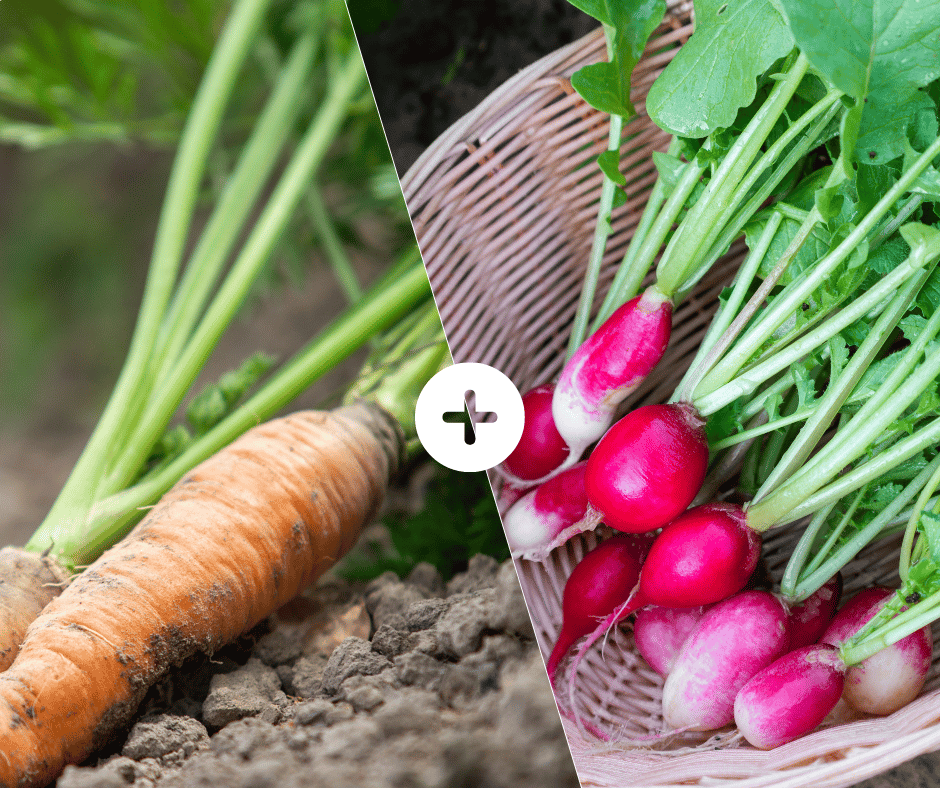
9. Carrots and Radishes
Why It Works:
- Carrots and radishes have different root structures, so they don’t compete for nutrients.
- Radishes help loosen the soil, making it easier for carrots to grow deep.
Avoid Planting Near: Dill (which can stunt carrot growth).
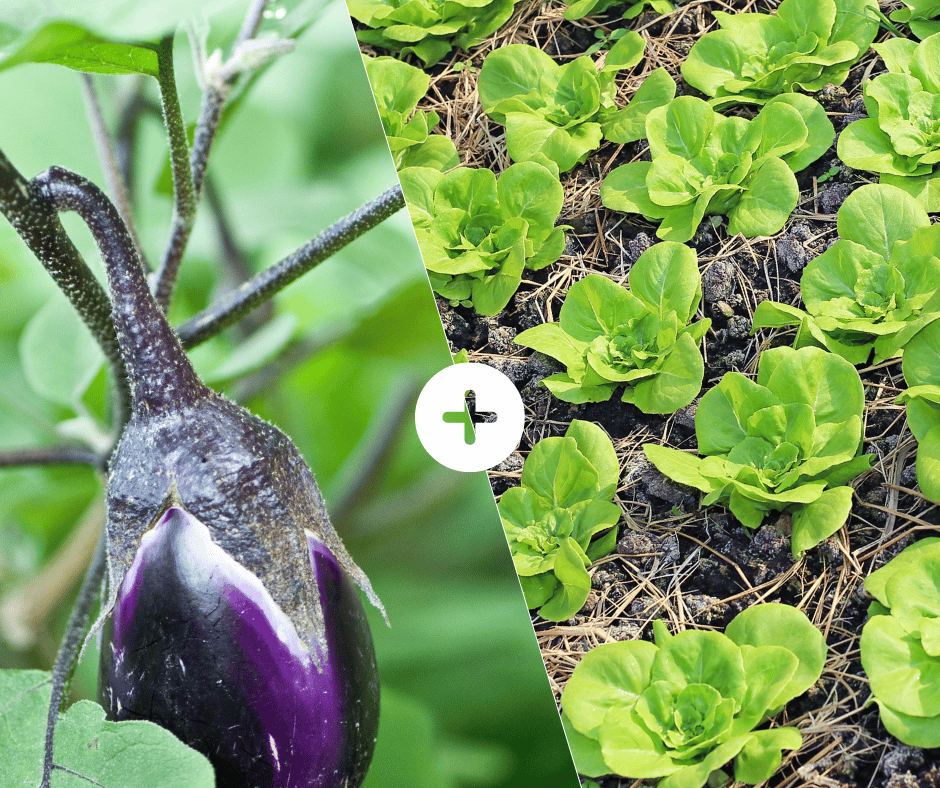
10. Eggplant and Lettuce
Why It Works: Lettuce grows well in the cool shade of eggplant, helping prevent premature bolting.
Avoid Planting Near: Fennel (as it inhibits eggplant growth).
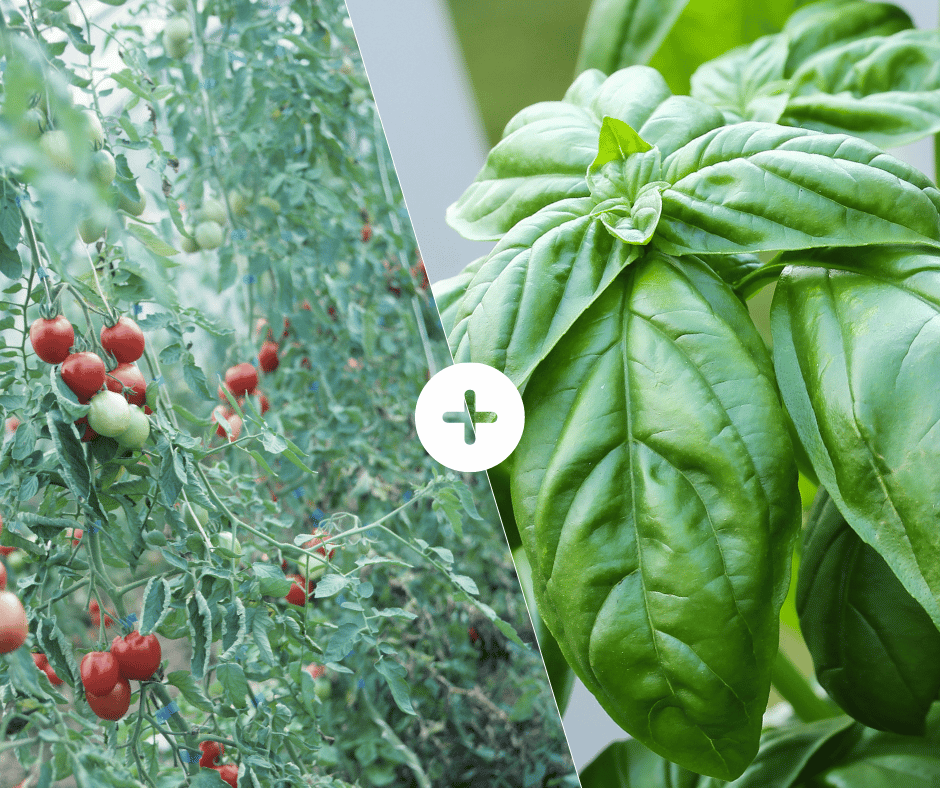
11. Tomatoes and Basil
Why It Works:
- Basil repels whiteflies, aphids, and hornworms, all of which attack tomatoes.
- It also enhances tomato flavor and attracts pollinators.
Avoid Planting Near: Fennel (as it can inhibit tomato growth).
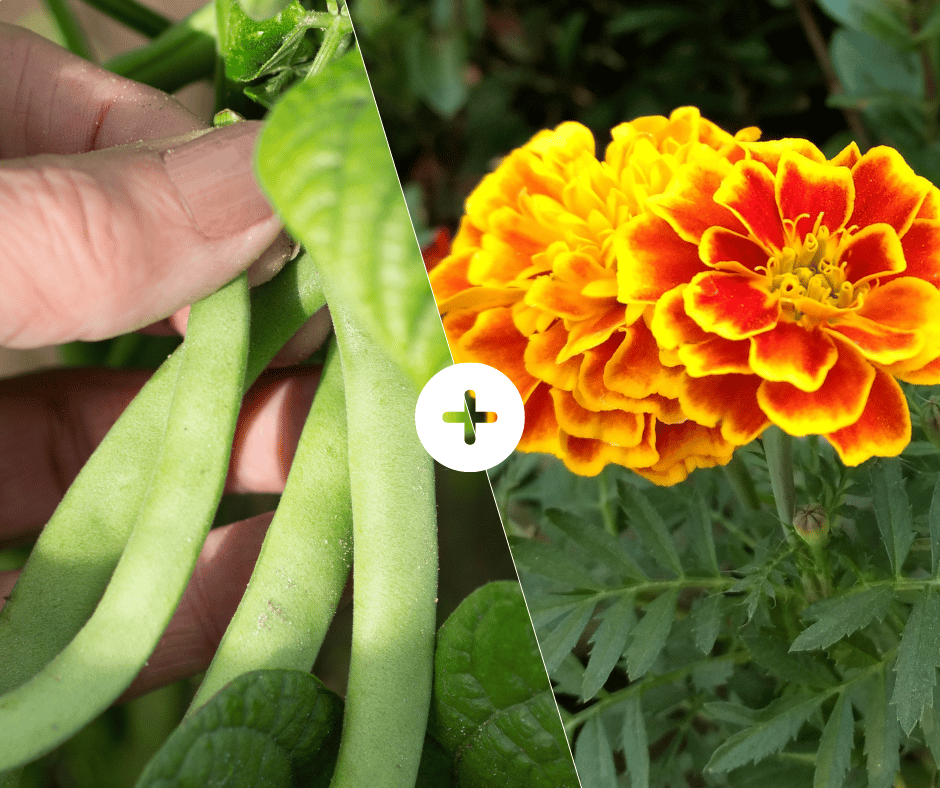
12. Green Beans and Marigolds
Why It Works:
- Marigolds deter bean beetles and nematodes, protecting the beans from pest damage.
- Their strong scent confuses pests looking for host plants.
Avoid Planting Near: Onions and garlic (which can slow bean growth).
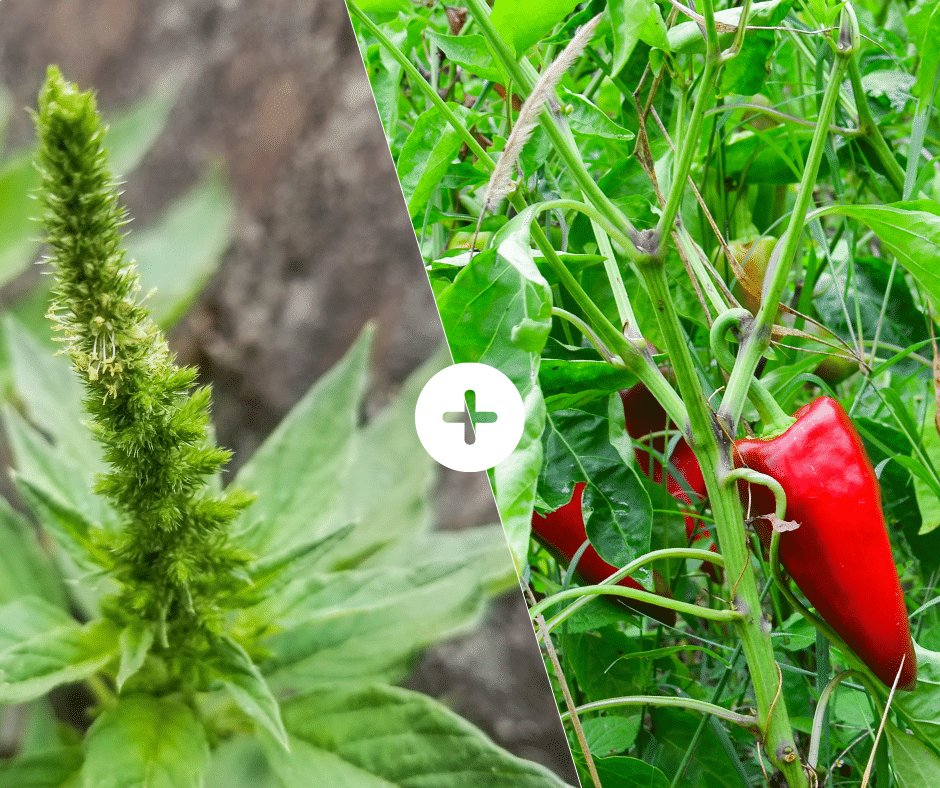
13. Pigweed and Peppers
Why It Works: Pigweed acts as a trap crop, attracting pests away from pepper plants.
Avoid Planting Near: Tomatoes (as pigweed can harbor pests that also attack tomatoes).
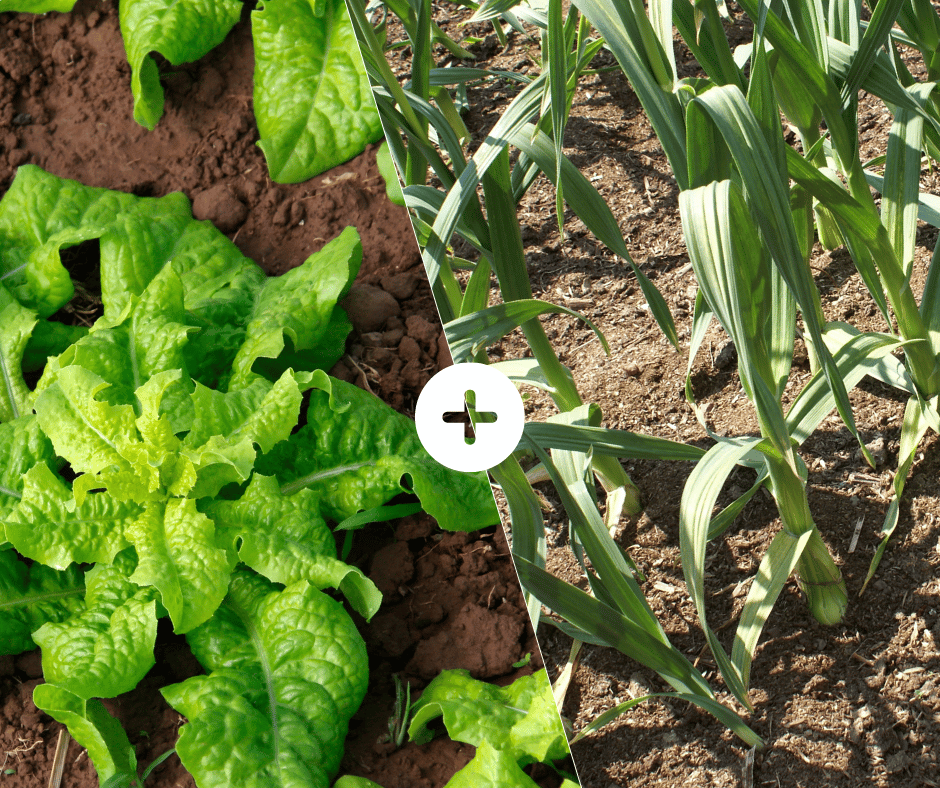
14. Lettuce and Garlic
Why It Works: The strong scent of garlic repels aphids, keeping lettuce safe from infestations.
Avoid Planting Near: Beans and peas (garlic can inhibit their growth).
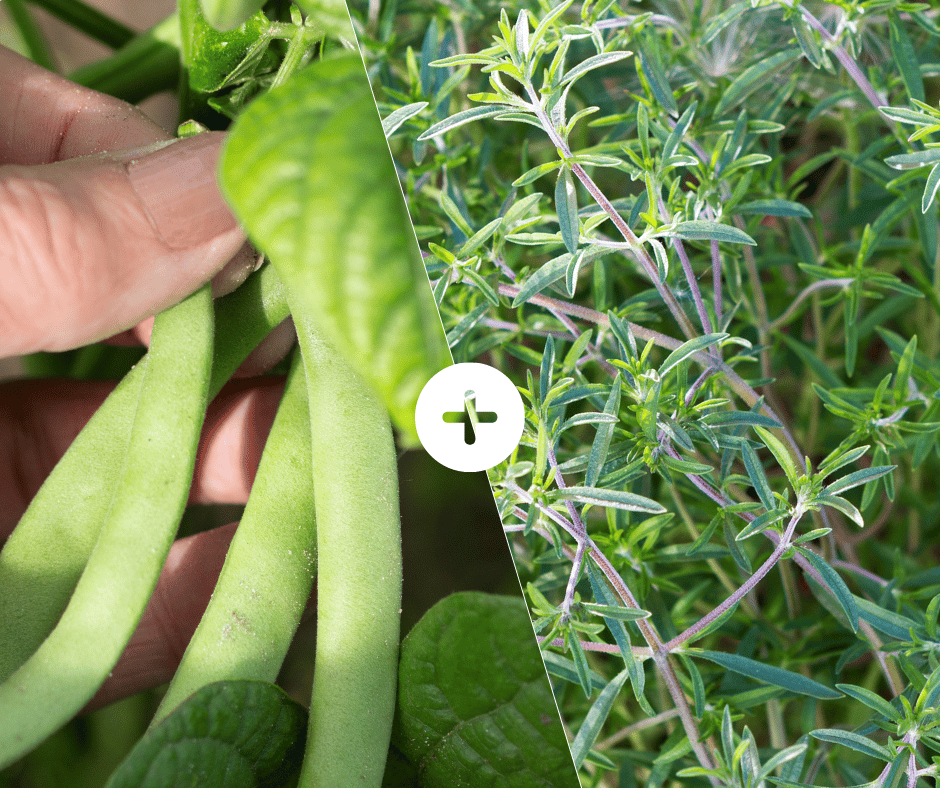
15. Green Beans and Summer Savory
Why It Works: Summer savory enhances the growth and flavor of green beans.
Avoid Planting Near: Onions (which slow bean growth).
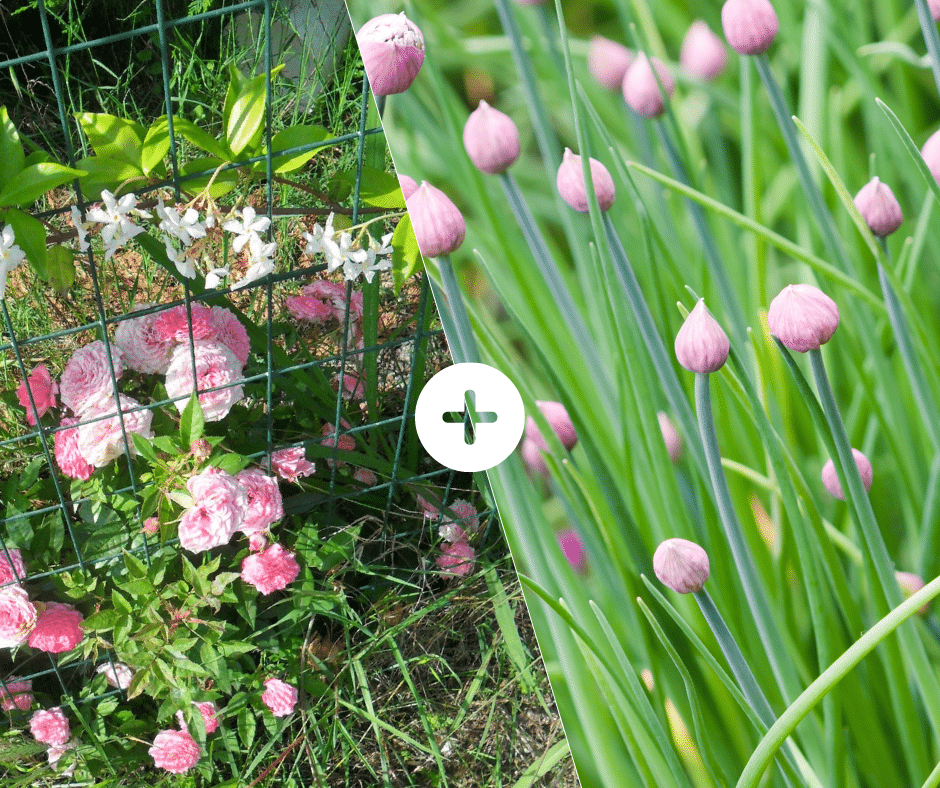
16. Roses and Chives
Why It Works:
- Chives deter aphids, one of the biggest threats to roses.
- They also enhance the fragrance of rose blooms.
Avoid Planting Near: None—chives are great for roses!
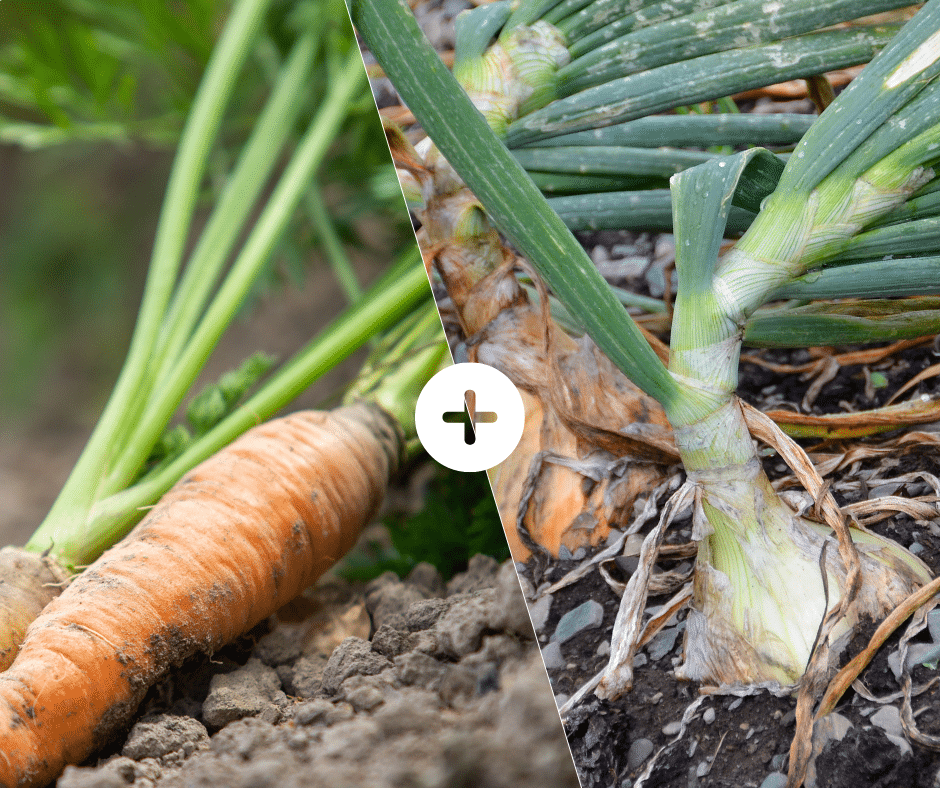
17. Carrots and Onions
Why It Works: Onions repel carrot flies, protecting carrot roots from damage.
Avoid Planting Near: Beans and peas (onions hinder legume growth).
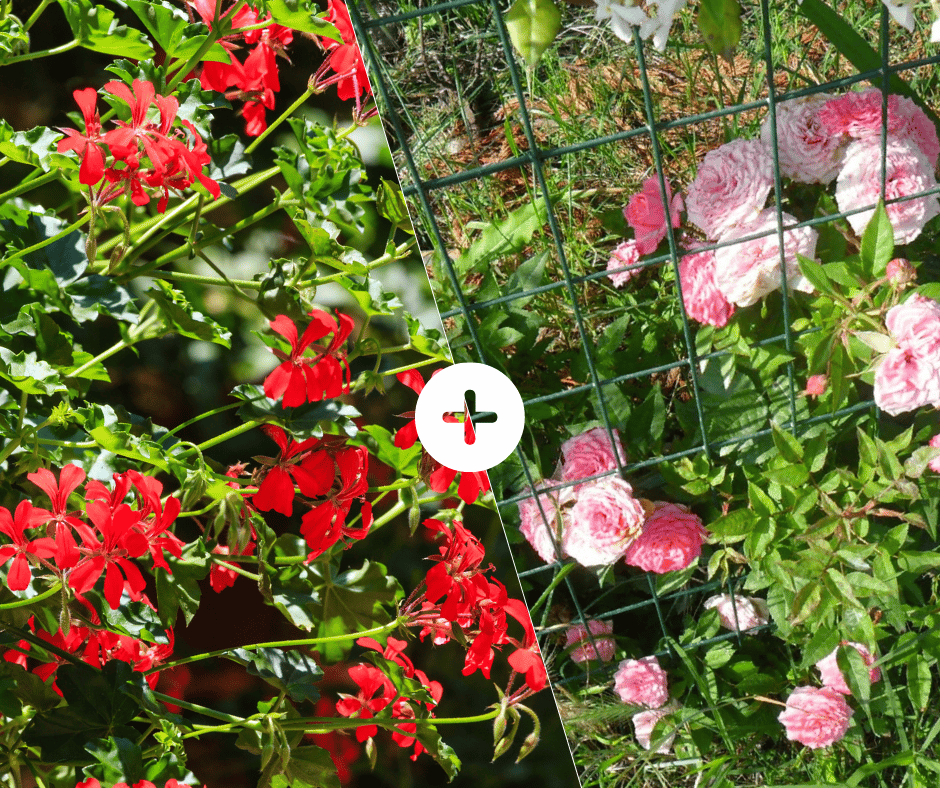
18. Geraniums and Roses
Why It Works: Geraniums repel aphids and other pests that attack roses.
Avoid Planting Near: None—geraniums are a great companion!
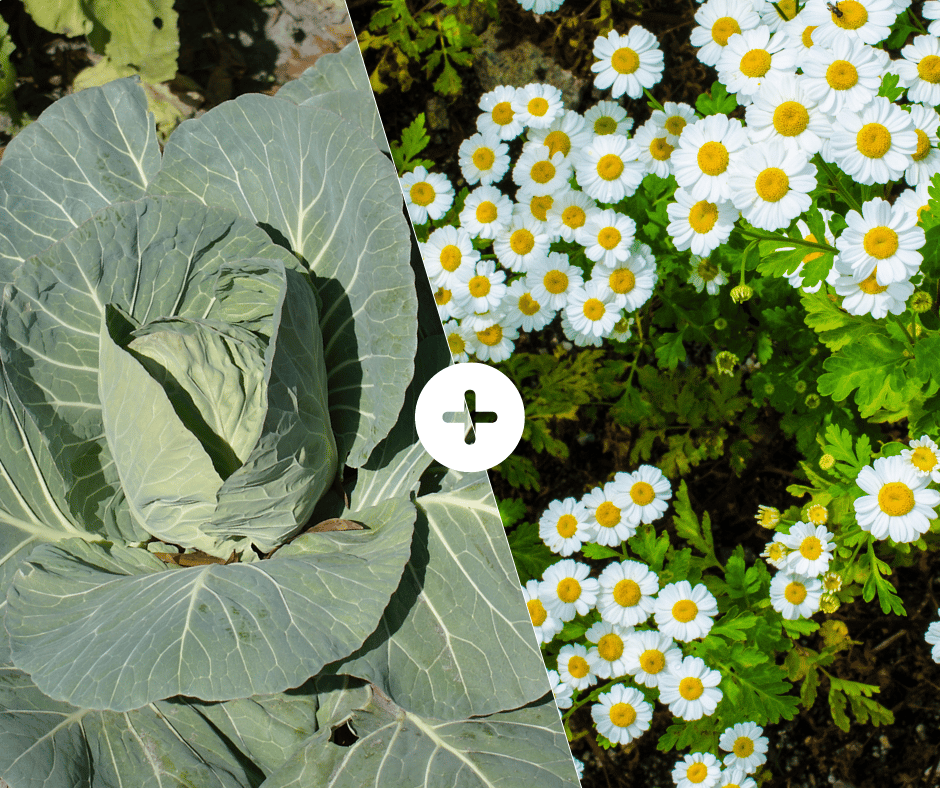
19. Cabbage and Chamomile
Why It Works: Chamomile attracts beneficial insects that eat cabbage pests and improve plant health.
Avoid Planting Near: None—chamomile is a beneficial companion.
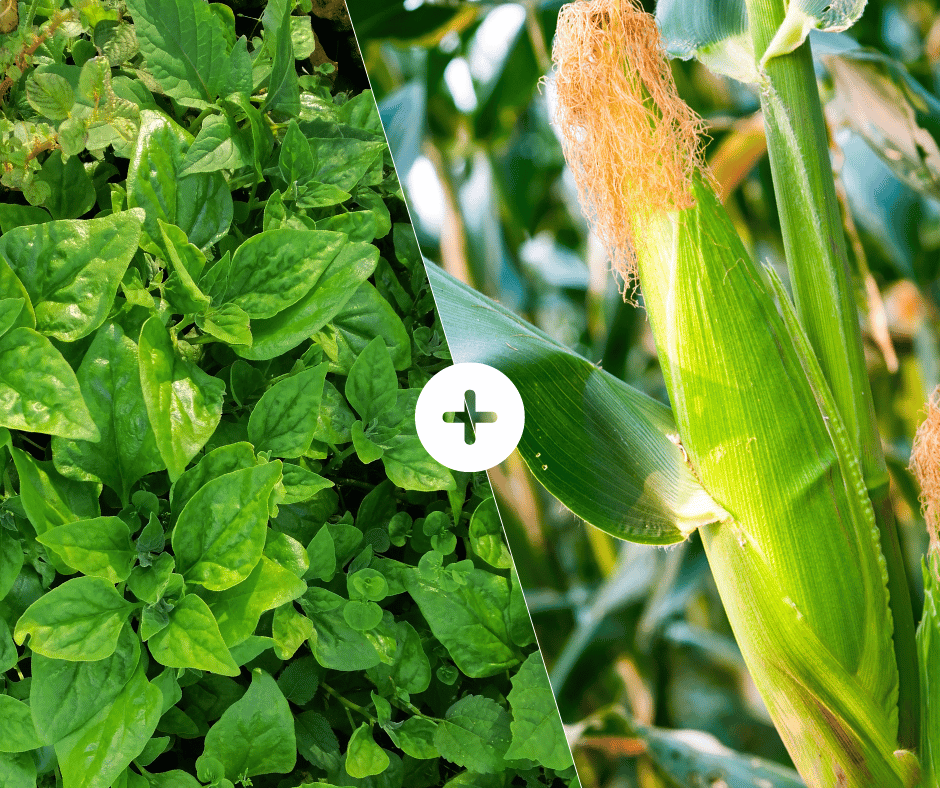
20. Spinach and Corn
Why It Works: Corn provides shade for spinach, preventing it from bolting in warm temperatures.
Avoid Planting Near: None—spinach and corn are great partners.
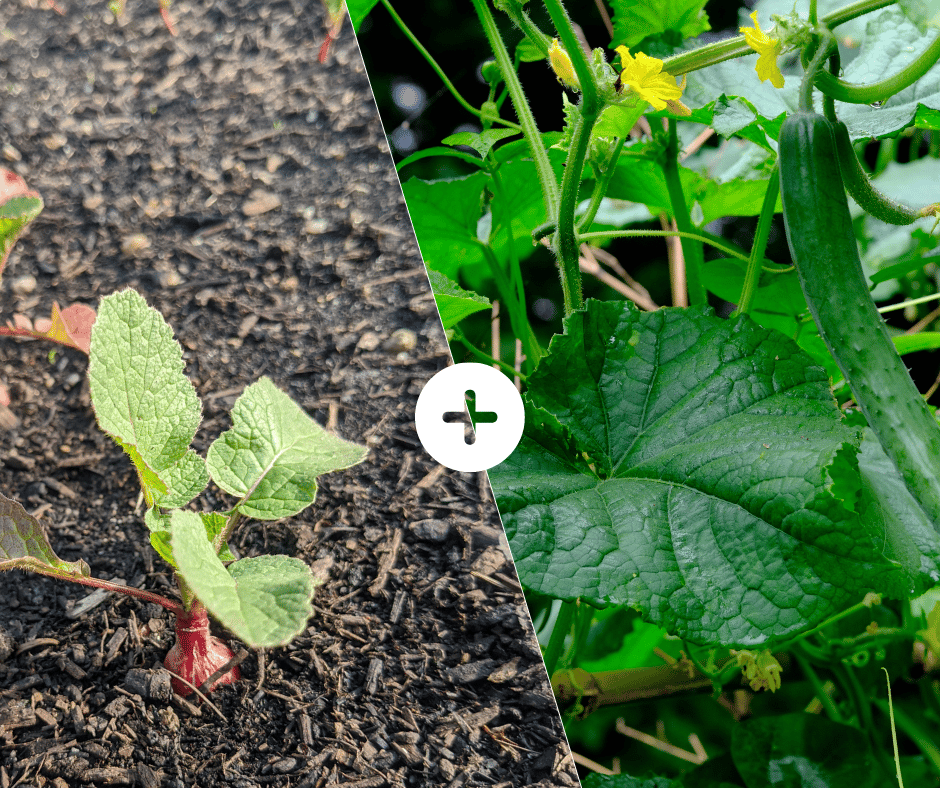
21. Radishes and Cucumbers
Why It Works:
- Radishes repel cucumber beetles.
- Cucumbers don’t compete with radishes for nutrients.
Avoid Planting Near: Aromatic herbs like sage.
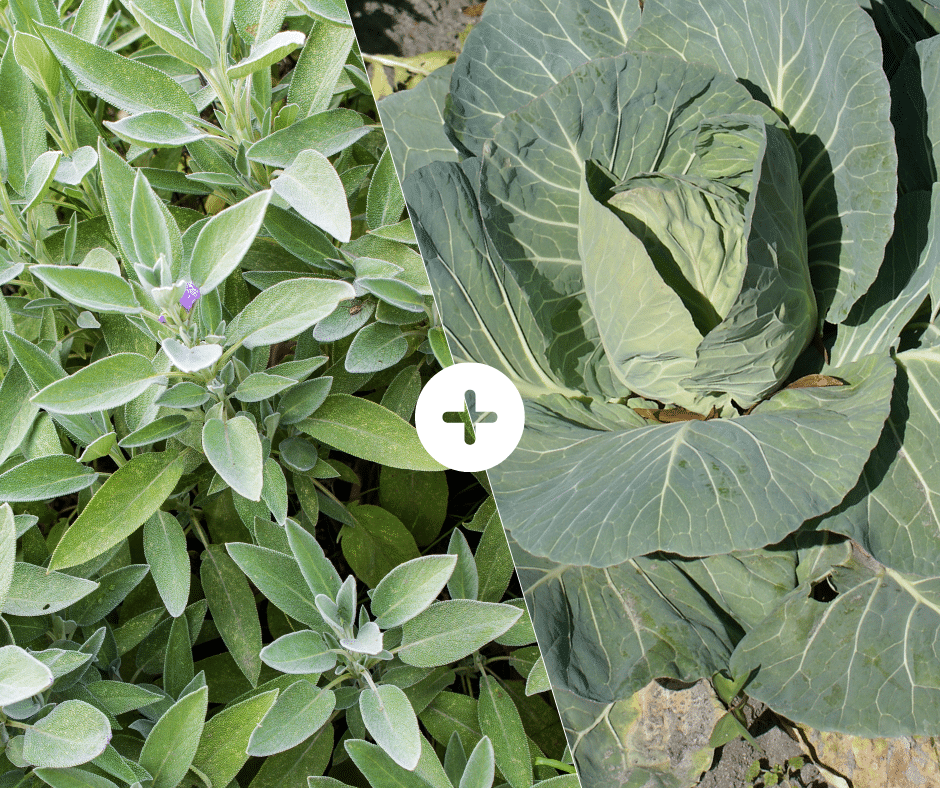
22. Sage and Cabbage
Why It Works: Sage deters cabbage moths, protecting cabbage from pest damage.
Avoid Planting Near: Cucumbers (sage can slow cucumber growth).
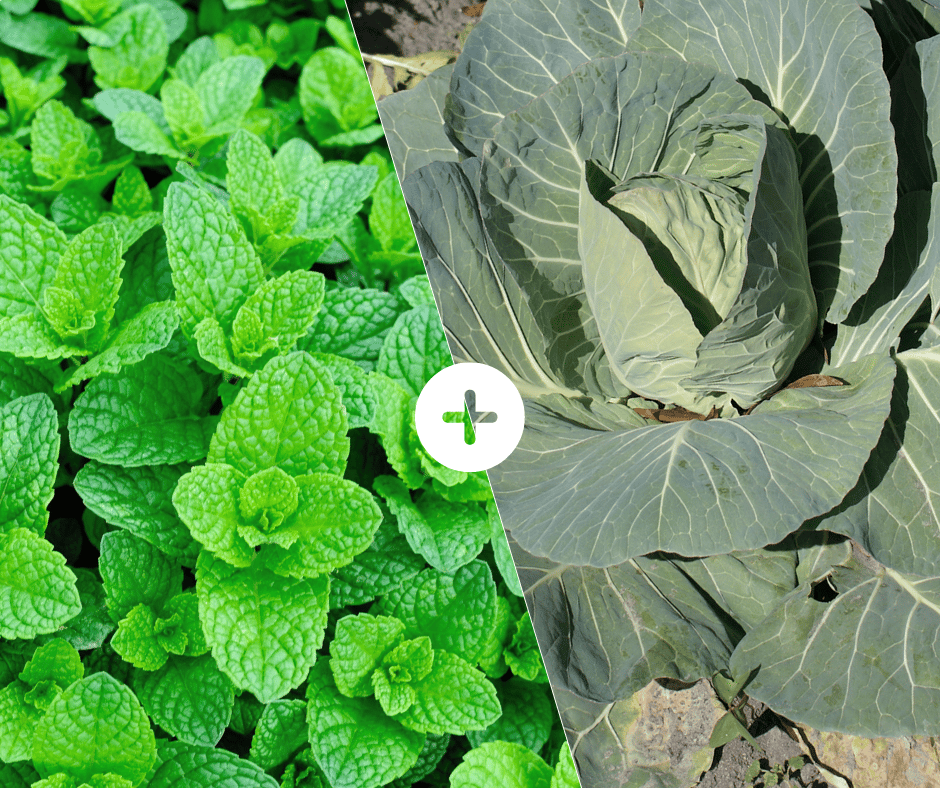
23. Mint and Cabbage
Why It Works: Mint repels cabbage moths and adds fragrance to your garden.
Avoid Planting Near: Carrots (as mint can overpower their growth).
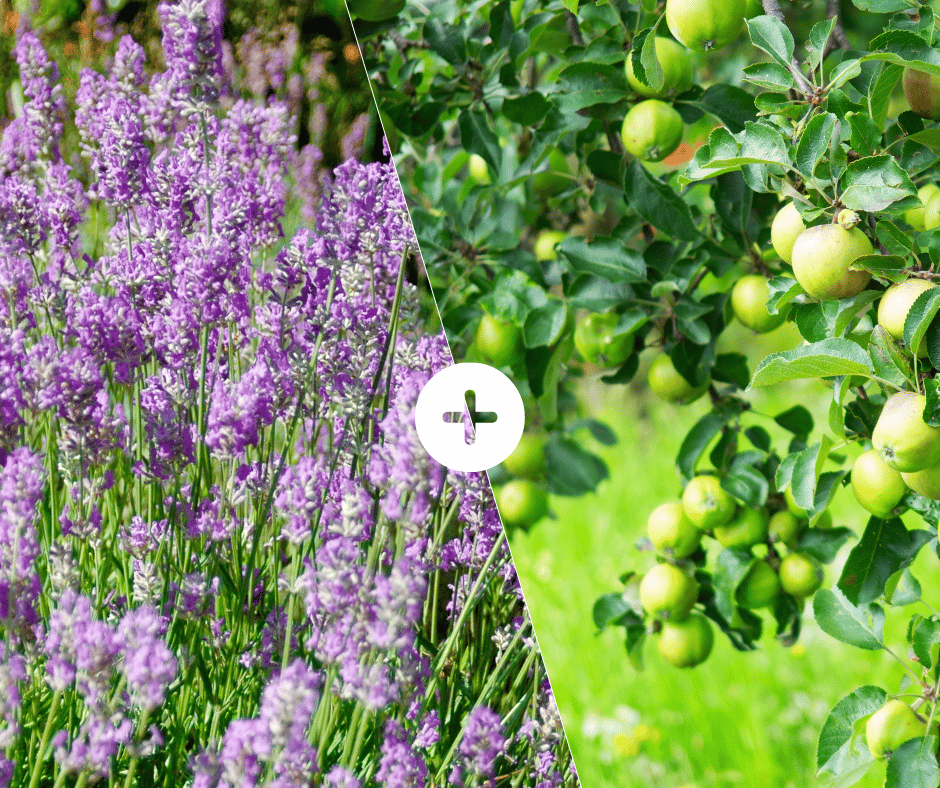
24. Lavender and Apples
Why It Works: Lavender deters codling moths, which are major pests for apple trees.
Avoid Planting Near: None—lavender benefits apple trees!
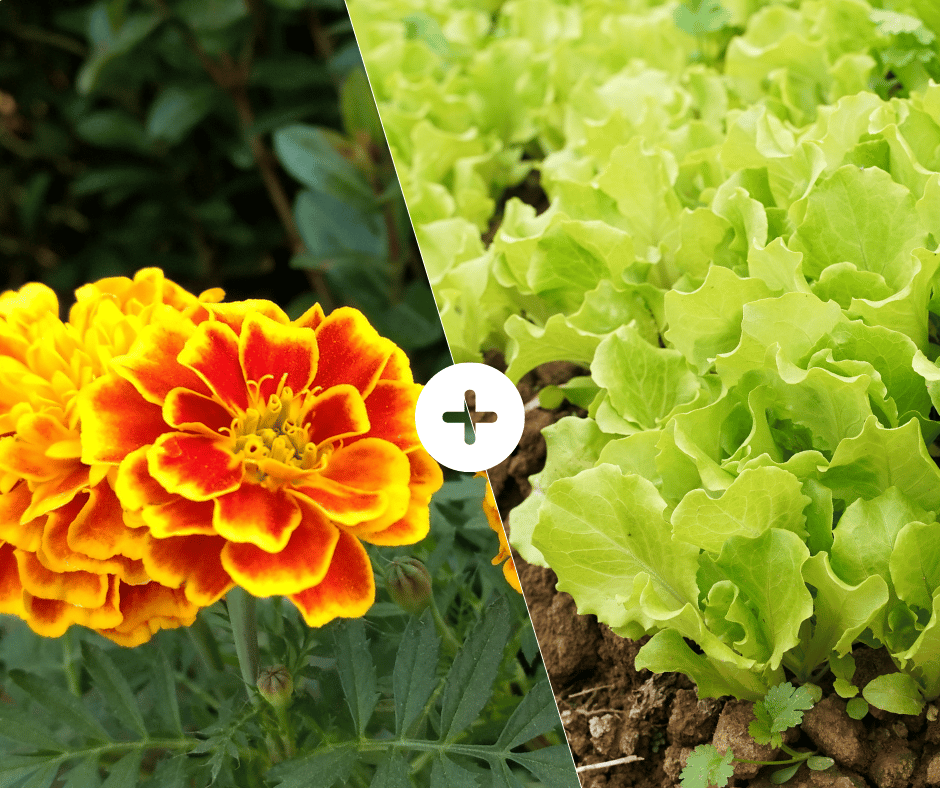
25. Marigolds and Lettuce
Why It Works:
- Marigolds attract ladybugs, which feed on aphids, one of the most common pests that attack lettuce.
- Their strong scent also repels nematodes and leaf-eating insects, keeping the lettuce healthy.
- Marigolds improve soil quality by suppressing harmful soil-borne pests.
Avoid Planting Near: None—marigolds benefit almost all garden crops!
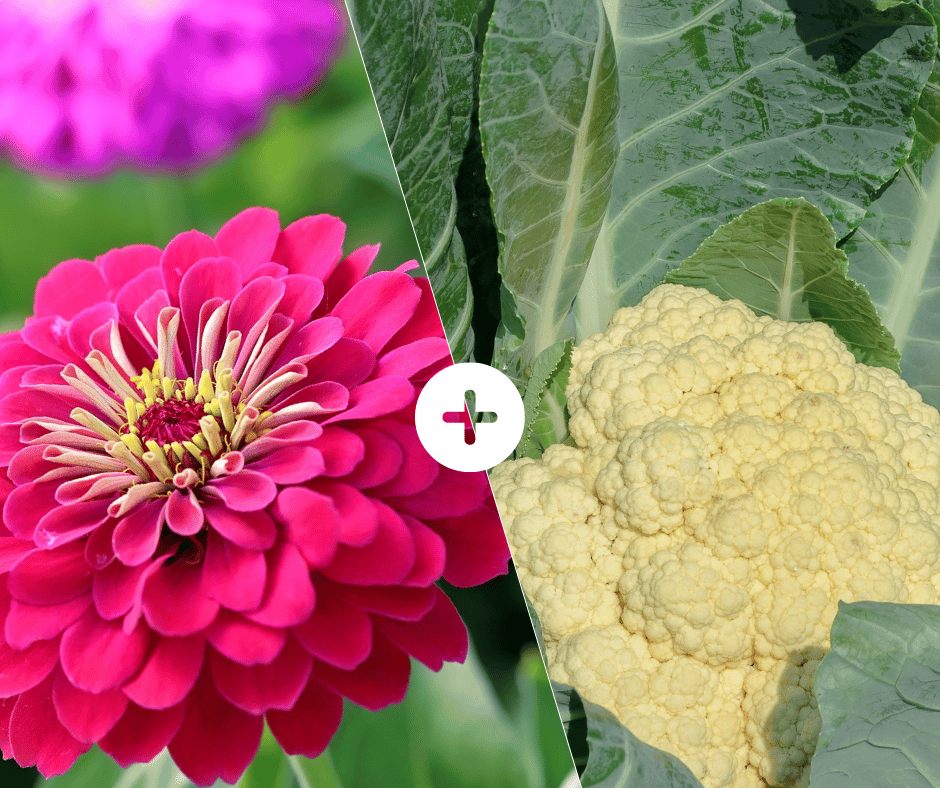
26. Zinnias and Cauliflower
Why It Works:
- Zinnias attract pollinators and beneficial insects like hoverflies, which prey on cabbage flies.
- Their bright flowers draw pests away from cauliflower, acting as a natural decoy plant.
- The deep roots of zinnias help aerate the soil, improving nutrient absorption for cauliflower.
Avoid Planting Near: None—zinnias make excellent companions for many vegetables and flowers.
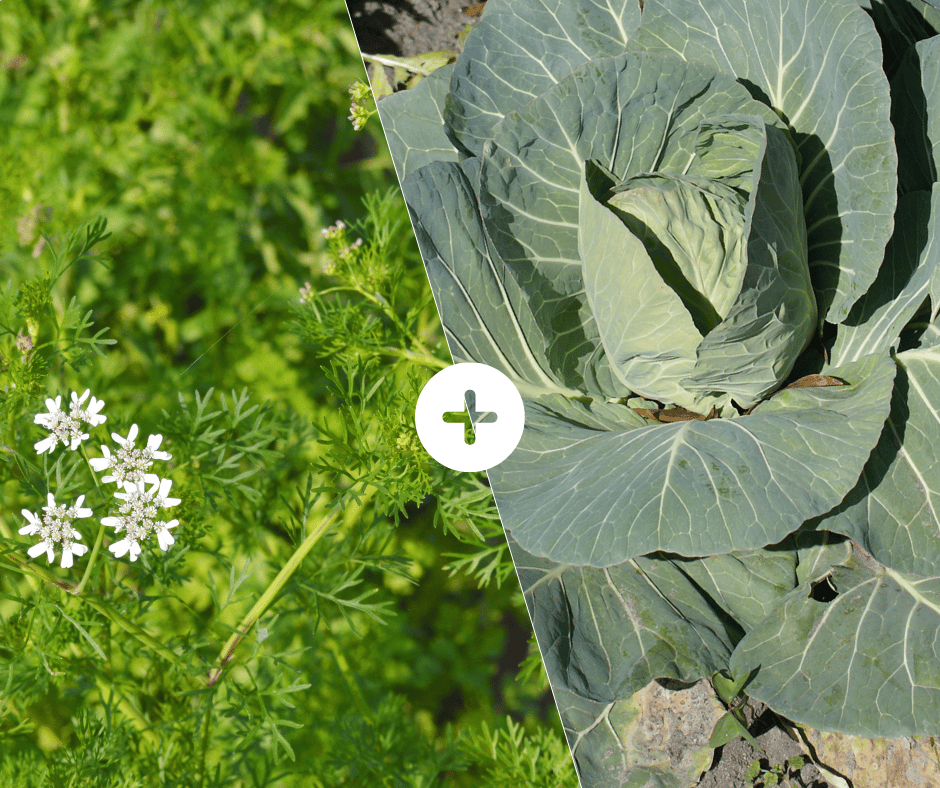
27. Dill and Cabbage
Why It Works:
- Dill attracts beneficial wasps, which prey on cabbage worms and other pests that attack cabbage.
- It enhances cabbage growth by improving soil aeration and deterring unwanted insects.
Avoid Planting Near: Carrots (as dill can stunt carrot growth if left to flower).
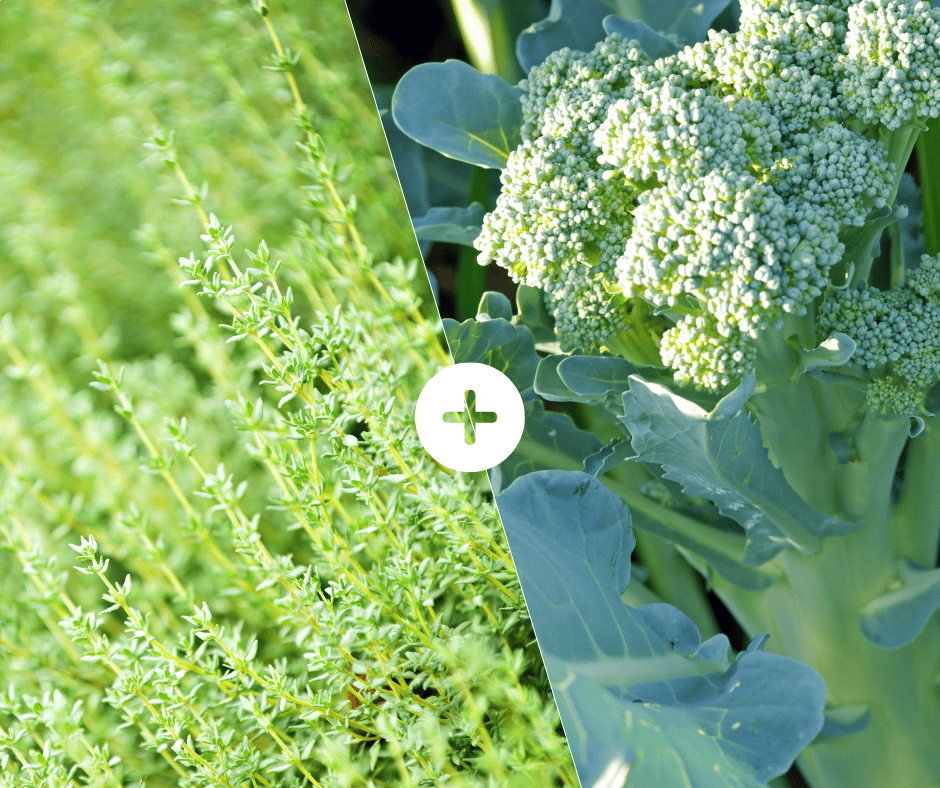
28. Thyme and Broccoli
Why It Works:
- Thyme repels cabbage worms, a common pest of broccoli.
- Its strong aroma masks the scent of broccoli, making it harder for pests to locate.
- The herb also improves soil conditions by attracting pollinators and beneficial insects.
Avoid Planting Near: None—thyme is a great companion for most garden plants.
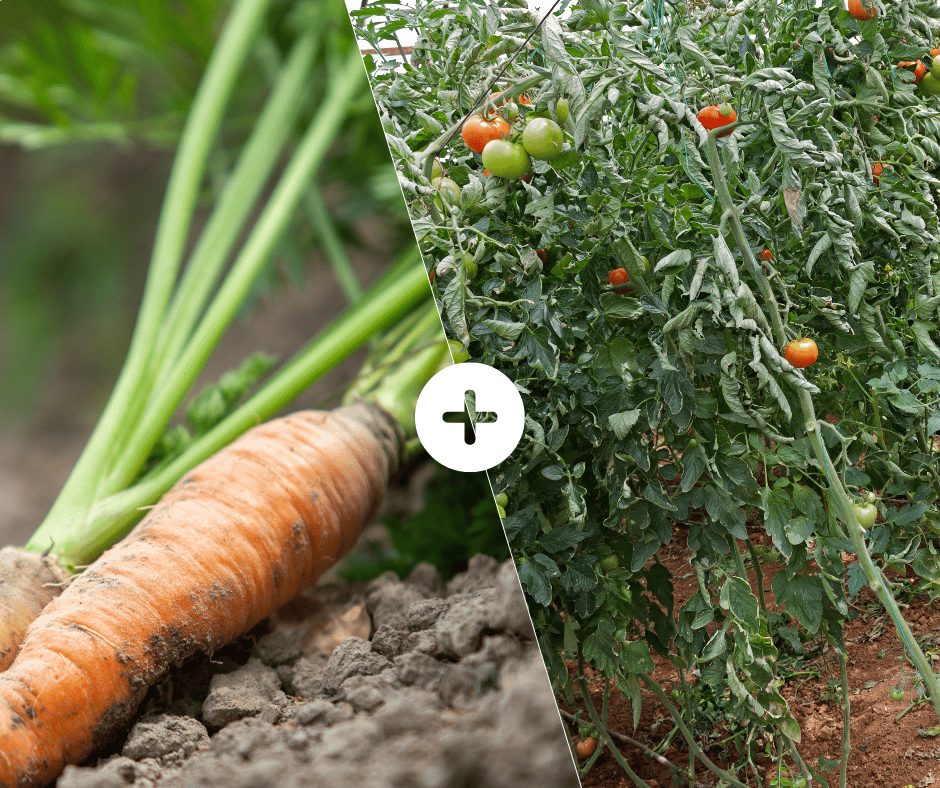
29. Carrots and Tomatoes
Why It Works:
- Tomatoes release solanine, a natural insect repellent that helps protect carrots from pests.
- Carrots aerate the soil for tomato roots, improving their ability to absorb nutrients.
- The strong scent of carrots confuses insects that target tomatoes.
Avoid Planting Near: Dill (which can inhibit carrot and tomato growth when it matures).
Companion planting is a natural way to create a healthier, more productive garden.
By pairing plants strategically, you can repel pests, improve growth, and optimize space without harmful chemicals!