As temperatures rise and gardens come back to life, so do the bugs that can wreak havoc on your plants and peace of mind.
Fortunately, nature offers its own defense system in the form of aromatic and insect-repelling plants.
Not only do these plants help repel mosquitoes, flies, ants, and other common pests, but many of them are beautiful, edible, or medicinal too.
In this detailed guide, we’ll explore 10 of the best natural insect-repelling plants to grow in your spring garden.
Whether you’re planning flower beds, vegetable patches, or container gardens, these botanical defenders can help you reduce your reliance on chemical insecticides while supporting a healthier, more sustainable ecosystem.
1. Lavender (Lavandula spp.)
Lavender is famous for its calming fragrance and lovely purple blooms – but it’s also a powerful pest deterrent. Its strong scent confuses mosquitoes, moths, flies, and fleas.
Plant it in full sun and well-drained soil. Lavender thrives in containers, borders, or as a hedge. It also attracts pollinators like bees and butterflies.
Insect Repelled: Mosquitoes, flies, moths
Bonus: Use dried lavender for sachets, teas, or homemade skincare.
2. Basil (Ocimum basilicum)
Basil isn’t just a kitchen staple – it’s also an effective mosquito and housefly repellent. The plant emits a pungent aroma that pests hate.
Grow basil in full sun and keep the soil consistently moist. You can grow it in pots near windows, patios, or entrances to help keep insects at bay.
Insects Repelled: Mosquitoes, flies
Bonus: Harvest fresh leaves for salads, pesto, or pasta dishes.
3. Marigolds (Tagetes spp.)
Marigolds are bright, cheerful, and a natural pest deterrent. Their strong scent repels aphids, mosquitoes, whiteflies, and even nematodes in the soil.
Plant marigolds around your vegetable garden or intersperse them among crops to protect more sensitive plants.
Insects Repelled: Aphids, mosquitoes, whiteflies, nematodes
Bonus: Attracts beneficial insects like ladybugs that prey on pests.
4. Mint (Mentha spp.)
Mint’s invigorating scent is delightful to humans but overpowering to many insects. It’s particularly effective against ants, mosquitoes, and fleas.
Mint grows quickly and can become invasive, so it’s best to grow it in containers.
Insects Repelled: Mosquitoes, ants, fleas
Bonus: Use mint in teas, cocktails, or as a refreshing garnish.
5. Lemongrass (Cymbopogon citratus)
Lemongrass contains citronella, a compound found in many commercial mosquito repellents. Its grassy, citrus scent naturally wards off mosquitoes.
Plant lemongrass in full sun and well-drained soil. It thrives in containers and can be moved indoors in colder climates.
Insects Repelled: Mosquitoes
Bonus: Lemongrass is used in Southeast Asian cooking and herbal teas.
6. Catnip (Nepeta cataria)
Catnip contains nepetalactone, which is even more effective than DEET at repelling mosquitoes in some studies.
While it attracts cats, it deters a variety of insects. Grow catnip in full sun or partial shade in well-drained soil.
Insects Repelled: Mosquitoes, aphids, squash bugs
Bonus: Dry the leaves to make calming teas or use them for cat toys.
7. Rosemary (Rosmarinus officinalis)
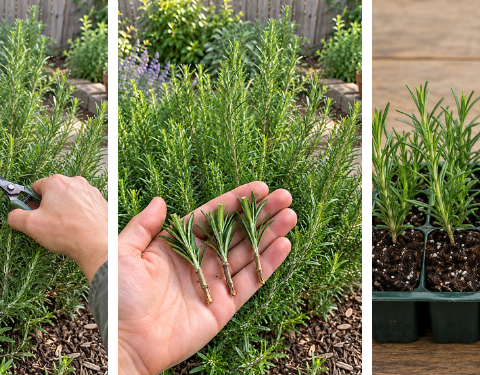
Rosemary’s strong, pine-like scent repels mosquitoes, cabbage moths, and carrot flies. It thrives in sunny, well-drained locations and is great for container gardening. Snip off sprigs for use in cooking and grilling.
Insects Repelled: Mosquitoes, cabbage moths, carrot flies
Bonus: Use fresh rosemary to flavor meats, breads, and potatoes.
8. Chrysanthemums (Chrysanthemum spp.)
Chrysanthemums contain pyrethrum, a natural insecticide used in many commercial pest control products. They repel ants, ticks, lice, fleas, and Japanese beetles. Plant them in full sun and well-drained soil for best results.
Insects Repelled: Ants, fleas, ticks, lice, beetles
Bonus: These cheerful blooms also make excellent cut flowers.
9. Garlic (Allium sativum)
Garlic repels a wide range of insects, including aphids, spider mites, and mosquitoes, due to its sulfur compounds.
Plant garlic cloves in well-drained soil and full sun. It’s best to plant in fall for a summer harvest, but spring planting is also possible in mild climates.
Insects Repelled: Aphids, spider mites, mosquitoes
Bonus: Use freshly harvested garlic in cooking or for medicinal purposes.
10. Petunias (Petunia spp.)
Petunias are not only vibrant and colorful, but they also repel several types of garden pests. These include aphids, tomato hornworms, asparagus beetles, and leafhoppers.
They thrive in full sun and well-draining soil and work beautifully in hanging baskets or garden borders.
Insects Repelled: Aphids, tomato hornworms, beetles
Bonus: Low-maintenance and available in a wide range of colors.
Tips for Maximizing Effectiveness:
- Place repellent plants near entryways, patios, and high-traffic garden areas.
- Use companion planting to protect sensitive crops like tomatoes and cabbage.
- Regularly deadhead flowers and prune herbs to promote growth and potency.
- Consider crushing a few leaves occasionally to release essential oils.
Integrating natural insect-repelling plants into your garden is a beautiful and sustainable way to keep pests in check while adding fragrance, flavor, and color to your outdoor space.
Whether you’re growing herbs in pots or flowers in raised beds, these ten plants can create a more enjoyable and pest-free environment for the months ahead. Start this spring and let nature do the work for you!