With winter finally behind us and the days getting longer and warmer, April is the perfect time to shake off the chill and step back into the garden.
Whether you’re a seasoned gardener or just beginning to dig into the dirt, April marks a vital transition point in the gardening calendar – a time for preparation, planting, and planning for a lush, productive summer.
Here are 8 essential garden tasks to tackle in April to give your plants, lawn, and soil the best possible start to the growing season.
1. Clean Up the Garden
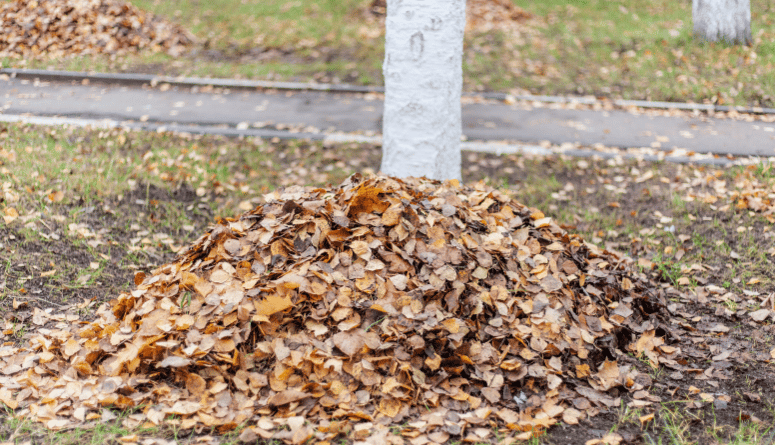
Winter often leaves behind a mess of fallen leaves, broken twigs, and dead plant material. April is the time to give your garden a much-needed spring cleaning.
- Rake up dead leaves from lawns and borders to prevent smothering the grass and blocking sunlight.
- Remove plant debris like dead stems, rotted annuals, and spent foliage to reduce the risk of fungal diseases and pests.
- Compost what you can – leaves, plant clippings, and small branches can be shredded and added to your compost pile.
- Weed early – young weeds are easier to remove and haven’t yet gone to seed.
Not only does this make your garden look tidy, but it also prevents pest buildup and allows sunlight and airflow to reach the soil.
2. Re-define Lawn and Garden Edges
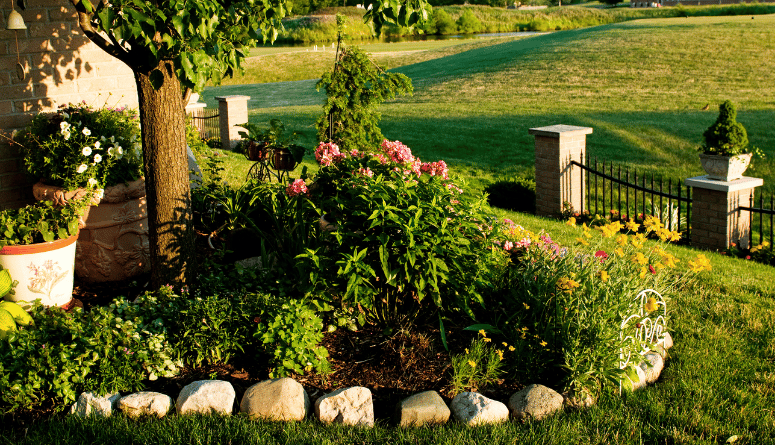
Clean, defined edges give your garden structure and polish. After the messy winter months, restoring lawn and flowerbed edges brings immediate improvement to your landscape.
- Use a half-moon edger or sharp spade to create a neat boundary between grass and beds.
- Remove grass or mulch overgrowth that has crept into walkways or borders.
- Lay down edging materials – stone, metal, or recycled plastic – for long-lasting results.
Aside from aesthetics, edging keeps mulch and soil in place, prevents grass from invading beds, and makes mowing and maintenance easier.
3. Feed and Revitalize Your Soil
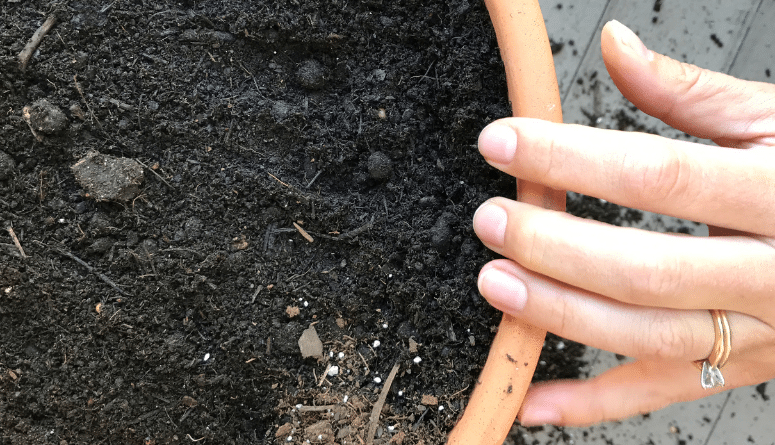
Your plants will only be as healthy as the soil they grow in. After a long dormant season, your garden soil needs a nutritional boost.
- Incorporate organic matter such as compost, aged manure, worm castings, or leaf mold.
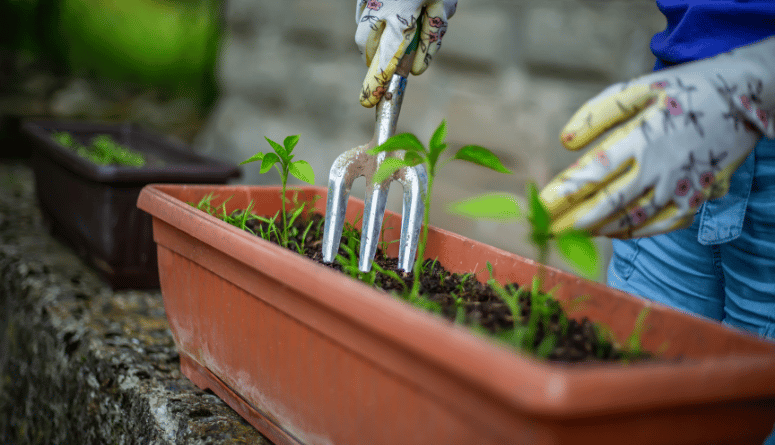
- Loosen compacted soil with a garden fork to improve aeration and water absorption.
- Add soil amendments like bone meal, blood meal, or rock dust depending on your plant’s nutrient needs.
Healthy, biologically active soil improves root development, increases drainage, and boosts your plants’ natural resistance to pests and diseases.
4. Get Ahead of Pests
Pests begin to emerge in April as the weather warms. Get a jump on control by inspecting your garden closely and taking early action.
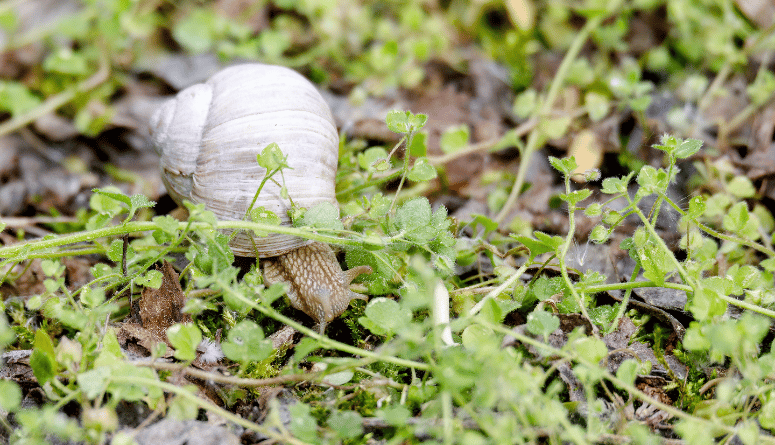
- Look for overwintering pests like aphids, slugs, snails, and vine weevil larvae under leaves and in the soil.
- Remove slugs and snails by hand, or use natural deterrents like crushed eggshells or copper tape.
- For aphids, rinse plants with a strong stream of water or introduce beneficial insects like ladybugs.
- Turn compost piles and disturb areas where pests may be hiding.
A weekly walk through your garden with a keen eye will help you catch pest problems before they spiral out of control.
5. Plant Spring-Flowering Bulbs
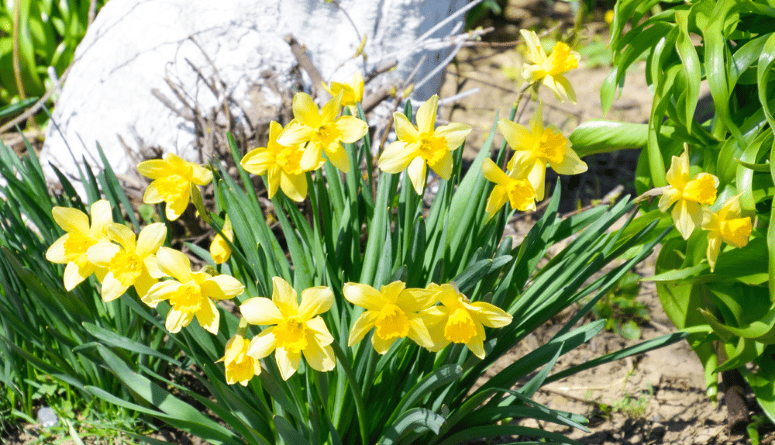
Spring is bulb time, and April offers a final window to get late-blooming bulbs into the ground.
- Choose bulbs like freesia, hyacinths, crocus, anemone, babiana, and tulips for colorful displays.
- In warmer climates, pre-chill bulbs like tulips and hyacinths in the refrigerator for 6–8 weeks before planting to mimic winter conditions.
- Plant bulbs in well-drained soil in a sunny to partially shaded spot.
- Use pots for flexibility – containers allow you to enjoy blooms on patios or balconies and move them around as needed.
Adding flowering bulbs ensures your garden bursts with color in late spring and early summer.
6. Set Up or Refresh Your Compost Area
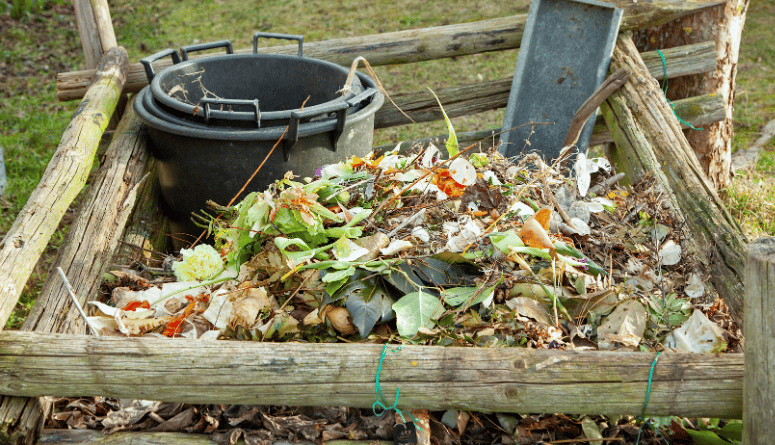
April is an excellent month to start or refresh a compost pile or bin as there’s plenty of fresh garden waste to add.
- Collect grass clippings, vegetable scraps, coffee grounds, eggshells, dead leaves, and paper shreds.
- Mix “green” materials (rich in nitrogen) with “brown” materials (rich in carbon) to maintain a healthy balance.
- Turn the compost every few weeks with a pitchfork to promote airflow and speed up decomposition.
- Keep it slightly moist, like a wrung-out sponge.
Well-aged compost can be ready in 2–3 months and will dramatically improve the quality of your garden soil.
7. Start Growing Vegetables
April is one of the busiest planting months for vegetables, with many cool-season and warm-season crops ready to go in the ground or seed trays.
Direct sow outdoors:
- Root crops: carrots, beets, radishes, turnips, kohlrabi
- Leafy greens: lettuce, Swiss chard, spinach, leeks
- Legumes: peas
- Alliums: spring onions, pickling onions
Start indoors or under cover: Warm-season vegetables: tomatoes, peppers, cucumbers, squash, pumpkins, eggplants, celery, globe artichokes
Ensure your soil is well-prepared and enriched with compost, and keep it consistently moist during germination. Protect tender seedlings from frost if late cold snaps occur.
8. Care for Trees and Shrubs
Trees and shrubs are the backbone of your garden, and April is the perfect time to tend to their needs after a long winter.
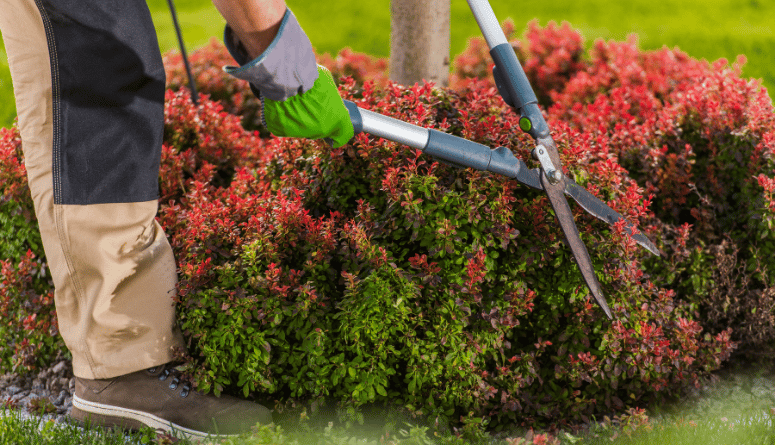
- Prune deciduous trees and shrubs before full leaf-out to shape growth, remove dead wood, and encourage blooms.
- Remove any dead, diseased, or crossing branches to promote healthy growth and air circulation.
- Apply a balanced fertilizer around the root zone to fuel spring growth.
- Mulch around the base with compost, bark, or straw to retain moisture and suppress weeds – but keep mulch a few inches from the trunk to avoid rot.
If you’re thinking about adding new trees or shrubs, April is an ideal time to plant while the soil is warming up but not yet dry.
What you do in April lays the groundwork for your entire gardening year.
From feeding your soil to planting vegetables and reviving your lawn, these early efforts will reward you with vibrant growth, colorful blooms, and a productive garden through summer and beyond.