Gardening is more than just a hobby—it’s a deeply relaxing and rewarding way to reconnect with nature while creating a vibrant, beautiful living space.
Whether you’re planting vegetables, herbs, flowers, or trees, spring and summer offer the perfect time to dig in and start cultivating your dream garden.
However, growing a lush, healthy garden isn’t just about planting seeds and hoping for the best. Experience, creativity, and a few clever hacks can make all the difference between struggling plants and a flourishing outdoor oasis.
To help you along the way, we’ve compiled 20 brilliant gardening ideas and DIY tricks that will solve common problems, save time, and boost your success—whether you’re a brand-new gardener or a seasoned green thumb.
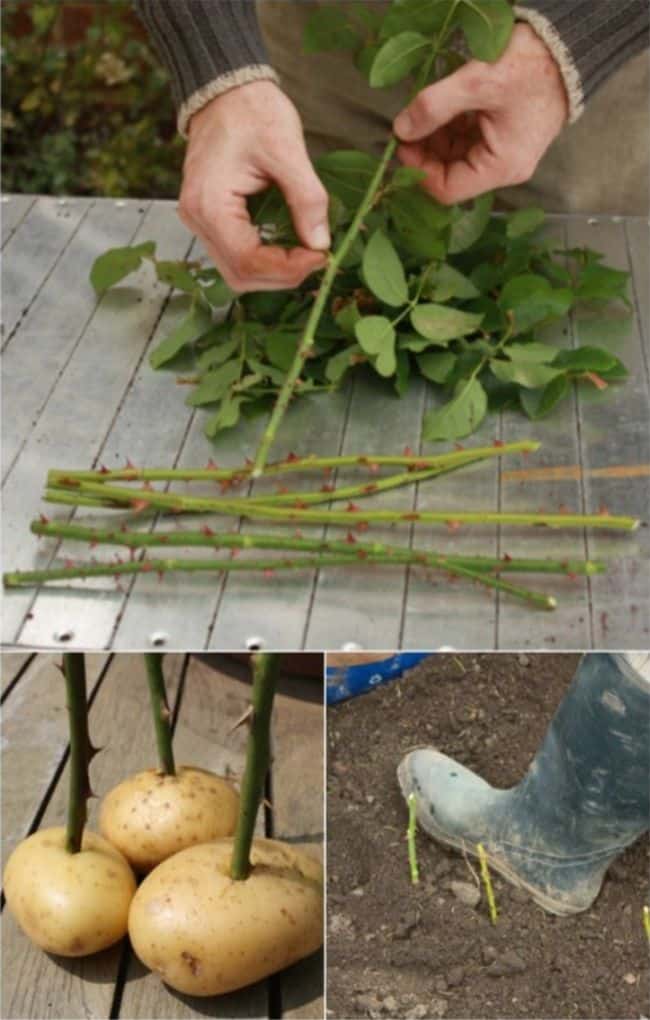
1. Grow Rose Cuttings in Potatoes
Want to propagate roses with higher success?
Insert your rose cuttings into a potato before planting them in soil. The potato provides moisture and stability during the early rooting stage, giving the rose cuttings a better chance of survival and healthy growth.
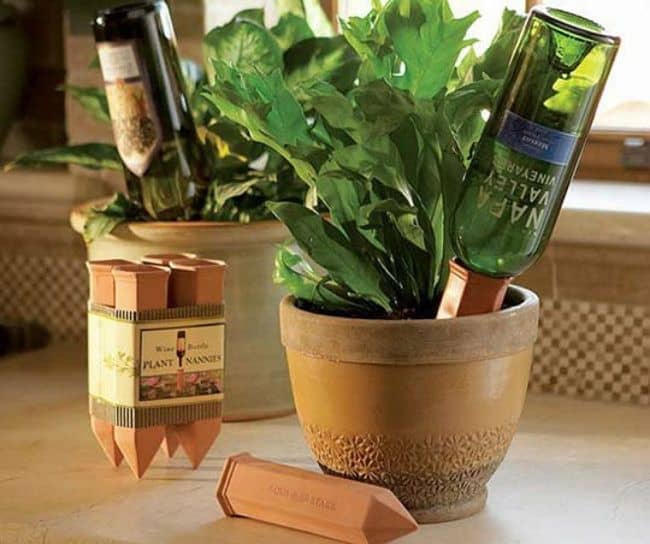
2. Use Wine Bottles for Slow Irrigation
Repurpose old screw-top wine bottles into self-watering devices!
Fill a bottle with water, poke a small hole in the cap, and stick it neck-down into the soil. This slow-release irrigation keeps your plants hydrated while adding a charming, rustic look to your pots and beds.
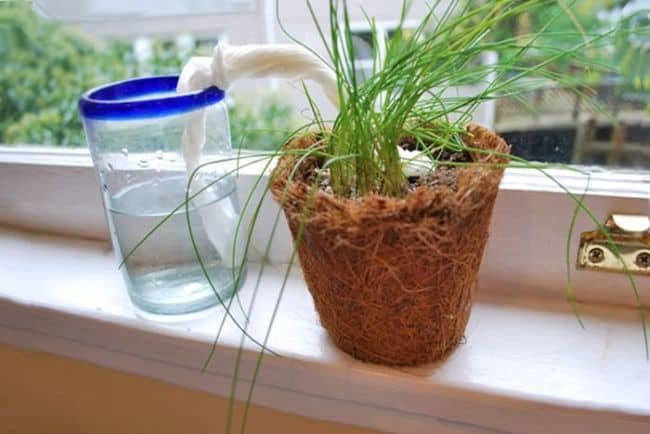
3. Water Plants with Paper Towels While Away
If you’re traveling, use paper towels and jars of water to keep your plants alive.
Roll paper towels into ropes, place one end in the water-filled jar and the other in the soil. The moisture will wick through the paper towel into the soil, keeping your plants hydrated for days.
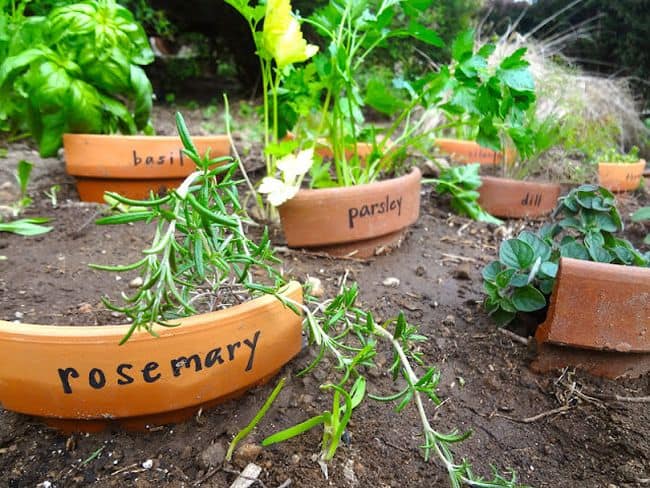
4. Make Plant Markers from Broken Pots
Don’t toss broken terra cotta pots!
Repurpose the shards as rustic plant markers by writing the names of your plants directly on the clay pieces. They’re eco-friendly, durable, and add charming character to your garden beds.
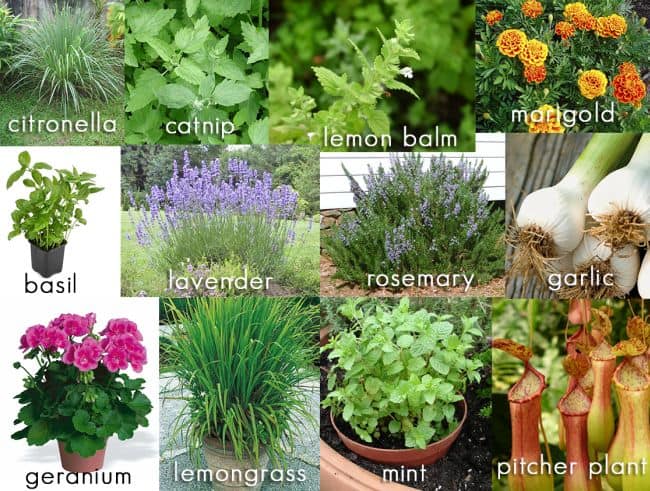
5. Plant Mosquito-Repelling Herbs
Fight off mosquitoes naturally by planting herbs like lemongrass, catnip, lavender, rosemary, and garlic.
These plants emit strong fragrances that repel mosquitoes, helping you enjoy your garden without constant buzzing and bites.
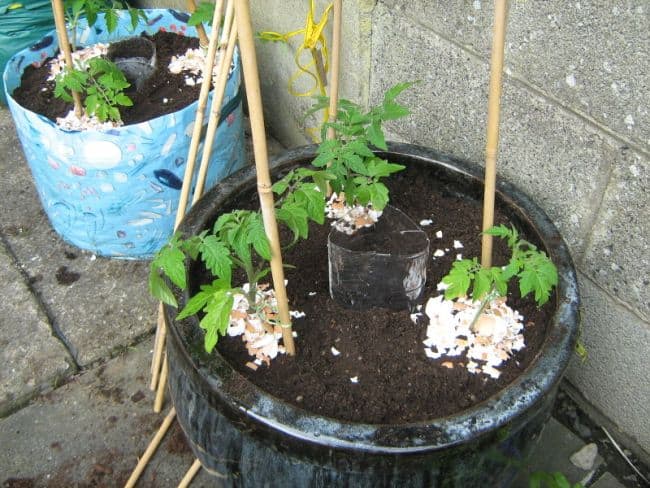
6. Protect Plants from Pests with Eggshells
Crush up eggshells and scatter them around the base of your plants.
The sharp edges deter snails, slugs, and other soft-bodied pests. Plus, as the shells break down, they enrich the soil with calcium, promoting stronger plant growth.
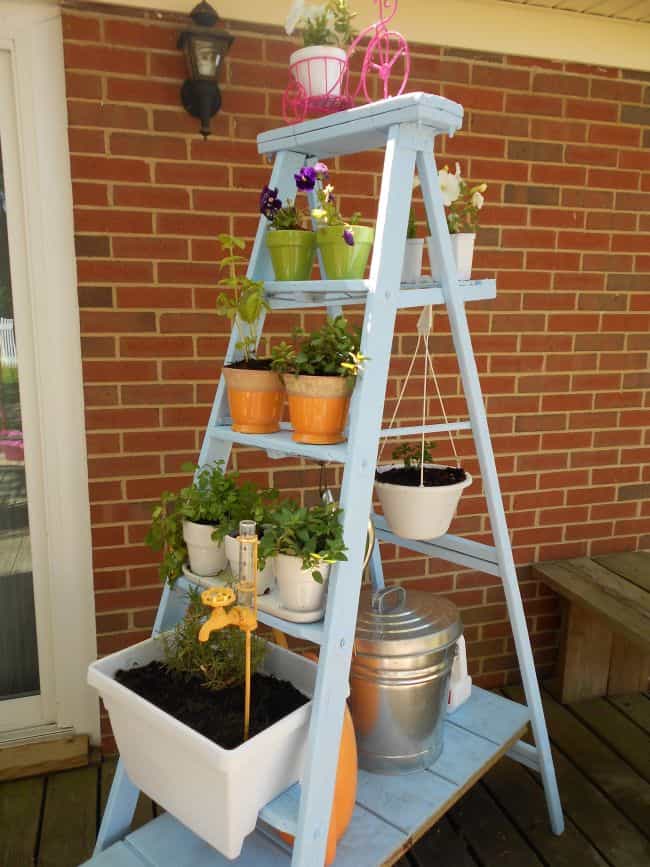
7. Use an Old Ladder for Vertical Gardening
Turn an unused wooden ladder into a vertical planter!
Place potted herbs, succulents, or flowers on the steps to maximize small spaces and create a beautiful tiered display perfect for patios, balconies, or small gardens.
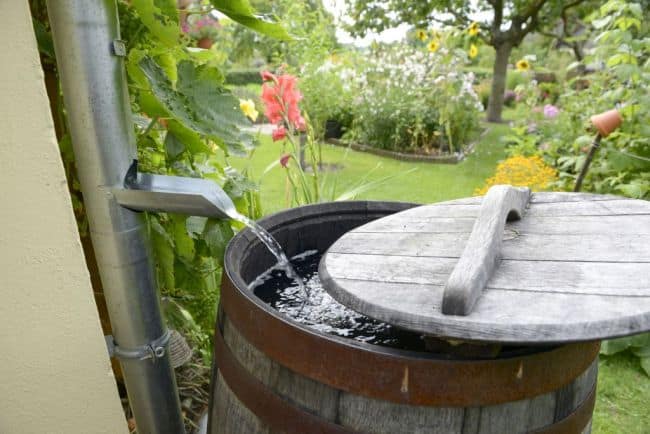
8. Install a Rain Barrel to Collect Water
Harvest rainwater from your roof to save money and help the environment.
Install a rain barrel under a downspout to collect water naturally, and use it to irrigate your garden during dry spells.
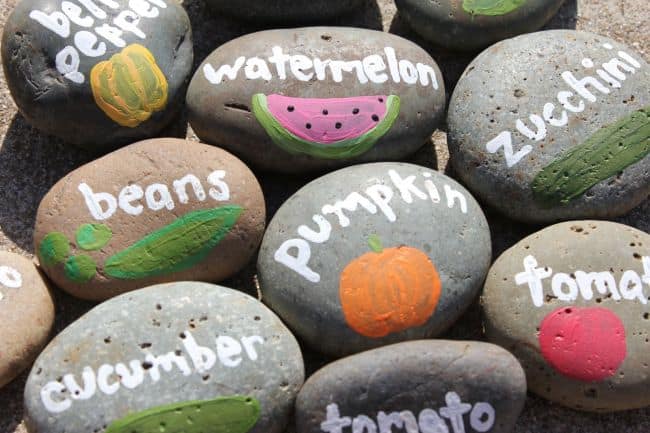
9. DIY Garden Stone Markers
Create personalized stone markers using flat rocks and waterproof paint or markers.
Label your herbs, vegetables, or flowers for easy identification while adding an artistic touch to your garden beds.
10. Fertilize Plants with Cooking Water
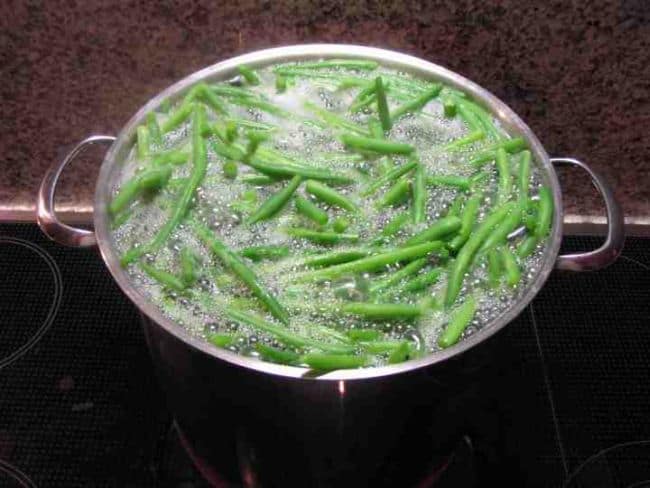
The next time you boil vegetables or pasta, save the nutrient-rich water (after it cools) and use it to water your garden.
This recycled cooking water provides minerals like potassium and phosphorus, giving your plants a natural fertilizer boost.
11. Kill Weeds with Vinegar
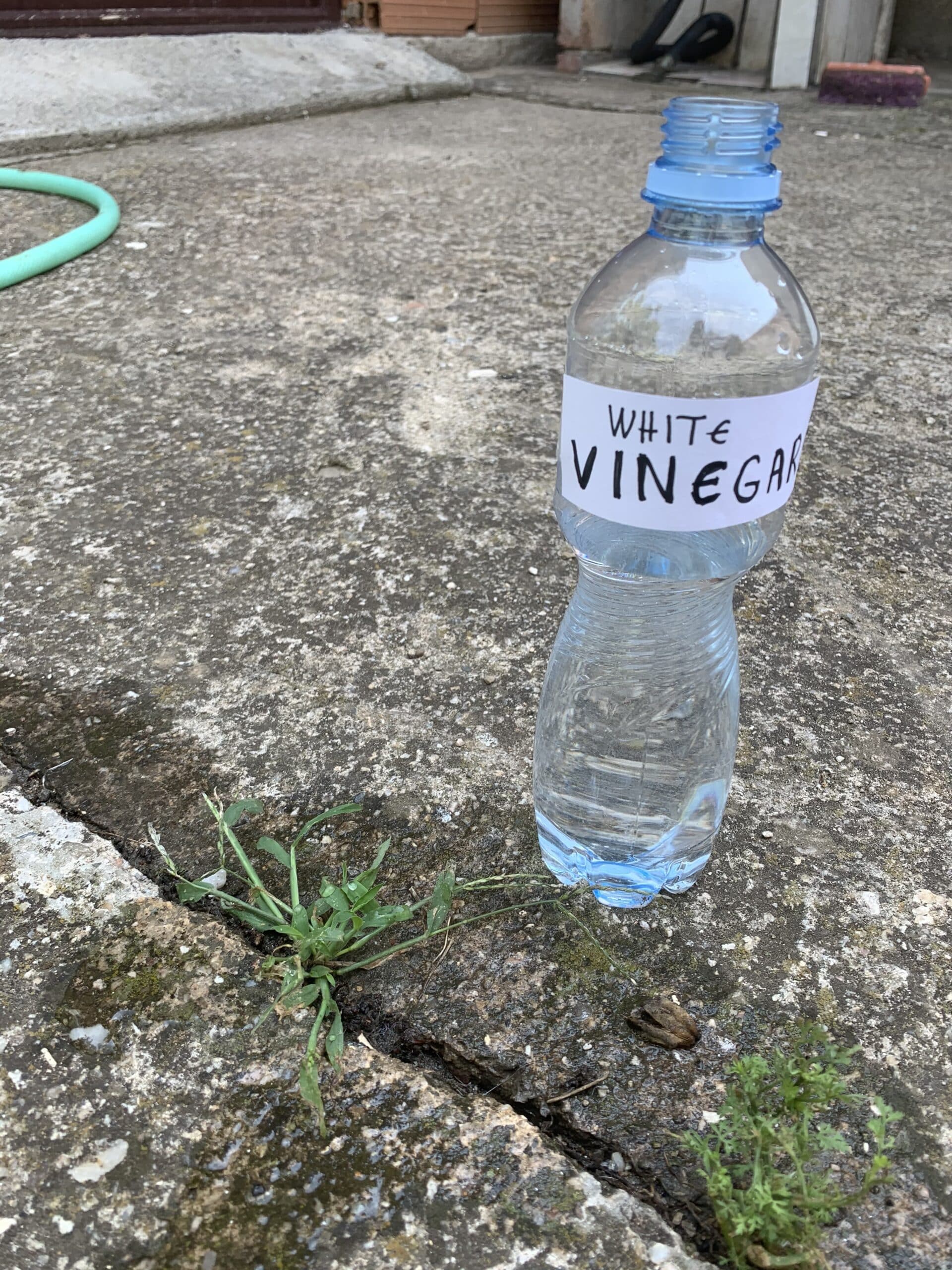
Skip chemical herbicides—spray pure white vinegar directly onto weeds growing along driveways, walkways, or garden edges.
The vinegar dries out the plants, killing them without harming nearby soil if used carefully.
12. Use Citrus Peels for Seed Starting
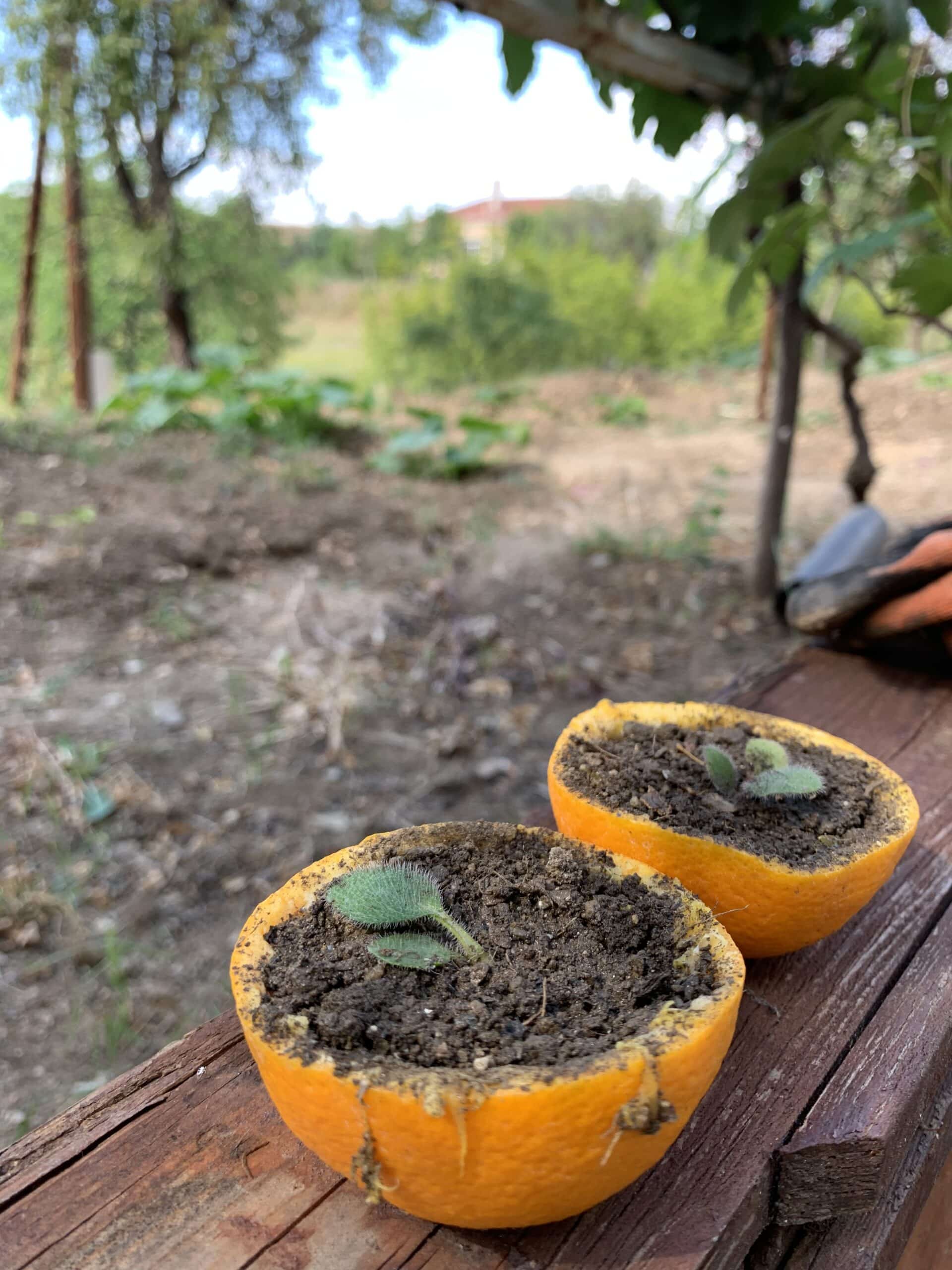
Orange, lemon, and grapefruit peels make perfect biodegradable seed starters.
Simply hollow out a peel half, poke a drainage hole at the bottom, fill it with potting mix, and plant your seeds. When the seedlings are ready, plant the whole thing—peel included—into the ground.
13. Make Fertilizer from Kitchen Scraps
Collect banana peels, coffee grounds, eggshells, and vegetable trimmings to create nutrient-rich compost.
Homemade compost boosts soil health naturally, helping your garden thrive without synthetic chemicals.

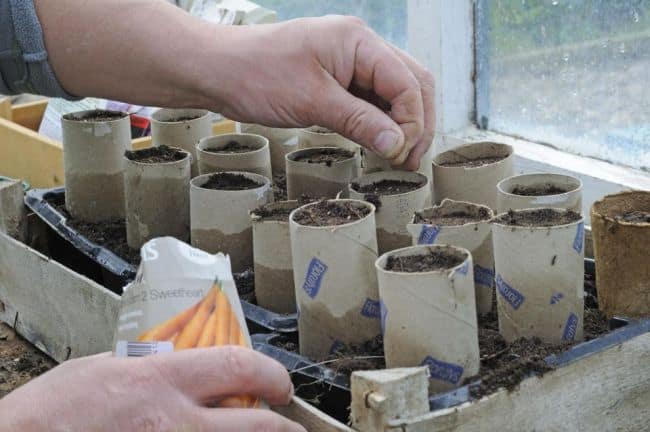
14. Use Toilet Paper Rolls for Starting Seeds
Toilet paper rolls are perfect for eco-friendly seed starters.
Fill the hollow tubes with potting soil, sow seeds inside, and once the seedlings are strong enough, plant the whole roll directly into the ground—it will decompose and enrich the soil.
15. Plant Plastic Forks to Deter Animals
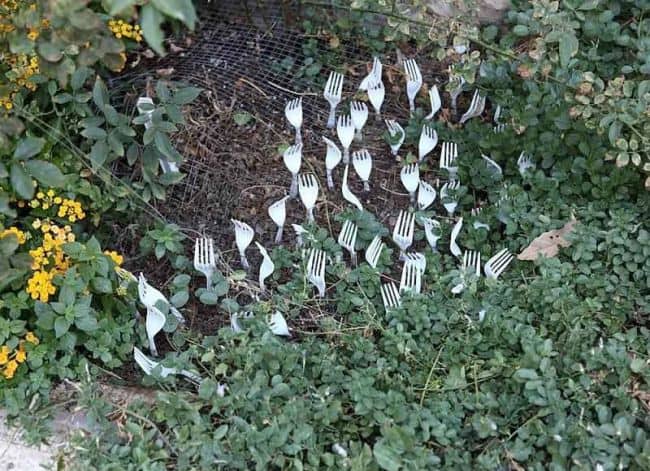
If cats, squirrels, or rabbits are disturbing your garden beds, plant plastic forks handle-down around your plants.
The spiky barrier will deter digging and protect tender seedlings without harming animals.
16. Sprinkle Cinnamon on Seedlings to Prevent Disease
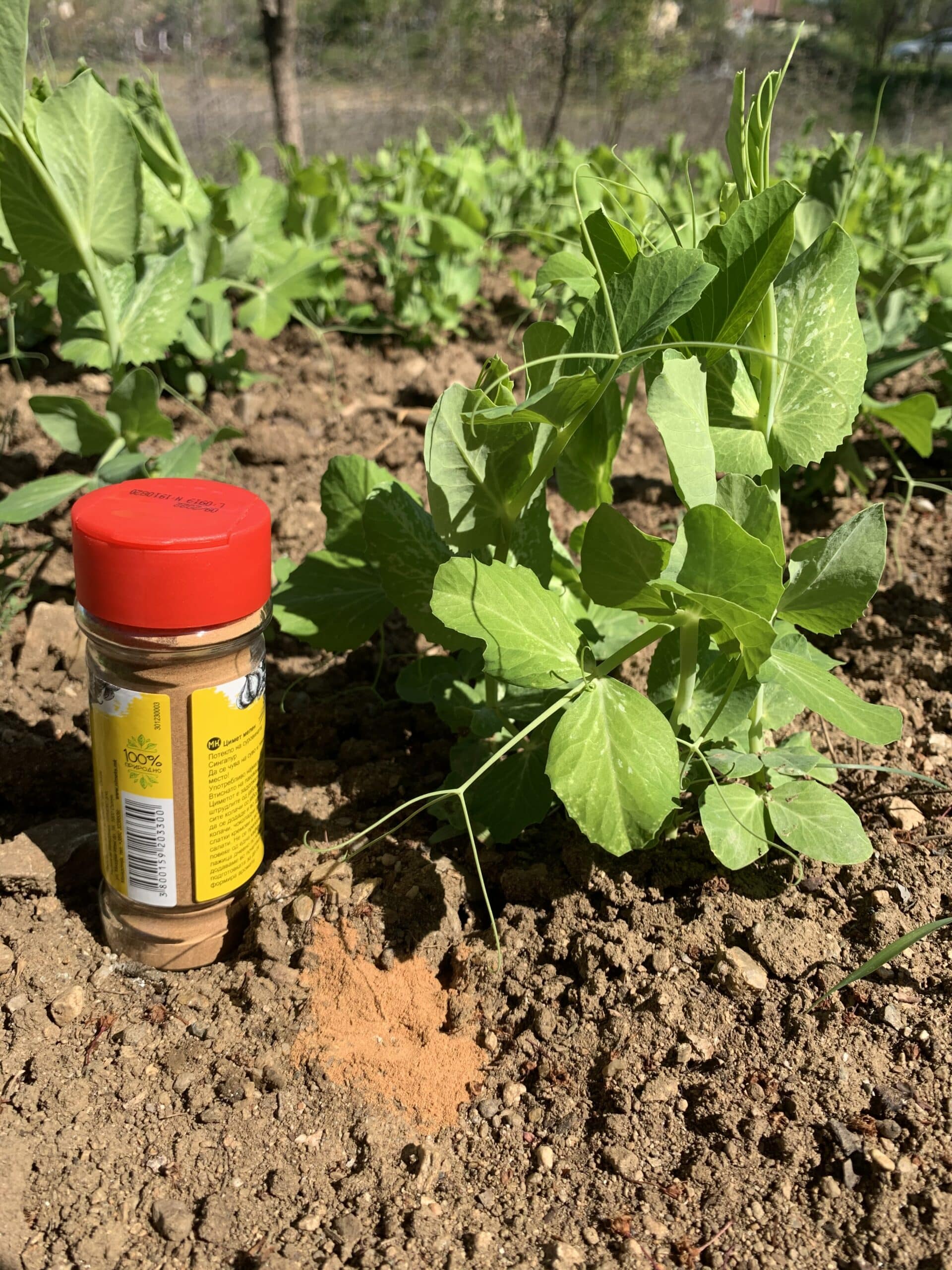
Protect delicate seedlings from fungal infections by sprinkling cinnamon powder on the soil surface.
Cinnamon is a natural antifungal agent and helps prevent common diseases like damping off.
17. Line Pots with Coffee Filters
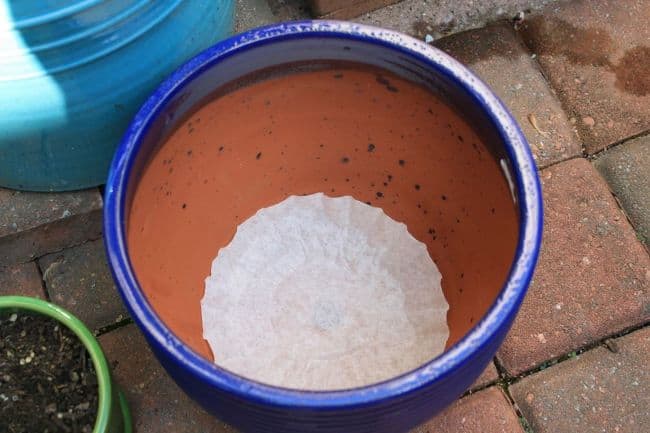
Place a coffee filter inside the bottom of pots before filling with soil.
It will prevent soil from washing out through drainage holes while still allowing excess water to escape, improving plant health.
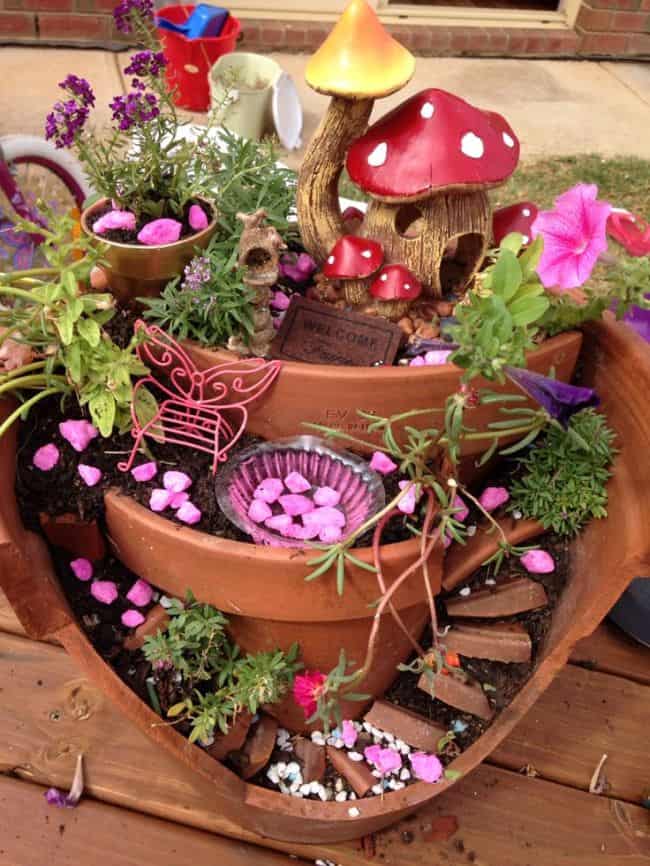
18. Create Fairy Gardens with Broken Pots
Use broken clay pots to design miniature fairy gardens.
Stack shards to create tiny staircases, terraces, and whimsical landscapes—perfect for succulents, mosses, and small decorative figurines.
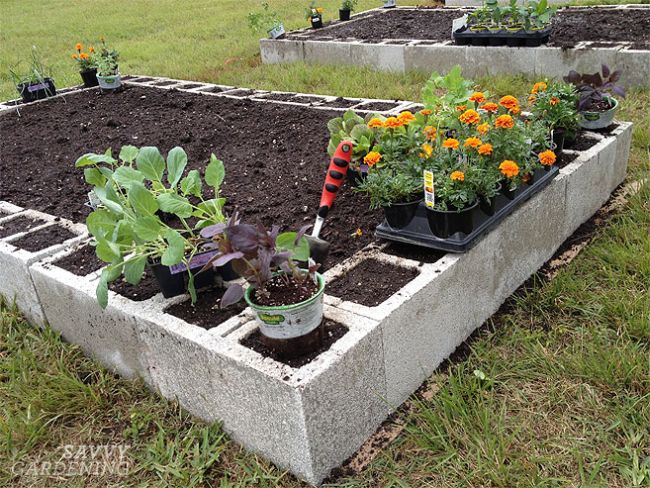
19. Build a Raised Garden Bed with Cement Blocks
Concrete cinder blocks are affordable, durable, and easy to arrange into DIY raised garden beds.
Plus, the holes in the blocks can double as extra planters for herbs or flowers, maximizing your growing space.
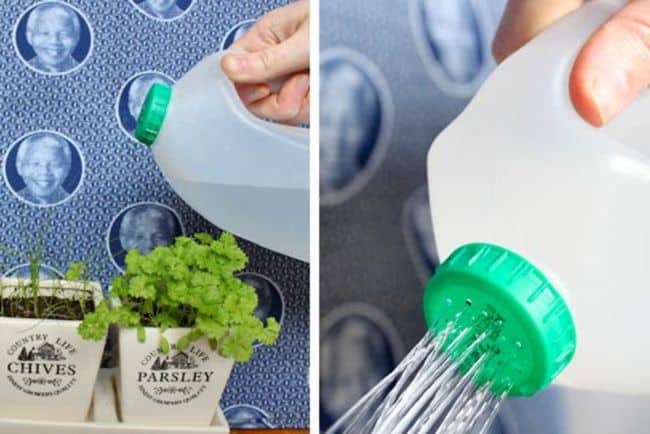
20. Make a Watering Can from a Milk Jug
Don’t throw out that empty milk jug—upcycle it into a homemade watering can!
Poke several small holes in the cap, fill the jug with water, and you have an instant, lightweight watering tool that’s perfect for gentle watering of seedlings and flowers.
Gardening is a rewarding journey filled with creativity, discovery, and endless learning.
Whether you’re nurturing your first tomato plant or designing a lush backyard haven, these smart gardening hacks can help make the experience easier, more sustainable, and a lot more fun.
By using simple DIY tricks, repurposed household items, and nature-friendly solutions, you’ll be well on your way to creating a beautiful, thriving garden that brings you joy for seasons to come.