Gardeners invest countless hours into growing lush, productive vegetable gardens—only to have their efforts sabotaged by pests.
Whether it’s insects chewing leaves or animals digging up roots, unwanted intruders can destroy crops overnight.
Since you can’t guard your garden 24/7, the next best thing is to implement smart, low-effort pest control solutions that keep pests at bay—naturally.
These simple, inexpensive hacks use household items and organic solutions to protect your plants without relying on synthetic pesticides.
From neem oil sprays to surprising tricks with Irish Spring soap and coffee grounds, here’s how to make your garden a no-go zone for common pests.
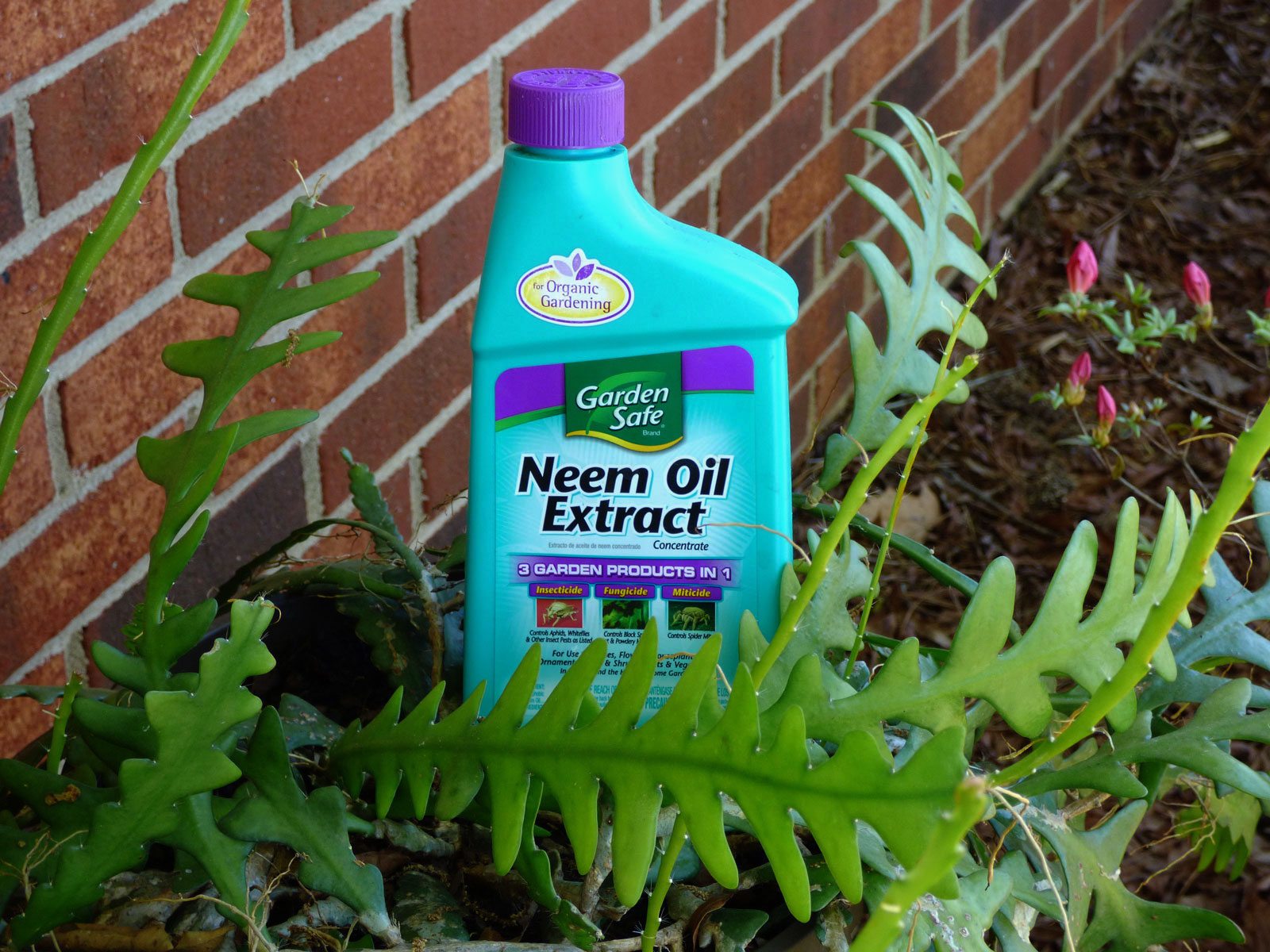
1. Neem Oil – A Natural, All-Purpose Insect Repellent
Neem oil is one of the most powerful organic pest deterrents available. Derived from the neem tree, it works by disrupting insect life cycles—preventing them from feeding, growing, or reproducing.
How to use it:
- Mix 1 teaspoon of neem oil, 1/2 liter of water, and a few drops of mild liquid detergent in a spray bottle.
- Shake the mixture well and let it sit for about 8 hours to fully emulsify.
- Spray the solution directly on the leaves, stems, and surrounding soil of affected plants.
- Apply every 7–10 days for ongoing protection or after heavy rainfall.
Neem oil is effective against aphids, spider mites, whiteflies, caterpillars, and more—making it a go-to for organic gardeners.
2. Soap and Water Spray to Eliminate Aphids
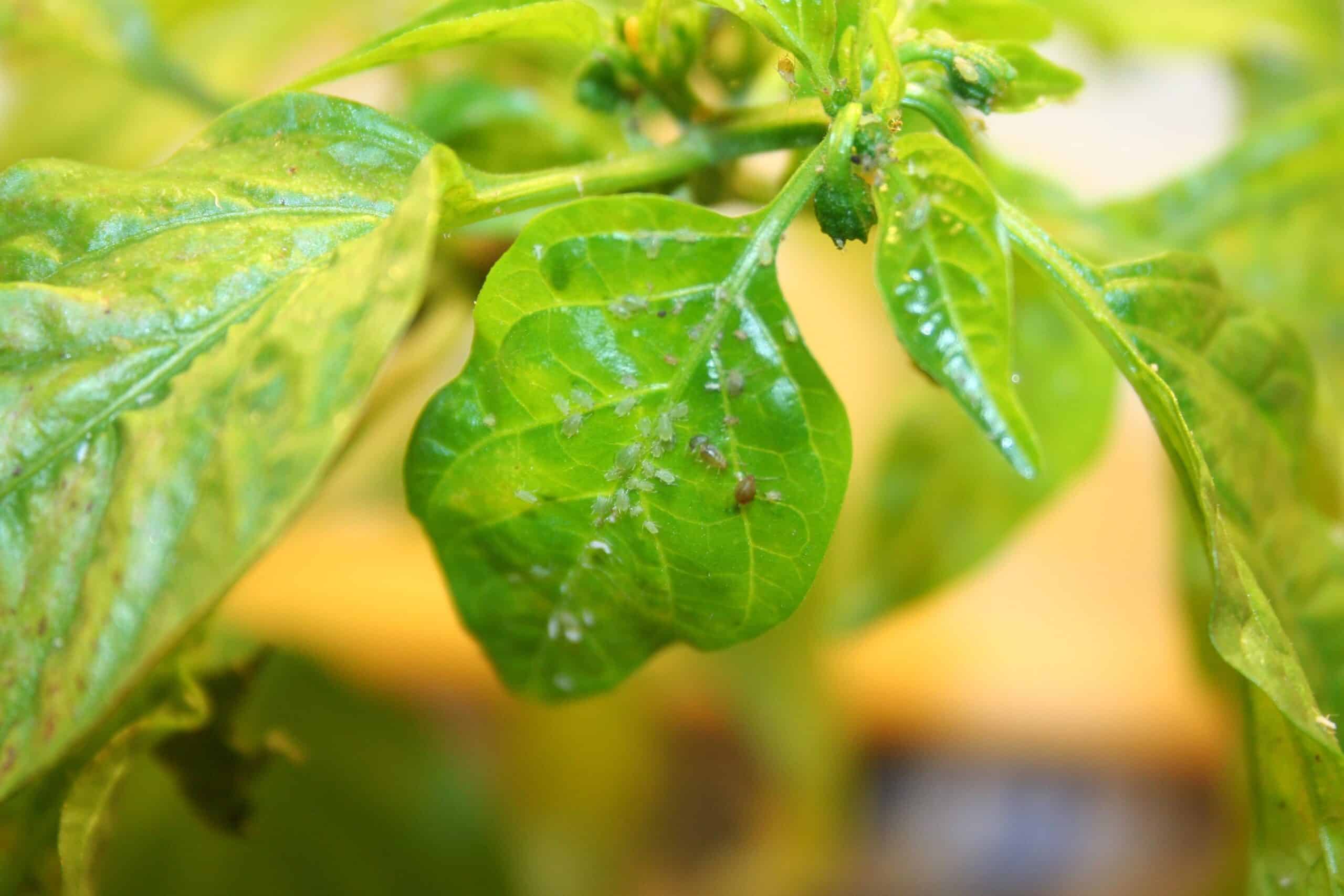
Aphids are small, soft-bodied insects that cluster on stems and undersides of leaves, sucking plant sap and spreading disease.
Thankfully, they’re easy to control with something as simple as dish soap.
How to make it:
- Mix 2 tablespoons of mild liquid dish soap into 1 gallon of water.
- Spray generously over infected plants, focusing on areas where aphids cluster.
The soapy solution dissolves the waxy coating on aphids, causing them to dehydrate and die.
Repeat every few days as needed. This is a gentle, effective remedy that won’t harm beneficial insects if used sparingly.
3. Control Ants with Borax and Honey
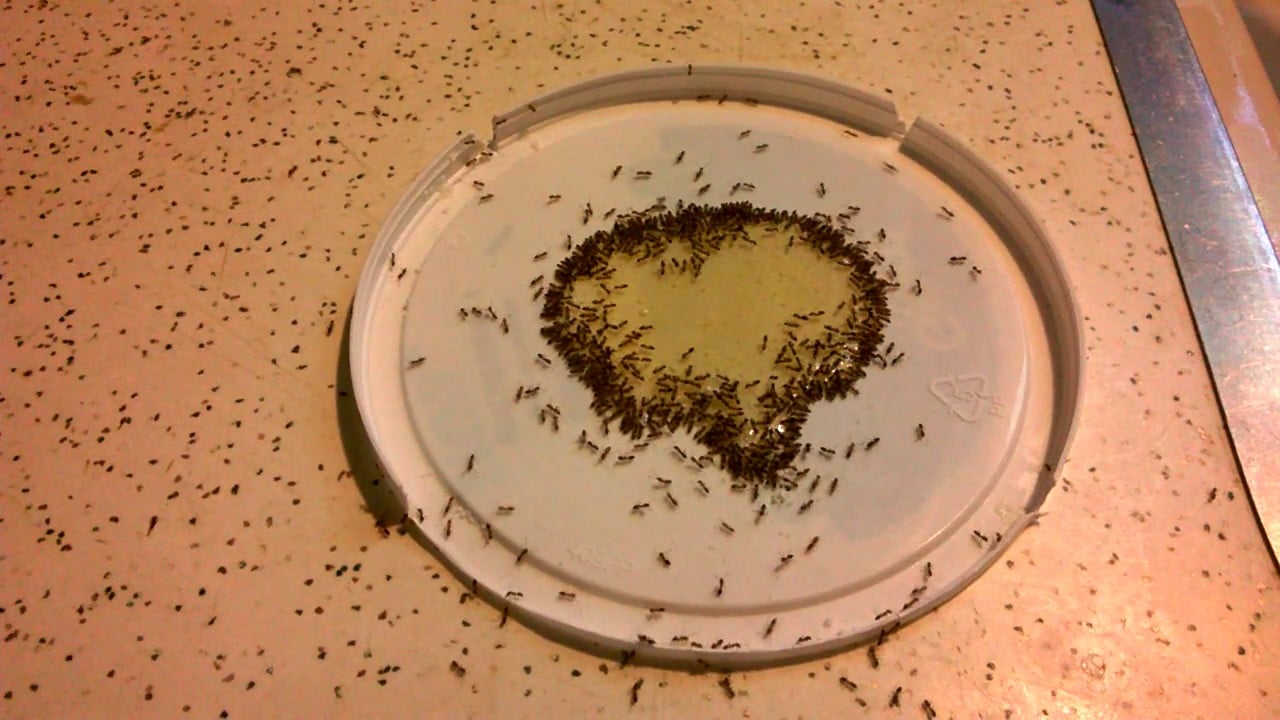
Ants aren’t usually harmful to plants, but they can indirectly damage your garden by protecting aphids—farming them for their sugary secretions (honeydew). To cut off this cycle, tackle the ant problem early.
DIY ant bait:
- Mix equal parts borax and honey to form a sticky paste.
- Apply small amounts near the base of aphid-infested plants or near visible ant trails.
The sweet scent attracts ants, but borax is lethal to them. They bring it back to the colony, effectively eliminating the infestation over time. Be careful when using this mixture around children and pets.
4. Use Coffee Grounds to Deter Slugs and Snails
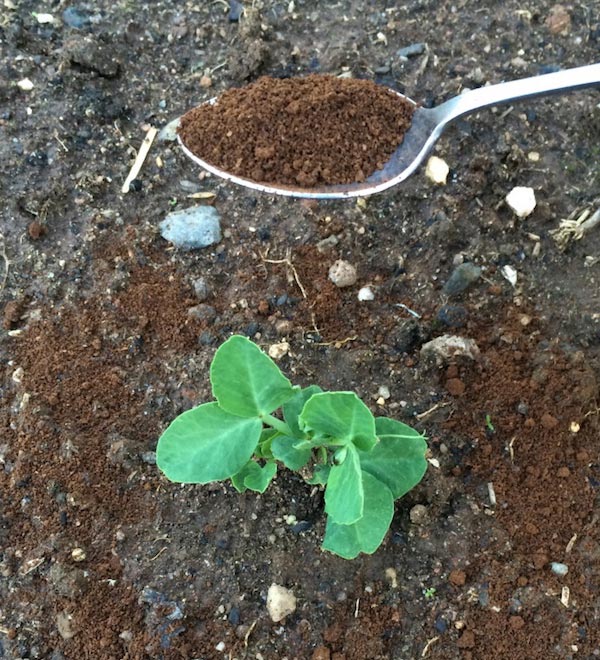
Slugs and snails are notorious for chewing through tender seedlings and leafy greens. Sprinkle used coffee grounds around the base of vulnerable plants to create a natural barrier.
Why it works:
- The texture of coffee grounds is abrasive to soft-bodied pests.
- The slight acidity in the grounds further discourages slugs.
- Coffee is high in nitrogen and can also act as a mild fertilizer.
Refresh the grounds every few days or after watering. Not only will you reduce slug damage, but you’ll also add nutrients back into your soil.
5. Stop Ants and Weeds with Cornmeal
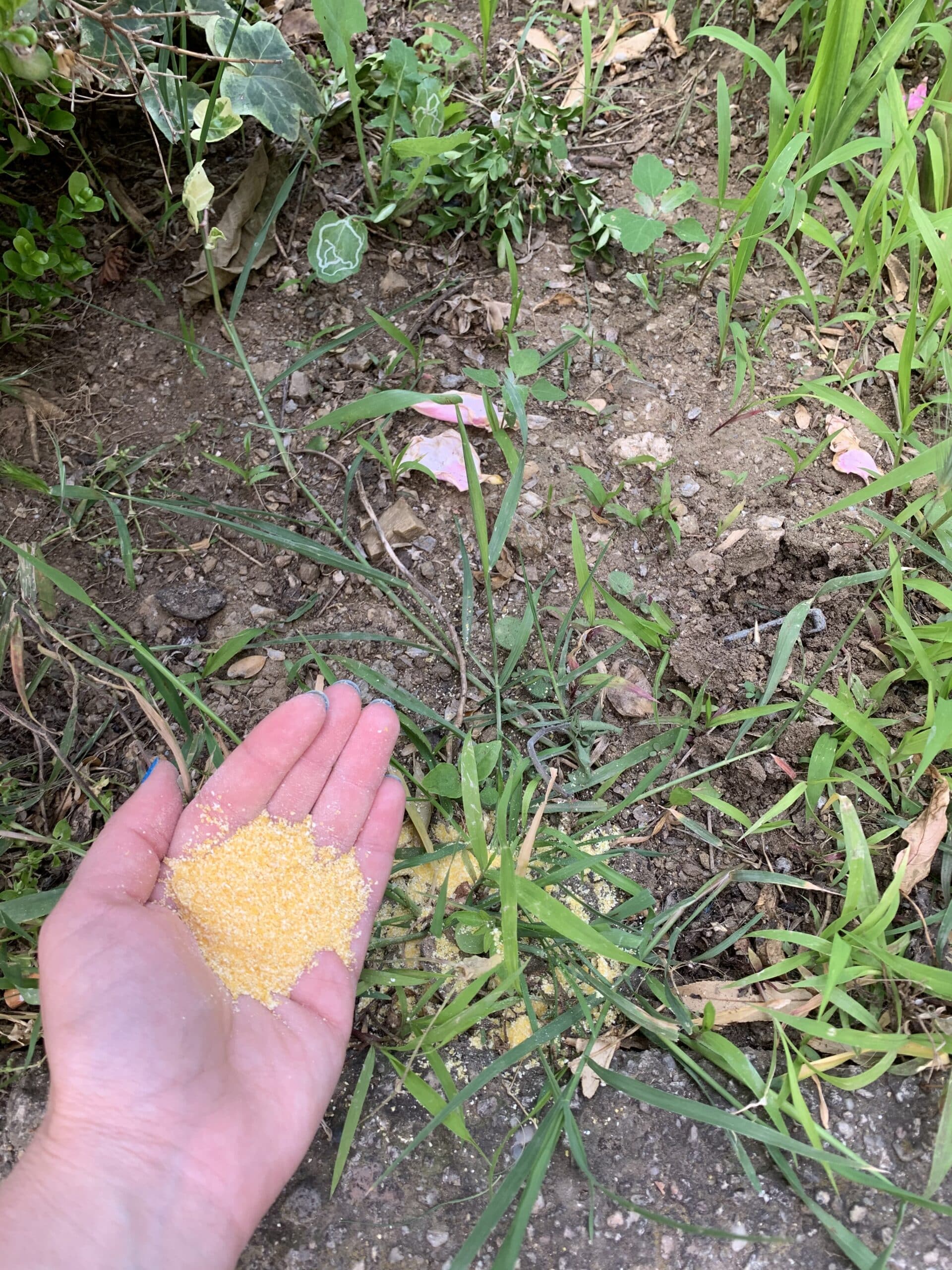
Cornmeal does double duty in the garden: it helps control ants and also suppresses weed seed germination when used strategically.
How to use cornmeal:
- Sprinkle around the base of plants or on ant trails.
- Ants are drawn to it, but they can’t digest it and eventually die off.
- Cornmeal also works as a pre-emergent weed control agent, especially when applied in early spring.
Be sure to avoid areas where you’re planting seeds, as cornmeal may also inhibit their growth.
6. Repel Animals with Plastic Forks
If animals like squirrels, rabbits, or raccoons are digging up your seedlings or munching on young plants, this fork hack is a cheap and surprisingly effective deterrent.
What to do:
-
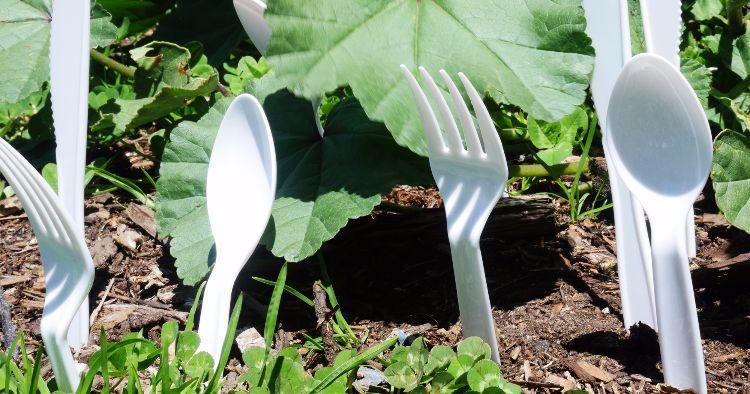
Stick plastic forks into the soil, prongs-up, spaced a few inches apart around the plants you want to protect.
The pokey barrier makes it uncomfortable for small animals to navigate, encouraging them to move on. Forks are inexpensive, weatherproof, and easy to rearrange as needed.
7. Irish Spring Soap to Repel Rabbits and Deer
Looking for a rainproof way to keep larger mammals like rabbits and deer out of your garden? Irish Spring soap has a strong scent that these animals find offensive.
How to use it:
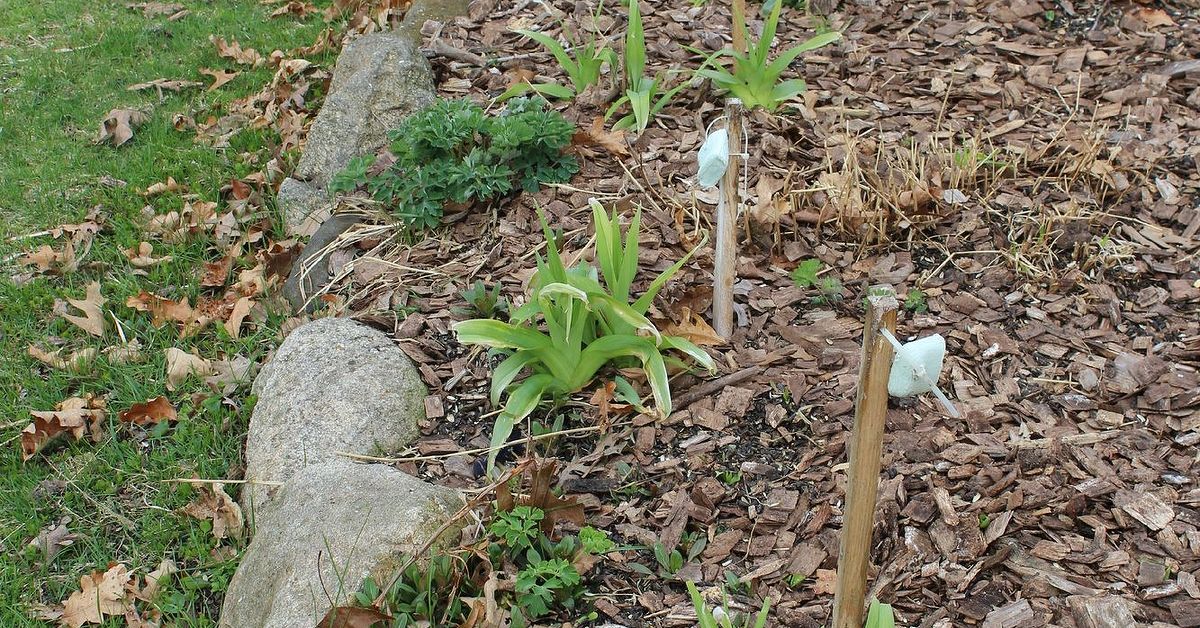
- Cut a bar of Irish Spring soap into small chunks.
- Place the pieces in mesh bags or old pantyhose and hang them around your garden.
- You can also stake pieces of soap near garden borders.
Unlike many homemade repellents, Irish Spring doesn’t wash away easily in the rain, making it a low-maintenance option for ongoing protection.
8. Bonus Tip: Plant Companion Herbs That Repel Pests
Incorporating strong-smelling herbs into your garden can help naturally deter pests while enhancing your harvest.
Consider planting:
- Basil near tomatoes to repel flies and mosquitoes
- Thyme to ward off cabbage loopers
- Mint to repel ants and aphids (keep it in containers to prevent spreading)
- Marigolds to keep away nematodes, aphids, and beetles
This companion planting method not only protects your crops but also enhances biodiversity in your garden, attracting beneficial insects like ladybugs and lacewings.
You don’t need synthetic sprays or commercial deterrents to protect your vegetable garden from pests.
These simple, natural pest control hacks give you effective solutions using items you likely already have at home—saving you money and reducing your reliance on chemical treatments.
Whether it’s using neem oil to stop insect eggs from hatching, coffee grounds to fend off slugs, or Irish Spring soap to keep deer at bay, these clever gardening tricks help you preserve your crops with minimal effort.
The best part? They’re safe, sustainable, and easy to implement—no professional pest control service required.