A thriving garden doesn’t always require expensive fertilizers, chemical treatments, or specialty soil amendments.
In fact, some of the most powerful tools for healthier plants and bigger harvests may already be sitting in your kitchen.
From fruit peels to used coffee grounds, everyday kitchen scraps and items can naturally enrich your soil, deter pests, and boost plant growth.
Reusing food waste and common household products not only helps reduce what you throw away, but also turns your home into a more sustainable, eco-friendly space.
Whether you’re growing vegetables, herbs, or flowers, these seven kitchen items can become your garden’s secret weapon.
Here’s how you can make the most of them.
1. Coffee Grounds
Used coffee grounds are a powerhouse in the garden. Rich in nitrogen, they make an excellent slow-release fertilizer and help feed the beneficial microorganisms in your soil.
Coffee grounds can improve soil structure, encourage earthworm activity, and help balance pH in certain types of soil.
Sprinkle coffee grounds directly onto your soil, or mix them with compost to give your pile a nitrogen boost. They’re especially helpful for acid-loving plants like tomatoes, blueberries, azaleas, and roses.
Just be sure not to overdo it—too much can compact the soil or throw off the pH balance.
2. Banana Peels
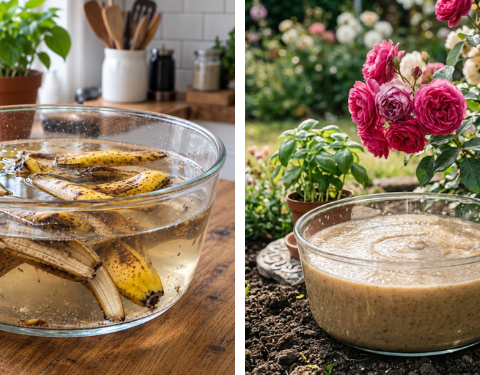
Banana peels are high in potassium, calcium, and phosphorus—nutrients that help strengthen root systems, promote flowering, and increase fruit production.
They decompose quickly and release these minerals directly into the soil as they break down.
You can chop banana peels and bury them a few inches into the soil near the base of your plants, or blend them into a smoothie-like mixture with water and pour it directly into the garden.
They’re especially beneficial for plants like peppers, tomatoes, and roses that thrive on potassium-rich soil.
3. Eggshells
Eggshells are made primarily of calcium carbonate, making them a valuable resource for strengthening plant cell walls and preventing problems like blossom end rot in tomatoes and peppers.
When finely crushed, eggshells can also deter soft-bodied pests like slugs and snails due to their sharp texture.
To use them in your garden, rinse and dry your eggshells, crush them into small pieces or grind them into powder, and sprinkle them around the base of your plants.
You can also add them to compost piles or steep them in water to create a homemade calcium-rich “tea” for watering plants.
4. Used Tea Bags and Loose Leaf Tea
Tea leaves are a gentle, natural fertilizer that slowly adds nutrients to the soil. They’re rich in nitrogen and other organic compounds that enhance microbial activity, improve drainage, and help break down organic matter in compost.
Remove any staples from tea bags before burying them in the soil or compost. Make sure the bags are made of biodegradable material.
Used tea can be worked into the topsoil or placed around plants as a mild mulch. It’s especially beneficial for ferns, roses, and other acid-loving plants.
5. Vegetable Scraps
While not all vegetable scraps can be used directly in your garden, many are perfect for composting.
Scraps like carrot tops, potato peels, onion skins, and celery ends add a healthy dose of nitrogen to compost piles and break down quickly to feed your garden.
If you want an even more immediate benefit, some scraps like green onion bases, garlic cloves, and lettuce cores can be regrown in water and later transplanted into soil. This reduces waste and gives you a head start on your next harvest.
6. Cooking Water
Don’t pour your cooking water down the drain. Water used to boil vegetables, pasta, or eggs is often rich in nutrients that leach out during the cooking process.
Once the water cools, you can use it to water your garden, especially container plants and herbs.
This mineral-rich water can provide a mild boost of calcium, phosphorus, and magnesium. However, avoid using salted water, as excess salt can damage roots and dehydrate plants.
Stick to plain water from boiling produce, and let it cool completely before applying to your plants.
7. Stale Bread or Rice
Though it may seem odd, stale bread and overcooked or old rice can benefit your compost pile.
Carbohydrates break down quickly and provide a good source of carbon in your compost, which balances the nitrogen from green materials like grass clippings and vegetable peels.
Be cautious, though—don’t add large quantities or throw in moldy bread, as this can attract pests.
Instead, bury small amounts in the center of your compost pile where the heat and microbes can safely break them down. Avoid processed breads with added sugars or preservatives.
The path to a healthier, more productive garden might begin right in your kitchen.
By repurposing items like coffee grounds, banana peels, eggshells, and tea bags, you can feed your soil, support plant growth, and create a thriving garden ecosystem without the need for synthetic fertilizers.
These kitchen items not only reduce food waste but also enhance your garden’s health naturally.
Whether you compost them, bury them, or brew them into nutrient-rich teas, you’ll be giving your garden the gift of nutrition—straight from your home.