Growing your own food is one of the most rewarding and cost-effective hobbies you can take up. It not only ensures a steady supply of fresh, organic produce but also helps reduce your grocery bills.
However, it’s easy to fall into the trap of overspending on garden supplies, tools, soil amendments, and plants.
The truth is, gardening doesn’t have to be expensive. In fact, many of the most successful home gardeners rely on simple, sustainable, and budget-friendly strategies to keep costs low while maintaining a productive and beautiful space.
Here are 10 highly effective money-saving gardening tips that will help you cut unnecessary costs and make the most of your garden—without compromising on quality or yield.
1. Make Your Own Compost at Home
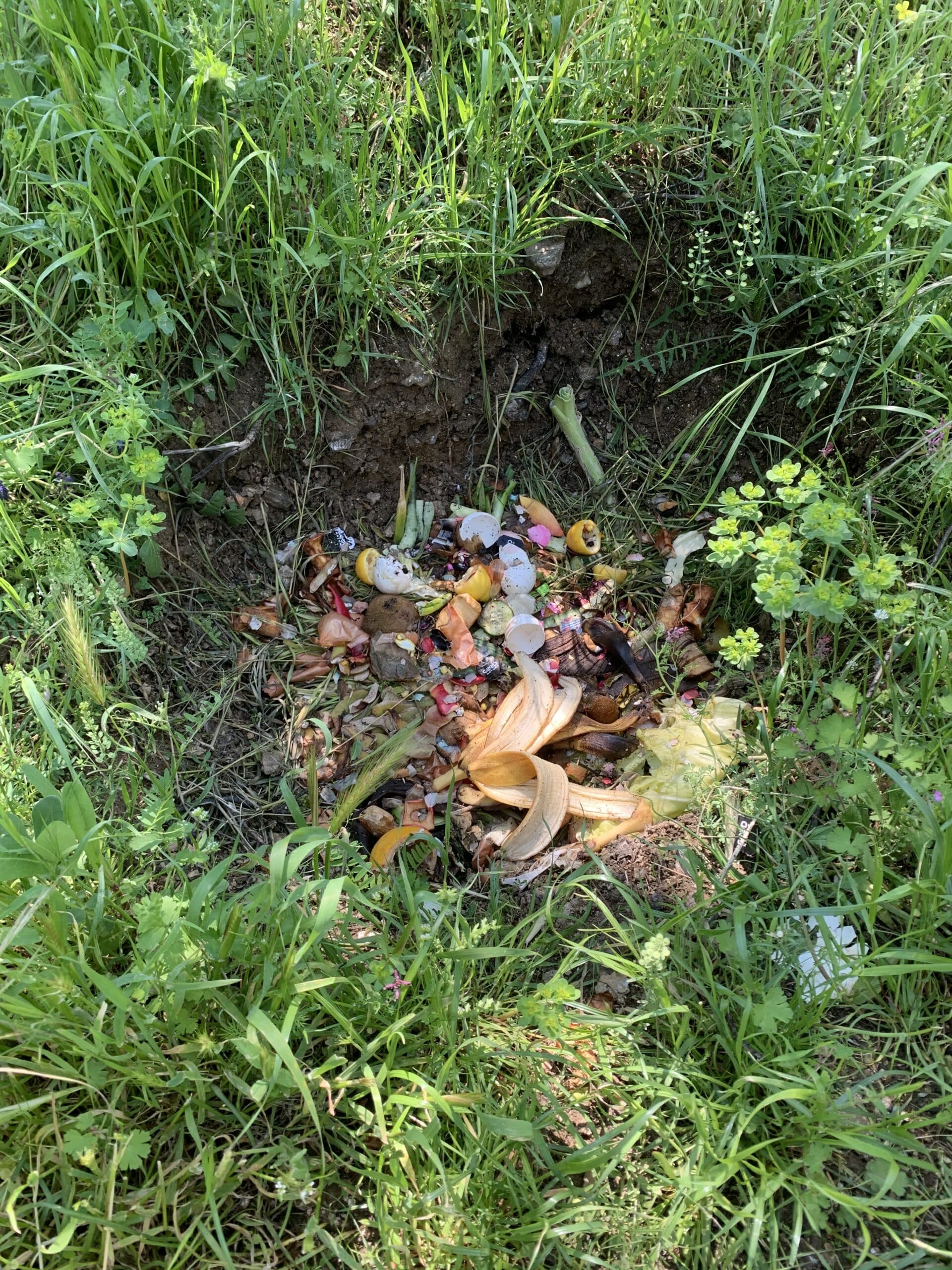
One of the easiest ways to save money in the garden is by creating your own compost instead of buying commercial bags repeatedly.
Composting not only reduces household waste but also gives you a rich, nutrient-dense soil amendment that improves plant health and soil fertility.
What You Can Compost:
- Kitchen scraps (vegetable peels, fruit scraps, eggshells)
- Grass clippings
- Dried leaves and twigs
- Coffee grounds and tea bags
- Shredded paper and cardboard (avoid glossy paper)
Bonus Tip:
Use a simple compost bin or even a DIY compost pile in a corner of your yard. Turn the pile regularly to speed up decomposition.
2. Grow in Burlap Bags and Recycled Containers
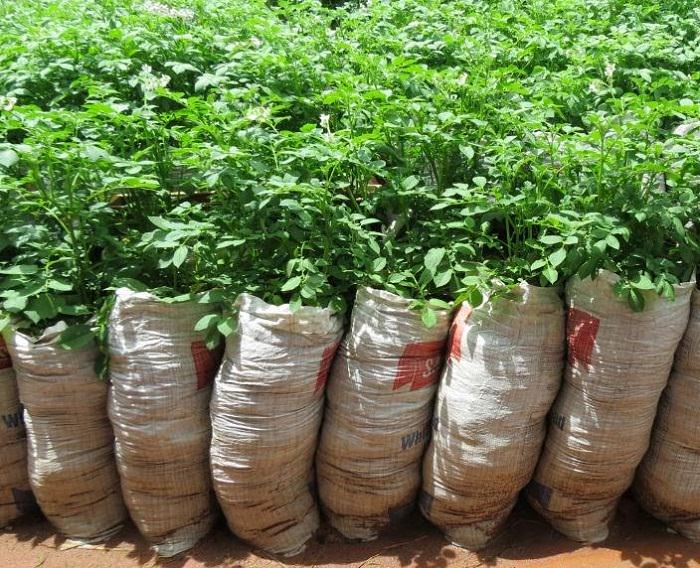
Instead of spending money on decorative pots or expensive raised beds, grow your plants in burlap bags, sacks, or reused containers like buckets, crates, and old storage bins.
These alternatives are inexpensive, easy to move, and perfect for vegetables like potatoes, herbs, or leafy greens.
Advantages:
- Promote good drainage
- Easy to transport
- Can be repurposed year after year
This is one of the most affordable ways to expand your garden when you’re short on space.
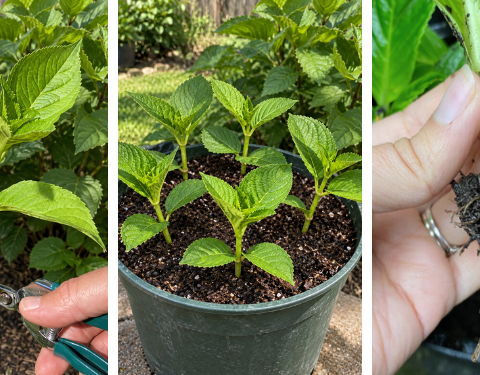
3. Propagate Your Plants Instead of Buying New Ones
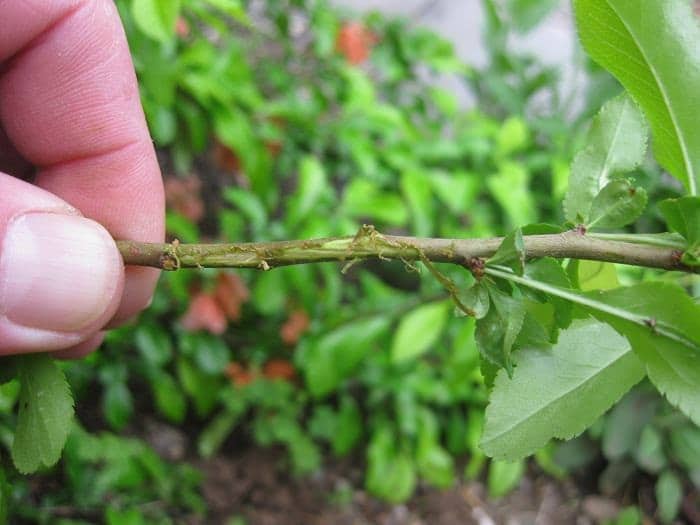
Want more plants for free? Learn the art of plant propagation—a smart way to multiply your garden without spending a dime.
Easy Propagation Methods:
- Stem cuttings (mint, basil, pothos, tomatoes)
- Leaf cuttings (succulents, African violets)
- Division (hostas, daylilies, herbs)
- Layering or offsets (strawberries, aloe)
By multiplying your own plants, you’ll reduce your gardening expenses significantly over time.
4. Use Mulch to Save Water and Block Weeds
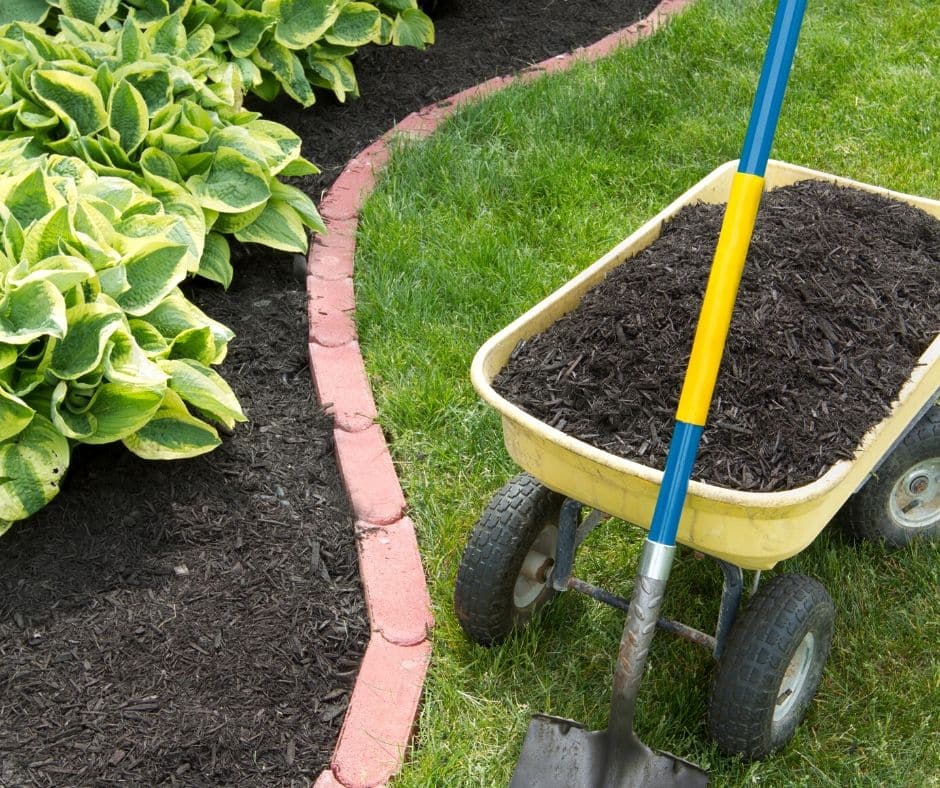
Mulching is a powerful money-saving technique that helps you cut costs on water, weed control, and soil amendments.
Benefits of Mulch:
- Retains moisture in the soil, reducing watering needs
- Prevents weed growth (no more herbicide costs)
- Protects plant roots from extreme temperatures
- Improves soil structure over time
Use organic mulch materials like straw, shredded leaves, bark, or grass clippings—many of which are free or already available in your yard.
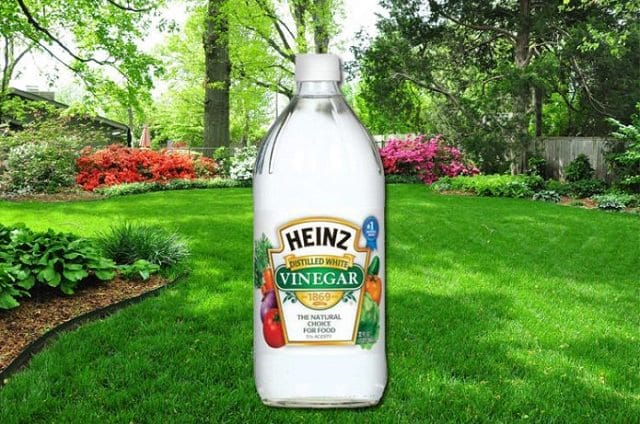
5. Use Vinegar as a Natural Garden Helper
Vinegar is a versatile and cost-effective garden remedy. It can be used as a mild weed killer, a natural cleaning agent for tools and pots, and even as a pest repellent.
Garden Uses of Vinegar:
- Spray diluted vinegar on weeds (avoid near desired plants)
- Clean mineral buildup from clay pots
- Repel ants, snails, and cats
By using vinegar, you’ll reduce your dependency on costly chemical herbicides and cleaning products.
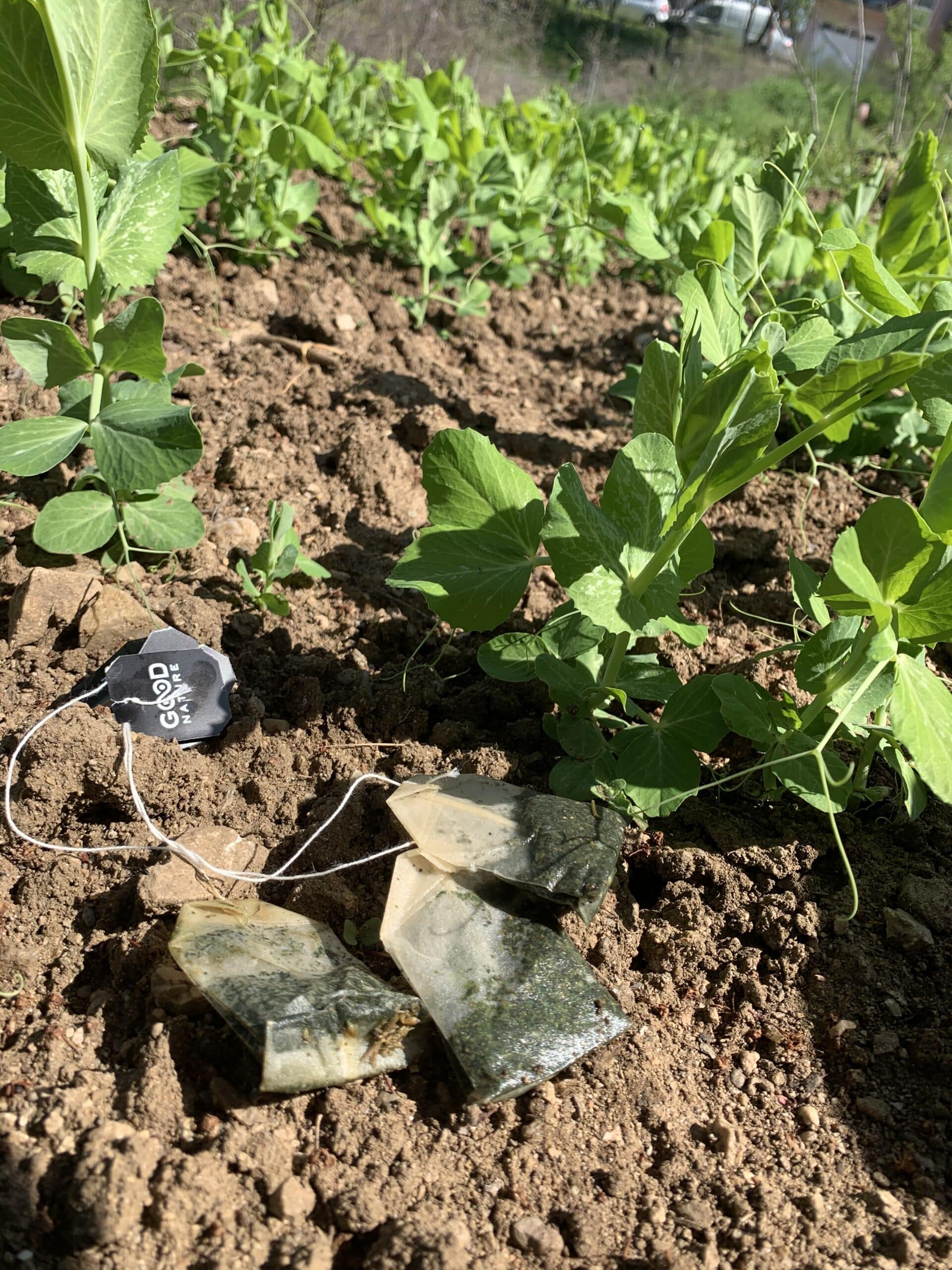
6. Add Coffee Grounds and Tea Bags to the Soil
Instead of tossing your used coffee grounds or tea bags, put them to work in the garden.
Benefits:
- Coffee grounds add nitrogen to compost and soil
- Tea bags improve soil structure and help retain moisture
- Both attract earthworms, which aerate and enrich the soil naturally
This easy strategy can reduce your reliance on store-bought fertilizers and enrich your garden soil at no extra cost.
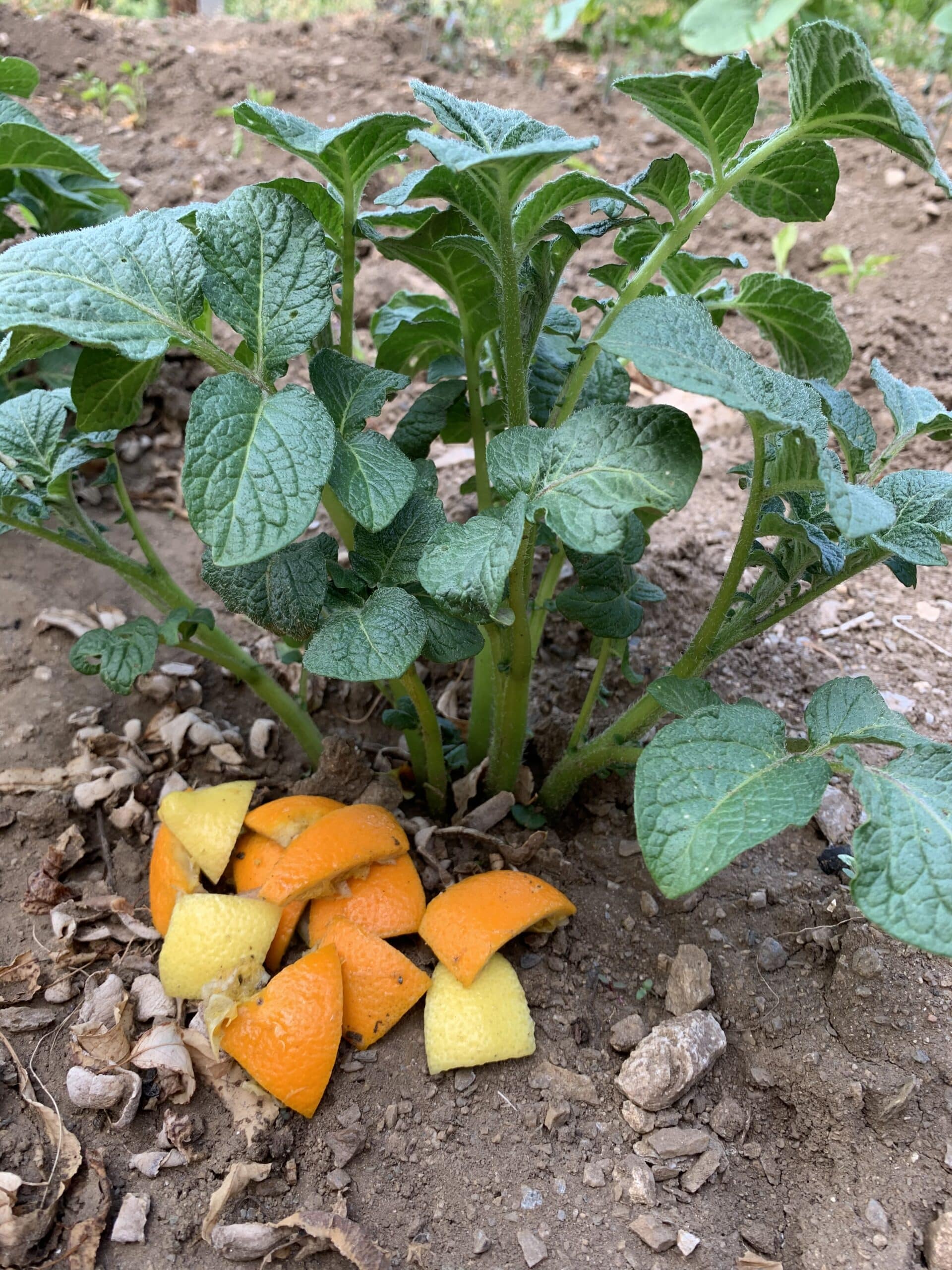
7. Repel Pests with Citrus Peels
Citrus peels (from oranges, lemons, or limes) offer a natural alternative to chemical pesticides. When chopped and spread around the base of plants, they can help deter ants, aphids, slugs, and even stray cats.
How to Use:
- Cut peels into small pieces
- Scatter around the base of pest-prone plants
- Replace every few days for continued effectiveness
While not as powerful as synthetic sprays, citrus peels are a safe, eco-friendly way to manage mild pest issues.
8. Use Cooking Water as a Fertilizer
After boiling vegetables, rice, or eggs, don’t pour the water down the drain. Instead, allow it to cool and use it to water your plants.
Why It Works:
- Vegetable cooking water contains residual nutrients like potassium and calcium
- Egg water is rich in calcium, which supports strong plant cell walls
This is a simple and free alternative to liquid fertilizers, especially for leafy greens and flowering plants.
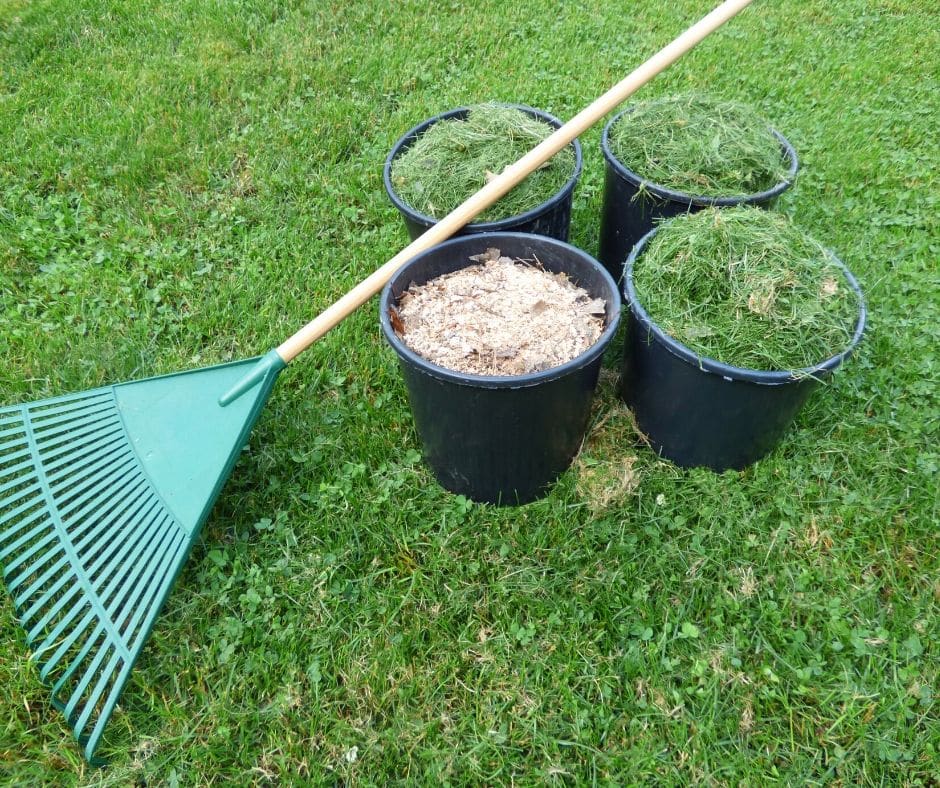
9. Leave Grass Clippings on the Lawn
After mowing your lawn, skip bagging and dumping the clippings. Instead, leave them where they fall to naturally fertilize your lawn.
Benefits of Grasscycling:
- Returns nitrogen and moisture to the soil
- Reduces the need for commercial lawn fertilizers
- Saves time and labor
Studies show this method can cut fertilizer needs by up to 25% annually.
10. Use Bricks for Budget-Friendly Landscaping
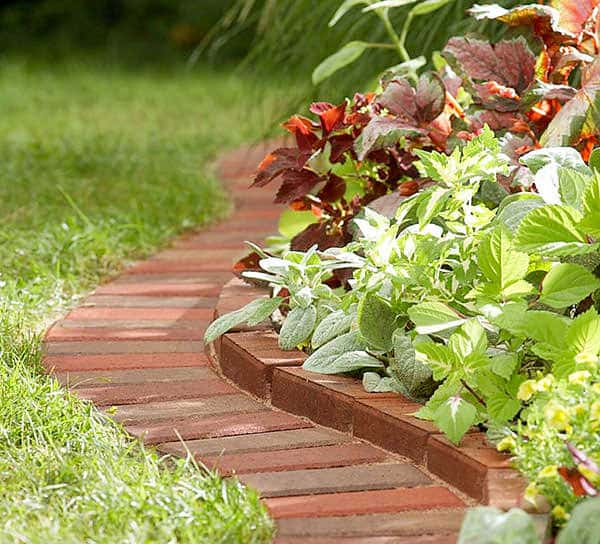
Bricks are one of the most affordable and versatile materials for garden design. Whether new or reclaimed, bricks can help you create pathways, garden edging, or even low-cost raised beds.
Brick Landscaping Ideas:
- Define flower beds or garden zones
- Build a rustic path or walkway
- Stack bricks to create a compost bin or planter wall
Their durability and timeless appeal make bricks a long-term investment for your landscape.
Gardening doesn’t have to drain your wallet. With a little creativity and resourcefulness, you can build a productive and visually pleasing garden without spending a fortune.
From homemade compost and recycled containers to natural pest control and free fertilizers, these money-saving gardening tips will help you garden smarter, not harder.
Start implementing a few of these ideas today and watch your garden—and your savings—grow!