Every gardener dreams of a lush, colorful garden filled with vibrant flowers in full bloom. While many plants are grown purely for their decorative value, achieving consistent and abundant flowering requires more than just planting and hoping for the best.
The good news is, with a little knowledge and attention, you can encourage your garden plants to bloom more often, more vividly, and for longer periods.
In this article, we’ll share 7 effective tips to help your flowers and plants bloom better.
These gardening practices are easy to implement and can dramatically improve the health and flowering potential of your garden—whether you’re growing in beds, borders, containers, or hanging baskets.
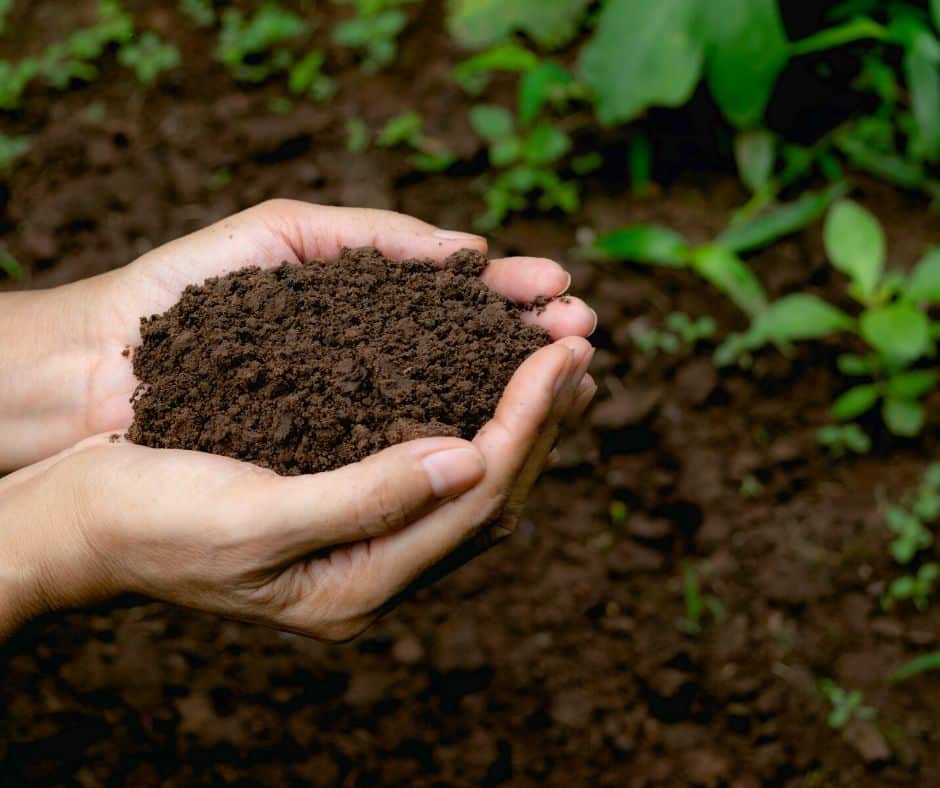
1. Use High-Quality Soil Rich in Organic Matter
The foundation of healthy, blooming plants starts with the soil. Plants require a nutrient-rich environment to support root development and flower production.
Using light, well-draining soil enriched with compost and organic manure ensures that your plants have access to the essential nutrients they need for healthy growth and vibrant blooms.
-
Amend your soil with aged compost, worm castings, or well-rotted manure before planting.
-
Organic matter improves soil structure, increases moisture retention, and promotes beneficial microbial activity.
-
For container gardening, choose a high-quality potting mix specifically formulated for flowering plants.
Pro Tip: Add bone meal or rock phosphate to your soil as a natural source of phosphorus, which encourages flower development.
2. Deadhead Spent Blooms Regularly
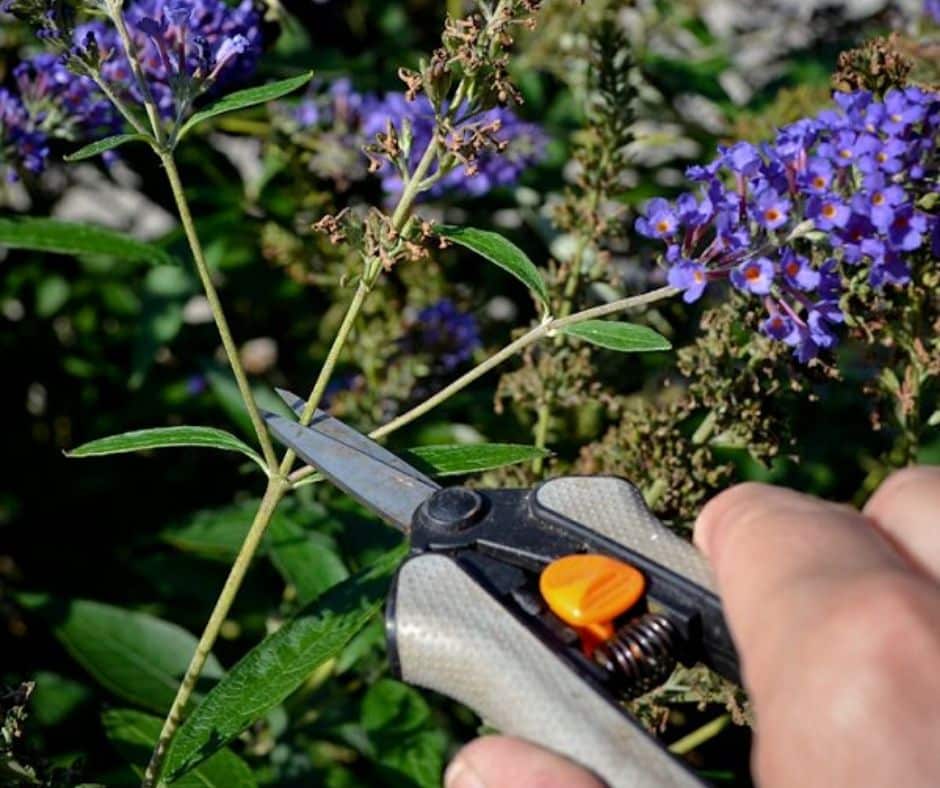
Deadheading—or removing wilted, faded, or spent flowers—is one of the simplest yet most effective techniques to stimulate blooming.
When a plant finishes blooming and the flowers begin to die off, it will naturally shift energy toward seed production.
By removing these spent blooms, you redirect the plant’s energy back into producing new flowers.
-
Deadheading prevents seed formation, which signals the plant to continue blooming.
-
It helps improve the plant’s appearance and prevents pest infestations, as dead flowers attract unwanted insects.
-
Use clean, sharp scissors or pruners to snip flowers just above a healthy leaf set.
Pro Tip: Some plants, like petunias or zinnias, respond dramatically to regular deadheading, producing blooms continuously until fall.
3. Apply the Right Fertilizers for Blooming
Fertilization plays a major role in flower production. Blooming plants are heavy feeders, especially during their peak growing season.
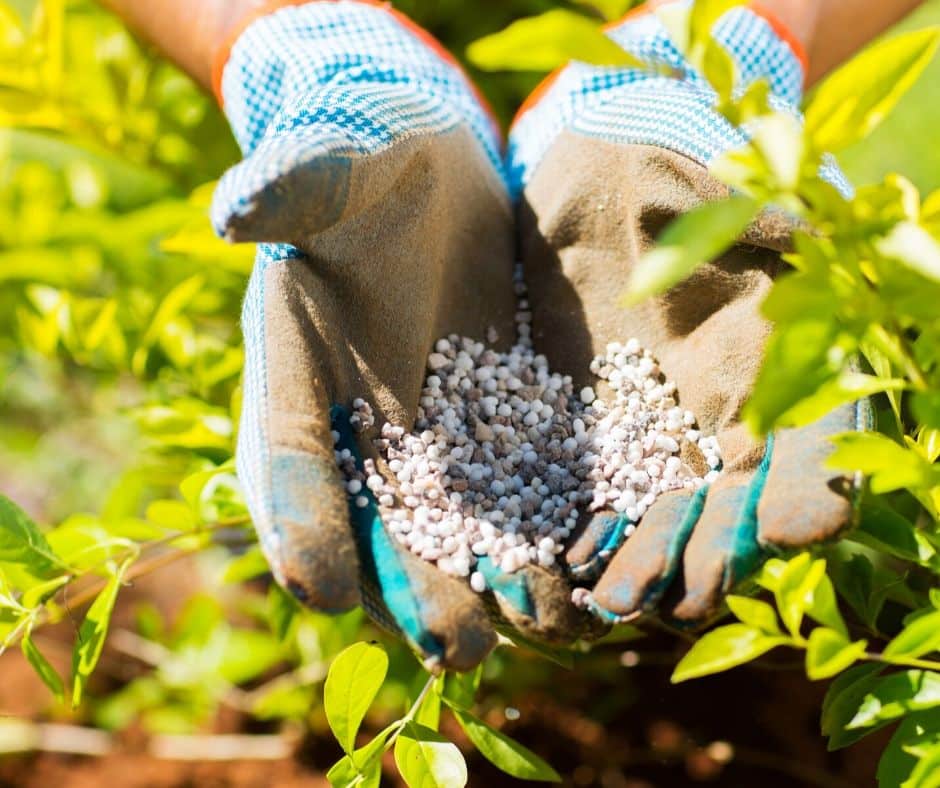
Even in nutrient-rich soil, applying the right type of fertilizer ensures consistent energy for flowering.
-
Choose a phosphorus-rich fertilizer (look for the middle number in the N-P-K ratio, such as 5-10-5 or 10-20-10).
-
Avoid high-nitrogen fertilizers, which encourage leafy growth at the expense of blooms.
-
Use a balanced liquid fertilizer at half strength every 2 to 3 weeks during the growing season.
-
Consider using slow-release fertilizers at the start of the season for long-term feeding.
Pro Tip: For flowering houseplants, use a water-soluble bloom booster every 2–4 weeks to encourage buds and blossoms indoors.
4. Provide Proper Sunlight Based on Plant Needs
Sunlight is essential for photosynthesis, and it directly impacts how well a plant can bloom. Most flowering plants need at least 6 hours of direct sunlight per day.
Without sufficient light, plants may grow leggy and fail to flower.
-
Place sun-loving plants like marigolds, zinnias, and geraniums in full sun.
-
Shade-loving varieties like impatiens, begonias, and fuchsias bloom best in dappled or indirect light.
-
Observe your garden’s light exposure throughout the day and place your plants accordingly.
Pro Tip: Rotate container plants periodically to ensure even sun exposure and balanced growth on all sides.

5. Take Special Care of the Root System
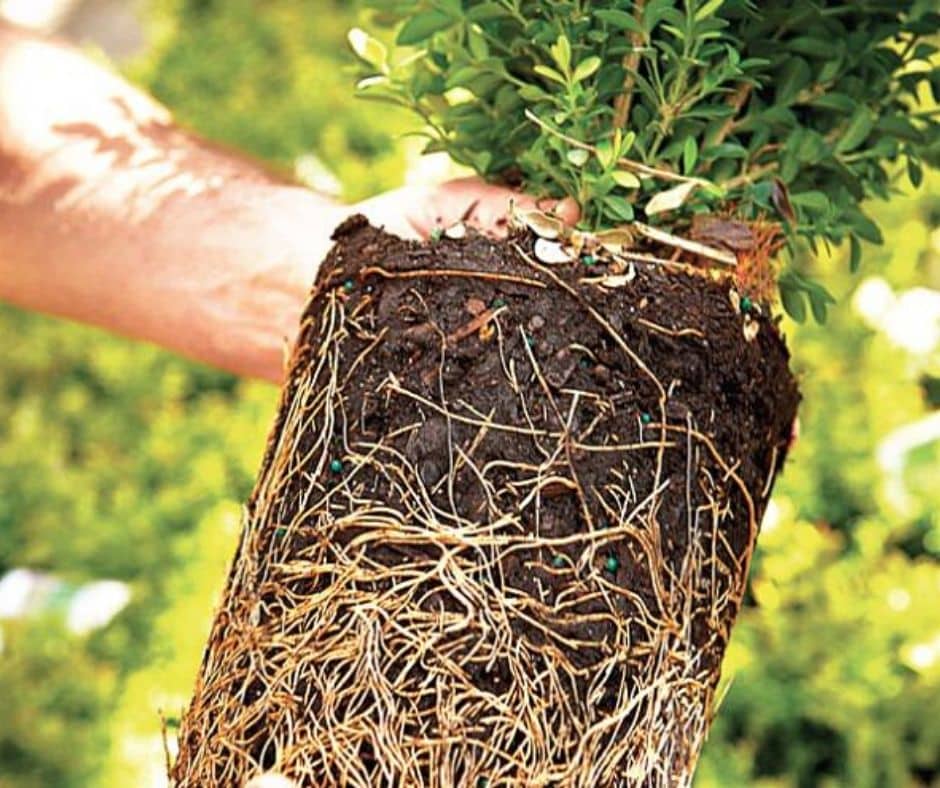
Healthy roots are the hidden engine behind vigorous blooms. Roots absorb water and nutrients from the soil, so keeping them healthy ensures your plant can access everything it needs for flowering.
-
Avoid root disturbance when transplanting or digging around the plant.
-
Be gentle during replanting, and ensure good drainage to prevent root rot.
-
Consider adding mycorrhizal fungi or root stimulators to enhance nutrient uptake.
Pro Tip: Regularly loosen compacted soil around plants to improve aeration and support root expansion.
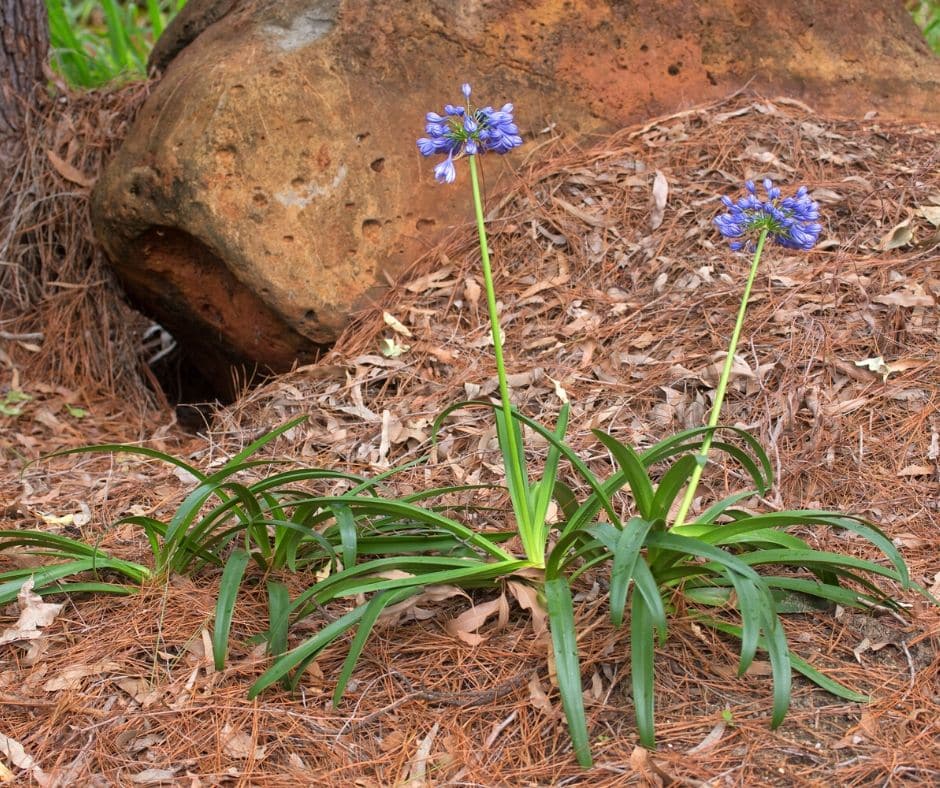
6. Use Mulch to Retain Moisture and Suppress Weeds
Mulching offers numerous benefits that support healthy blooming. By covering the soil with organic mulch like bark, straw, shredded leaves, or compost, you create a stable microenvironment that retains moisture and improves soil fertility.
-
Mulch helps regulate soil temperature and reduces moisture evaporation.
-
It suppresses weeds that compete with plants for nutrients and water.
-
Organic mulches break down over time, enriching the soil and encouraging beneficial organisms.
Pro Tip: Keep mulch about 2–3 inches thick, but avoid piling it directly against the plant stems to prevent rot.
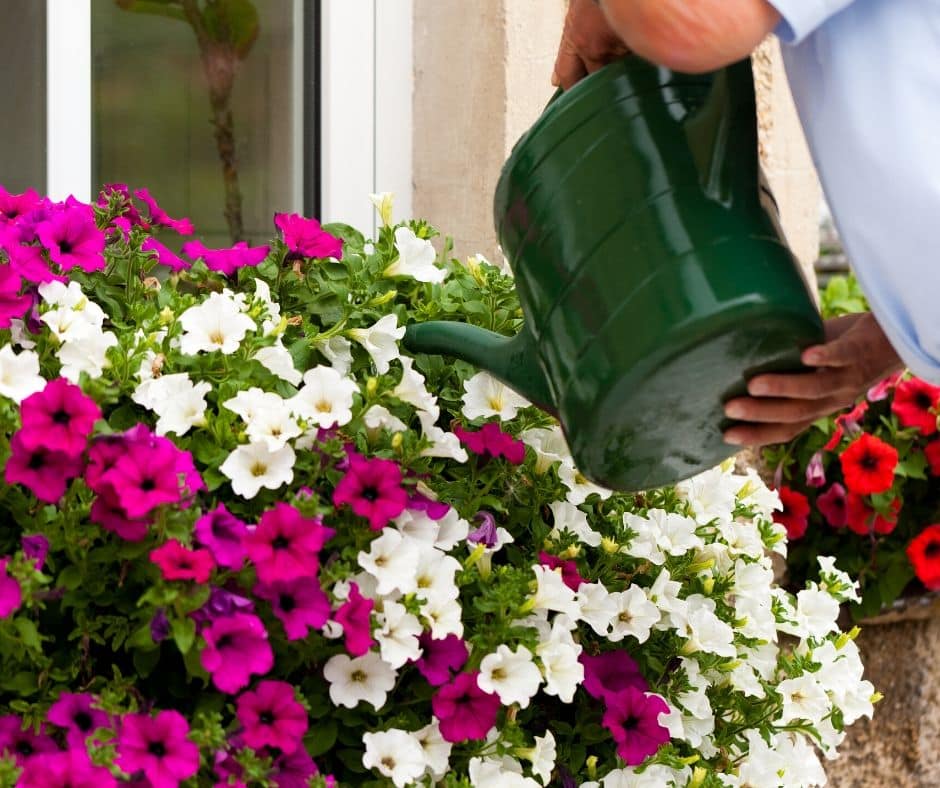
7. Practice Consistent and Careful Watering
Watering is a delicate balance. Too much water can lead to root rot and promote excessive leafy growth, while too little water causes stress and dropped flower buds.
Learning your plants’ specific watering needs is crucial for encouraging flowers.
-
Water early in the morning to reduce evaporation and allow leaves to dry before nightfall.
-
Use a moisture meter or your finger to check if the soil is dry 1–2 inches below the surface before watering.
-
Avoid wetting the foliage; focus water at the base of the plant to reduce the risk of fungal diseases.
Pro Tip: Consider using drip irrigation or soaker hoses for deep, efficient watering, especially in large beds or raised planters.
Growing a garden full of flourishing, blooming plants doesn’t require a green thumb—just the right knowledge and consistent care.
By following these 7 practical tips, you can enjoy a garden bursting with color, fragrance, and life all season long.
Whether you’re growing petunias in pots, roses in beds, or zinnias in window boxes, these techniques will help you maximize flowering, support plant health, and elevate the beauty of your garden.