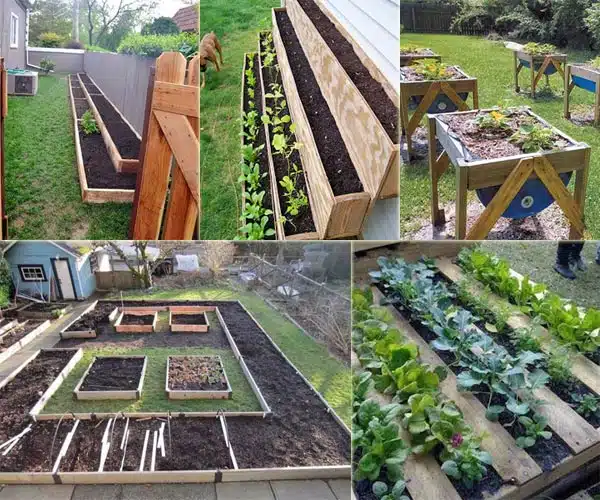
There’s nothing quite as satisfying as harvesting your own homegrown vegetables. Not only are they fresher and more flavorful than store-bought produce, but their vibrant colors and lush greenery add beauty to your outdoor space.
A vegetable garden also encourages healthy outdoor activity, offering a chance to get your hands dirty, soak up the sun, and reconnect with nature.
But what if your outdoor area is limited? The good news is, you don’t need a sprawling backyard to grow your own food.
Even if you only have a narrow side yard, small patio, or compact balcony, there are countless ways to create a productive and efficient vegetable garden in a small space.
With thoughtful layout, vertical planning, and some clever DIY solutions, you can maximize every inch of your available space and enjoy a thriving garden full of fresh, organic vegetables—no chemicals or pesticides required.
Here are 11 space-saving vegetable garden ideas to help you grow more with less.
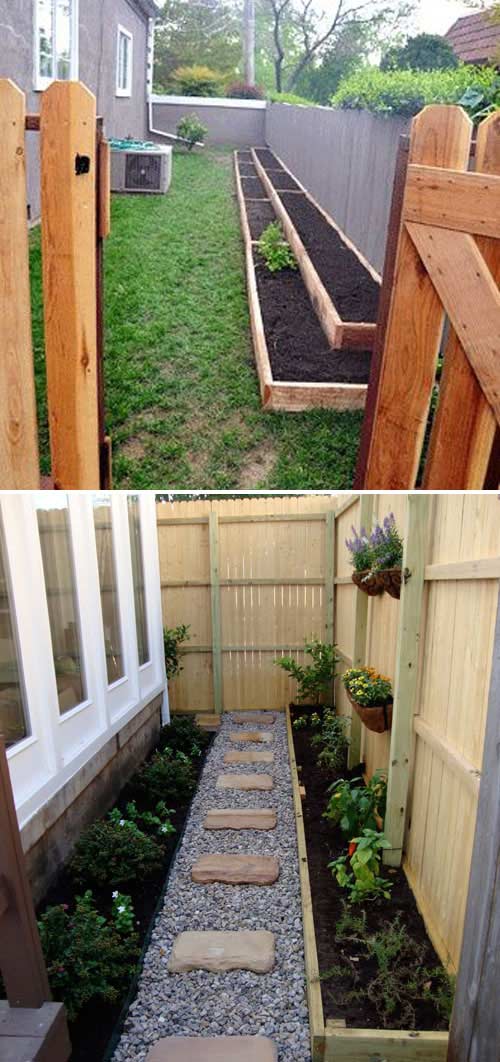
1. Build a Wooden Raised Garden Bed Along a Narrow Side Yard
Don’t overlook that narrow strip between your house and the fence! Install a long, narrow raised bed using wooden boards to fit the space.
These beds are perfect for growing vertical crops like beans, peas, and tomatoes. With the right layout, even a tight corridor can become a productive food-growing zone.
Best for: Lettuce, peppers, radishes, pole beans
Bonus: Improves soil drainage and defines the garden space
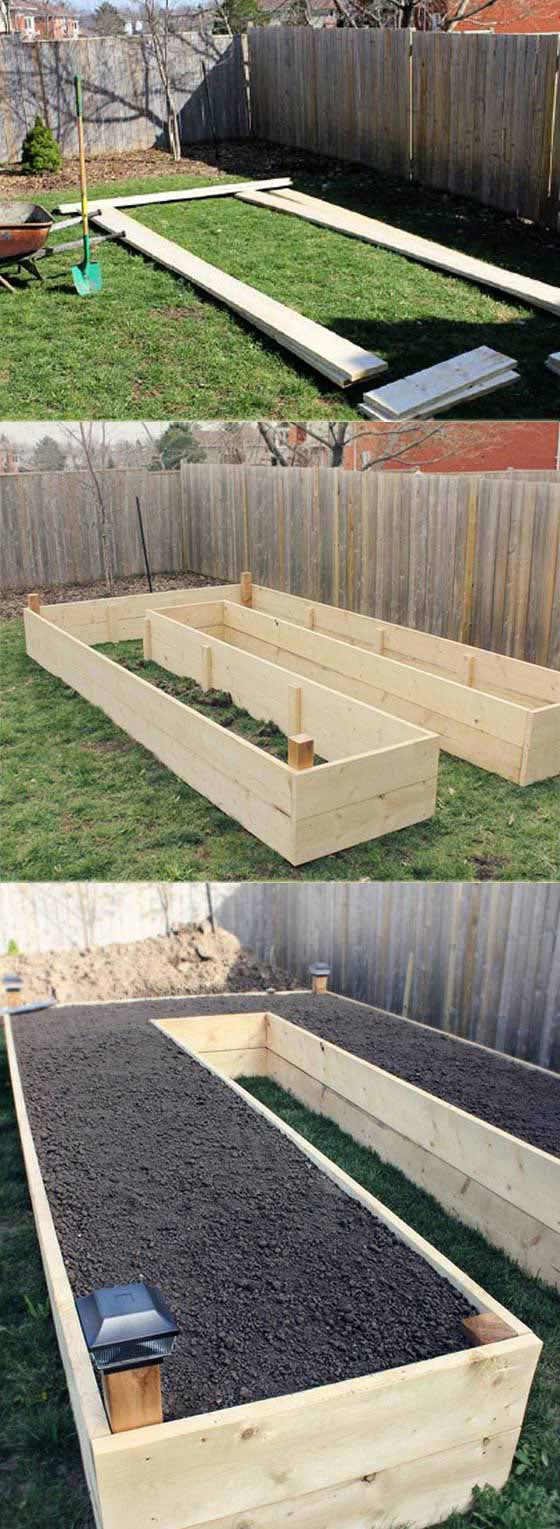
2. Create a U-Shaped Raised Bed for Easy Access
Unlike traditional open garden beds, a U-shaped raised bed allows you to easily reach every part of the bed without stepping on the soil.
This ergonomic layout makes planting, weeding, and harvesting more convenient, especially in small backyards or courtyards.
Best for: Herbs, salad greens, carrots, beets
Tip: Leave a 2-foot-wide path in the center for comfortable movement
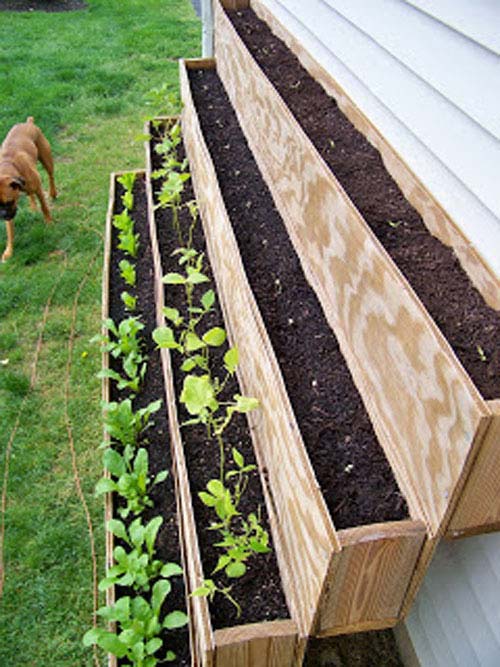
3. Make a Three-Tier Stair-Step Garden Box from One Sheet of Plywood
Maximize your planting surface by building a stair-step-style garden box. With just one sheet of plywood, you can create three ascending planting beds.
The layered design helps improve sunlight exposure for each level while keeping your veggies tidy and organized.
Best for: Strawberries, bush beans, kale, spinach
Perfect for: Small patios and sunny balconies
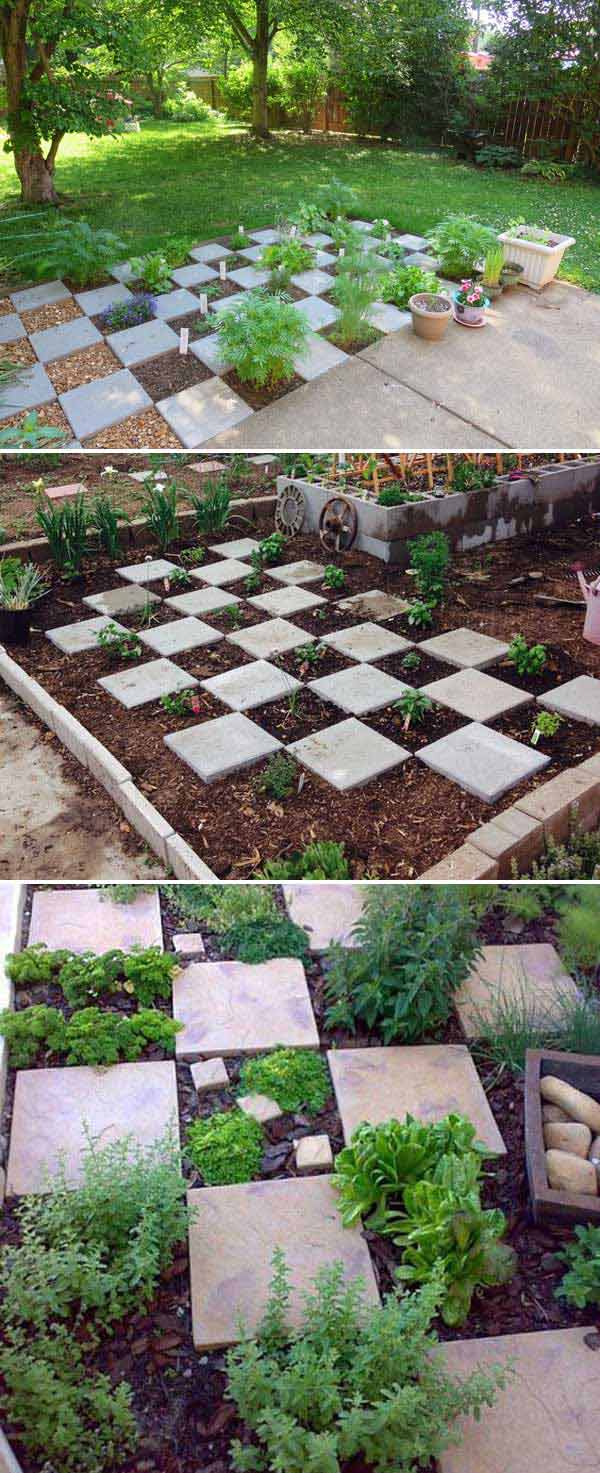
4. Design a Checkerboard-Layout Garden Bed
A checkerboard-style garden bed not only looks visually appealing but also helps improve access and drainage.
Alternate between planting areas and stepping stones, allowing you to reach each vegetable section easily—even after a rain.
Best for: Companion planting and square-foot gardening
Bonus: The grid layout simplifies crop rotation planning
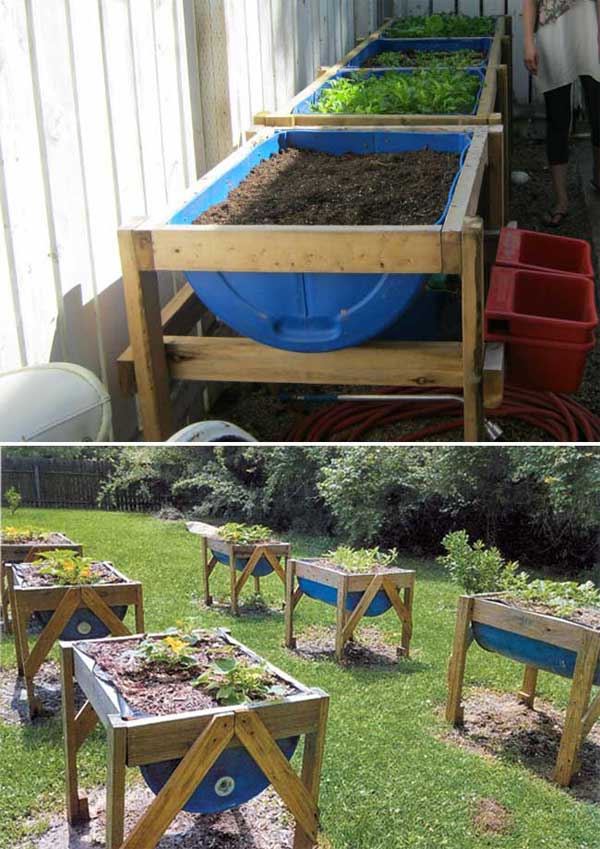
5. Use 55-Gallon Drums as Elevated Garden Beds
Cut old 55-gallon plastic or metal drums in half and convert them into high, waist-level garden beds.
This raised design is ideal for people with limited mobility or anyone who wants to avoid bending over during gardening tasks. They’re also easy to move if needed.
Best for: Tomatoes, cucumbers, peppers
Tip: Drill drainage holes at the bottom and add a gravel layer for improved drainage
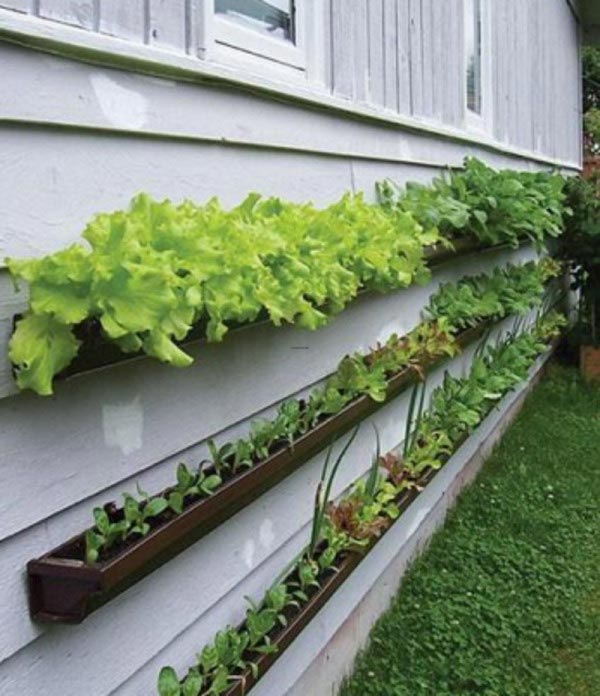
6. Install a Gutter Garden on a Fence or Wall
When you don’t have much horizontal space, go vertical! Mount old rain gutters horizontally on a wall or fence to create a tiered growing system.
A gutter garden is perfect for shallow-rooted plants and makes use of space that would otherwise go unused.
Best for: Lettuce, arugula, baby greens, herbs
Tip: Angle slightly for water drainage and drill small holes along the bottom
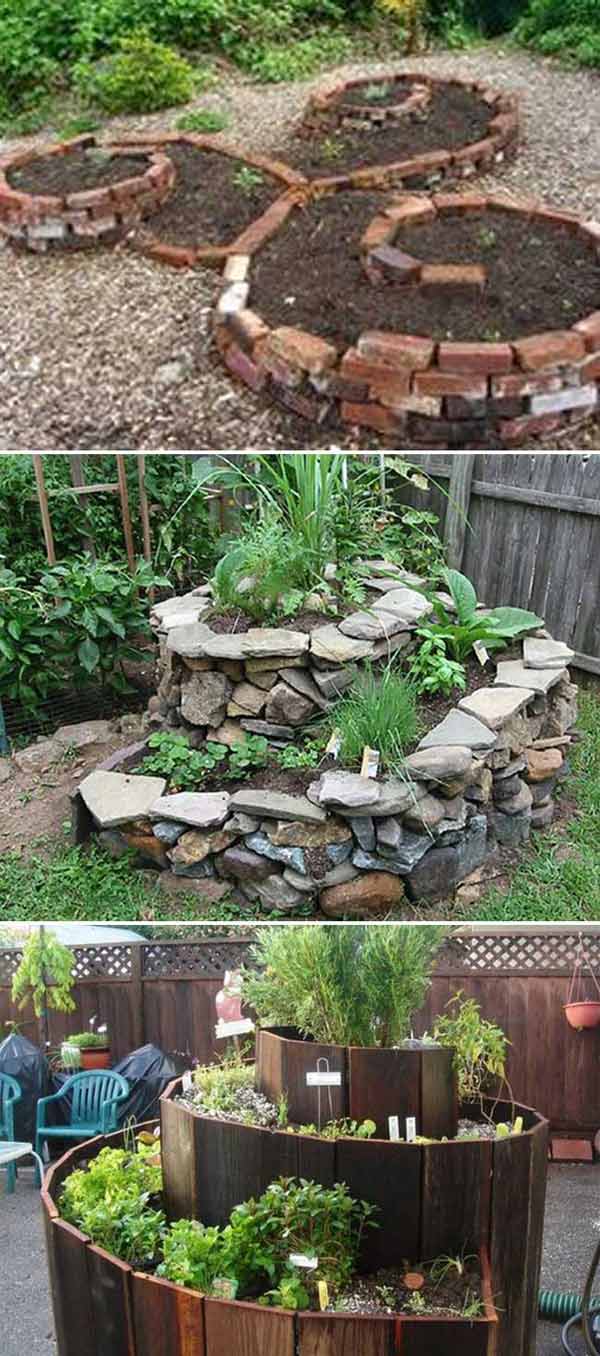
7. Build a Spiral Garden for Compact Growing
A spiral garden bed offers both visual interest and efficient growing. This design spirals upward from the base, creating different microclimates at each level.
It’s a compact and artistic way to grow a variety of plants in a small footprint.
Best for: Herbs, leafy greens, edible flowers
Bonus: Great conversation piece for guests!
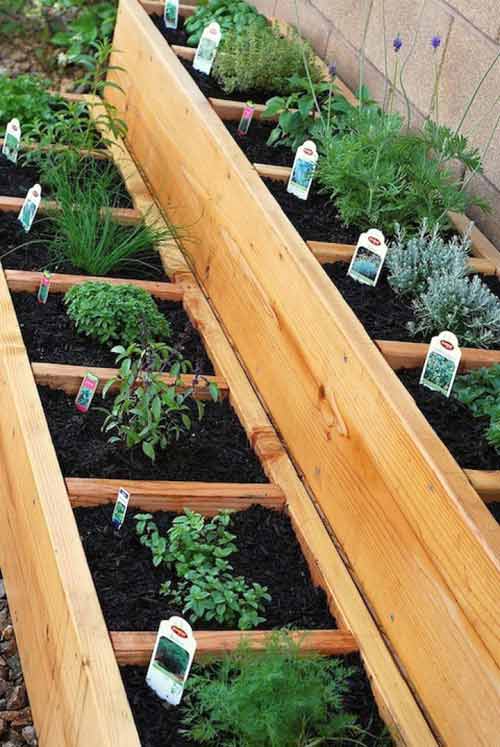
8. Use Square Planters to Organize Herbs and Companion Crops
Individual square planters allow you to separate herbs and vegetables by type, making it easier to manage soil conditions and watering needs. Arrange them in a grid, along walkways, or stacked in a pyramid to save space.
Best for: Basil, parsley, thyme, chives
Tip: Label each planter for quick identification and crop rotation
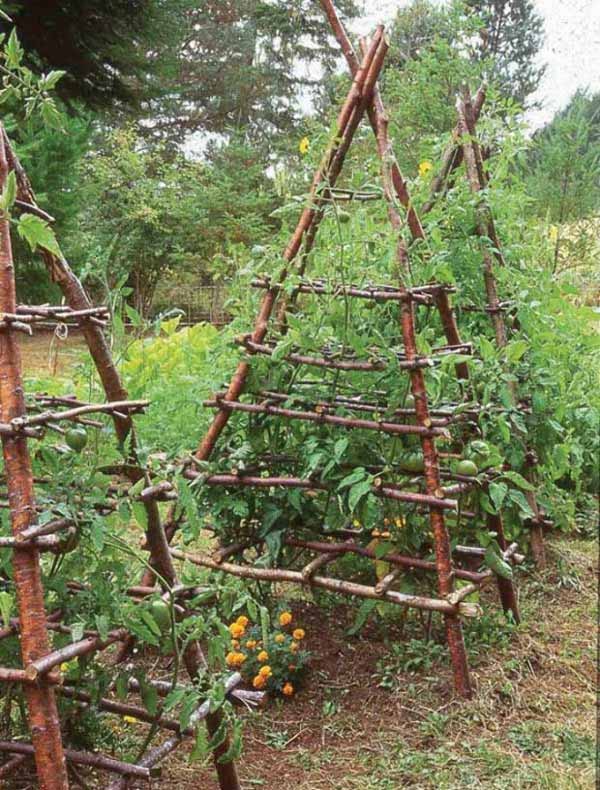
9. Construct a Pyramid Trellis for Climbing Vegetables
Build a pyramid or A-frame trellis and place it over a planting bed or large pot. This not only provides strong vertical support for vining crops, but also helps maximize yield per square foot.
Best for: Cucumbers, pole beans, peas, zucchini
Bonus: Keeps produce off the ground and improves airflow
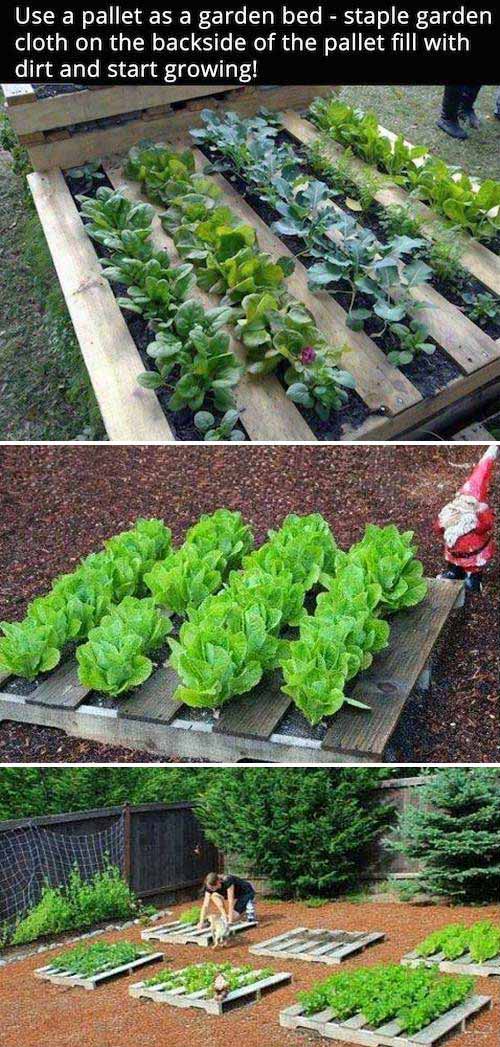
10. Repurpose a Wooden Pallet as a Vertical Garden Bed
Wooden shipping pallets are easy to repurpose into vertical gardens. Simply staple landscape fabric or weed barrier to the back and bottom of the pallet, then fill the rows with soil. Stand it upright against a fence or wall.
Best for: Leafy greens, herbs, small root vegetables
Tip: Great for renters or temporary gardens—pallets are portable!
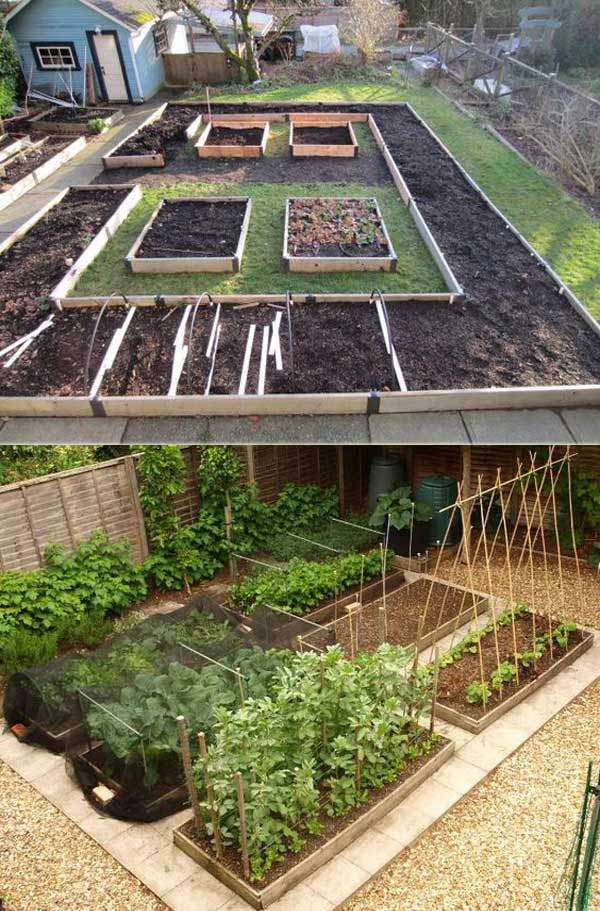
11. Create Easy-to-Access Garden Layouts for Maximum Variety
Use interlocking L-shaped or modular raised beds to create walkable paths between planting areas.
This allows you to easily reach and maintain your crops without overcrowding, even in tight spaces. These layouts help you combine functionality with diversity.
Best for: Mixed crops (tomatoes, lettuce, carrots, herbs)
Bonus: Allows for high-density planting while still keeping harvesting simple
You don’t need a large backyard or sprawling farmland to enjoy the benefits of homegrown vegetables.
With smart design, creative use of space, and some recycled materials, your small outdoor area can become a lush, productive oasis.
Whether you’re gardening on a balcony, in a side yard, or on a tiny patio, these compact vegetable garden ideas prove that space limitations are no match for creativity.
The key is to think vertically, plan efficiently, and select crops that suit your growing conditions.