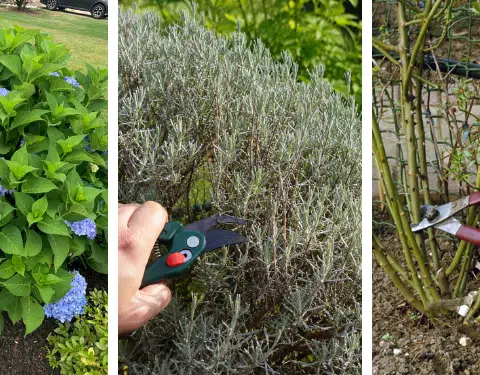
If you have a garden space that’s more shaded than sunny, it doesn’t mean you’re limited in your planting options.
There are plenty of plants that thrive in low-light conditions and can transform your garden’s shaded spots into lush, vibrant areas full of color, texture, and beauty.
From striking foliage to delicate blooms, shade-loving plants can add a unique charm and a sense of tranquility to your garden.
In this article, we’ll introduce you to 15 perfect plants that will grow effortlessly in the shade and help you create a captivating garden in even the darkest corners.
1. Hosta (Hosta spp.)
Hostas are known for their lush foliage and are one of the most popular plants for shaded gardens. With a wide range of leaf shapes, sizes, and colors—from deep green to blue and variegated patterns—hostas are versatile and visually striking.
- Why They’re Great: They add texture and depth to shaded areas and are incredibly easy to care for.
- Growing Tip: Plant hostas in well-drained soil and keep them consistently moist. They prefer morning sun and afternoon shade.
2. Astilbe (Astilbe spp.)
Astilbes produce tall, feathery plumes of flowers in shades of pink, red, purple, and white. Their delicate blooms rise above fern-like foliage, providing an elegant and colorful display in shaded spots.
- Why They’re Great: They thrive in partial to full shade and are perfect for adding height and color to shaded borders.
- Growing Tip: Astilbes like rich, moist soil and benefit from mulching to retain moisture, especially during dry spells.
3. Ferns (Various Species)
Ferns are classic shade plants that offer a lush, forest-like feel to any garden. Their delicate, arching fronds come in many different shapes and sizes, making them ideal for filling in gaps and adding texture.
- Why They’re Great: Ferns are versatile and come in many varieties, making them perfect for almost any shady spot.
- Growing Tip: Plant ferns in well-drained, humus-rich soil and keep them evenly moist.
4. Heuchera (Coral Bells)
Heucheras, or Coral Bells, are known for their beautiful foliage that comes in a variety of colors such as lime green, deep burgundy, and caramel. They produce delicate, bell-shaped flowers on tall stalks, adding subtle elegance to your garden.
- Why They’re Great: Heucheras are great for adding pops of color and texture to shaded borders or containers.
- Growing Tip: Plant them in well-drained soil and avoid overwatering, as Heucheras are prone to root rot.
5. Lungwort (Pulmonaria spp.)
Lungwort is an eye-catching plant with uniquely speckled leaves and charming clusters of blue, pink, or white flowers that bloom in early spring. Their foliage remains attractive throughout the growing season.
- Why They’re Great: They brighten up dark corners with their colorful blooms and attractive foliage.
- Growing Tip: Plant Lungwort in rich, moist soil and keep it in areas with morning sun and afternoon shade.
6. Japanese Forest Grass (Hakonechloa macra)
Japanese Forest Grass is a beautiful, low-growing ornamental grass that thrives in the shade. It has cascading, arching leaves that create a flowing effect, and it comes in vibrant colors like yellow, gold, and green.
- Why They’re Great: Adds graceful movement and texture to shady areas, especially in borders and alongside pathways.
- Growing Tip: Plant in well-drained soil and water regularly. Japanese Forest Grass prefers cool, moist conditions.
7. Bleeding Heart (Dicentra spectabilis)
Bleeding Heart is a stunning shade-loving plant known for its heart-shaped flowers that dangle gracefully from arching stems. The flowers come in pink, white, or red, creating a romantic, whimsical look.
- Why They’re Great: Bleeding Hearts are perfect for adding color and drama to woodland gardens or shaded flower beds.
- Growing Tip: Plant in rich, well-drained soil and keep it consistently moist. Avoid direct, harsh sunlight.
8. Toad Lily (Tricyrtis spp.)
Toad Lilies are late-blooming perennials that produce exotic-looking, orchid-like flowers. They are perfect for brightening up shaded areas when other plants have finished blooming.
- Why They’re Great: Their intricate flowers add a touch of the unusual and unexpected to shady spots.
- Growing Tip: Plant in moist, well-drained soil and ensure they receive protection from hot afternoon sun.
9. Brunnera (Brunnera macrophylla)
Brunnera, also known as Siberian Bugloss, has heart-shaped leaves with a silvery sheen and produces tiny, sky-blue flowers in early spring. Its stunning foliage provides interest even after the flowers fade.
- Why They’re Great: Ideal for adding both color and texture to shaded areas, especially under trees or along borders.
- Growing Tip: Plant in consistently moist soil and protect from direct sunlight to prevent leaf burn.
10. Ajuga (Ajuga reptans)
Ajuga, or Bugleweed, is a low-growing ground cover with attractive foliage in shades of green, bronze, and purple. It produces short spikes of blue, purple, or white flowers in spring.
- Why They’re Great: Excellent for filling in gaps and suppressing weeds in shady areas.
- Growing Tip: Plant in well-drained soil and keep it moist. Ajuga spreads quickly, so trim back as needed.
11. Foamflower (Tiarella cordifolia)
Foamflowers are shade-loving perennials that produce delicate white or pink blooms that rise above mounds of heart-shaped leaves. The foliage can be green, bronze, or have contrasting patterns.
- Why They’re Great: Foamflowers add softness and a light, airy feel to shaded borders and woodland gardens.
- Growing Tip: Plant in rich, well-drained soil and water regularly to keep the soil consistently moist.
12. Solomon’s Seal (Polygonatum spp.)
Solomon’s Seal is a graceful, arching plant that produces small, bell-shaped flowers that dangle beneath its stems in spring. Its foliage turns golden yellow in the fall, providing multi-season interest.
- Why They’re Great: Adds elegance and height to shady areas and works well in woodland gardens.
- Growing Tip: Plant in humus-rich soil and keep it evenly moist. It’s perfect for shaded, cool spots.
13. Bergenia (Bergenia spp.)
Bergenia, or Pig Squeak, is a bold, shade-loving perennial with large, glossy leaves that turn vibrant shades of red and purple in the fall. It produces clusters of pink or white flowers in spring.
- Why They’re Great: Provides year-round interest with its changing foliage colors and early spring blooms.
- Growing Tip: Plant in well-drained soil and water consistently, especially during dry periods.
14. Japanese Painted Fern (Athyrium niponicum)
The Japanese Painted Fern is a delicate fern with striking silver, green, and purple fronds. It’s perfect for adding a touch of elegance and color to shady garden areas.
- Why They’re Great: Adds color and texture with its beautifully variegated fronds.
- Growing Tip: Plant in rich, moist soil and keep it in shaded areas to prevent the leaves from scorching.
15. Hellebore (Helleborus spp.)
Hellebores, also known as Lenten Roses, are shade-loving perennials that bloom in late winter to early spring. Their flowers come in a variety of colors, including white, pink, green, and purple, adding early-season interest to the garden.
- Why They’re Great: Provide winter and early spring color when few other plants are in bloom.
- Growing Tip: Plant in well-drained soil and water moderately. Hellebores are drought-tolerant once established.
With the right selection of plants, you can turn shady areas of your garden into lush, colorful, and textured spaces that draw the eye and add interest throughout the seasons.