Thinking of starting a garden but worried about the cost? Don’t let expensive tools or materials hold you back. You don’t need to break the bank to create a thriving, beautiful garden.
In fact, with a little creativity and resourcefulness, you can reuse and repurpose everyday household items to kickstart your garden on a budget—and help the planet while you’re at it.
From seed starters to automatic watering hacks, these DIY garden solutions not only save you money, but also encourage recycling, reduce waste, and make gardening more fun and accessible.
Whether you’re working with a balcony, backyard, or small indoor garden, these tips will help you get growing with ease.
1. Use K-Cups as Seed Starters
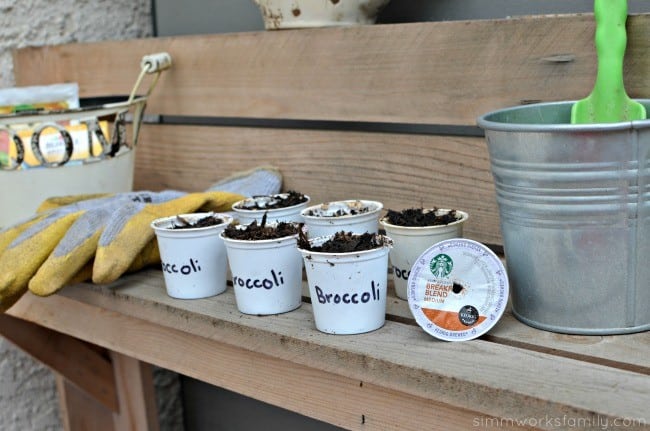
Don’t toss those empty K-Cups! These single-serve coffee pods are the perfect size for starting seeds. Simply clean out the pod, poke an extra drainage hole in the bottom, and fill with seed-starting mix.
Place them in an egg carton or tray to keep them upright, and you’ve got an instant mini greenhouse. Once the seedlings are ready, transplant them to larger containers or your garden bed.
2. Turn an Old Bird Bath Into a Succulent or Fairy Garden
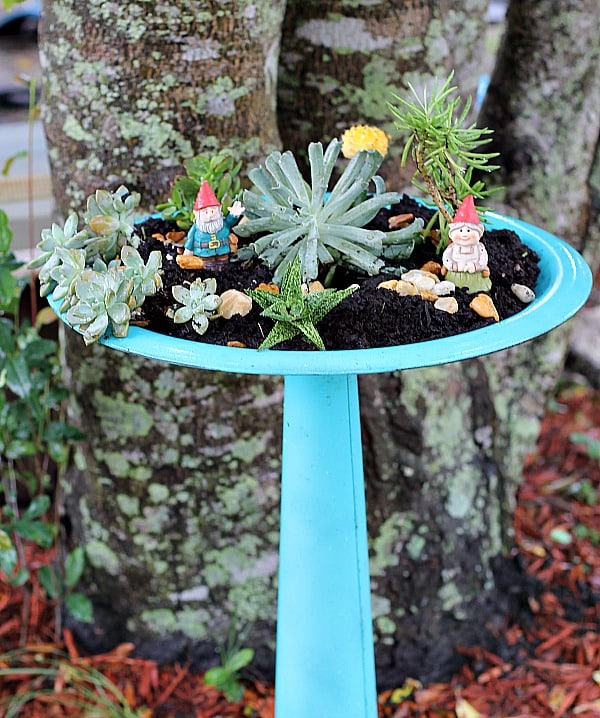
Have an old or unused bird bath? Give it new life by turning it into a shallow planter for succulents, or create a whimsical mini fairy garden with moss, tiny plants, and decorative pebbles.
Bird baths offer just the right depth and structure for low-maintenance displays, and they add vertical interest to your yard or patio.
3. Turn Old Keyboard Keys Into Plant Markers
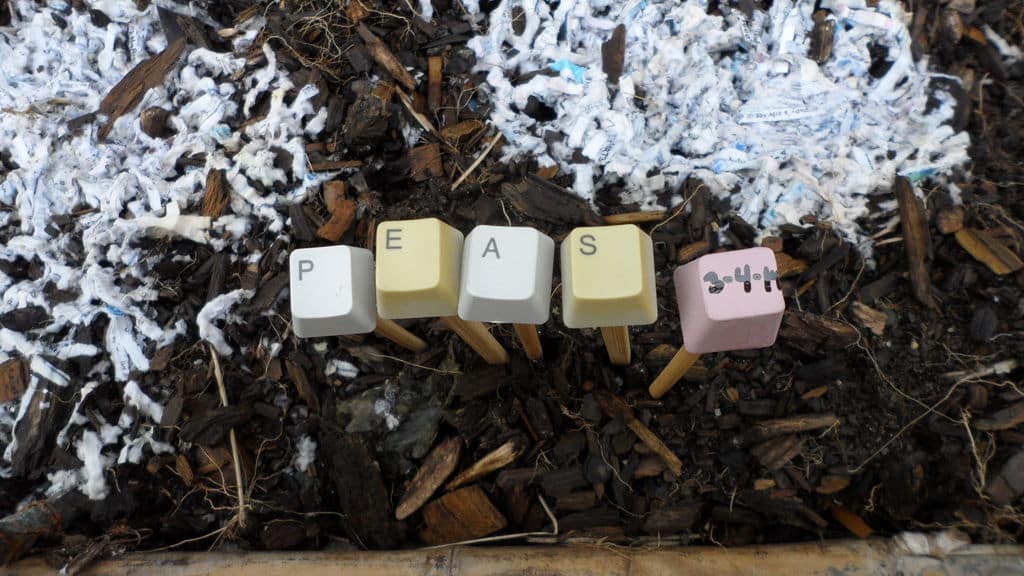
Lost a few keys from your old keyboard? Instead of tossing it, reuse the keys to make quirky plant markers. Just glue the keys onto small sticks or popsicle sticks and label your plants.
It’s a fun way to label herbs, vegetables, or flowers—especially in a tech-lover’s garden.
4. Repurpose Milk Jugs to Water Your Garden
Plastic milk jugs can be transformed into easy-pour watering cans. Poke small holes in the cap for a gentle sprinkle, or cut out the top to create a dipper-style can.
They’re lightweight, reusable, and ideal for watering delicate seedlings or indoor plants.
You can also use a milk jug as a water storage container, especially useful if you’re collecting rainwater.

5. Use Egg Cartons to Start Seeds
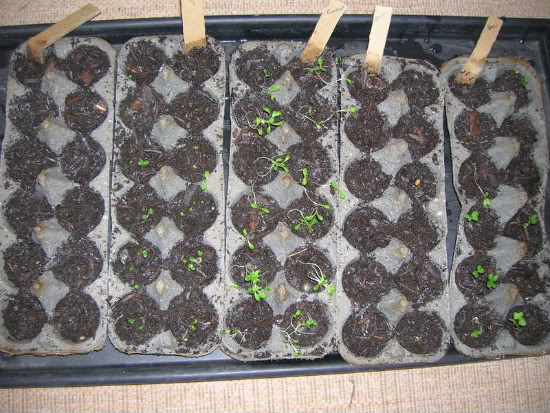
Egg cartons are biodegradable, compact, and the perfect size for starting new plants. Fill each cup with potting mix, sow your seeds, and water regularly.
Once the seedlings are big enough, you can plant the whole section directly into the soil—the carton will naturally break down, nourishing the plant as it grows.
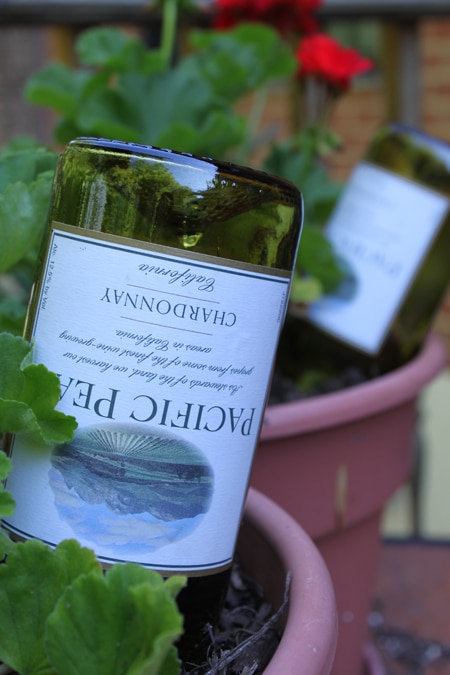
6. Reuse Wine Bottles for Slow-Drip Irrigation
Keep your plants hydrated while you’re away by using empty wine bottles as self-watering systems.
Fill the bottle with water, place a slow-release drip nozzle or cork in the mouth, and insert it upside down into the soil.
The water will slowly seep into the soil, ensuring your plants stay hydrated for days at a time.
This method is ideal for containers, indoor plants, and garden beds that need consistent moisture.
7. Create a DIY Automatic Water Supply
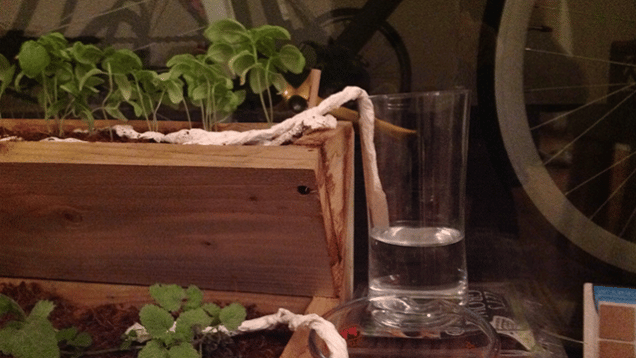
Need a simple solution for watering your garden while you’re away? Poke small holes in a plastic bottle and bury it next to your plants, leaving the top above the soil for refilling.
When filled with water, it slowly distributes moisture directly to the root zone—no timers or fancy equipment needed.
This trick helps conserve water and delivers it where your plants need it most.
8. Make Seed Bombs with Newspaper and Muffin Tins
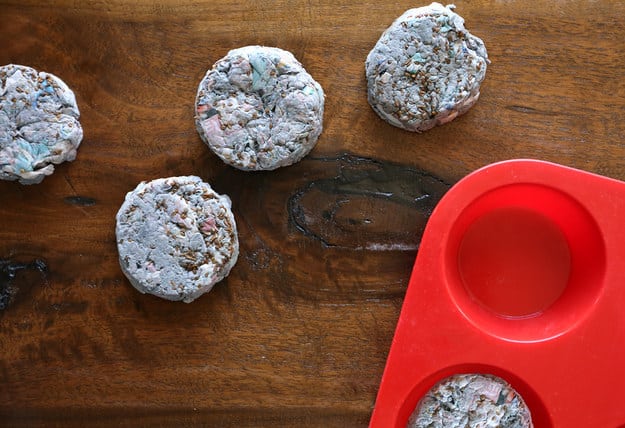
Want to sow wildflowers or herbs quickly and easily? Make DIY seed bombs by mixing seeds with damp shredded newspaper or paper pulp, then pressing the mixture into muffin tins.
Let them dry, and then toss them into your garden or a bare patch of soil. When it rains, the paper breaks down and the seeds take root.
Great for kids, pollinator gardens, and guerrilla gardening!
9. Use Coffee Filters in Pots to Stop Soil Leaks
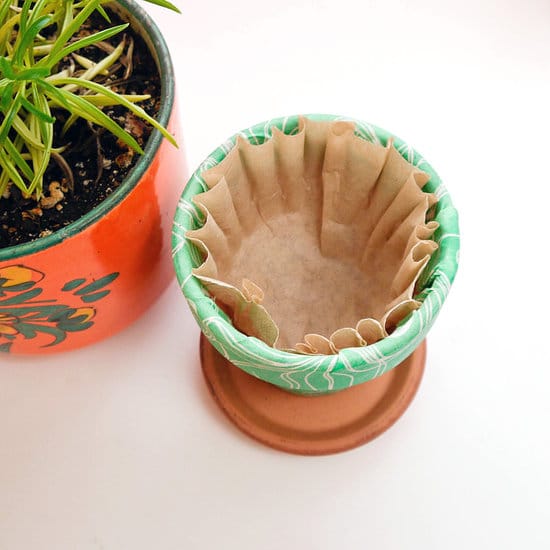
Place a coffee filter in the bottom of a planter before adding soil to prevent it from washing out through the drainage hole.
This simple hack allows water to drain freely while keeping your soil in place—especially helpful for indoor pots and hanging baskets.
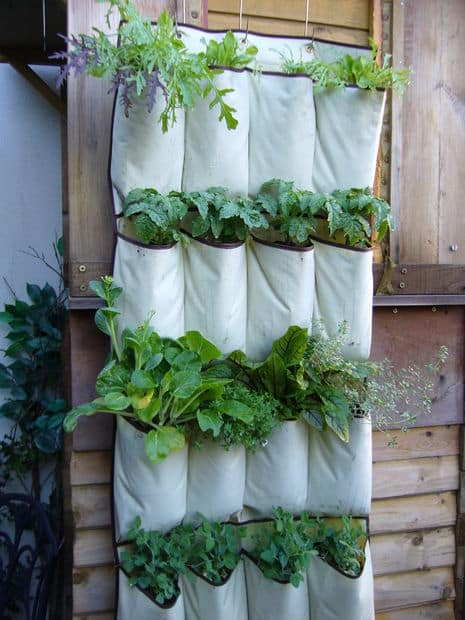
10. Build a Vertical Herb Garden Using a Hanging Shoe Rack
Maximize vertical space by turning a fabric shoe organizer into a vertical herb garden. Hang it on a sunny balcony or fence, fill each pocket with soil and herbs, and water gently.
This is a brilliant solution for urban gardeners with limited floor space and offers easy access to fresh herbs right outside your kitchen.
11. Deter Pests With Plastic Forks
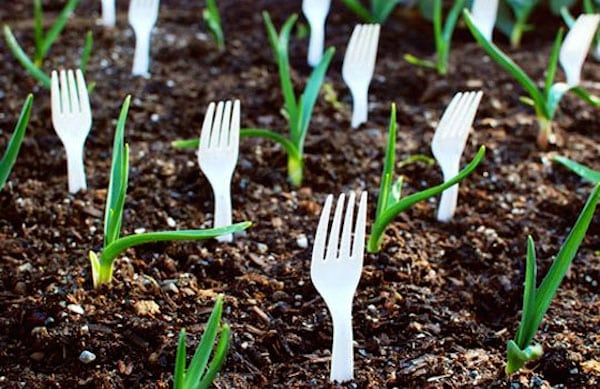
If squirrels, cats, or birds are disturbing your garden beds, try sticking plastic forks upright into the soil between your plants.
The prongs deter animals from digging, without harming them or your plants. It’s a simple and safe way to protect your growing seedlings or bulbs.
12. Create Mini Greenhouses With Milk Jug Tops
Cut the bottom off a plastic milk jug and place the top half over delicate seedlings to create a mini greenhouse.
This hack traps warmth and moisture while protecting young plants from wind and frost—ideal for early spring planting or extending your growing season in cooler climates.
Remove the cap during the day to allow air circulation.

13. Make Biodegradable Planters From Toilet Paper Rolls
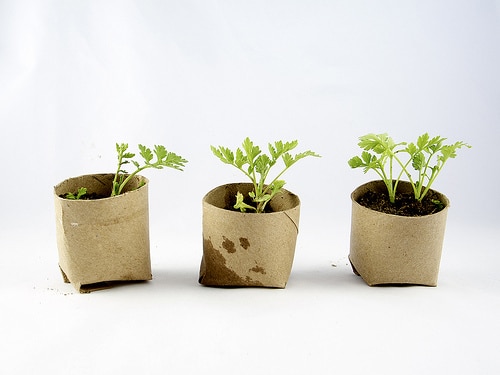
Cardboard toilet paper rolls are the perfect material for zero-waste seed starters. Cut them in half, make four small cuts in the bottom to fold into a base, and fill with soil and seeds.
Once the seedlings sprout, plant the entire roll in your garden. The cardboard will decompose naturally, reducing transplant shock.
14. Build a Rain Barrel to Collect Free Water
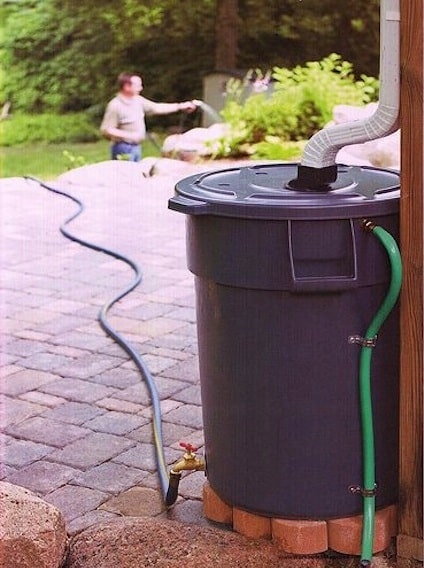
Why pay for water when you can collect it from the sky? Use an old trash can, food-grade barrel, or plastic drum to build your own rainwater collection system.
Place it beneath a downspout, add a screen to keep debris out, and use the water for your garden during dry spells.
Rain barrels reduce water bills, help the environment, and provide plants with untreated water they love.
Gardening doesn’t have to be expensive—or complicated. By thinking creatively and reusing everyday household items, you can build a successful, sustainable garden that fits your budget and supports the environment.
From K-cups to rain barrels, these hacks prove that even the most ordinary items can be transformed into powerful gardening tools.
So before you throw something out, ask yourself: Can this help my garden grow? Chances are, it can.