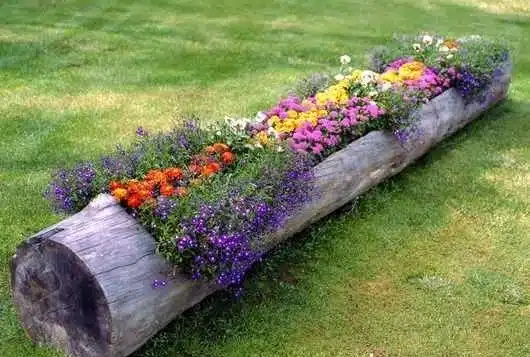
If you’re looking to add a natural, rustic charm to your garden without spending a fortune, a log planter might just be the perfect solution.
Not only are they stunning focal points, but they’re also a sustainable, creative, and cost-effective way to display your flowers, succulents, herbs, or even vegetables.
Whether you’re revamping your outdoor space or simply adding a small decorative element to your backyard, a charming log planter brings nature right into your garden design.
In this article, we’ll explore why every yard should have at least one log planter, how to make one yourself, the best plants to grow in them, and how they can elevate your landscape in both form and function.
What Is a Log Planter?
A log planter is exactly what it sounds like—a hollowed-out log that’s used as a container for plants.
Whether it’s a fallen tree you’ve salvaged or a purchased decorative log, this rustic garden feature doubles as a natural planter and a conversation piece. It blends effortlessly into outdoor landscapes and can be adapted to fit gardens of all sizes and styles.
Some log planters rest directly on the ground, while others are raised or even hung for visual interest. They work well in woodland gardens, cottage-style yards, modern rustic patios, and even urban balconies.
6 Reasons Why Every Yard Needs a Log Planter
1. Natural Beauty with Rustic Charm
Log planters add instant character to your garden. Their rough bark, weathered texture, and organic shape bring a touch of the wild into cultivated spaces.
Unlike store-bought plastic or ceramic pots, log planters feel authentic and earthy—making them the perfect centerpiece for flower beds, pathways, or patios.
Whether you choose a large stump planter or several small logs lined with blooms, they make a stunning visual statement without feeling artificial or out of place.
2. Eco-Friendly and Sustainable
Reusing fallen trees or salvaged logs to create a planter is an excellent way to upcycle natural materials. Rather than sending old tree limbs or stumps to the landfill, you’re giving them a new life and reducing waste.
If you’re trying to maintain a more eco-conscious garden, log planters align with sustainable gardening practices.
They biodegrade over time and return nutrients to the soil, making them a win for both your yard and the planet.
3. Great for Pollinators and Wildlife
Wooden log planters do more than just hold plants—they also create habitat. The crevices in aged bark, the slow decomposition process, and the moisture-retaining qualities of wood attract beneficial insects, beetles, and sometimes even small amphibians.
Planting native flowers, herbs, and pollinator-attracting blooms in your log planter helps support bees, butterflies, and hummingbirds. It’s a small but impactful way to boost biodiversity in your backyard.
4. DIY-Friendly and Customizable
One of the best things about log planters is that they’re easy to make at home. You don’t need advanced woodworking skills—just a log, a few tools, and a little time.
You can also customize the size, shape, and arrangement. Use a full-length log for a long flower bed, or cut stumps into vertical mini-planters. Add handles, carve patterns, or group them in different heights for a layered, designer look.
5. Perfect for Small Spaces and Container Gardening
Don’t have a large backyard? No problem! Log planters work beautifully on balconies, porches, and patios.
Because they’re technically containers, you can grow herbs, succulents, lettuce, or even strawberries in them.
They’re compact, lightweight (when dried and hollowed), and ideal for urban dwellers who want a natural touch.
6. Year-Round Versatility
Log planters are not just for summer blooms.
You can decorate them for every season:
- Spring: Tulips, daffodils, and pansies
- Summer: Petunias, zinnias, herbs, and succulents
- Fall: Mums, ornamental kale, pumpkins, and gourds
- Winter: Pine boughs, holly, miniature evergreens, and LED fairy lights
With the right planting or decorations, your log planter can become a year-round garden feature.
How to Make a DIY Log Planter (Step-by-Step)
Making your own log planter is easier than you think. Here’s a simple guide to get you started.
What You’ll Need:
- A log (around 12–36 inches long and 6–12 inches in diameter)
- Chainsaw or handsaw
- Chisel and hammer or drill with a spade bit
- Sandpaper
- Potting soil
- Plants or seeds
- Optional: wood sealant (for longer life)
Instructions:
-
Choose Your Log: Look for a dry, disease-free log. Avoid wood treated with chemicals.
-
Cut the Log to Size: Trim to your desired length.
-
Hollow Out the Center:
-
Use a saw to cut an outline for the planting cavity (leaving a 1–2-inch border).
-
Use a chisel and hammer (or a drill and spade bit) to remove the inner wood.
-
Sand the edges smooth.
-
-
Drill Drainage Holes: Make a few holes in the bottom to prevent waterlogging.
-
Optional: Line the interior with landscape fabric or apply a wood sealant to delay decomposition.
-
Add Soil and Plants: Fill with potting mix and add your favorite plants.
-
Place and Water: Set your planter in the desired spot and water gently.
Best Plants for Log Planters
Log planters are perfect for shallow-rooted and low-maintenance plants. Here are some great options:
Flowers:
- Petunias
- Marigolds
- Pansies
- Violas
- Begonias
- Lobelia
Herbs:
- Basil
- Thyme
- Oregano
- Mint (keep contained!)
- Chives
Succulents:
- Hens and chicks
- Sedum
- Echeveria
- Crassula
Vegetables (in larger logs):
- Lettuce
- Radishes
- Spinach
- Baby carrots
Choose plants based on the sunlight and climate conditions in your yard. Combine trailing, upright, and filler plants for a vibrant, full look.
Caring for Your Log Planter
- Water consistently but avoid overwatering. Good drainage is key.
- Check for pests, especially wood borers
- Replenish soil yearly or as it compacts.
- Over time, the log will slowly break down—this is natural! Replace or compost it and start fresh.
A log planter is more than just a gardening project—it’s a statement piece, a sustainable choice, and a beautiful way to bring your yard to life.
It combines the beauty of raw nature with the functionality of container gardening.
Whether you’re going for a wild, natural look or a polished rustic design, adding even one charming log planter to your outdoor space will instantly elevate your landscape.
It’s easy to build, endlessly customizable, and good for both your garden and the environment.
So go ahead—find a log, grab your tools, and give your yard a little rustic love!