Creating a garden path isn’t just about functionality—it’s about design, creativity, and adding character to your outdoor space.
A well-designed stepping stone path can guide visitors through your garden, enhance your landscape’s structure, and complement your plants and outdoor décor.
Whether you’re working with a compact backyard, a sprawling landscape, or a cottage-style flower garden, the right stepping stone layout can make a powerful visual statement.
In this article, we’ll explore 15 beautiful and creative stepping stone garden path ideas that range from simple and natural to bold and geometric.
Each design offers something unique, and with the right inspiration, you can customize one of these ideas to match your own personal style and garden setting.
Let’s dive in!
1. The Boardwalk Path
Inspired by coastal boardwalks, this path uses long, narrow wooden planks laid flat across the garden bed. It’s perfect for modern or rustic gardens and blends beautifully with grasses, ferns, and native plants.
Best For: Damp areas, shade gardens, or natural woodland settings.
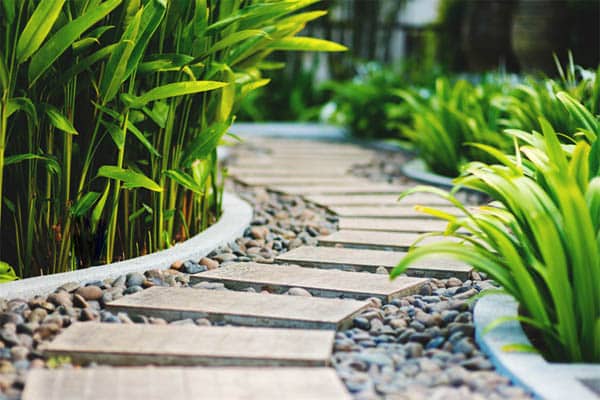
2. Strong Geometry
This modern design features angular, geometric pavers arranged in a deliberate pattern—squares, diamonds, or rectangles—often with grass or gravel in between. It adds clean lines and a structured feel to contemporary gardens.
Pair With: Minimalist landscaping, ornamental grasses, and sculptural planters.
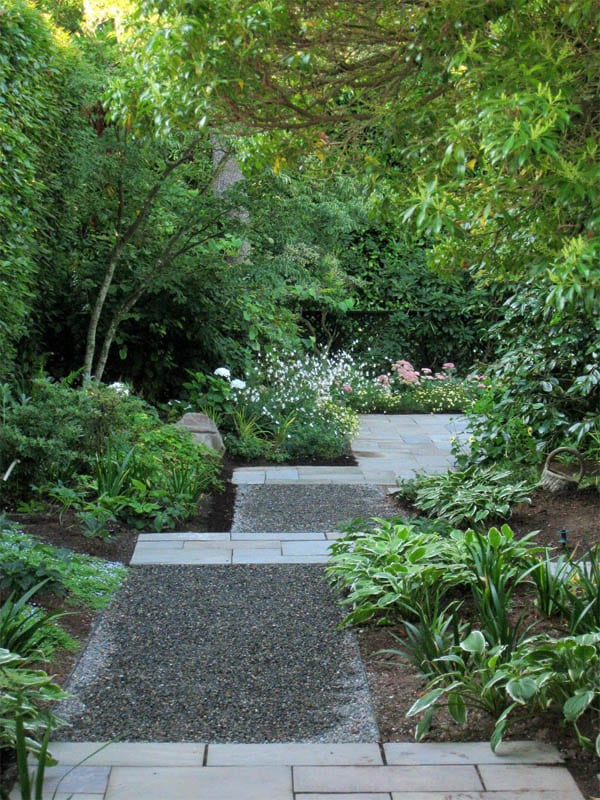
3. Round Stepping Stones Scattered Through the Yard
Organic-shaped round stones, placed with asymmetrical spacing, create a casual, whimsical look. This path feels spontaneous and natural, especially when surrounded by moss, creeping thyme, or flowering ground covers.
Great For: Cottage gardens or informal backyard spaces.
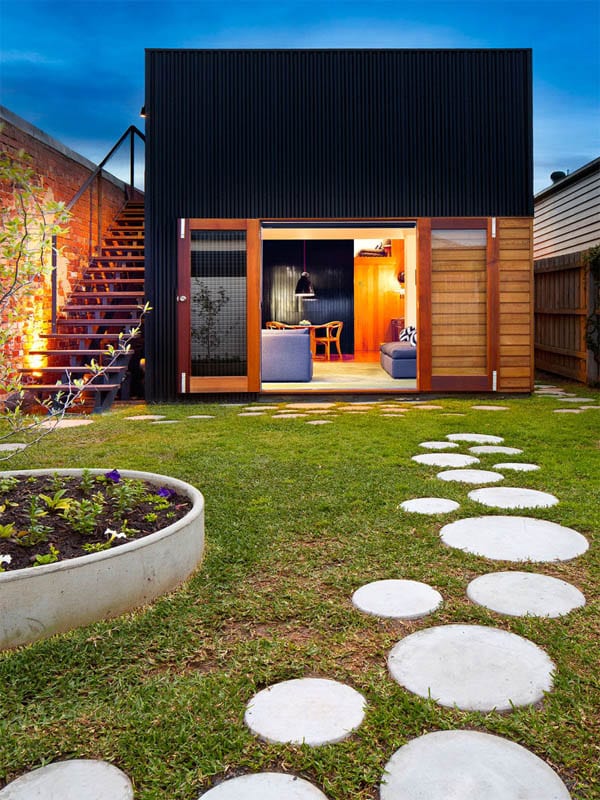
4. The Pebbled Path
For a simple and textural design, fill your path with small pebbles or river rocks and inset flat stepping stones to create contrast. The combination adds interest underfoot and can help with drainage.
Bonus: Pebbled paths are also gentle on bare feet and suitable for meditation areas.
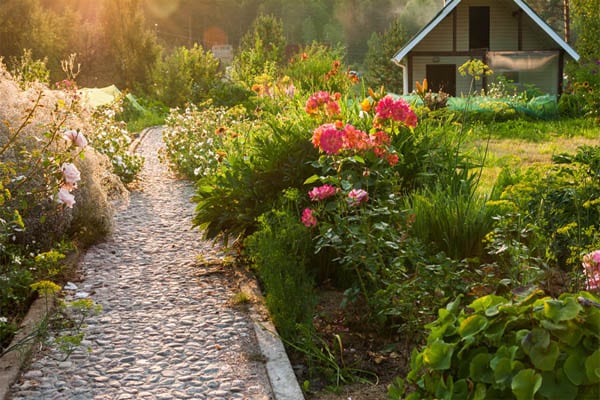
5. Log Lover’s Path
Repurpose cut log rounds or slices of tree trunks as stepping stones for a charming, eco-friendly look. They bring rustic, woodland appeal and are especially striking when arranged in winding curves.
Best Used In: Shaded, wooded gardens or fairy-themed spaces.
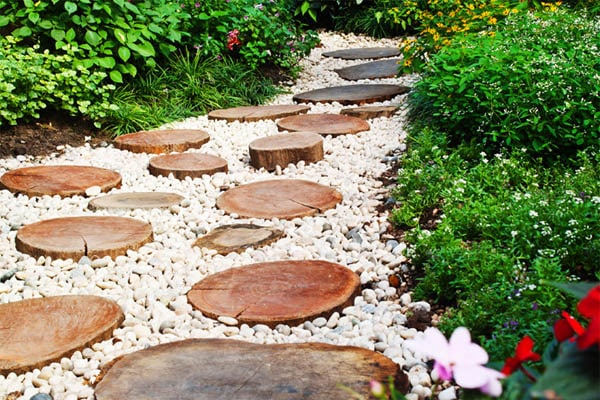
6. Curve Ahead
Instead of straight lines, design a meandering path that winds through your garden. Use stepping stones to follow gentle curves between flower beds, shrubs, or focal points like a fountain or sculpture.
Why It Works: Curved paths feel more inviting and allow you to explore the garden slowly.
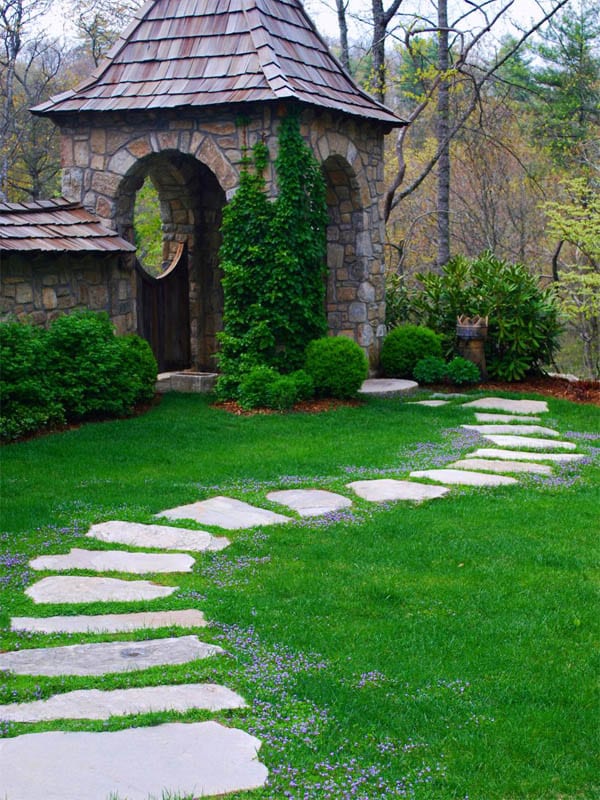
7. Circular Stepping Stones with Pebble Surround
Large circular stones embedded in a field of fine gravel or pebbles create an eye-catching, modern design. The contrast between stone and filler materials makes each step stand out.
Pro Tip: Try alternating colors or textures of stones for added interest.
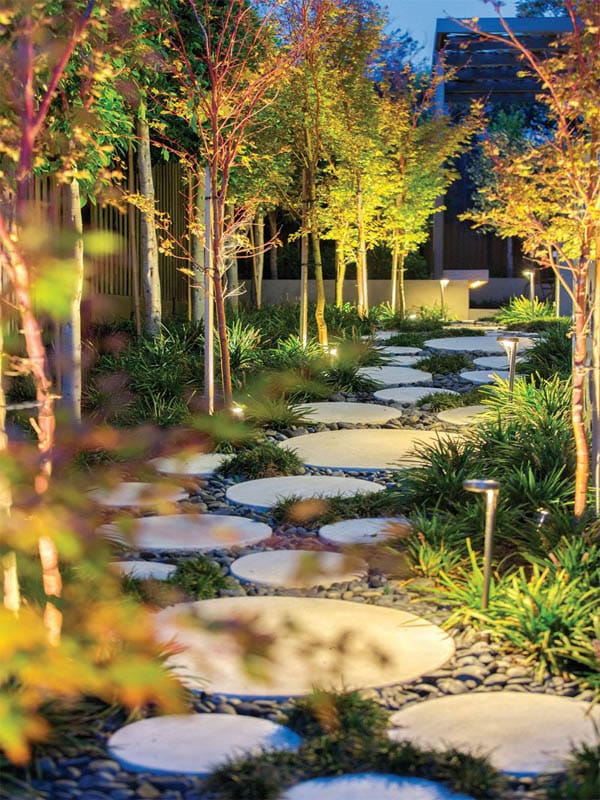
8. The Moonlit Path
Create a magical nighttime ambiance with glow-in-the-dark or lighted stepping stones. These can be solar-powered or made using glow-in-the-dark resin. They not only look enchanting after sunset but also improve safety in dark areas.
Perfect For: Night gardens, party patios, or romantic backyard retreats.
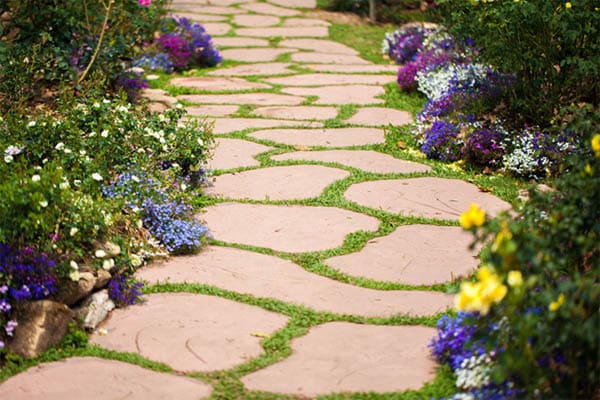
9. Rose-Colored Path
Use pink or rose-colored stones to create a soft, romantic path that complements floral gardens. Pair with climbing roses, lavender, or pastel blooms to enhance the effect.
Great In: English gardens, rose gardens, or vintage-themed landscapes.
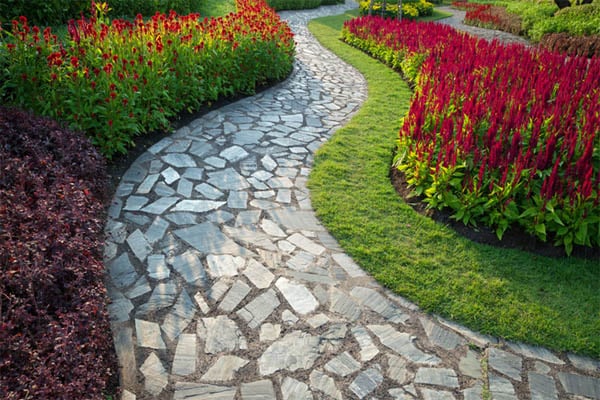
10. Warm Stones for a Wide Path
Lay broad, warm-toned flagstones or sandstone slabs to form a wider walkway suitable for wheelbarrows, garden carts, or seating areas. The wide layout makes your garden feel more open and spacious.
Recommended For: Entryways, garden patios, or main access paths.
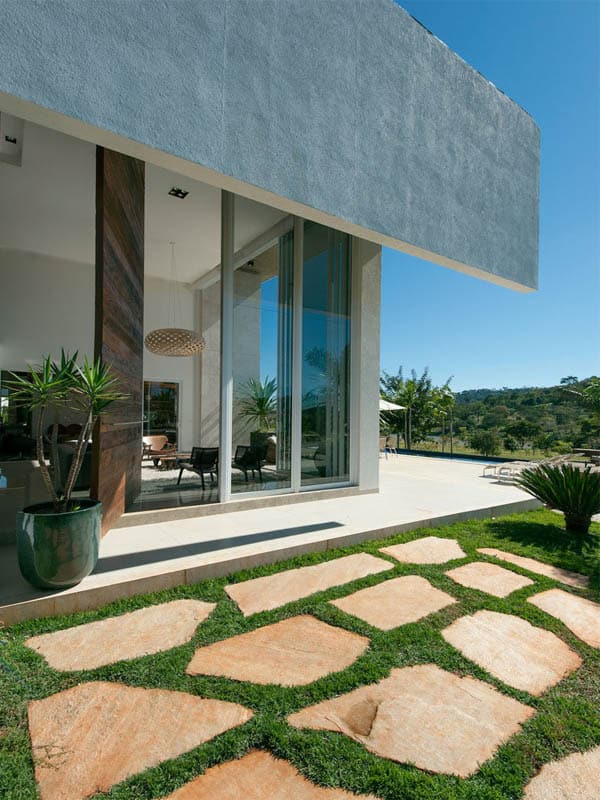
11. The Botanical Garden Path
Take inspiration from public botanical gardens and use irregular flagstones interplanted with low ground covers such as creeping Jenny, blue star creeper, or moss. This creates a seamless, lush appearance that’s both ornamental and practical.
Ideal For: Naturalistic or pollinator-friendly gardens.
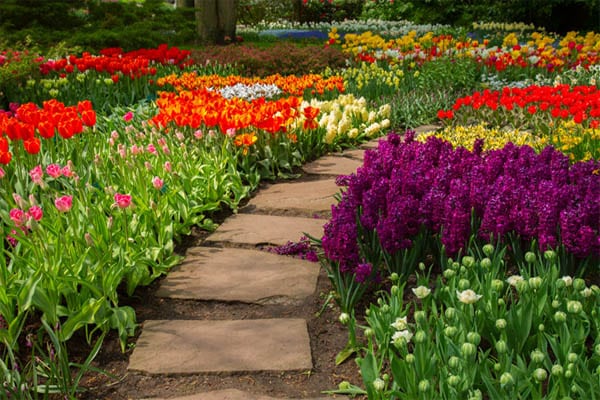
12. The Path of Etched Flowers
Stepping stones etched or engraved with floral designs, leaves, or vines add an artistic and personalized touch. You can DIY your own concrete stones with imprints or purchase pre-etched pavers.
Add-On Idea: Include the names of flowers or herbs etched into each stone.
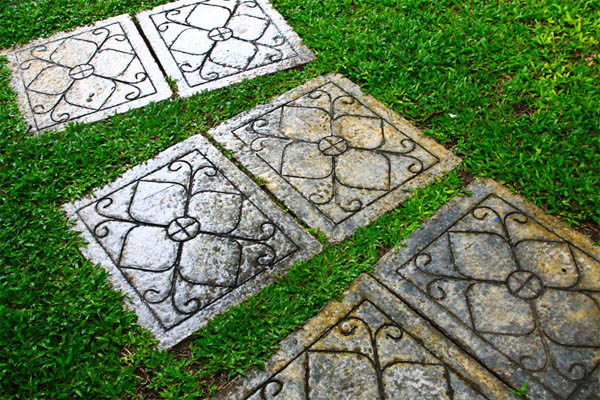
13. A Relaxing Stroll
Design a zen-like stepping path that encourages slow walking and mindfulness. Use smooth, neutral-toned stones with wide spacing, and flank the path with bamboo, ornamental grasses, or water features.
Perfect For: Meditation gardens or quiet reading nooks.
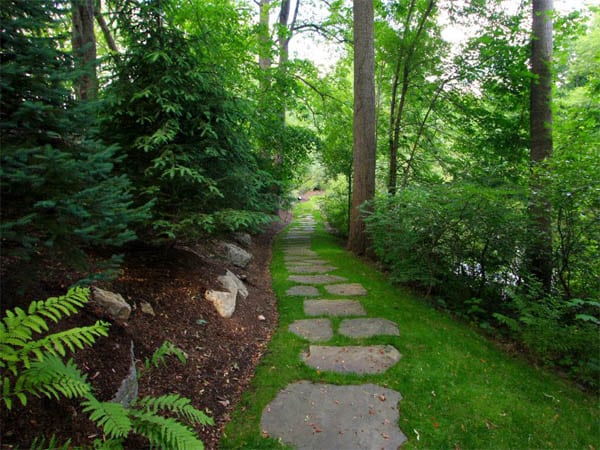
14. Lily Pad Path
Mimic nature by using large, round flat stones that resemble lily pads. Lay them over gravel or grass to create a floating effect, especially near water features, ponds, or garden bridges.
Best For: Water gardens or whimsical, nature-inspired spaces.
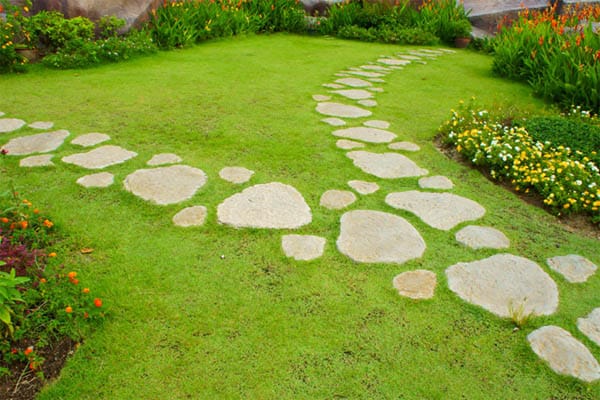
15. The Path of Perfect Symmetry
For formal gardens, design a symmetrical path with evenly spaced stepping stones and flanked by matching plants on each side. Symmetry creates visual balance and a strong sense of structure.
Great For: Entryways, formal courtyard gardens, or parterre layouts.
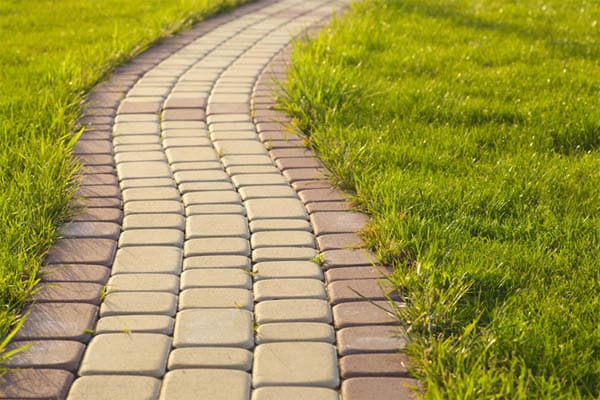
A stepping stone path is more than a way to get from one end of the garden to the other—it’s a chance to express your style and connect with your outdoor space.
Whether you favor rustic charm, geometric minimalism, or storybook whimsy, there’s a path design to suit your taste and landscape.
When choosing or designing your path, consider:
-
The function: Is it a main walkway or a decorative trail?
-
The materials: Flagstone, wood, gravel, concrete, recycled materials.
-
The plant life: How will the path complement your flowers, shrubs, or trees?
-
The climate: Make sure materials are slip-resistant and weather-resistant for your region.
With a little creativity and planning, your garden path can become one of the most beautiful and memorable parts of your landscape.