Organic gardening is more than just avoiding synthetic pesticides and fertilizers—it’s about working in harmony with nature, improving soil health, encouraging biodiversity, and growing food that’s healthy for you and the planet.
Whether you’re new to organic gardening or a seasoned green thumb, there are always smart, eco-friendly tricks you can adopt to grow more successfully, naturally.
Here are 20 genius organic gardening hacks that will help you improve your yields, boost soil health, repel pests, and grow an abundant garden—all without harmful chemicals.
1. Use Banana Peels as Natural Fertilizer
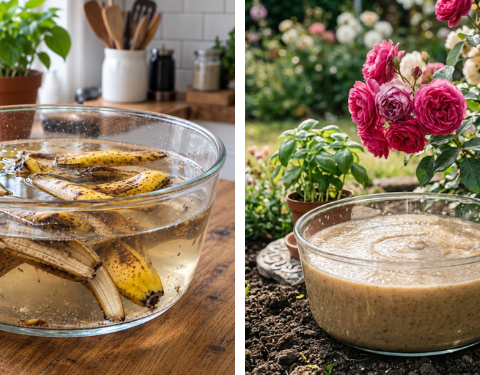
Banana peels are rich in potassium, phosphorus, and calcium—essential nutrients for flowering and fruiting plants like tomatoes, peppers, and roses.
Hack: Bury chopped banana peels in the soil near the base of your plants or blend them into a liquid fertilizer for an instant nutrient boost.
2. Plant Marigolds to Deter Pests
Marigolds aren’t just pretty—they’re also powerful natural pest repellents. They deter aphids, whiteflies, nematodes, and even rabbits.
Hack: Interplant marigolds throughout your vegetable beds to naturally keep harmful insects at bay.
3. Use Epsom Salt for Greener Leaves and Bigger Blooms
Epsom salt contains magnesium and sulfur, which are vital for chlorophyll production.
Hack: Dissolve 1 tablespoon of Epsom salt in a gallon of water and use it as a foliar spray every 2–4 weeks, especially for tomatoes, peppers, and roses.
4. Attract Pollinators with Native Flowers
Pollinators like bees, butterflies, and hummingbirds are essential for garden success.
Hack: Plant nectar-rich native flowers like bee balm, echinacea, black-eyed Susans, and lavender to attract pollinators and improve crop yields.
5. Start Seeds in Citrus Peels or Eggshells
Biodegradable seed starters made from citrus halves or eggshells are eco-friendly and nutrient-rich.
Hack: Fill a hollowed citrus peel or cracked eggshell with potting soil, plant your seeds, and transplant the whole thing into your garden when ready.
6. Use Coffee Grounds to Improve Soil
Coffee grounds add organic matter to the soil and slightly acidify it—great for plants like blueberries, azaleas, and tomatoes.
Hack: Mix used coffee grounds into your compost pile or sprinkle around acid-loving plants.
7. DIY Organic Pest Spray with Garlic and Chili
Make a natural insecticide using garlic, chili, and soap to deter aphids, spider mites, and whiteflies.
Hack: Blend 1 head of garlic, 1 tsp chili powder, and a drop of dish soap in water. Strain and spray on affected plants.
8. Use Companion Planting for Natural Pest Control
Certain plants benefit each other when grown together.
Hack: Plant basil near tomatoes, carrots with onions, and beans with corn to naturally repel pests and improve growth.
9. Mulch with Grass Clippings
Grass clippings make an excellent chemical-free mulch that retains moisture and suppresses weeds.
Hack: Spread a thin layer of dry, untreated clippings around plants—just avoid piling it too thick to prevent mold.
10. Grow Cover Crops in the Off-Season
Cover crops like clover, rye, or vetch improve soil fertility and prevent erosion.
Hack: In fall or early spring, sow cover crops in empty beds. Cut and dig them into the soil before planting time.
11. Crush Eggshells to Deter Slugs and Snails
Eggshells create sharp edges that soft-bodied pests like slugs hate crawling over.
Hack: Scatter crushed eggshells around the base of tender plants like lettuce and strawberries.
12. Brew Compost Tea for a Nutrient-Rich Boost
Compost tea is a liquid gold organic fertilizer packed with beneficial microbes.
Hack: Steep a mesh bag of finished compost in water for 24–48 hours. Use as a soil drench or foliar spray to revitalize plants.
13. Create a Worm Tower in Your Garden
Worms are nature’s best decomposers, and a worm tower brings them right into your garden bed.
Hack: Use a PVC pipe with holes drilled in the sides. Bury it vertically in the soil and feed worms kitchen scraps. The worms enrich the soil as they move in and out.
14. Use Cardboard for Weed Suppression
Cardboard is biodegradable and perfect for sheet mulching.
Hack: Lay flattened cardboard over weedy areas and cover with compost or mulch. It smothers weeds while enriching the soil.
15. Repel Deer and Rabbits with Human Hair or Soap
Human scent and strong fragrances can deter garden mammals.
Hack: Hang mesh bags filled with human hair or fragrant soap shavings on garden fences or trees near vegetable patches.
16. Use Vinegar to Kill Weeds in Walkways
A natural herbicide, white vinegar can control unwanted weeds in paths and non-planting areas.
Hack: Spray full-strength vinegar directly on weeds during a sunny day. Be careful—it can kill plants too.
17. Grow Vertically to Save Space
Vertical gardening reduces disease, increases air flow, and improves yields in small areas.
Hack: Use trellises, hanging baskets, or pallet gardens to grow beans, cucumbers, peas, and tomatoes upward instead of outward.
18. Create a Biodiverse Garden to Balance Pests
Diversity attracts a range of beneficial insects that help control pests naturally.
Hack: Mix annuals, perennials, herbs, and native plants to build a thriving ecosystem right in your backyard.
19. Use Greywater to Irrigate Non-Edibles
Reduce waste and save water by using household greywater from sinks or showers.
Hack: Redirect soapy water (free of harsh chemicals) to irrigate lawns or ornamental plants—not edible crops.
20. Rotate Crops to Prevent Soil Depletion and Disease
Growing the same crop in the same place every year depletes soil nutrients and builds up pathogens.
Hack: Rotate plant families every season. For example:
-
Year 1: Tomatoes (nightshades)
-
Year 2: Beans (legumes)
-
Year 3: Carrots (roots)
-
Year 4: Lettuce (leafy greens)
This cycle keeps your soil healthy and reduces disease risk.
Organic gardening doesn’t have to be expensive or complicated. With the right strategies and a bit of creativity, you can grow a flourishing, chemical-free garden that’s better for your health, your soil, and the environment.
From DIY fertilizers and homemade pest control to planting techniques that mimic nature, these 20 genius organic gardening hacks give you all the tools you need to cultivate success—naturally.
Whether you have a small backyard garden, a balcony full of containers, or a sprawling homestead, these time-tested tricks will help you grow healthier, tastier crops without synthetic inputs.