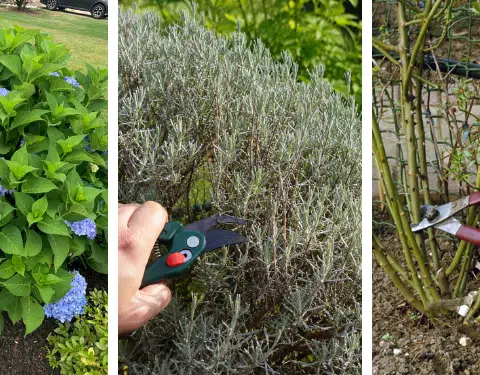
Bees are essential to our ecosystem, contributing significantly to pollination and the sustainability of food crops.
While honeybees are well known, other species such as bumblebees, soldier bees, carpenter bees, mason bees, and sweat bees play an equally vital role.
Approximately one-third of our food supply, particularly fruits and vegetables, depends on bee pollination.
Bees and flowering plants have co-evolved, relying on each other for survival.
Certain flowers require specific types of bees for effective pollination, while these bees depend on the nectar and pollen from those flowers for sustenance.
The Threats to Bees
Unfortunately, modern agricultural practices, urbanization, and pollution threaten bee populations. Factors such as:
- Habitat destruction from expanding cities
- Use of pesticides and environmental pollutants
- Intensive farming reducing plant diversity
These lead to a decline in bee populations, which could negatively impact global food production. To counteract this, creating a bee-friendly garden is a small yet significant step toward supporting these crucial pollinators.
How to Create a Bee-Friendly Garden
One of the best ways to attract and support bees is by choosing flowering plants that provide ample nectar and pollen. Here’s how you can design a garden that welcomes bees:
Selecting the Right Flowers
1. Native Flowers
Many wild bee species prefer native plants, as these have evolved alongside local pollinators. Although many native flowers are labeled as weeds, planting them in your garden will attract diverse bee species.
2. Colorful Flowers
Bees are naturally drawn to specific colors, primarily yellow, white, and the blue-purple spectrum. Planting a mix of these colors will enhance pollination activity in your garden.
3. Fragrant Flowers
Flowers produce scents specifically to attract pollinators. Choosing highly fragrant plants will further encourage bees to visit your garden.
4. Long Blooming Flowers
Select plants that have long flowering seasons to ensure that bees have a consistent food supply throughout the growing months.
5. Early Season Flowers
Planting flowers that bloom in early spring helps provide nourishment to bees emerging from winter hibernation when food sources are still scarce.
6. Mass Plantings
Rather than planting single specimens, opt for large patches of the same plant or a mixed selection of bee-friendly flowers. This makes it easier for bees to locate resources and ensures more efficient pollination.
Best Flowers for Attracting Bees
Below is a list of some of the most beneficial plants to include in your bee-friendly garden:
1. BEE BALM (MONARDA SP.)
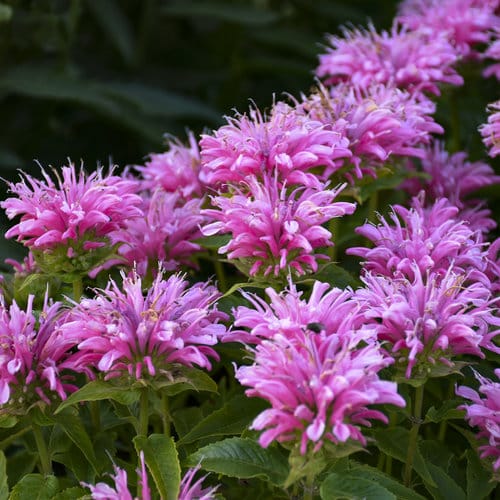
Native to North America, Bee Balm is a prolific summer bloomer that attracts bees with its aromatic leaves and nectar-rich flowers.
Available in red, pink, purple, and white, it is easy to grow and thrives in sunny, moist conditions. USDA Zones: 3-9
2. BLACKEYED SUSAN (RUDBECKIA HIRTA)

These sunny yellow flowers with dark centers are a favorite among native bees and butterflies.
They are easy to grow, tolerate poor soil, and require minimal maintenance. USDA Zones: 4-9
3. STONECROP (SEDUM SPP.)
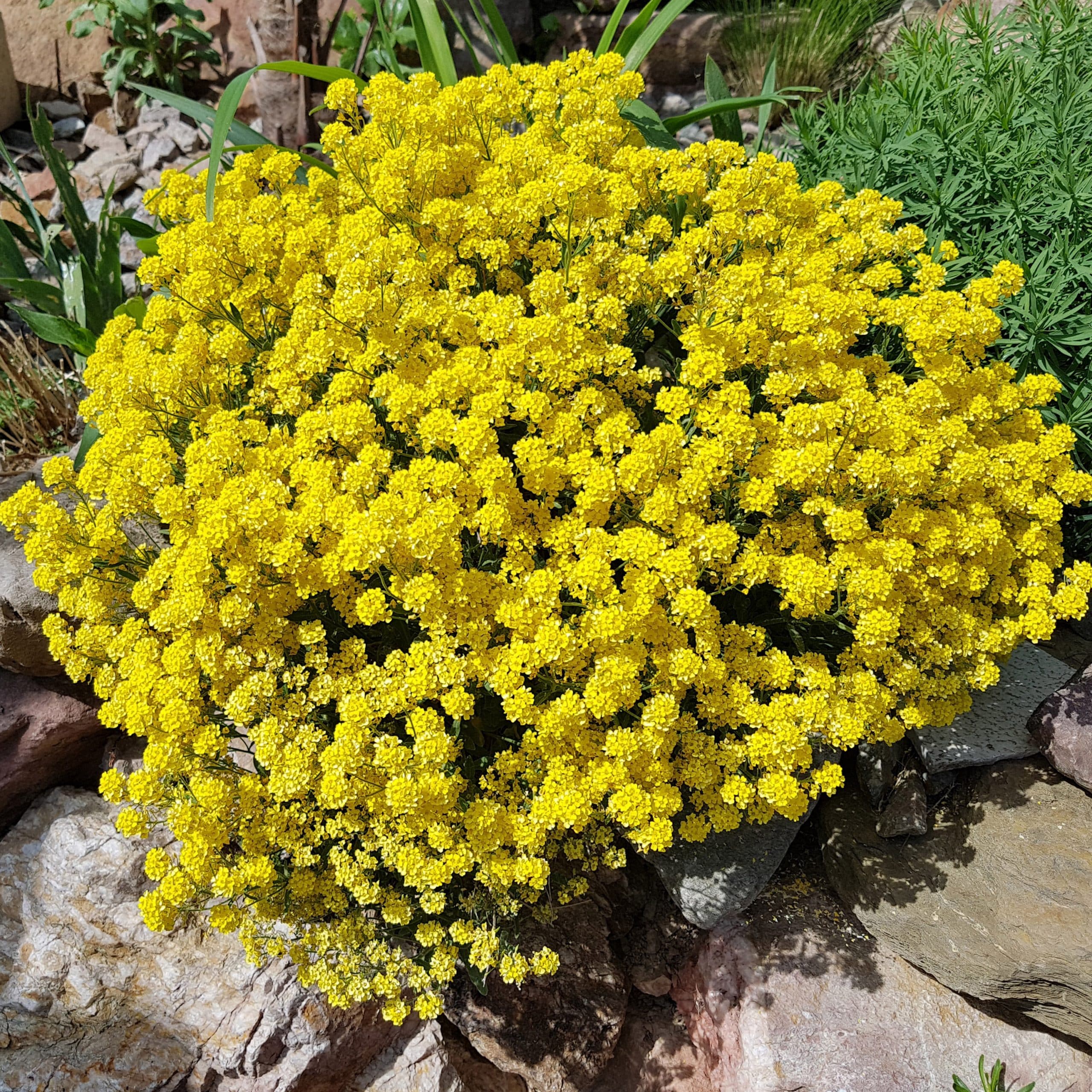
These succulents are drought-tolerant and thrive in poor soil.
Their star-shaped flowers provide bees with nectar from mid-spring through late fall. USDA Zones: 3-11
4. GOLDENROD (SOLIDAGO SPP.)
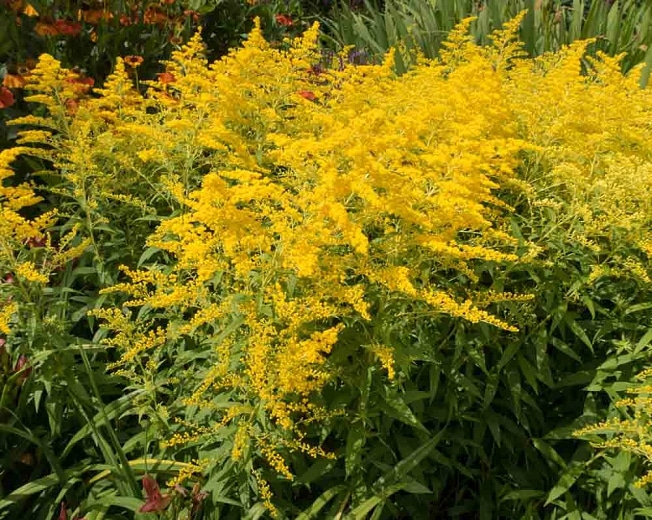
Often mistaken for an allergen, goldenrod actually produces nectar that supports wild bee populations.
It blooms from midsummer to fall and is a vital late-season food source. USDA Zones: 5-10
5. BUTTERFLY BUSH – (BUDDLEJA DAVIDII)
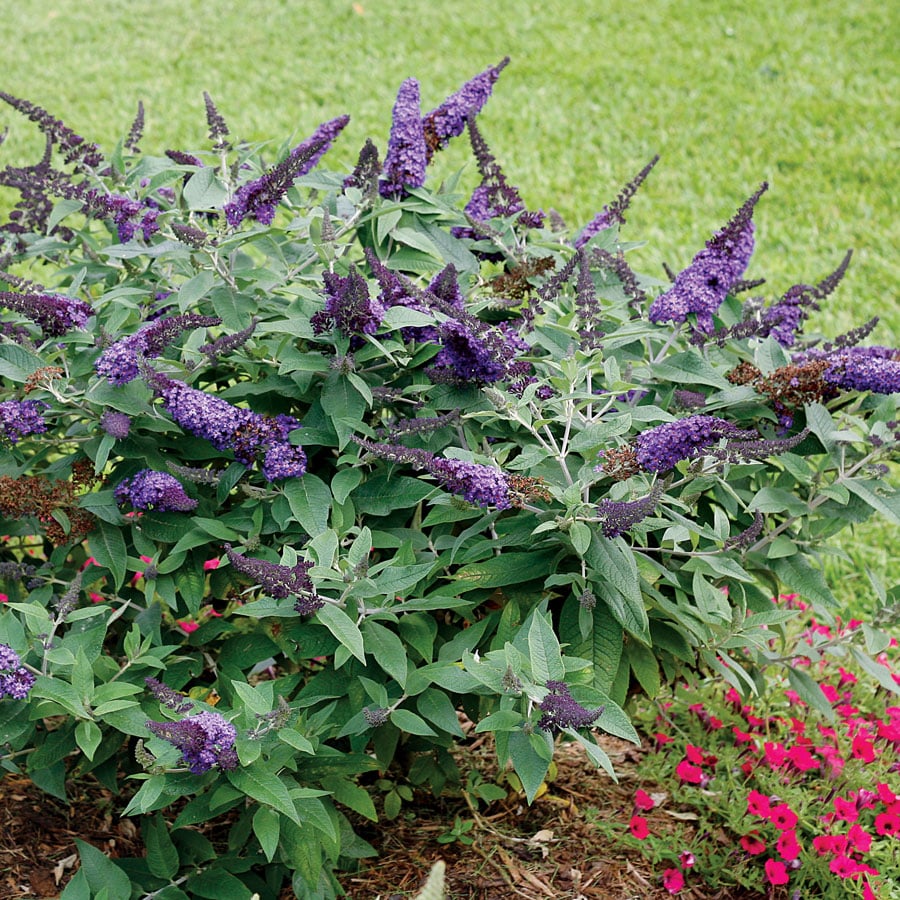
While known for attracting butterflies, this plant also draws in honeybees and hummingbirds with its fragrant flower spikes.
It thrives in full sun and well-drained soil. USDA Zones: 5-9
6. PURPLE CONEFLOWER (ECHINACEA PURPUREA)
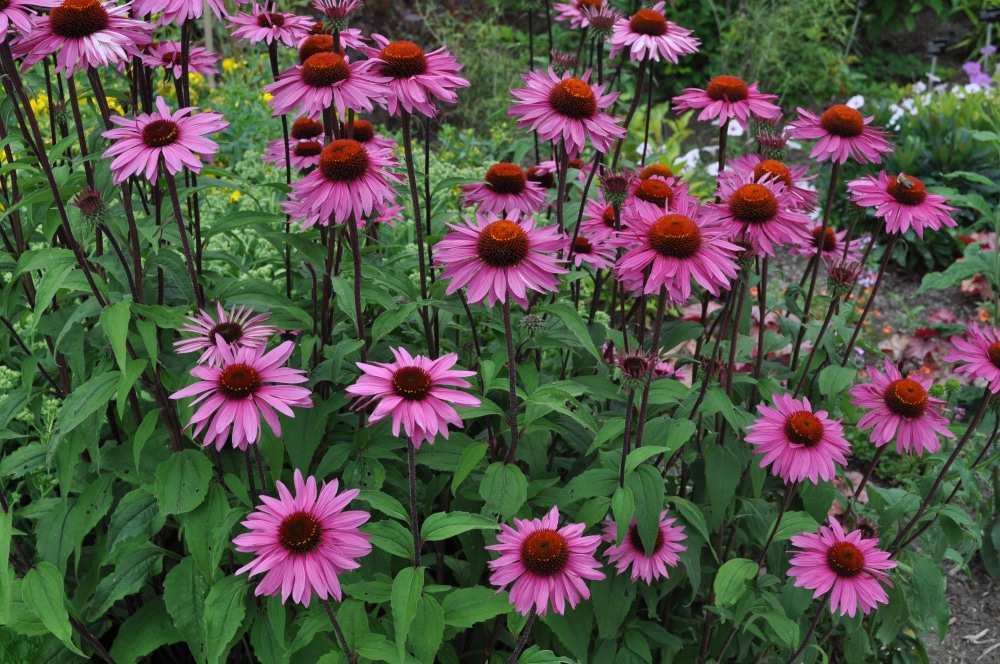
A hardy perennial that blooms from midsummer to late fall, Echinacea provides ample pollen and nectar for bees and butterflies.
It also has medicinal uses. USDA Zones: 3-9
7. JOE-PYE WEED (EUTROCHIUM PURPUREUM)
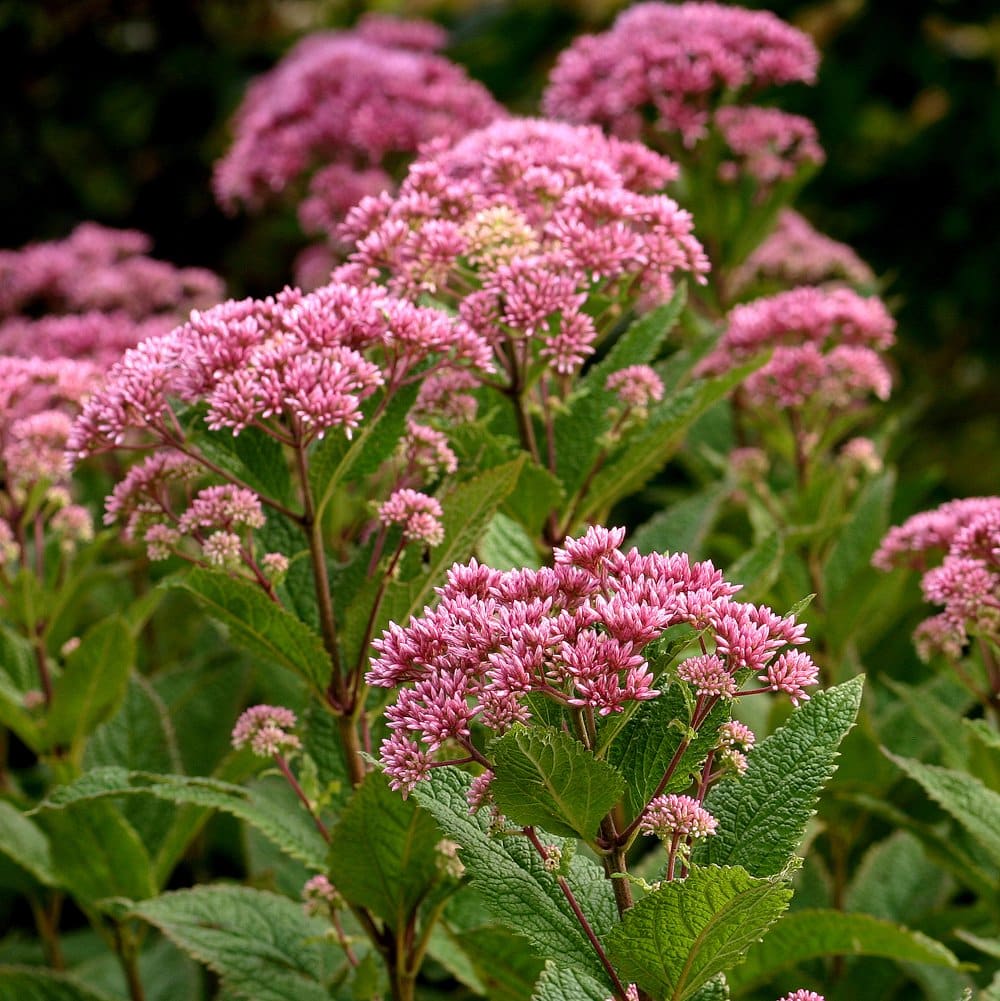
Despite its name, this tall-growing perennial produces pink and purple clusters that attract numerous bee species. USDA Zones: 4-9
8. LAVENDER (LAVENDULA AUGUSTIFOLIA)

Aromatic and drought-resistant, lavender provides nectar-rich flowers that bloom from late spring to summer. Bees love this herb, and its scent also repels certain pests. USDA Zones: 4-10
9. SNOWDROPS (GALANTHUS SPP.)
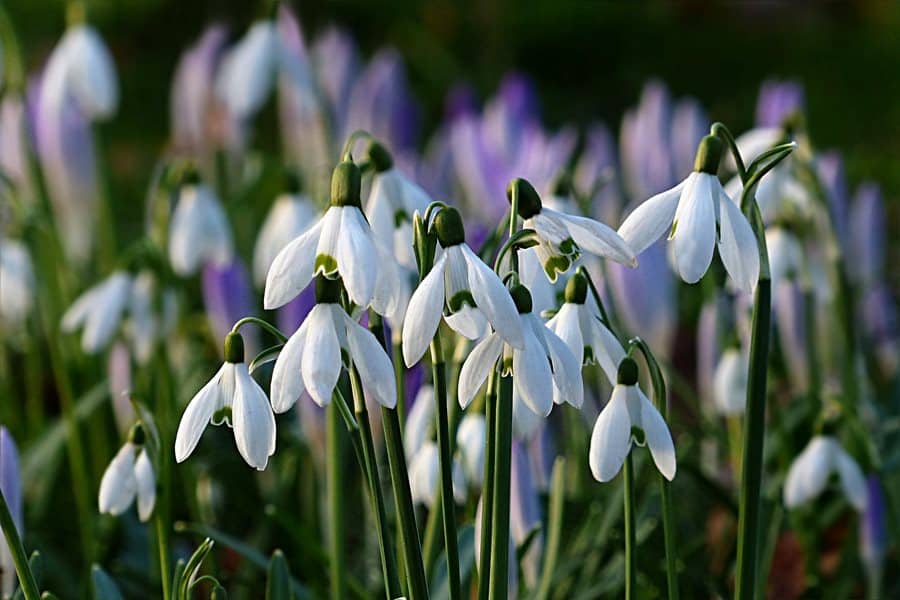
Among the earliest bloomers of the year, snowdrops provide bees with one of the first sources of nectar after winter dormancy. USDA Zones: 3-8
10. CROCUS (CROCUS SPP.)
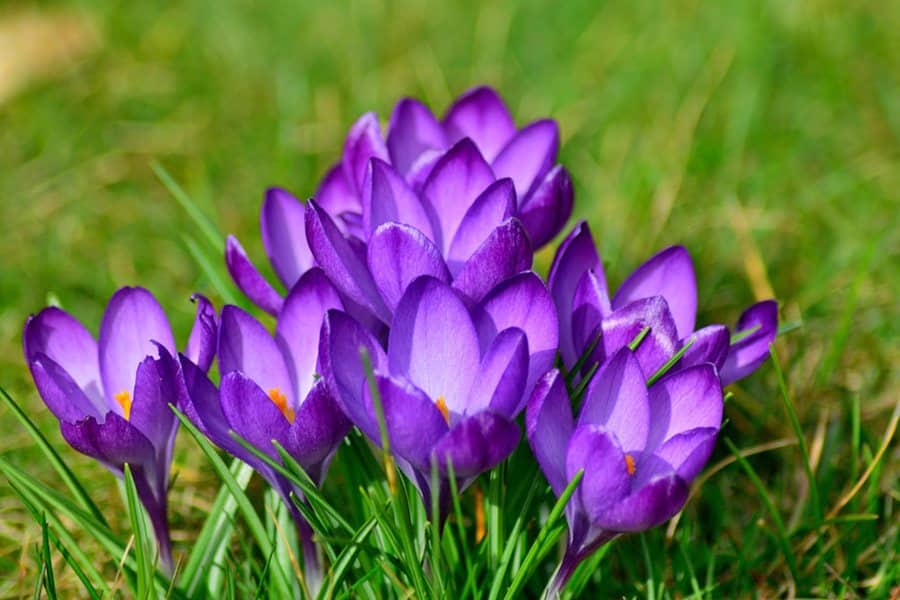
These early spring bloomers provide essential nourishment for bees when other flowers are scarce. USDA Zones: 3-8
11. SUNFLOWERS (HELIANTHUS SPP.)
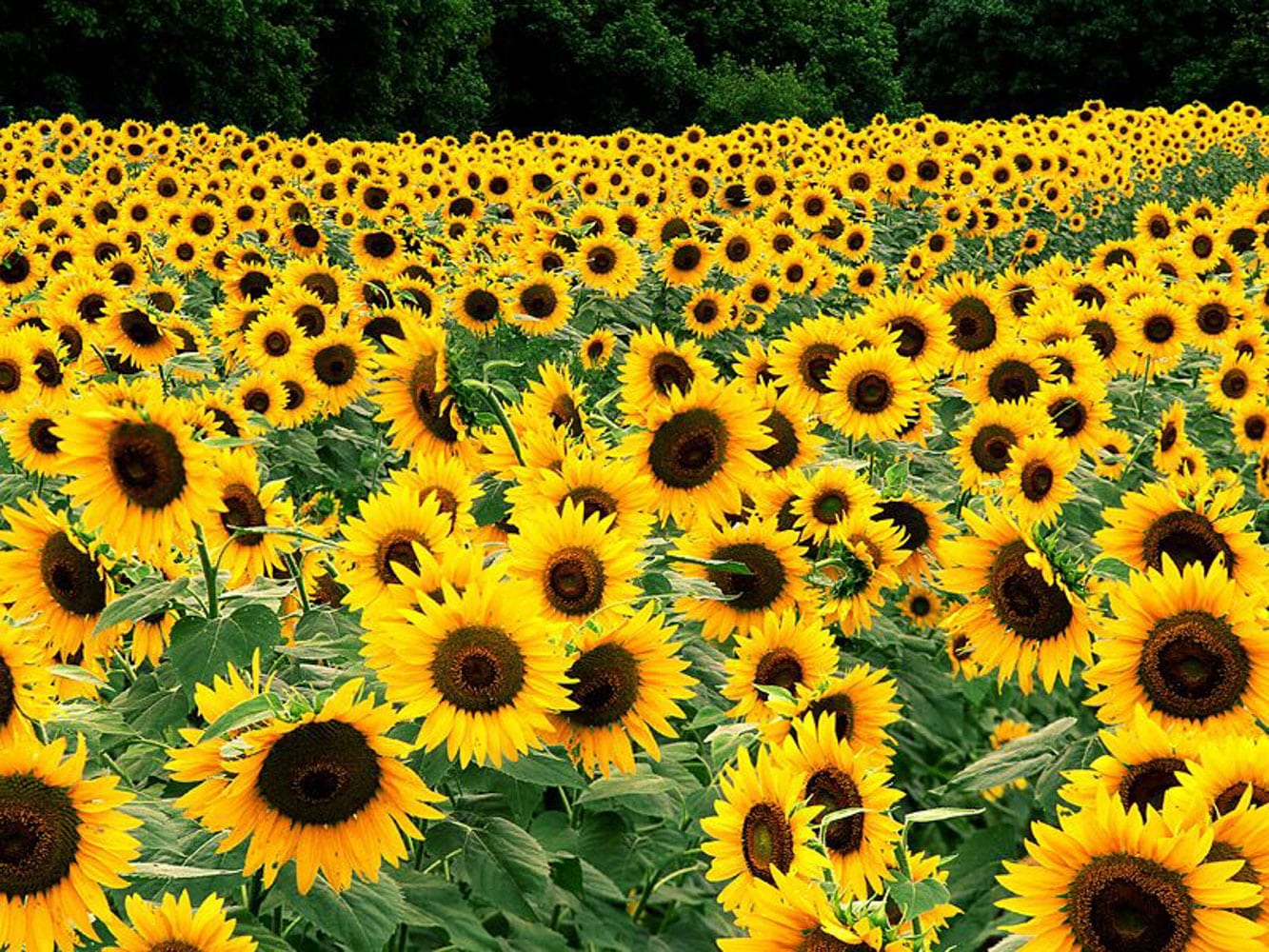
The large flower heads provide ample nectar and pollen for bees, making them a staple in any pollinator garden. USDA Zones: 3-10
12. ROSES
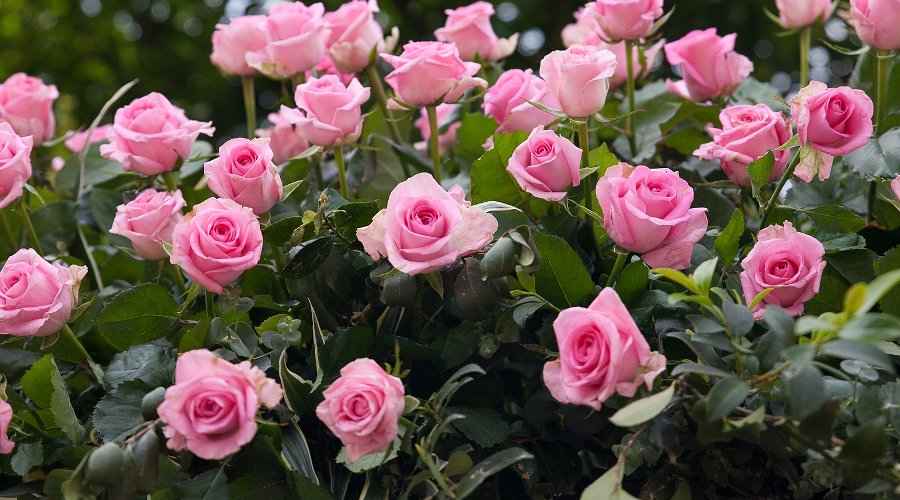
Not all roses attract bees—choose single-petal, old-fashioned varieties with open centers to provide easy access to pollen. USDA Zones: 4-10
13. CRANESBILLS (GERANIUM SPP.)
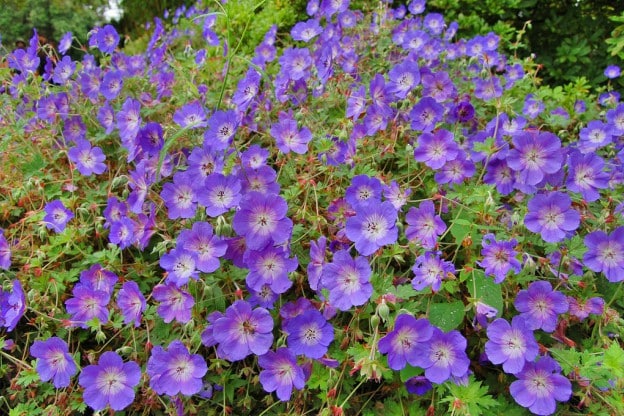
These hardy perennials bloom from early spring to winter, offering a consistent nectar source for pollinators. USDA Zones: 4-10
14. BUTTERFLY WEED (ASCLEPIAS TUBEROSA)
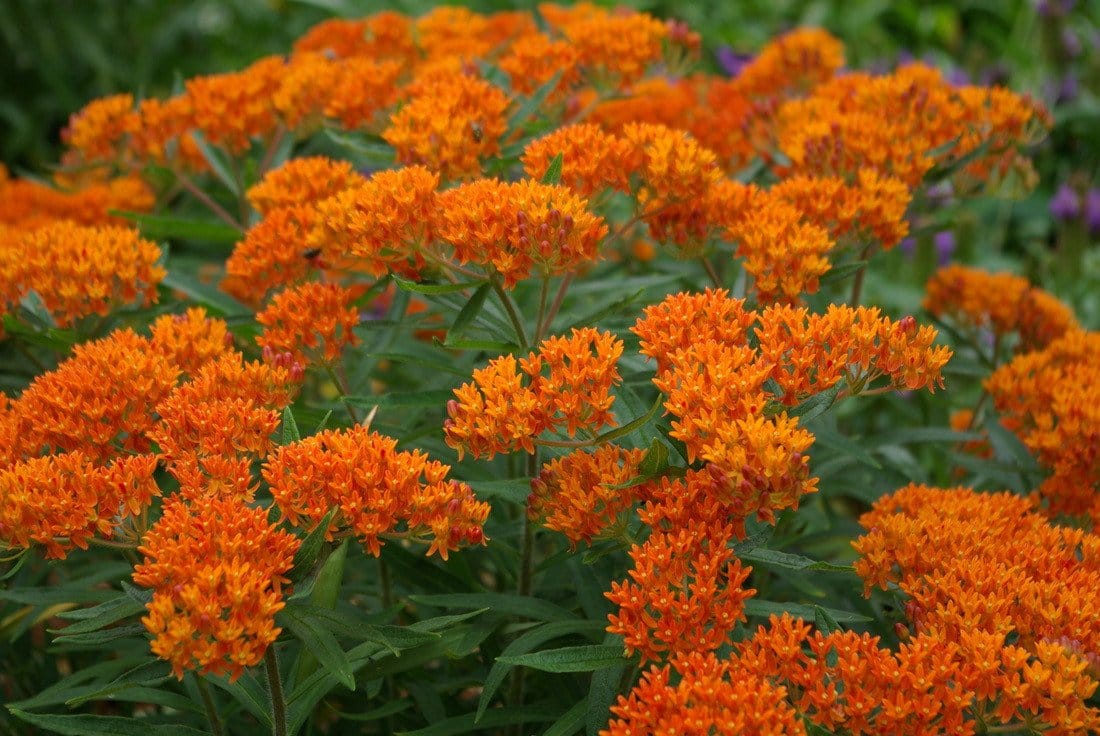
A type of milkweed, this plant attracts monarch butterflies, bees, and other nectar-seeking insects. USDA Zones: 3-9
15. COSMOS (COSMOS BIPINNATUS/ C. SULPHUREUS)
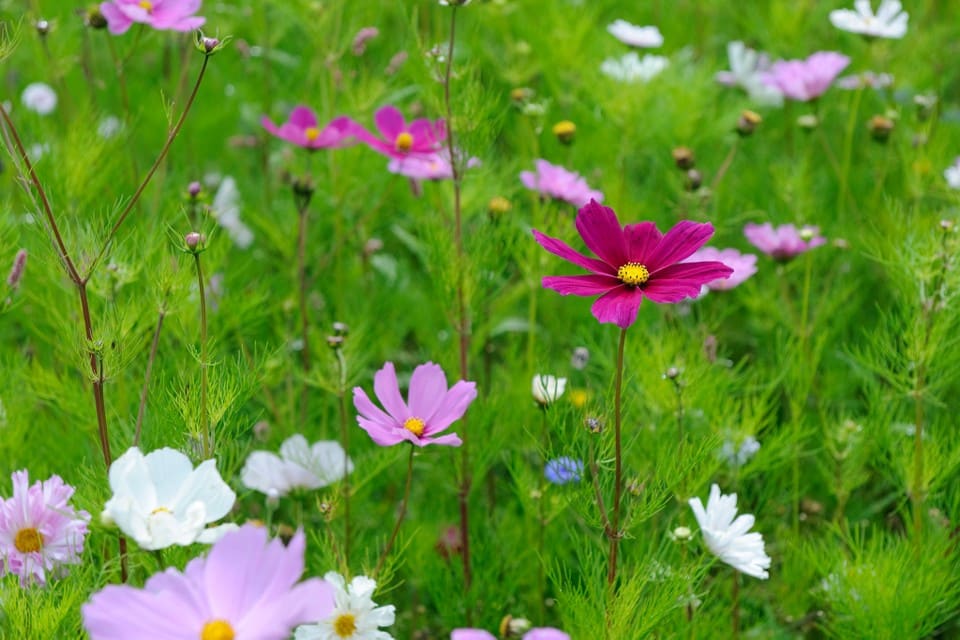
Easy-to-grow annuals with feathery leaves and brightly colored blooms, cosmos attract bees throughout their long flowering season. USDA Zones: 9-11
Creating a Safe Haven for Bees
Beyond planting flowers, you can further support bees by:
- Avoiding Pesticides – Use natural alternatives to protect pollinators.
- Providing Water Sources – A shallow dish with stones offers a safe drinking spot.
- Leaving Some Wild Spaces – Bees need undisturbed areas for nesting.
- Growing a Variety of Plants – Ensure a continuous bloom cycle throughout the year.
Bees are invaluable pollinators that play a vital role in food production and ecosystem health.
By planting bee-friendly flowers and creating a safe environment, you help protect these essential creatures while enhancing the beauty of your garden.