Tossing and turning at night? You’re not alone. There’s nothing quite like finally dozing off—only to be jolted awake by your alarm clock ten minutes later. Ugh.
Sleepless nights don’t just leave us groggy—they can wreck our mood, zap our energy, and throw off our whole day.
But here’s some good news: You might not need to count sheep or reach for the sleep meds just yet. One natural (and totally gorgeous) way to sleep more soundly is by surrounding yourself with indoor plants.
Not only do they liven up your home and boost your mood, but many also have calming, purifying superpowers that make falling asleep way easier.
Since stress, anxiety, and poor air quality are some of the biggest sleep-stealers out there, adding a few of these plants to your bedroom might just be the bedtime upgrade you didn’t know you needed.
In fact, NASA (yes, that NASA!) did a whole study on plants that help clean the air—so you know it’s legit.
Ready to turn your bedroom into a peaceful, oxygen-rich oasis? These 12 dreamy, NASA-backed plants will help you sleep better, breathe easier, and wake up refreshed.
1. Jasmine (Jasminum spp.)
Soothing Scent | Reduces Anxiety | Boosts Sleep Quality
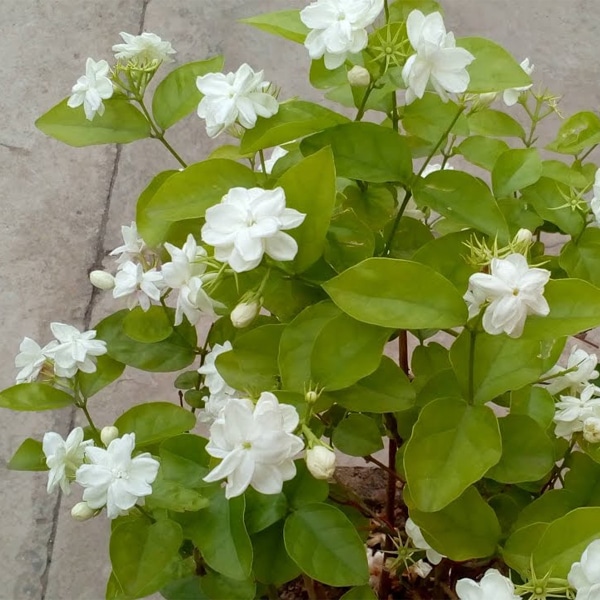
Jasmine is more than just a romantic bloom—it’s a natural sleep aid in floral form. Its soft, sweet fragrance has been shown to reduce anxiety, improve mood, and help you fall asleep faster.
A study from Wheeling Jesuit University found that people exposed to jasmine scent during sleep reported lower anxiety levels and better sleep efficiency, and even woke up feeling more refreshed and alert.
Care Tips:
- Prefers bright, indirect sunlight.
- Keep the soil slightly moist but not soggy.
- Loves humidity—mist it occasionally or place near a humidifier.
Best spot: Near your bed or window where its scent can gently lull you to sleep.
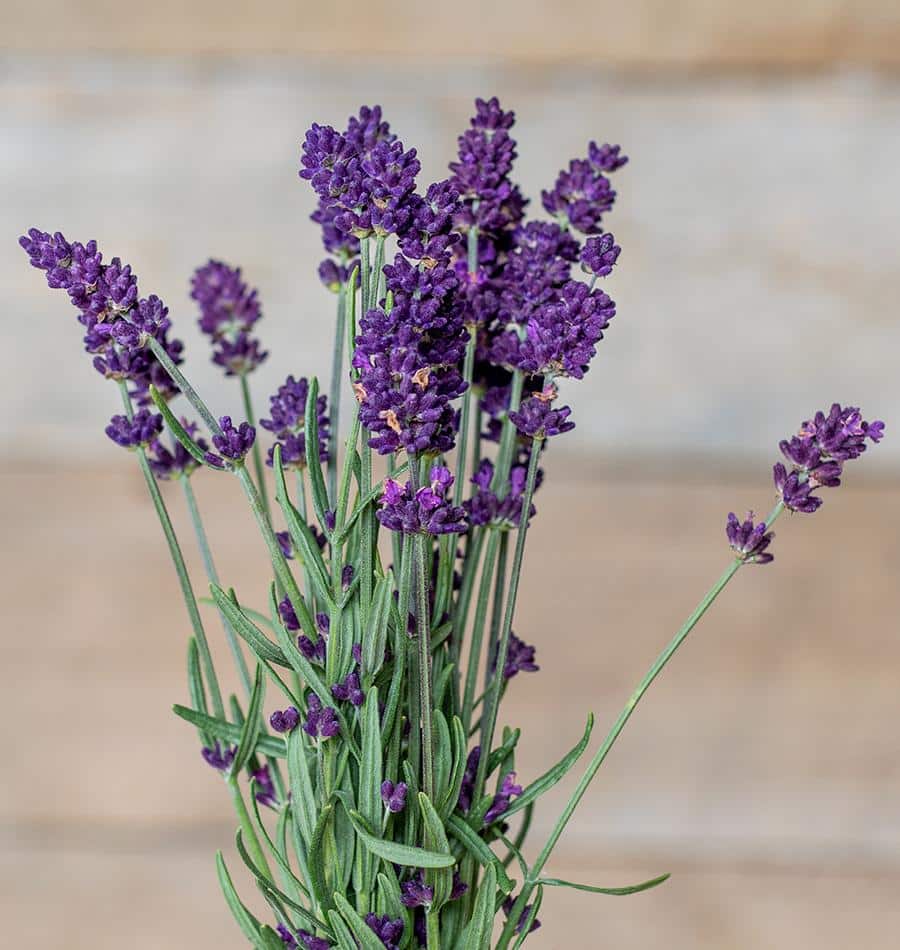
2. Lavender (Lavandula spp.)
Calms the Nervous System | Slows Heart Rate | Improves Sleep Cycles
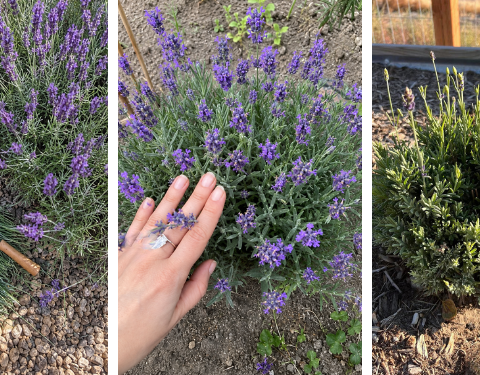
Lavender is legendary for its sleep-inducing power. Its natural oils have been proven to reduce heart rate, lower blood pressure, and ease stress, setting the perfect scene for a peaceful night’s rest.
Studies have even shown lavender helps babies and mothers sleep more deeply, and in women, it may increase light sleep and shorten the time it takes to fall asleep.
Care Tips:
- Needs bright, direct sunlight (about 6–8 hours daily).
- Prefers well-drained soil—don’t overwater!
- Avoid humid environments.
Best spot: On a sunny windowsill in your bedroom.
3. Snake Plant (Sansevieria trifasciata)
Releases Oxygen at Night | Filters Toxins | Nearly Indestructible
Also called Mother-in-Law’s Tongue, the Snake Plant is a NASA favorite—and for good reason. It’s one of the few houseplants that converts CO₂ into oxygen at night, helping you breathe easier while you sleep.
It’s also a powerful filter for formaldehyde, benzene, and trichloroethylene, common indoor pollutants found in everything from cleaning supplies to furniture.
Care Tips:
- Thrives in low to bright indirect light.
- Very drought-tolerant—water every 2–3 weeks.
- Avoid overwatering or letting it sit in soggy soil.
Best spot: Anywhere in your bedroom—it’s super low-maintenance!

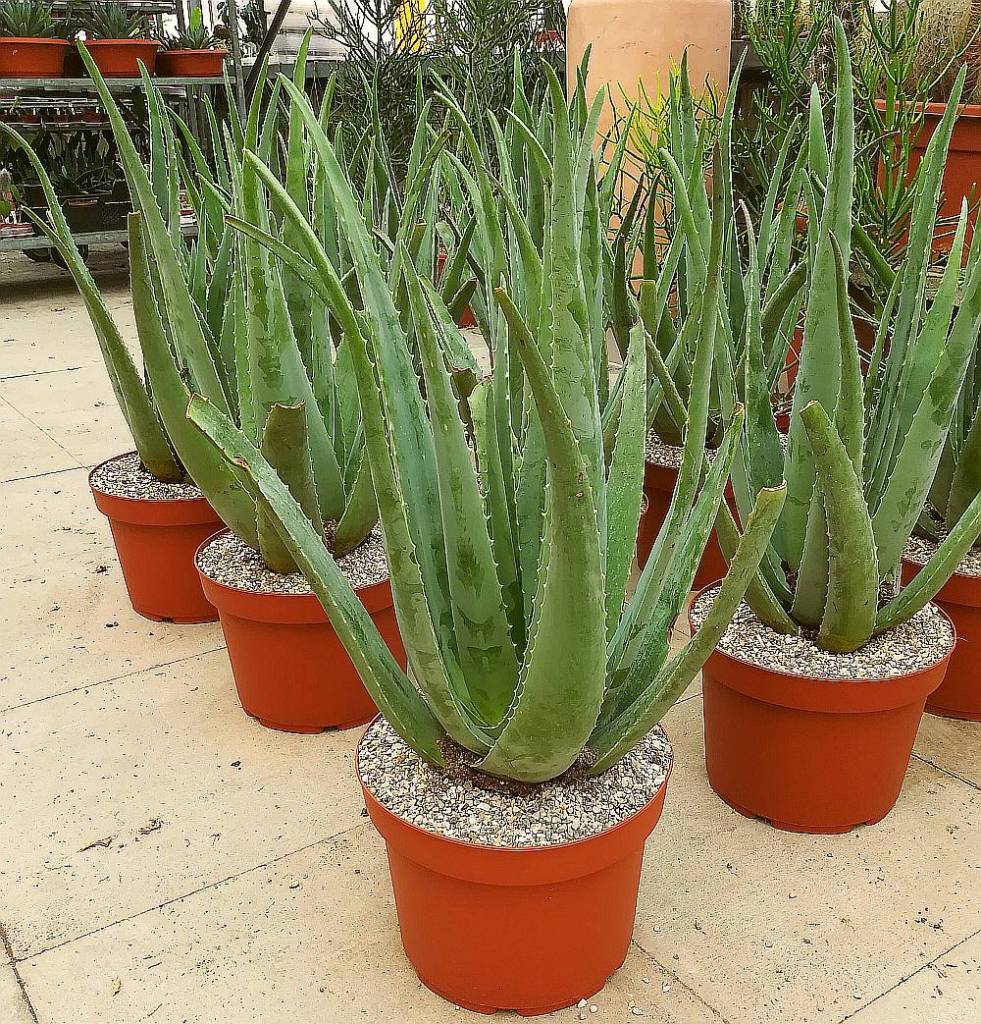
4. Aloe Vera
Nighttime Oxygen Producer | Air Purifier | Medicinal Bonus
Aloe vera is more than just a sunburn soother—it’s a nighttime oxygen powerhouse. Like the snake plant, it releases oxygen at night, improving air quality while you sleep.
It also made NASA’s list for removing formaldehyde and benzene from the air. Plus, you can use its gel on cuts, dry skin, or burns—a useful bedside buddy.
Care Tips:
- Loves bright, indirect sunlight.
- Water deeply but infrequently—every 2–3 weeks.
- Let the soil dry out between waterings.
Best spot: A sunny bedroom window.
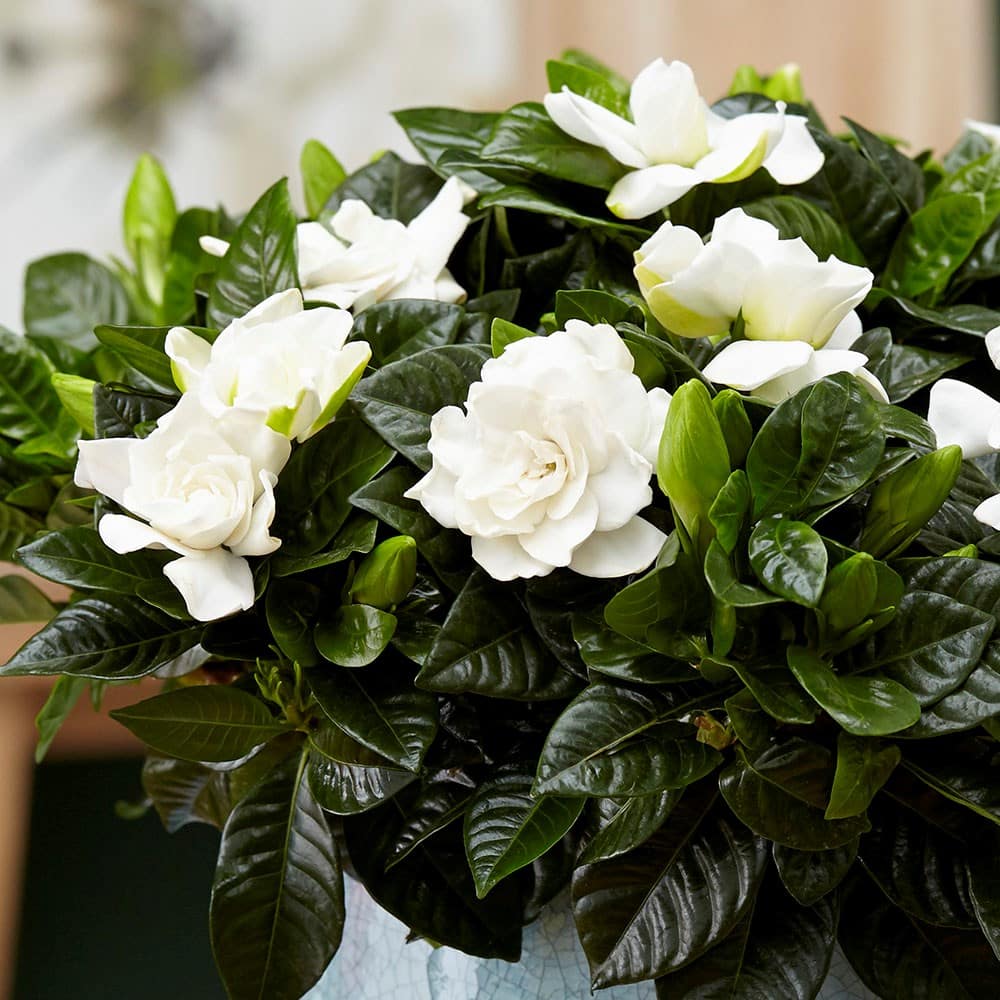
5. Gardenia (Gardenia jasminoides)
Reduces Anxiety | Promotes Deeper Sleep | Beautiful Aroma
This glossy, dark green plant with creamy white blossoms is as calming as it is lovely. Research suggests the scent of gardenia can be as effective as valium for reducing anxiety and promoting sleep.
However, it’s a bit of a diva. Gardenias require attention—but the reward is worth it if you suffer from insomnia.
Care Tips:
- Needs bright, indirect light and consistent moisture.
- Prefers high humidity and slightly acidic soil.
- Keep away from cold drafts and direct sun.
Best spot: In a warm, bright bedroom with filtered sunlight.
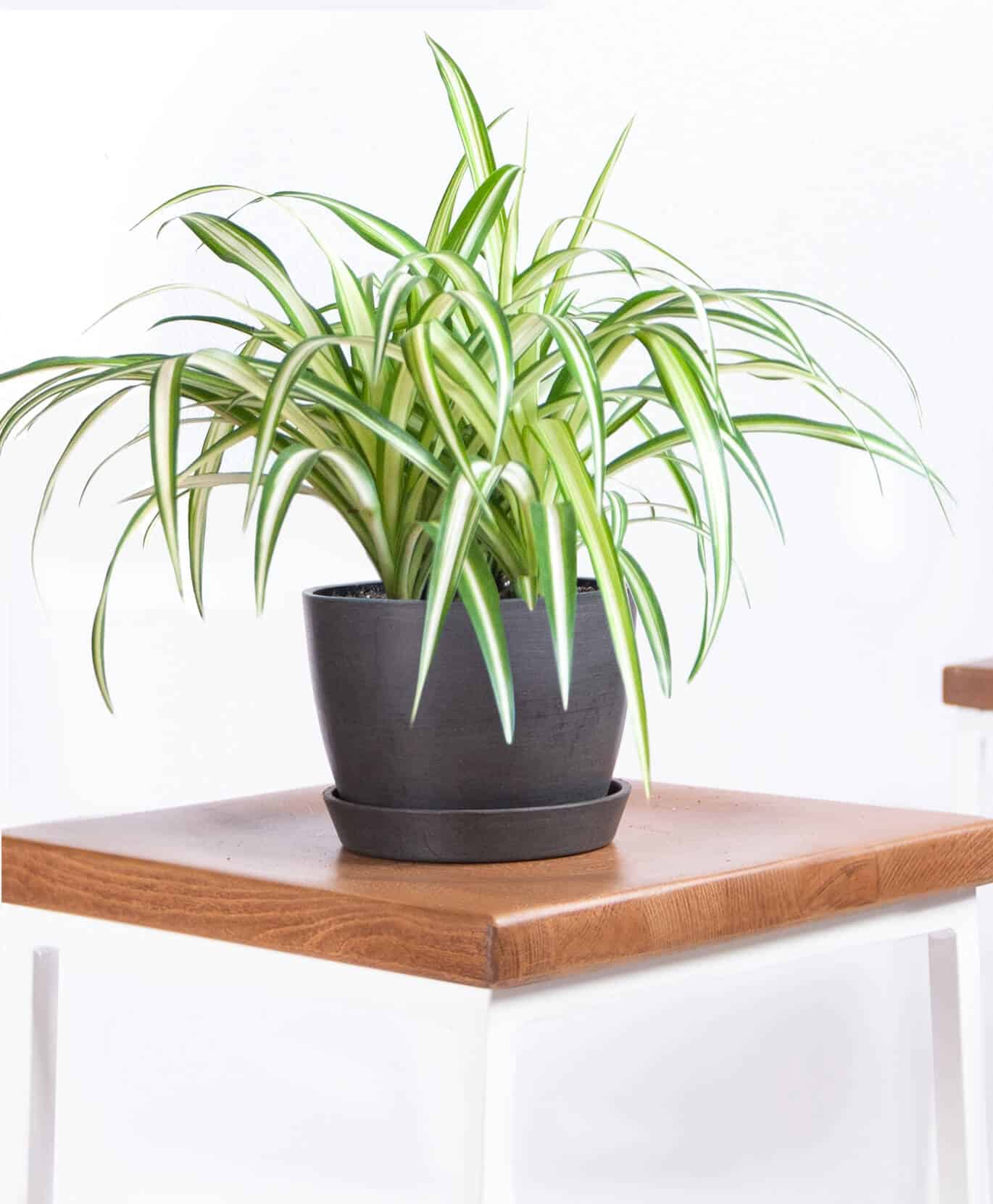
6. Spider Plant (Chlorophytum comosum)
Removes Formaldehyde | Absorbs Odors | Great for Beginners
The Spider Plant is a fun, fast-growing green friend that excels at air purification. NASA found it removes up to 90% of formaldehyde from the air. It also reduces odors and sustains oxygen levels in your room—key for restful breathing.
Bonus: It’s easy to propagate and ideal for new plant parents.
Care Tips:
- Thrives in bright, indirect light but tolerates low light.
- Water when the top inch of soil is dry.
- Loves humidity but survives in normal room conditions.
Best spot: Hanging in a corner or sitting on a shelf near your bed.
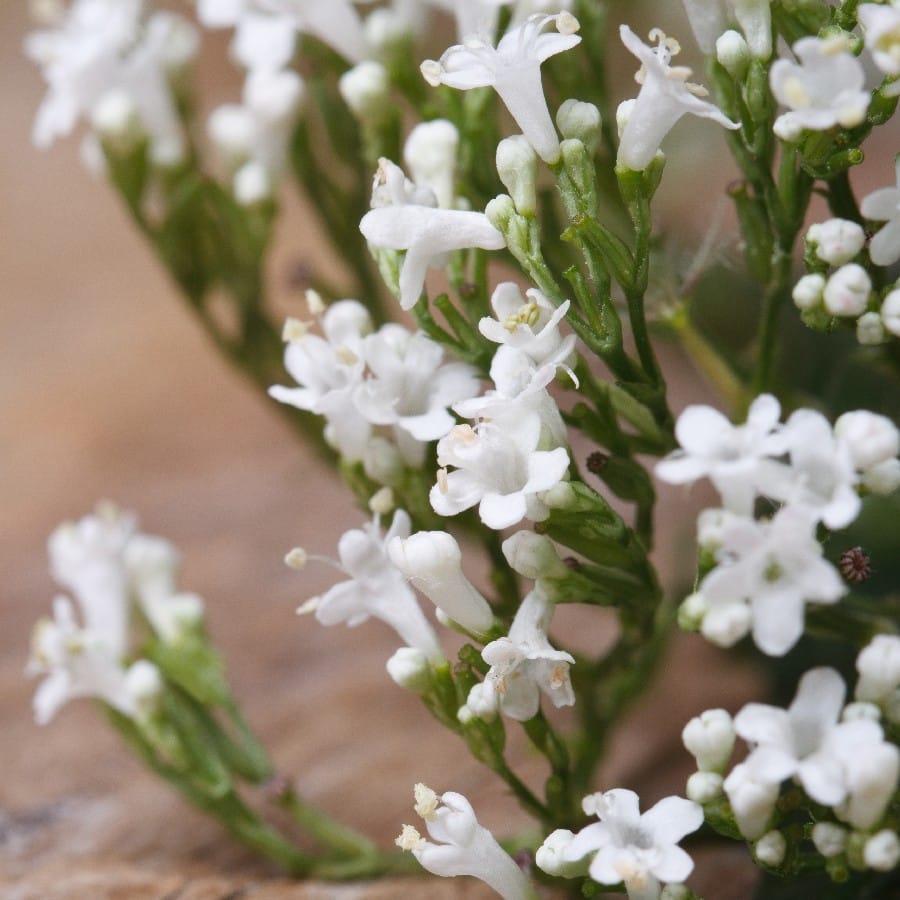
7. Valerian (Valeriana officinalis)
Scent Promotes Relaxation | Herbal Remedy for Insomnia
Valerian is a flowering perennial known for its use in herbal teas and tinctures for treating insomnia. Even without brewing it, simply inhaling its scent has been shown to calm the mind and promote deep sleep.
Its pretty pink or white blooms also bring a charming, cottagecore vibe to any bedroom.
Care Tips:
- Requires 6+ hours of full sunlight daily.
- Keep soil moist, especially in warmer months.
- Best grown in a pot with good drainage.
Best spot: Sunny windowsill or under a grow light.
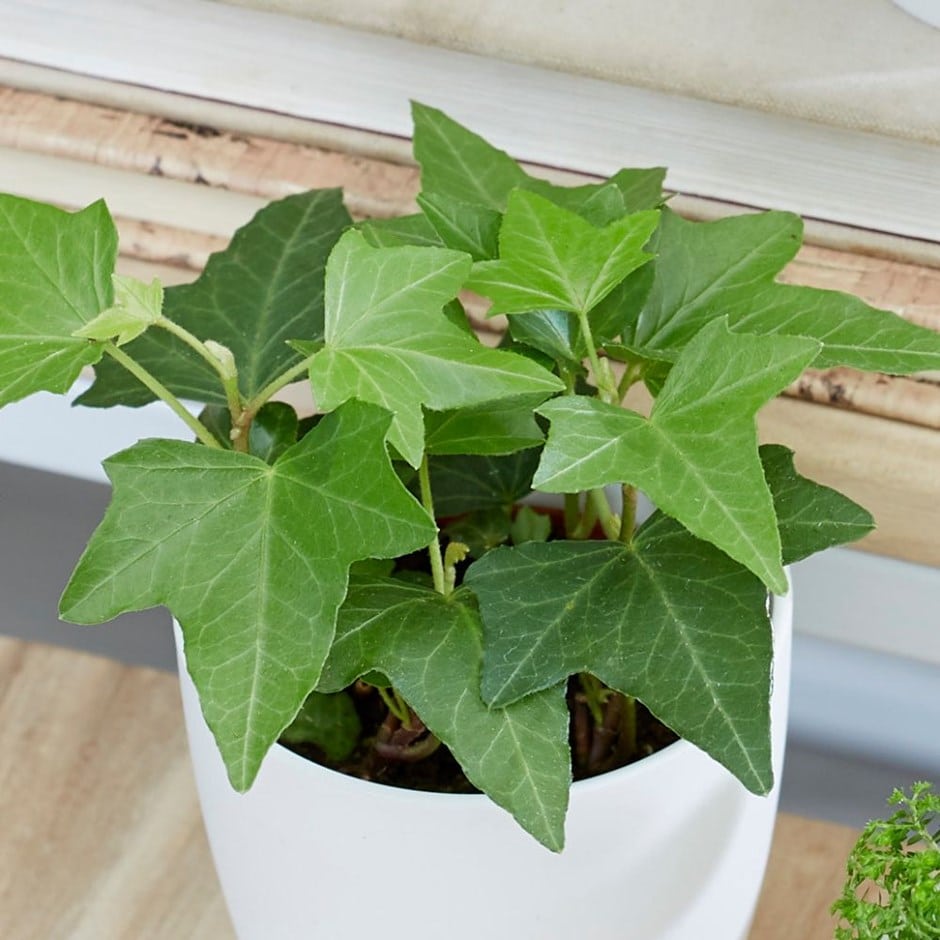
8. English Ivy (Hedera helix)
Removes Mold & Toxins | Helps Allergy Sufferers Sleep Better
A top NASA performer, English Ivy is fantastic for reducing airborne mold and allergens, making it ideal for people with asthma or allergies. One study found that it reduced 94% of airborne mold particles in just 12 hours!
This trailing vine is also visually striking, especially in a hanging basket or trailing from a shelf.
Care Tips:
- Prefers bright, indirect light and cooler temps.
- Water when the top inch of soil feels dry.
- Keep away from pets and children—it’s toxic if ingested.
Best spot: Hanging basket or high shelf in your bedroom.
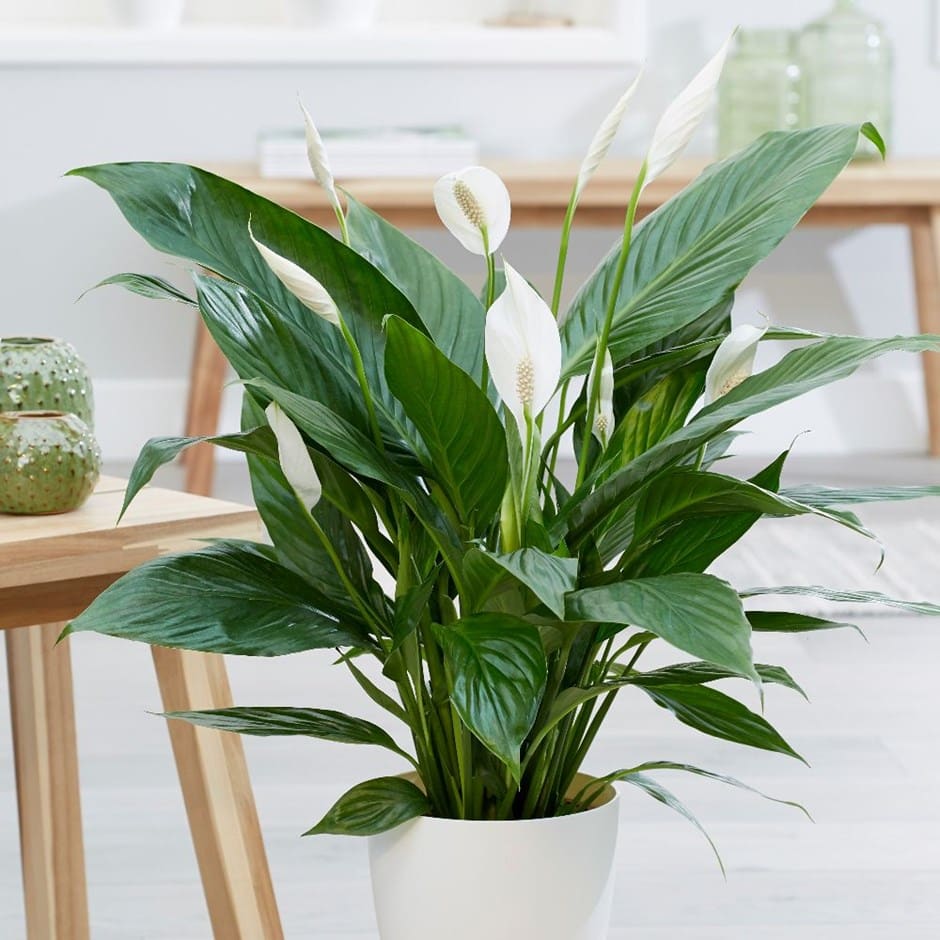
9. Peace Lily (Spathiphyllum spp.)
Boosts Humidity | Filters Airborne Toxins | Elegant and Easy
This elegant plant doesn’t just look peaceful—it lives up to its name. Peace Lilies are air-cleaning pros, removing formaldehyde, benzene, and other toxins.
They also increase humidity, which can ease dry skin, soothe sinuses, and stop that scratchy nighttime cough.
Care Tips:
- Thrives in low to moderate light.
- Water about once a week—keep the soil moist.
- Toxic to pets, so place out of reach.
Best spot: A shaded corner of your bedroom.
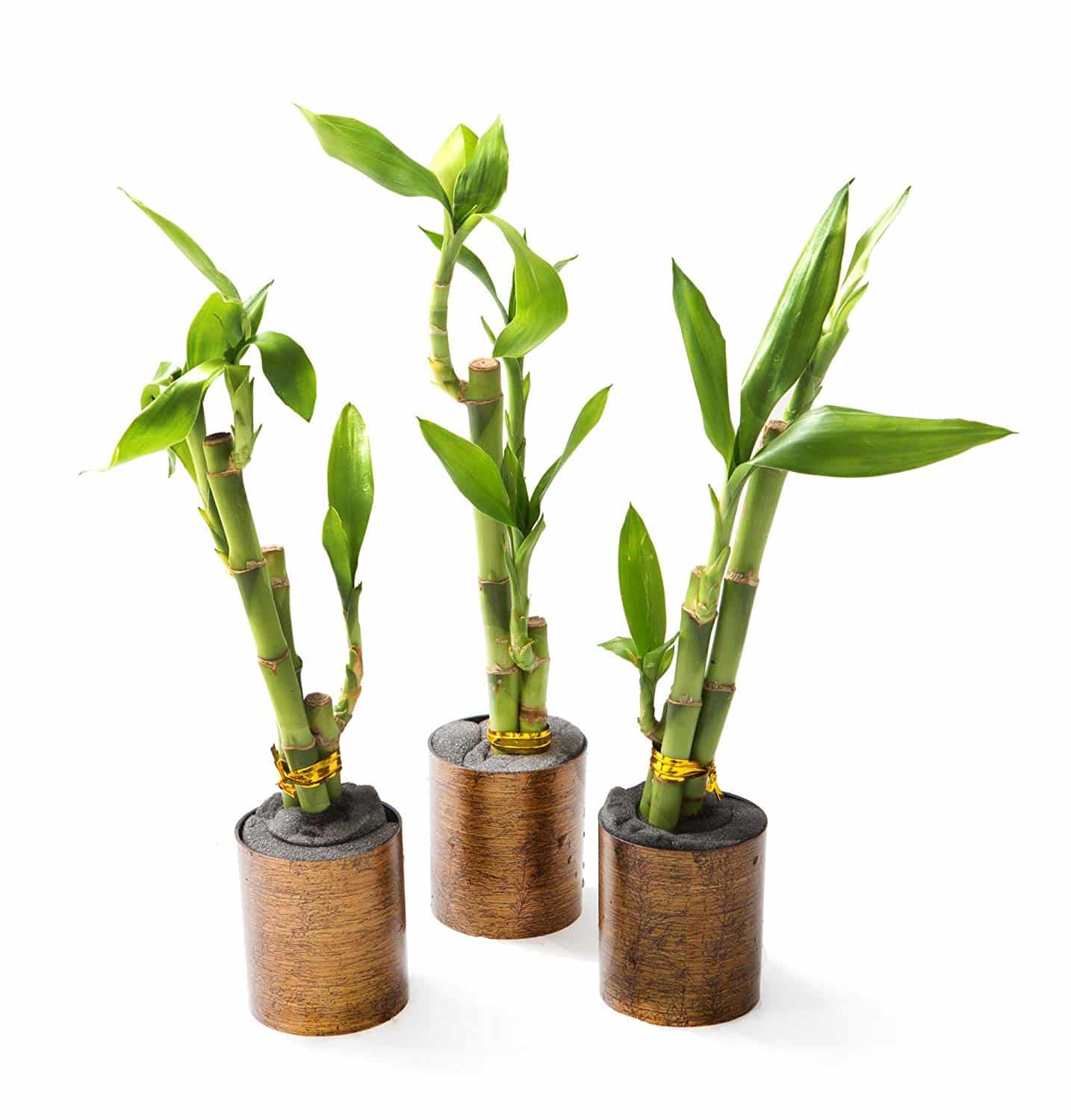
10. Bamboo Palm (Chamaedorea seifrizii)
Air Freshener Alternative | Adds Moisture | Low Light Tolerant
This tropical palm acts like a mini humidifier, releasing moisture while filtering out airborne pollutants. It’s a natural air freshener without the chemicals.
Despite its lush appearance, it’s easy to care for and adapts well to indoor conditions.
Care Tips:
- Prefers indirect light or partial shade.
- Water regularly, keeping soil lightly moist.
- Wipe leaves to remove dust.
Best spot: Near a window with filtered sunlight.
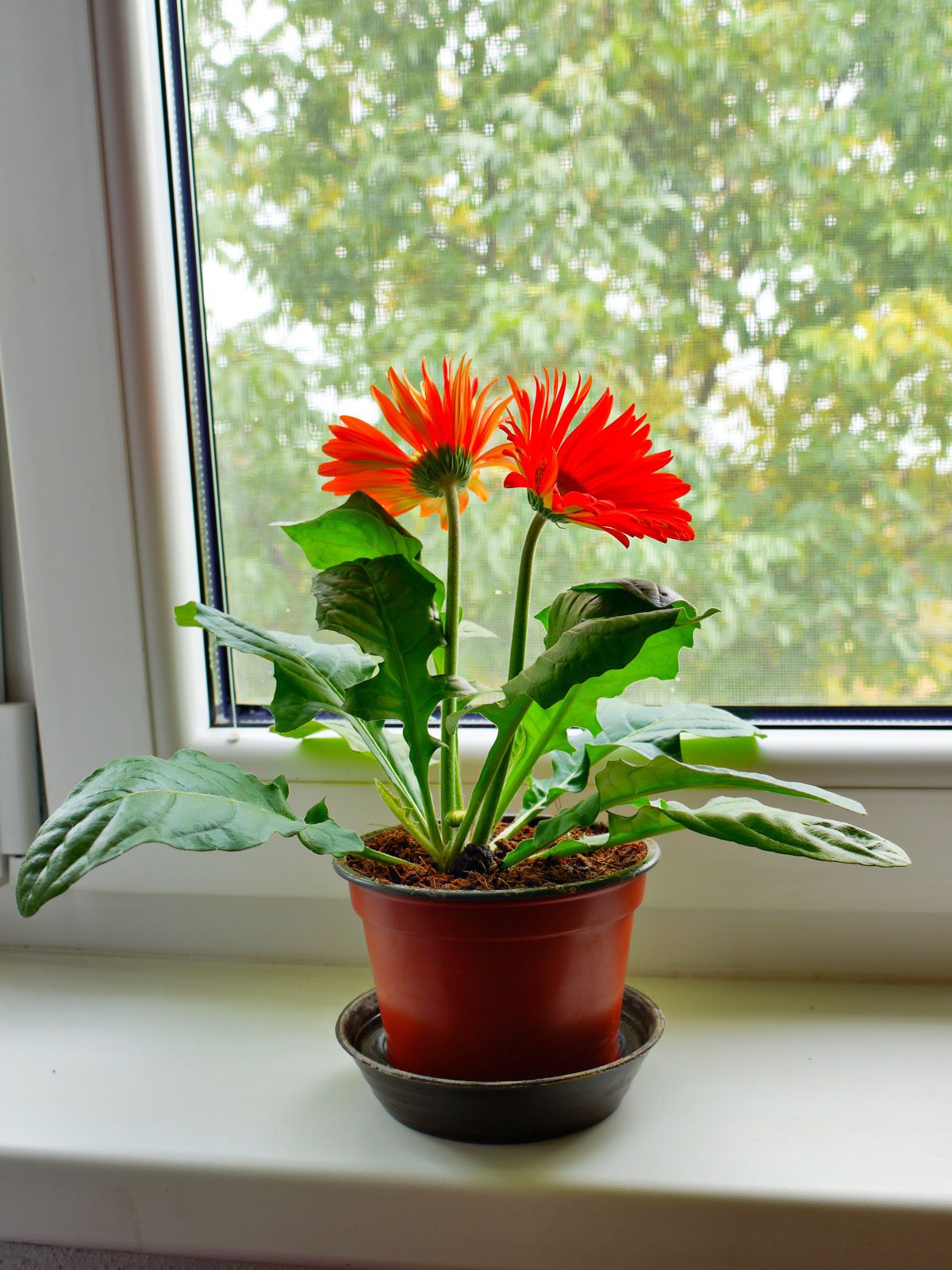
11. Gerber Daisies (Gerbera jamesonii)
Bright & Cheerful | Releases Oxygen at Night | Allergy-Friendly
These colorful blooms don’t just brighten up your room—they actually release oxygen at night, making them ideal for those with sleep apnea or respiratory issues.
While they look cheerful and innocent, they do require a bit of TLC to stay healthy indoors.
Care Tips:
- Needs bright, indirect light.
- Keep soil consistently moist—but avoid overwatering.
- Watch for mildew and fungal diseases.
Best spot: On a sunny desk or windowsill.
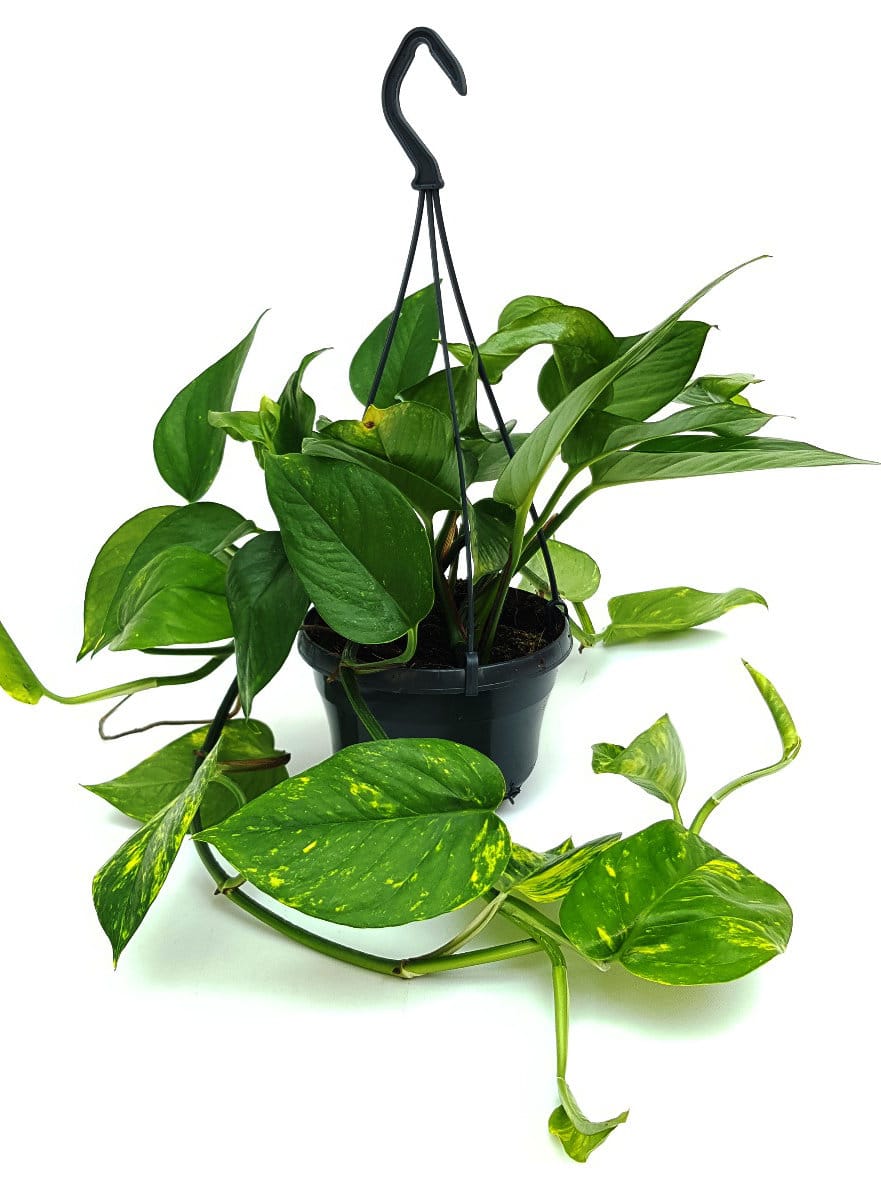
12. Golden Pothos (Epipremnum aureum)
Cleans Air | Hardy & Low-Maintenance | Beautiful Trailing Vines
Golden Pothos is practically a superhero in vine form. Its stunning heart-shaped leaves aren’t just decorative—they actively remove toxins like formaldehyde, xylene, and carbon monoxide from your air.
It’s nearly impossible to kill, making it perfect for busy (or forgetful) plant parents.
Care Tips:
- Tolerates low light, but prefers bright, indirect sun.
- Water once a week, letting soil dry between.
- Toxic to pets—keep it out of reach.
Best spot: Hanging planter, shelf, or macrame hanger in your room.
Before You Start Your Indoor Jungle…
-
Check for toxicity if you have pets or young children. Safety first!
-
Dust those leaves! Just like you clean your air purifier filter, wipe down your plant leaves regularly so they can do their job properly.
-
Mix and match plants that clean the air with those that soothe through scent for the best of both worlds.
-
Follow NASA’s advice—15 to 18 air-purifying plants for an average-sized home (about 1800 square feet) is the sweet spot.
So go ahead—turn your home into a green, serene sleep sanctuary. Your body (and your alarm clock) will thank you.