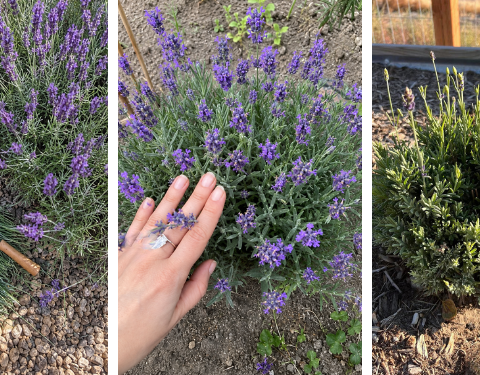
Lavender is more than just a beautiful, fragrant plant. For centuries, this beloved herb has been used for its soothing scent, healing properties, and calming effects on the mind and body.
From easing anxiety and promoting restful sleep to relieving headaches and reducing stress, lavender is a natural remedy you’ll want to have close by.
The great news? You don’t need a sprawling garden or greenhouse to enjoy these benefits.
With the right care, you can grow an endless supply of lavender indoors, allowing you to enjoy its scent, beauty, and therapeutic effects all year round—right in your home.
In this guide, we’ll walk you through exactly how to grow lavender indoors, the best varieties to choose, and how to use it to relieve stress, headaches, and anxiety naturally.
Why Grow Lavender Indoors?
Growing lavender indoors isn’t just about convenience—it’s a lifestyle upgrade.
Here’s why indoor lavender is a smart and healthy addition to your home:
-
Natural stress reliever
-
Promotes better sleep and relaxation
-
Fills your space with a calming aroma
-
Reduces anxiety and tension
-
Improves air quality and mood
-
Aesthetic beauty in any room
Best Lavender Varieties for Indoor Growing
Not all lavender varieties thrive indoors, so it’s important to choose compact, container-friendly types.
The best lavender types for indoor growing include:
1. French Lavender (Lavandula dentata)
Grows well in pots and has a milder scent. Great for warmer indoor environments.
2. English Lavender (Lavandula angustifolia)
Highly fragrant and perfect for culinary and medicinal use. Varieties like ‘Munstead’ and ‘Hidcote’ are compact and ideal for pots.
3. Lavandin (Lavandula x intermedia)
A hybrid variety that produces more oil and flowers. Slightly larger, so use bigger containers.
Step-by-Step Guide: How to Grow Lavender Indoors
1. Choose the Right Pot and Soil
Lavender needs excellent drainage to prevent root rot.
-
Use a terra cotta pot with drainage holes (preferably 8–12 inches deep).
-
Fill with well-draining, slightly alkaline soil. You can mix:
-
1 part potting mix
-
1 part perlite or coarse sand
-
1 teaspoon of crushed eggshells or garden lime (to raise pH)
-
2. Start from Seed or Use a Cutting
While lavender seeds can be started indoors, they take longer and have a lower germination rate. A quicker option is to start from a healthy nursery plant or cutting.
To propagate from cuttings:
-
Snip a 3–4 inch cutting from new growth (not flowering stems).
-
Remove lower leaves and dip in rooting hormone.
-
Plant in moist potting mix and cover with a plastic bag for humidity.
-
Keep in indirect sunlight until roots form (2–3 weeks).
3. Provide Plenty of Sunlight
Lavender loves light—lots of it. It needs at least 6–8 hours of direct sunlight daily.
-
Place near a south-facing window or under a full-spectrum grow light if sunlight is limited.
-
Rotate the pot weekly for even growth.
4. Water Sparingly
Overwatering is the most common cause of indoor lavender failure.
-
Let the top inch of soil dry out between waterings.
-
Water deeply, but infrequently—about once every 1–2 weeks.
-
Avoid letting the pot sit in water.
5. Control Temperature and Humidity
Lavender thrives in warm, dry conditions.
-
Ideal temperature: 65–75°F (18–24°C) during the day, a bit cooler at night.
-
Avoid overly humid rooms like bathrooms.
-
Improve airflow with a fan if needed to mimic outdoor breezes.
6. Prune and Harvest Regularly
Pruning encourages bushier growth and more blooms.
-
Trim back after flowering or when the plant becomes leggy.
-
Snip flower stems early in bloom for drying or fresh use.
7. Fertilize Lightly
Lavender doesn’t need much feeding. Use a diluted liquid organic fertilizer once a month in the growing season (spring through early fall). Avoid high-nitrogen fertilizers.
How to Use Indoor Lavender to Relieve Stress, Headaches, and Anxiety
Once your lavender plant is thriving, you can use it in various ways to naturally support your mental and emotional well-being.
1. Aromatherapy
The scent of lavender is scientifically proven to reduce stress and anxiety. Simply brush your hand over the leaves or place a few sprigs on your pillow or desk.
Try:
-
Making a lavender sachet or pillow
-
Adding fresh sprigs to a bowl of warm water
-
Using crushed flowers in a diffuser bowl
2. Lavender Tea for Calm and Sleep
Dry the flowers and steep 1–2 teaspoons in hot water for a calming tea that reduces anxiety and supports restful sleep.
Optional Add-ins: Chamomile, lemon balm, or honey.
3. Natural Headache Relief
Lavender’s anti-inflammatory and soothing aroma helps relieve tension and migraine headaches.
How to use:
-
Rub a few drops of lavender essential oil (diluted with carrier oil) onto your temples.
-
Inhale freshly cut lavender directly.
-
Add lavender to a hot compress for your forehead.
4. Stress-Relief Bath Soak
Add dried or fresh lavender and Epsom salts to a warm bath to soothe sore muscles and unwind your mind.
DIY bath soak:
-
1 cup Epsom salt
-
½ cup dried lavender
-
Optional: 10 drops lavender essential oil
5. Lavender-Infused Oil or Balm
Infuse dried lavender in olive oil and apply as a natural anti-anxiety rub. Use on wrists, chest, or temples.
Troubleshooting Tips for Indoor Lavender
Leggy plant? Not enough sunlight—move to a brighter spot.
Yellowing leaves? Could be overwatering—let the soil dry.
No blooms? Needs more light or may require pruning.
Drooping leaves? Check for poor drainage or excess humidity.
Benefits of Growing Lavender Indoors Year-Round
-
No need to wait for the growing season—harvest lavender any time.
-
Cleaner air thanks to lavender’s natural purification properties.
-
Acts as a natural insect repellent indoors.
-
Adds a calming, decorative touch to any room.
-
Easy to propagate, so you can keep your supply endless.
Growing lavender indoors is one of the best ways to bring nature’s beauty and healing power directly into your daily life.
With the right care and a sunny window, you can enjoy fresh lavender year-round—all while creating a peaceful sanctuary that supports your mental and emotional well-being.
Whether you’re looking to relieve stress, soothe anxiety, or simply enjoy the fragrance and beauty of this versatile herb, indoor lavender is a perfect solution.