Nature is full of surprises—but few are as enchanting as Crotalaria cunninghamii, a stunning plant whose green petals closely resemble tiny hummingbirds in flight.
Often called the Green Birdflower or Regent Birdflower, this extraordinary species is not only beautiful but also rich in botanical and cultural significance.
If you’re a plant enthusiast, native species lover, or someone who appreciates nature’s oddities, here’s everything you need to know about this rare Australian native plant with hummingbird-shaped flowers.
What Is Crotalaria Cunninghamii?
Crotalaria cunninghamii is a perennial shrub in the legume family (Fabaceae), native to the arid regions of northern Australia.
It is named after 19th-century botanist Allan Cunningham, who extensively studied Australian flora.
Common Names:
-
Green Birdflower
-
Regal Birdflower
-
Crotalaria cunninghamii
-
Hummingbird flower (informal, due to its petal resemblance)
Despite its nickname, this plant is not pollinated by hummingbirds—instead, it relies on native bees and other insects.
Why It Looks Like a Hummingbird
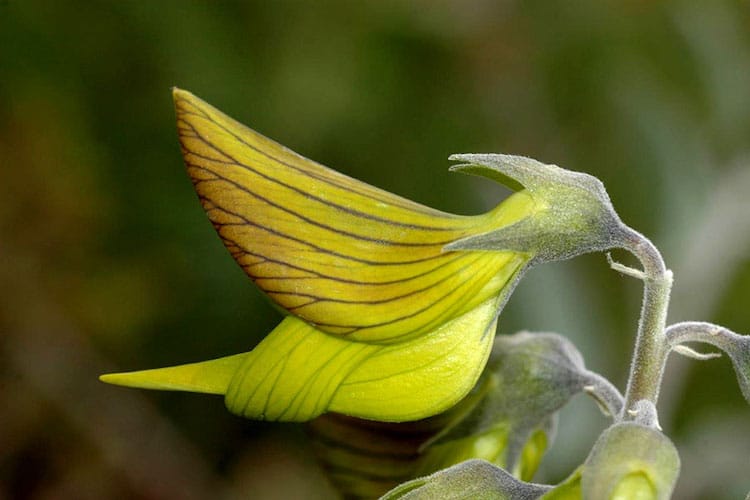
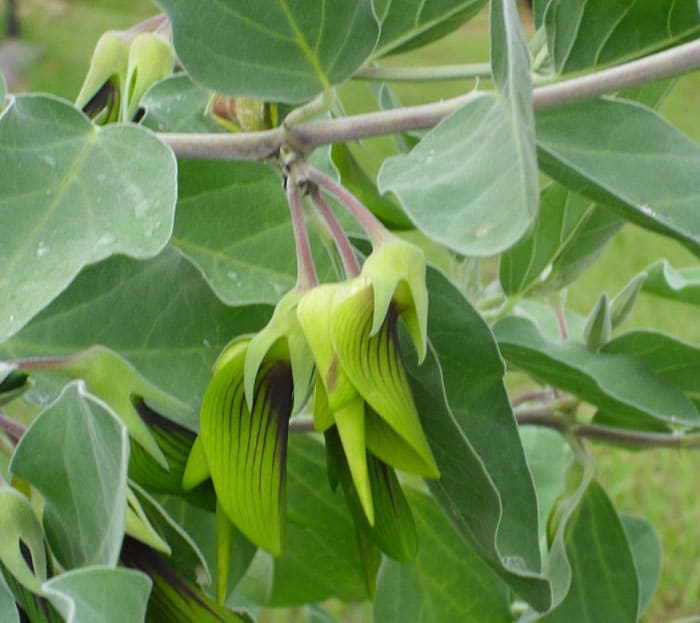
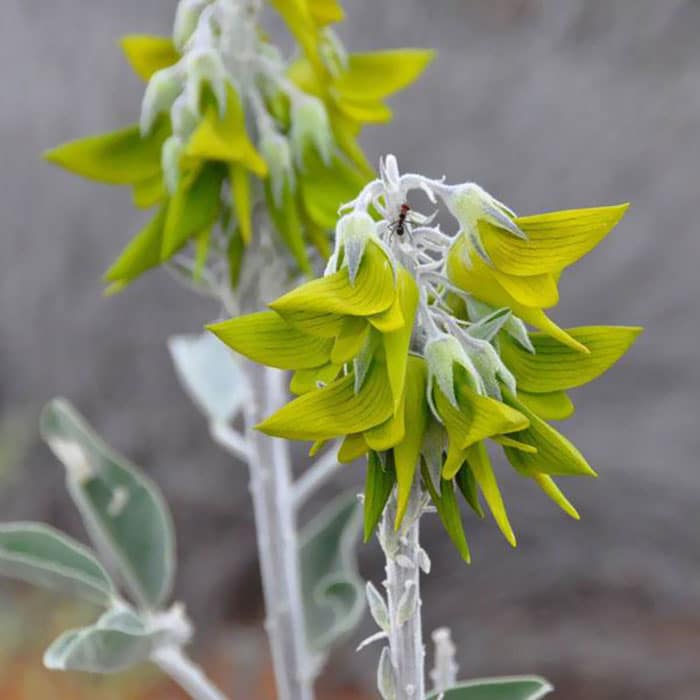
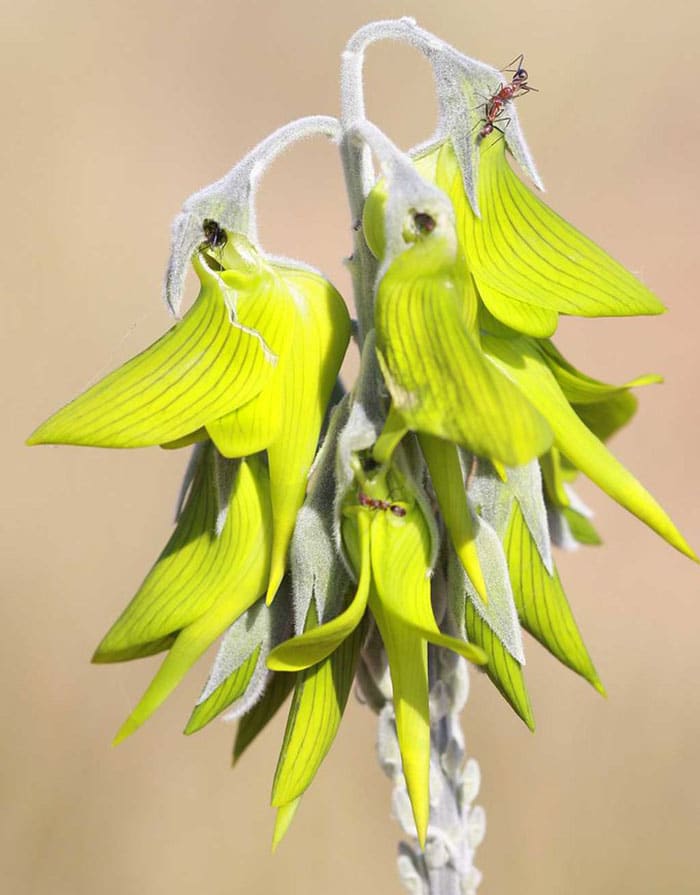
The most distinctive feature of Crotalaria cunninghamii is its striking greenish-yellow flowers, which are arranged along upright spikes.
Each flower resembles a tiny green hummingbird, with a curved shape and dark markings that mimic eyes and wings.
This illusion is so realistic that many first-time observers mistake the blooms for actual birds resting on the stem.
Key features of the flowers:
-
Bird-shaped petals
-
Vibrant green color with dark veining
-
Arranged in dense flower spikes
-
Bloom primarily in summer to autumn (depending on region)
The resemblance is believed to be evolutionary mimicry, though the exact purpose is still unclear.
Some scientists suggest it may aid in attracting specific pollinators or offer camouflage against predators.
Where Is Crotalaria Cunninghamii Found?
Crotalaria cunninghamii is endemic to northern Australia, thriving in coastal dunes, sandy plains, and arid shrublands.
Native habitat:
-
Northern Territory
-
Western Australia
-
Queensland (dry inland areas)
This plant is well-adapted to hot, dry climates, making it ideal for xeriscaping and low-water gardens.
How to Grow Crotalaria Cunninghamii
While rare in cultivation, Crotalaria cunninghamii can be grown in home gardens if provided with the right conditions.
Growing Requirements:
-
Climate: Warm, arid, or subtropical regions (Zones 9–11)
-
Soil: Sandy, well-drained soils; tolerant of poor fertility
-
Sunlight: Full sun (at least 6–8 hours daily)
-
Water: Drought-tolerant once established; water sparingly
-
Growth habit: Upright shrub, grows 3–10 feet tall
-
Propagation: Grows from seed (scarify before planting to aid germination)
Pro tip: Seeds may be slow to sprout—soak or nick the seed coat before planting for faster germination.
Benefits and Uses of the Green Birdflower
Though not widely cultivated, Crotalaria cunninghamii holds both ornamental and cultural value.
1. Visual Appeal
Its hummingbird-shaped blooms make it a showstopper in native gardens or botanical collections. It adds exotic, unique flair to desert-style landscapes.
2. Pollinator-Friendly
The flowers attract bees and beneficial insects, making it ideal for pollinator gardens.
3. Cultural Significance
Indigenous Australians have traditionally used parts of the plant in folk medicine, particularly as an eyewash for treating infections and irritation.
While modern studies on its medicinal properties are limited, the plant has deep roots in Aboriginal healing practices.
4. Low Maintenance
Being native to harsh, dry regions, Crotalaria cunninghamii is ideal for low-water, sustainable gardens and requires minimal upkeep.
Is Crotalaria Cunninghamii Toxic?
Unlike some other species in the Crotalaria genus, which produce toxic alkaloids, Crotalaria cunninghamii is not considered highly toxic to humans or animals.
However, it should not be ingested, especially in large quantities, as its safety profile has not been fully researched.
Always use caution and keep the plant out of reach of pets or children.
Conservation and Availability
Because of its limited native range and rarity in cultivation, Crotalaria cunninghamii is not widely available in nurseries outside of Australia.
However, seeds may occasionally be found through specialty plant societies or native seed suppliers.
If you’re growing it outside its natural habitat, make sure it’s not classified as an invasive species in your area, and be mindful of ethical propagation.
Quick Care Summary
| Feature | Requirement |
|---|---|
| Light | Full sun |
| Soil | Sandy, well-drained |
| Watering | Low; drought-tolerant |
| USDA Zone | 9–11 (or greenhouse in cooler climates) |
| Bloom Season | Summer to early fall |
| Height | 3–10 feet |
| Maintenance Level | Low |
| Wildlife Attraction | Bees, pollinators |
Numerous people were fascinated by the unique flowers, and the post raked in 48.3k upvotes and over 400 comments.
Numerous people asked about the legitimacy of the flower, and they were all fascinated by its appearance.
The scientific name for the plant is Crotalaria cunninghamii, or commonly green birdflower or regal birdflower.
It prefers a light, well-drained soil, in an open sunny position. The species is native to Inland Northern Australia, and the sandy, dune filled climate is ideal for it.
This perennial shrub grows to about 1–3 m in height. It has hairy or woolly branches and dull green foliage. The leaves are oval in shape, about 30 mm long. The large and greenish pea flowers are streaked with fine black lines, and the club-shaped seed pods are up to 50 mm long.
Its flowering occurs from winter to spring, and sometimes in autumn.
The flowers grow on long spikes at the ends of its branches, and they resemble a bird attached by its beak to the central stalk of the flower head.
The Aboriginals have long used the sap from its leaves to treat eye infections.
They are simply amazing, aren’t they?
If you’re searching for a conversation-starting, drought-tolerant, and visually stunning plant, Crotalaria cunninghamii is an exceptional choice.
Its hummingbird-like flowers are one of nature’s most fascinating optical illusions, captivating gardeners, botanists, and photographers alike.
While it may be rare outside of its native range, its growing popularity among collectors and native plant lovers is helping to preserve and celebrate this botanical wonder.