You may think of mouthwash as a tool for keeping your breath fresh and your teeth clean—but did you know that Listerine and other antiseptic mouthwashes can also be surprisingly useful in your garden?
That’s right—this common household item contains a mix of antibacterial, antifungal, and deodorizing properties that make it an unconventional yet effective garden solution.
Whether you’re dealing with pests, fungal diseases, smelly compost, or dirty tools, a bottle of mouthwash could be your new garden ally.
Here are 6 clever and science-backed ways to use mouthwash in your garden, including how to make your own DIY sprays and solutions.
1. Control Powdery Mildew and Fungal Infections
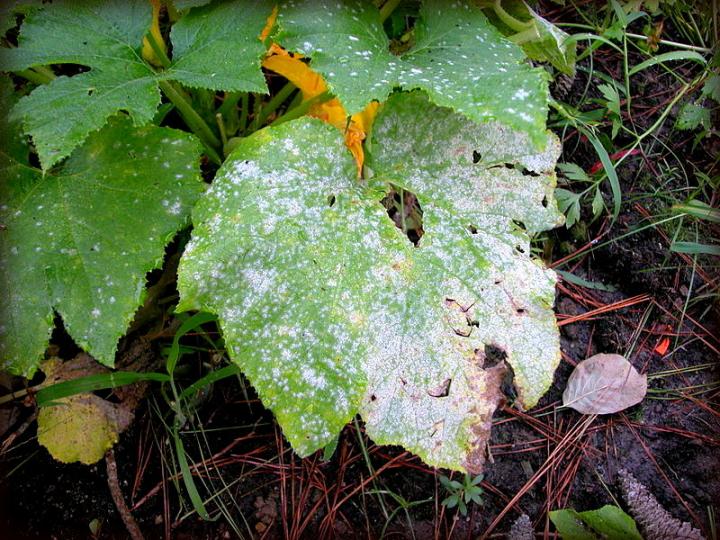
Powdery mildew is a common fungal disease that affects a wide range of plants, coating leaves with a white, flour-like substance that can weaken or kill your plants over time.
Fortunately, mouthwash is a powerful antifungal agent that can help control it naturally.
How to Use:
-
Mix 1 part mouthwash (preferably a sugar-free, alcohol-based brand like Listerine) with 3 parts water.
-
Pour into a spray bottle and spray directly on affected leaves once every 3–5 days until the mildew disappears.
This solution is not only effective against powdery mildew, but also helps reduce black spot, downy mildew, and rust fungus on plants like roses, cucumbers, and squash.
Tip: Avoid spraying on new seedlings or very young plants, as the alcohol content may cause leaf burn.
2. Repel Cats and Dogs From Garden Areas
Tired of neighborhood cats using your flower beds as litter boxes? Or dogs marking your garden as their territory? Mouthwash can help here too.
How it Works:
The strong, minty scent of mouthwash is overwhelming for animals, especially cats and dogs. Spraying it around your garden acts as a natural repellent.
How to Use:
-
Mix equal parts mouthwash and water in a spray bottle.
-
Spray the mixture around plant beds, fence lines, pots, or any area where animals tend to urinate.
-
Reapply after rain or watering.
You can also soak cotton balls in undiluted mouthwash and place them in problem areas for longer-lasting odor control.

3. Natural Aphid and Pest Control
Aphids are tiny sap-sucking insects that can spread rapidly and damage flowers, vegetables, and herbs. If you want to avoid chemical pesticides, mouthwash offers a natural alternative.
DIY Aphid Spray:
-
Mix 1 part Listerine, 1 part water, and a few drops of mild dish soap.
-
Spray directly on affected leaves, making sure to hit the undersides where aphids often hide.
-
Apply early in the morning or late in the evening to avoid sunburn on leaves.
This homemade pesticide works by disrupting the waxy coating and soft body structure of pests, causing them to dehydrate and die off.
Note: Test on a small section of your plant first to ensure there’s no sensitivity to the alcohol or soap.

4. Homemade Mouthwash-Based Fertilizer
Believe it or not, Listerine can be part of a quirky but effective DIY fertilizer recipe that helps promote greener grass and healthier plants.
Lawn and Garden Fertilizer Mix:
-
1 cup mouthwash
-
1 cup ammonia (adds nitrogen)
-
1 cup Epsom salt (magnesium for chlorophyll production)
-
1 cup mild liquid dish soap (a surfactant to help absorption)
-
1 can of beer (feeds soil microbes)
Mix all ingredients in a large container, then pour into a hose-end sprayer. Apply to your lawn or garden every 3–4 weeks during the growing season.
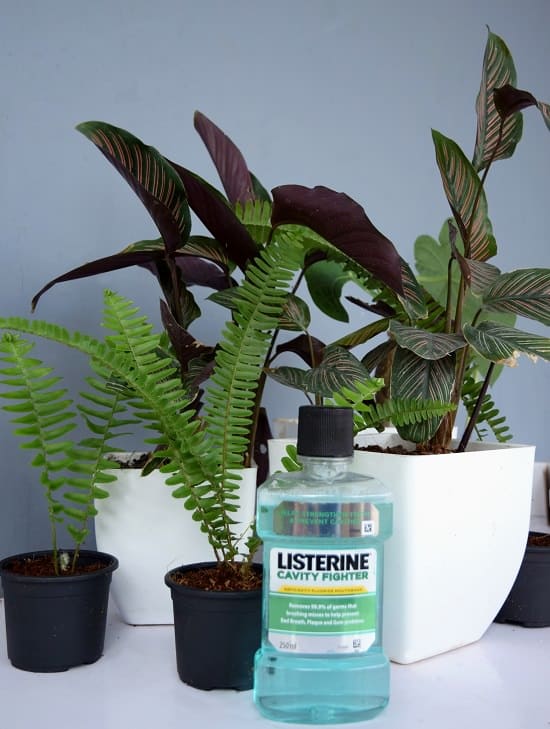
This mixture encourages nutrient uptake, improves soil health, and can help your grass and foliage plants like ferns, hostas, and ornamental shrubs flourish.
5. Eliminate Foul Odors from Compost or Garden Beds
Is your compost pile starting to smell like something crawled in and died? Are your garden beds emitting an unpleasant odor after heavy rain or mulch breakdown?
Mouthwash can neutralize odor-causing bacteria and freshen up smelly spots naturally.
How to Use:
-
Mix equal parts water and Listerine in a spray bottle.
-
Spray onto compost piles, garden pathways, or areas of standing water or organic decay.
-
Avoid direct contact with delicate plant roots or seedlings.
The antimicrobial properties of mouthwash kill odor-causing bacteria while leaving a clean scent in their place.
6. Disinfect Garden Tools and Pots
Dirty tools can spread disease from one plant to another. Instead of using harsh chemical cleaners, use mouthwash as a natural disinfectant.
How to Use:
-
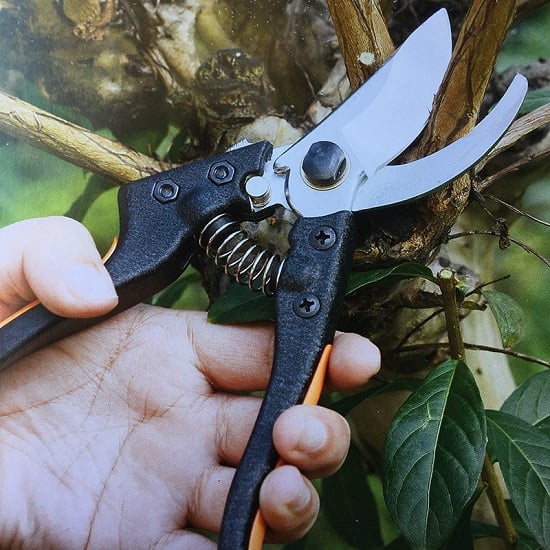
Soak small tools like pruning shears, hand trowels, or snippers in full-strength Listerine for 1–2 minutes.
-
For larger tools, spray them thoroughly with undiluted mouthwash and let them air dry.
-
You can also rinse seed trays and plant pots with mouthwash before reuse.
Listerine’s antiseptic properties help prevent the spread of fungal spores, bacteria, and viruses, keeping your garden healthier overall.
Additional Tips for Using Listerine in the Garden
-
Always test new sprays on a small part of the plant first to ensure no adverse reactions.
-
Use only alcohol-based, sugar-free mouthwash (colored Listerine works best). Avoid brands with added sugars or sweeteners.
-
Avoid overuse—too much mouthwash can harm beneficial insects and soil microbes. Use sprays only when needed.
While Listerine might be a staple in your bathroom cabinet, it has surprising applications in your garden as a natural disinfectant, antifungal, pest repellent, and odor neutralizer.
With just a little creativity and caution, you can turn this everyday product into a powerful tool for healthier plants and a more pleasant outdoor space.
So the next time you’re stocking up on gardening supplies, don’t overlook the potential of a bottle of mouthwash—it could be the secret weapon your garden’s been missing!